Note: This article is based on real product, furniture-design, dining-layout, and reclaimed-wood care information synthesized from reputable home and design resources.
Why the Flatiron Kitchen Table Still Has Main-Character Energy
A kitchen table has one job on paper: hold plates. In real life, it becomes a family command center, homework station, laptop landing pad, coffee altar, snack runway, and occasional courtroom where someone must explain why the last slice of pizza vanished. That is why the Flatiron Kitchen Table has remained such an interesting furniture idea. It is not just a surface with legs. It is a style statement that says, “Yes, I eat dinner here, but I also appreciate reclaimed wood, industrial design, and furniture that looks like it could survive a small revolution.”
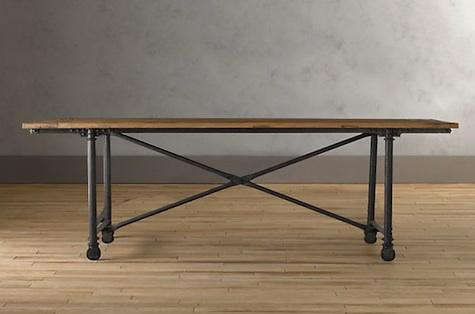
The Flatiron Kitchen Table is best known through Restoration Hardware’s industrial-style Flatiron design: a table that pairs reclaimed elm with cast or riveted metal for a rugged, urban look. The concept is simple but powerful. Take wood with history, add metal with muscle, and create a kitchen table that feels warm, substantial, and slightly dramatic without needing to shout across the room.
The name “Flatiron” naturally brings to mind New York’s iconic Flatiron Building, with its strong architectural silhouette and old-meets-modern urban personality. In furniture, the term has come to suggest clean lines, sturdy construction, and an industrial edge. Whether you are looking at a reclaimed elm version, a modern asymmetrical designer table, or a wood-and-metal dining table inspired by the same aesthetic, the Flatiron look is all about contrast: soft grain against hard metal, old surfaces against modern frames, and practical function wrapped in a little architectural swagger.
What Is a Flatiron Kitchen Table?
A Flatiron kitchen table is generally understood as a rectangular or architectural dining table with an industrial character. The classic version combines a reclaimed wood top with a metal base, often emphasizing visible texture, patina, rivets, sturdy legs, and honest materials. It is the opposite of a delicate table that makes you nervous every time someone sets down a glass without a coaster. Though, to be fair, use the coaster anyway. Reclaimed wood has feelings, too.
The most recognizable Flatiron Kitchen Table was described as being made with antique reclaimed elm doors set on a metal frame. That origin matters because reclaimed wood does not behave like factory-perfect laminate. It has knots, nail marks, splits, color variation, and irregularities. These are not flaws in the usual sense; they are the point. The table looks lived-in before you live with it, which is convenient for anyone with kids, pets, dinner guests, or a talent for dropping forks.
In a design market crowded with glossy white tables, glass tops, and mass-produced farmhouse pieces, the Flatiron style stands out because it feels grounded. It has weight. It has texture. It works in a kitchen, loft, breakfast nook, open-plan dining area, or casual dining room where people actually eat instead of merely admiring the centerpiece from a respectful distance.
Design Anatomy: Wood, Metal, and Industrial Charm
Reclaimed Wood: The Soul of the Table
The heart of a Flatiron kitchen table is usually the tabletop. Reclaimed elm, in particular, gives the design a weathered warmth that new wood often tries very hard to imitate. When a tabletop comes from old doors or salvaged boards, it carries natural variation that makes every table slightly different. That means one Flatiron table may have a knot near the edge, another may show old hinge marks, and another may feature dramatic grain that looks like a tiny map of somewhere you would like to vacation.
This is why buyers should not expect a flawless, uniform surface. The beauty of reclaimed wood is its imperfection. It pairs especially well with industrial kitchens, modern farmhouse rooms, rustic interiors, and urban apartments. The wood softens the metal, while the metal keeps the wood from drifting into “cabin in the woods” territory.
Metal Base: The Backbone
The metal base gives the Flatiron table its strength and industrial personality. Cast metal, steel, or iron-style frames create a visual anchor, especially when the table is placed in a kitchen with stainless appliances, black hardware, exposed shelving, or concrete floors. The metal adds structure, but it also prevents the table from feeling too precious.
This is one reason the Flatiron Kitchen Table works well in real homes. It has enough polish to look intentional, but enough ruggedness to handle daily use. It can sit beneath a modern pendant light, beside leather chairs, against a brick wall, or in a simple white kitchen without looking confused about its life choices.
Shape and Proportion
The traditional Flatiron Kitchen Table is rectangular, which makes sense for kitchens and smaller dining spaces. A 72-inch table, for example, can often serve as a comfortable everyday table for a small family while still providing enough room for guests. Rectangular tables are especially useful in long rooms, galley-style dining areas, and open-plan kitchens where the table helps define the eating zone.
Modern Flatiron-inspired designs may also use trapezoidal tops, softened edges, asymmetrical bases, or sculptural supports. These versions lean more luxury and architectural. They are less “weekday pancakes and permission slips” and more “dinner party where someone says the word mouthfeel.” Both can be beautiful. The right choice depends on whether your home needs rugged practicality, sculptural drama, or a bit of both.
Why It Works So Well in the Kitchen
The kitchen table is different from a formal dining table. It must be ready for quick breakfasts, late-night tea, work calls, birthday cake, board games, and the mysterious pile of mail that multiplies when no one is watching. The Flatiron Kitchen Table suits this role because it feels relaxed but not sloppy.
Its reclaimed surface brings warmth into kitchens that might otherwise feel too hard or sterile. If your kitchen has white cabinets, stone counters, stainless appliances, or black fixtures, the wood top introduces texture and balance. If your kitchen already has rustic elements, the metal frame sharpens the look so it does not become overly country. Think of it as the furniture equivalent of wearing boots with a tailored jacket.
Another advantage is visual durability. A glossy table shows every fingerprint like it is collecting evidence. A reclaimed wood table is more forgiving. Small marks blend into the story. This does not mean you should abuse it, but it does mean the table is not going to have an emotional crisis over everyday life.
How to Choose the Right Flatiron Kitchen Table Size
Before buying a Flatiron kitchen table, measure your room. Then measure it again, because optimism is not a space-planning strategy. Dining guides commonly recommend leaving about three feet of clearance around a dining table so chairs can pull out and people can move behind seated guests. In tighter kitchens, you may get away with less, but comfort drops quickly when every meal requires a sideways shuffle.
A rectangular table around 60 to 72 inches long can work well for many kitchens and breakfast areas. A 72-inch table often seats six, depending on chair width and leg placement. If the table has thick legs or a metal base that interrupts chair movement, test the real seating space, not just the tabletop length. A table can technically fit six chairs and still make everyone feel like they are boarding a budget airline.
Width matters, too. A table around 36 to 40 inches wide gives enough space for plates, glasses, and serving dishes without forcing people to shout across a wooden canyon. If your kitchen is narrow, a slimmer rectangular table may be better than a wide one. If your space is square, a round table might technically be more efficient, but it will not deliver the same Flatiron industrial presence.
Best Chairs for a Flatiron Kitchen Table
The best chairs for a Flatiron Kitchen Table depend on how much contrast you want. Metal chairs can reinforce the industrial look, but too much metal may make the room feel like a stylish cafeteria. Wooden chairs soften the table, while upholstered chairs add comfort and polish. Leather or faux-leather chairs are a particularly strong match because they bring warmth without fighting the table’s rugged frame.
For comfort, pay attention to height. Most dining tables are around 30 inches high, and many dining chairs have seats around 17 to 20 inches high. The goal is enough space between the seat and tabletop for diners to sit naturally. Armchairs need extra checking because arms may bump into the underside of the table or apron. Nothing ruins a dinner vibe faster than chairs that cannot scoot in, except perhaps someone explaining cryptocurrency during dessert.
A smart design trick is to mix materials while keeping one common element. For example, pair a reclaimed wood Flatiron table with black Windsor chairs, leather side chairs, or simple upholstered seats with dark legs. The chairs do not need to match the table exactly. In fact, they often look better when they do not. The key is to repeat a color, shape, finish, or level of formality so the whole setup looks curated rather than accidentally assembled during a moving sale.
Styling Ideas for a Flatiron Kitchen Table
Modern Industrial
For a modern industrial kitchen, pair the table with black metal chairs, matte hardware, concrete-look flooring, and a linear pendant light. Keep the centerpiece simple: a low ceramic bowl, a few branches, or a tray with candles. Industrial style works best when it has breathing room. Too many metal signs, exposed bulbs, and faux factory objects can make the room look like it is auditioning for a restaurant called The Rusty Spoon.
Warm Farmhouse
For a softer farmhouse look, use woven chairs, linen runners, cream ceramics, and warm lighting. The reclaimed wood will feel right at home, while the metal base keeps the room from becoming too sweet. This mix works especially well in kitchens with shaker cabinets, open shelves, butcher block accents, or vintage-inspired lighting.
Urban Apartment
In an apartment, the Flatiron table can become the visual anchor of an open living area. Choose slimmer chairs to reduce bulk, and consider a bench on one side if space is tight. A bench can tuck under the table when not in use, which is helpful when your dining room is also your office, entryway, and occasional yoga studio.
Refined Rustic
For a more elevated look, combine the table with upholstered dining chairs, a tailored rug, and a sculptural chandelier. The contrast between rough wood and polished textiles creates a layered, designer feel. Add black-framed art or a large mirror nearby to echo the metal base without overdoing it.
Care and Maintenance: How to Keep It Beautiful
Reclaimed wood is durable, but it is not invincible. If the Flatiron table has an unfinished or lightly sealed surface, it needs thoughtful care. Use placemats, coasters, and trivets to prevent heat rings, water stains, and oil marks. Wipe spills quickly with a dry or slightly damp cloth. Avoid harsh cleaners, abrasive pads, and soaking the wood with water.
Direct sunlight can discolor wood over time, and intense moisture can encourage warping or staining. If your table sits near a bright window, consider shades or curtains during the strongest part of the day. For daily cleaning, a soft cloth is usually enough. For deeper care, follow the manufacturer’s instructions, especially if the table has a waxed, sealed, or unfinished surface.
The good news is that reclaimed wood ages gracefully. A small mark may not ruin the table; it may simply join the existing patina. Still, “patina” should not become an excuse for spaghetti sauce archaeology. Clean the table regularly, protect it during messy projects, and give it the same respect you would give any hardworking piece of furniture.
Pros and Cons of a Flatiron Kitchen Table
Pros
The Flatiron Kitchen Table has a timeless industrial look that works across many interiors. Its reclaimed wood top adds character, warmth, and individuality. The metal base provides strength and visual structure. It is also a practical choice for busy households because the textured surface is more forgiving than glossy finishes.
Another benefit is versatility. It can look casual with benches, polished with upholstered chairs, rustic with woven accents, or urban with black metal seating. Few tables can handle pancakes, laptops, dinner guests, and dramatic flower arrangements with equal confidence.
Cons
The same texture that makes reclaimed wood beautiful can also make it uneven. Some people love knots, cracks, and old marks; others want a smooth, predictable surface. If you prefer furniture that looks identical from one piece to the next, a reclaimed Flatiron table may test your patience.
Weight can also be an issue. Wood-and-metal tables are often heavy, which is excellent once the table is in place and less excellent when it must travel upstairs. The industrial style may also feel too bold for very delicate interiors. Finally, unfinished or lightly sealed wood requires more care than laminate or heavily coated surfaces.
Who Should Buy a Flatiron Kitchen Table?
A Flatiron Kitchen Table is ideal for someone who wants furniture with character rather than perfection. It suits homeowners and renters who like industrial, rustic, farmhouse, loft, or transitional interiors. It is also a strong choice for people who want a table that feels substantial and can serve as the heart of an everyday kitchen.
It may not be the best fit for someone who wants a sleek, ultra-minimal, maintenance-free surface. If you panic at every natural crack or color variation, reclaimed wood may not bring you joy. But if you like furniture that looks collected, textured, and quietly dramatic, the Flatiron table is easy to love.
Real-Life Experience: Living With a Flatiron Kitchen Table
Living with a Flatiron Kitchen Table is a little like having a dependable friend with great boots. It is sturdy, attractive, and not easily offended. The first thing most people notice is the weight of the piece, visually and physically. It does not disappear into a room. It settles in, claims its space, and makes the kitchen feel more intentional almost immediately.
In daily use, the reclaimed wood top becomes the star. Morning coffee looks better on it. A bowl of lemons looks like a magazine tried to happen. Even a messy stack of notebooks seems slightly more charming, as if clutter has been rebranded as “creative evidence.” The texture makes the table feel welcoming rather than formal, which encourages people to actually use it. That is important because some dining tables look beautiful but give off the emotional warmth of a museum guard.
The Flatiron style is especially helpful in open-plan homes. When the kitchen, dining, and living areas share one large space, the table acts as a visual divider. It says, “This is where meals happen,” without needing walls or complicated design tricks. Add a pendant light above it, and suddenly the dining zone feels complete. The metal base connects nicely with kitchen hardware, lighting, or appliances, while the wood keeps the space from feeling cold.
There are practical lessons, of course. First, chair choice matters more than expected. Bulky chairs can fight with the metal base, especially if the legs or supports limit how far chairs can slide in. Slimmer chairs, benches, or armless seating usually work better. Second, the tabletop’s natural unevenness may affect writing or laptop work. A placemat, desk pad, or large notebook solves the problem easily, but it is worth knowing before you attempt calligraphy on a knotty plank.
Third, coasters are not optional unless you enjoy living dangerously. Reclaimed wood can handle real life, but water rings and hot pans are still villains. Keep a small stack of coasters on the table and a few trivets nearby. This makes protection automatic instead of becoming something you remember three seconds after the casserole dish lands.
The best experience comes from embracing the table’s personality. A Flatiron Kitchen Table is not trying to be flawless. It is trying to be useful, handsome, and full of texture. Over time, it may collect tiny signs of family life: a faint mark from a birthday centerpiece, a small scratch from a board game night, a polished area where elbows always land. Instead of ruining the table, those marks often make it feel more yours.
For styling, the most successful approach is restraint. Because the table already has strong materials, it does not need a crowded centerpiece. A ceramic bowl, a linen runner, a glass vase, or a low tray is enough. During holidays, greenery and candles look beautiful against the reclaimed wood. During ordinary weeks, even a fruit bowl can look suspiciously sophisticated.
Overall, the Flatiron Kitchen Table works because it understands what a kitchen table is supposed to be. It is not merely decorative. It is a place where people pause, eat, talk, work, laugh, argue gently about takeout, and return again the next morning. It brings style without becoming fussy, strength without becoming harsh, and history without feeling outdated. That is a rare combinationand yes, it also makes leftovers look classier.
Conclusion
The Flatiron Kitchen Table remains a compelling choice because it combines reclaimed wood, industrial metal, practical proportions, and architectural personality. It is warm enough for everyday family meals, strong enough for busy kitchens, and stylish enough to anchor a thoughtfully designed home. Its imperfections are part of its charm, and its versatility makes it easy to pair with modern, rustic, farmhouse, or urban decor.
Choose the right size, leave enough clearance, pair it with comfortable chairs, and care for the wood properly. Do that, and a Flatiron kitchen table can become more than furniture. It becomes the place where the house gathersand occasionally where someone leaves crumbs despite having absolutely no memory of eating crackers.