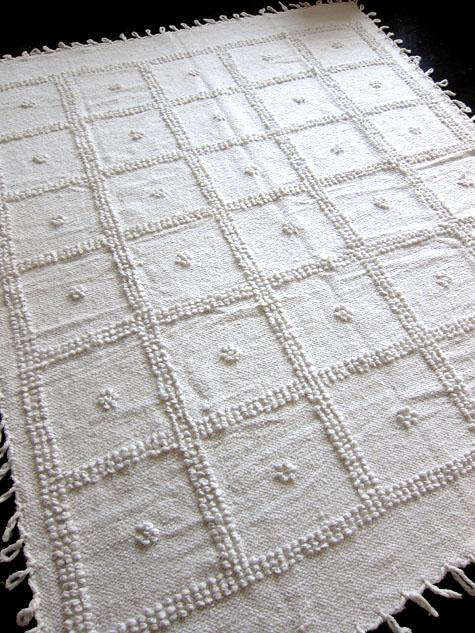
Some home accessories whisper. Others walk into the room, adjust the lighting, and quietly make every other textile look like it should have tried harder. The Temoayan blankets from L’Aviva Home belong to the second group. They are not the kind of blanket you buy because your feet are cold during a movie night, although they can certainly handle that assignment. They are the kind of blanket that changes the entire mood of a room: more layered, more global, more thoughtful, and yes, much more grown-up than the fleece throw currently pretending to be decor on the arm of the sofa.
At the meeting point of fabrics, linens, artisanal craft, and modern interior design, Temoayan blankets offer something that mass-produced bedding rarely manages: a sense of place. Connected to the textile traditions of Temoaya, Mexico, and presented through L’Aviva Home’s refined design lens, these blankets combine handwork, texture, cultural fusion, and understated luxury. They look beautiful on a bed, but they also tell a story before anyone even asks where you got them.
This guide explores what makes Temoayan blankets special, how they fit into contemporary American interiors, how to style them, how to care for them, and why they remain such a compelling choice for anyone who believes a room should feel collected rather than copied from a catalog.
What Are Temoayan Blankets?
Temoayan blankets are hand-knotted and woven textiles associated with Temoaya, a town in the State of Mexico known for its Otomi heritage and its distinctive rug-making tradition. The blankets featured by L’Aviva Home have been described as a fusion of contemporary Mexican design and Persian carpet-making techniques. That combination may sound like a design-school thesis, but in real life it translates beautifully: graphic texture, substantial weight, quiet pattern, and a handmade irregularity that gives each piece personality.
The best way to understand a Temoayan blanket is to imagine the structure of a rug softened into the function of a bedcover. It has more presence than a typical cotton coverlet and more visual architecture than a plain wool throw. It does not flop around like a sad towel at the end of the bed. It holds its shape, adds dimension, and gives a room that elusive “I have excellent taste, but I am not shouting about it” quality.
A Textile with Cultural Layers
The Temoaya region has a long association with Otomi communities and hand-crafted textiles. While Persian-style knotting is not originally Mexican, artisans in Temoaya adapted the technique and developed pieces that incorporate Mexican motifs, materials, and design sensibilities. This is what makes the Temoayan blanket so interesting: it is not a museum replica, and it is not a generic global-style accessory. It is a living example of craft evolving through exchange.
For interior designers and textile lovers, that matters. A well-made artisan blanket is not just “boho” or “rustic” or “worldly,” three words that have been overworked like a cheap zipper. It is a material object shaped by hands, place, and process. In a room full of machine-perfect surfaces, that human quality is often what makes the design feel warm instead of staged.
Why L’Aviva Home Makes the Story More Interesting
L’Aviva Home is a design studio based between New York and Mexico City, known for working closely with artisan workshops around the world. Rather than treating craft as a decorative afterthought, the studio builds collections around material, process, and long-term collaboration. That philosophy makes the Temoayan blanket a natural fit within the brand’s larger world of hand-made lighting, textiles, furniture, rugs, and objects.
Founder Laura Aviva’s background in travel, design, and editorial storytelling is visible in the way the brand presents objects. L’Aviva Home pieces rarely feel like souvenirs. They feel edited. A blanket, lamp, or pillow may come from a deeply rooted craft tradition, but the final design is shaped for sophisticated homes, boutique hospitality spaces, and interiors where texture is expected to do more than sit there looking beige.
The result is a kind of modern artisanal luxury. Not flashy. Not overly precious. More like a linen shirt that somehow looks better wrinkled, except in blanket form and much less likely to need ironing.
Materials and Texture: Why the Blanket Feels Different
Earlier design coverage described L’Aviva Home’s Temoayan blankets as made with virgin wool and cotton, sized generously enough to work as a bedspread or as a dramatic throw. That blend is important. Wool brings warmth, resilience, and natural texture. Cotton adds structure and breathability. Together, they create a textile that feels substantial without becoming visually heavy.
Unlike a fluffy throw designed only for softness, a Temoayan blanket is about surface. It has tactile depth. The weave and knotting create shadows. The pattern is not merely printed on top; it is built into the object. That is why these blankets photograph so well in interiors. Light catches the raised areas, the hand-made texture breaks up flat surfaces, and the bed suddenly looks styled without requiring twelve pillows, a tray, and a breakfast croissant that nobody is allowed to eat.
Not Just a Blanket, Not Quite a Rug
One of the most useful ways to think about a Temoayan blanket is as a hybrid textile. It has the visual strength of a rug but the flexibility of a bedcover. This makes it especially valuable in minimalist rooms, where every object has to earn its keep. A plain white bedroom can feel serene, but add too many plain white layers and suddenly it looks like a very polite cloud. A textured Temoayan blanket introduces contrast while keeping the palette calm.
It also works in colorful spaces. Because the design language is graphic and grounded, it can hold its own near vintage rugs, carved wood furniture, leather chairs, plaster walls, or patterned pillows. The key is balance. Let the blanket be one of the room’s anchor textiles rather than forcing it to compete with every pattern in the zip code.
How to Style Temoayan Blankets in the Bedroom
The bedroom is where a Temoayan blanket shines most naturally. Used as a bedspread, it creates a finished look that feels more intentional than a duvet alone. Duvets are cozy, yes, but they can also look like a marshmallow lost a wrestling match. A structured textile over the top adds polish and helps define the bed as the centerpiece of the room.
1. Use It as the Main Bedcover
For a twin, full, or queen bed, a Temoayan blanket can function as the main visual layer. Pair it with crisp cotton sheets, a light quilt, or a thin duvet underneath depending on the season. Keep pillows simple: two sleeping pillows, two shams, and one long lumbar pillow are often enough. The blanket already brings texture, so the bed does not need to audition for a pillow showroom.
2. Fold It Across the Foot of a King Bed
On a larger bed, use the blanket as a folded textile at the foot. This gives the room weight without covering the whole mattress. It also allows the blanket’s pattern and texture to act like a horizontal artwork. Try it over a white, oatmeal, charcoal, or clay-colored duvet for a calm but layered look.
3. Pair It with Natural Materials
Temoayan blankets look especially good with natural materials: oak, walnut, pine, stone, plaster, leather, linen, and hand-thrown ceramics. These surfaces share the same slightly imperfect language. They make the blanket feel at home instead of staged. Add a ceramic lamp, a wooden stool, and a simple woven basket, and suddenly the room has depth without needing a dramatic wallpaper moment.
How to Use a Temoayan Blanket Beyond the Bedroom
Although the bed is the obvious destination, it is not the only one. A beautiful textile should be allowed to roam a little. Temoayan blankets can work in living rooms, reading corners, guest rooms, and even creative studios where texture helps soften hard surfaces.
On a Sofa
Drape the blanket over the back of a clean-lined sofa to introduce warmth. This works particularly well on neutral upholstery, such as cream, gray, tobacco, olive, or black. The blanket adds pattern without the commitment of reupholstering anything, which is wonderful news for both your budget and your emotional stability.
Over an Accent Chair
A folded Temoayan blanket over a leather or wood-framed chair adds instant character. It turns a lonely chair into a destination. Add a small side table and a reading lamp, and you have a corner that says, “I read important books here,” even if the book currently open is a takeout menu.
As a Wall Textile
Because of their graphic texture and craft heritage, Temoayan-style blankets can also work as wall hangings. This is best in spaces where you want softness and acoustic warmth: bedrooms, studies, stair landings, or dining rooms with too many hard surfaces. Use proper textile hanging methods so the weight is supported evenly and the fibers are not strained.
Design Styles That Work Well with Temoayan Blankets
The beauty of a Temoayan blanket is its versatility. It can feel rustic, modern, global, or quiet depending on what surrounds it. Here are several design styles where it feels especially at home.
Modern Organic
In modern organic interiors, natural materials and soft neutrals do most of the talking. A Temoayan blanket adds texture without interrupting the calm. Pair it with limewashed walls, pale woods, linen curtains, and sculptural lighting.
California Casual
For a California-inspired home, combine the blanket with relaxed upholstery, vintage rugs, indoor plants, and sun-washed colors. The result feels collected but not fussy, like someone stylish lives there and also knows where the dog leash is.
Minimalist Warmth
Minimalist rooms need texture to avoid becoming too sterile. A Temoayan blanket can provide that missing layer. It adds hand-made depth while preserving clean lines and visual restraint.
Eclectic Global
If your home includes Moroccan rugs, Mexican ceramics, Japanese baskets, or vintage European furniture, a Temoayan blanket can bridge those influences. The trick is to repeat one or two colors across the room so the mix feels intentional rather than like your suitcase exploded after a design tour.
How to Care for Wool and Cotton Artisan Blankets
Care is where many people get nervous, and understandably so. A hand-crafted textile is not the same as a bargain-bin blanket that can survive hot water, high heat, and general laundry chaos. For wool and cotton artisan pieces, the care label should always be the final authority. If the maker recommends dry cleaning, follow that advice.
In general, wool benefits from gentle maintenance. Airing it out can freshen the fibers. A soft garment brush can remove surface dust. Small spills should be blotted quickly rather than scrubbed aggressively. Scrubbing wool is like arguing with a cat: technically possible, but rarely productive.
For storage, keep the blanket clean, dry, and away from direct sunlight. Use breathable cotton storage bags rather than plastic, especially for long-term storage. If moths are a concern, cedar can help, but avoid placing cedar oil directly on the textile. The goal is preservation, not turning your blanket into a forest-scented science experiment.
Why Artisan Blankets Are Worth the Investment
A high-quality handmade blanket costs more than a mass-market throw, but the comparison is not entirely fair. One is a fast accessory. The other is a functional textile, a design object, and a piece of cultural craft. When chosen well, an artisan blanket can move from home to home, room to room, and season to season.
It also reduces the need for constant decorating. A strong textile can refresh a room without replacing furniture. Spread it over a bed, fold it on a bench, hang it behind a sofa, or layer it over a reading chair. In each setting, it changes the room’s rhythm. That kind of flexibility matters, especially for people who like beautiful interiors but do not want to redecorate every time the internet discovers a new shade of beige.
Buying Tips: What to Look For
If you are shopping for Temoayan blankets or similar handwoven Mexican bedcovers, pay attention to material, origin, size, and care. Look for clear information about wool, cotton, weaving technique, and artisan production. Check whether the piece is intended as a bedspread, throw, wall textile, or rug-like cover. Those categories may overlap, but they affect how the textile performs in daily life.
Also consider scale. A blanket that looks generous in a product photo may feel small on a deep mattress. Measure your bed, sofa, or wall before buying. This is the boring step that prevents exciting disappointment later.
Finally, accept variation. Handmade textiles often include slight differences in tone, weave, and finish. These are not flaws. They are part of the appeal. If you want absolute uniformity, a machine-made blanket may be better. If you want character, the small variations are exactly the point.
Experience Notes: Living with Temoayan-Style Blankets
The experience of using a Temoayan-style blanket begins before anyone touches it. Visually, it changes the atmosphere of a room immediately. A bed that once looked merely neat begins to look composed. A sofa that felt plain gains depth. A chair that seemed forgotten suddenly looks like the best seat in the house. This is the quiet power of a textile with structure: it organizes the eye.
In a bedroom, the blanket creates a daily ritual. In the morning, pulling it across the bed gives the room an instant sense of order. It is less fussy than arranging a mountain of pillows and more satisfying than leaving a duvet in a rumpled heap. The blanket’s weight helps it fall cleanly, while the texture keeps it from looking stiff. The effect is tailored but still relaxed, which is exactly the sweet spot most bedrooms are trying to reach.
In cooler months, the blanket adds warmth without the bulky look of heavy bedding. In warmer months, it can become the top decorative layer while lighter sheets or a thin quilt do the practical work underneath. This seasonal flexibility makes it useful beyond aesthetics. It is not a delicate object that must be admired from a safe distance while everyone whispers. It can participate in everyday life, provided it is treated with reasonable care.
Guests tend to notice pieces like this. Not because they scream for attention, but because they feel different from standard retail bedding. Someone may ask whether it is a rug, a blanket, or a vintage find. That question is part of the fun. Temoayan-style blankets live in the interesting middle ground between textile art and household object. They invite conversation without turning the room into a lecture hall.
For families, pet owners, or anyone with a coffee habit that occasionally becomes athletic, placement matters. Use the blanket where it can be appreciated but not constantly abused. At the foot of the bed, over a guest bed, across a bench, or on a formal living room sofa are smart choices. If a large dog believes all textiles are personal property, consider folding the blanket when not in use. The dog will survive the disappointment, probably with theatrical sighing.
One of the most rewarding experiences is watching how the blanket changes with light. Morning sun can emphasize the weave. Evening lamplight can make the surface feel warmer and more sculptural. Against white bedding, the blanket looks crisp and architectural. Against earthy colors, it becomes softer and more grounded. That adaptability is why designers love textured textiles: they do not need loud colors to create movement.
There is also an emotional quality to using artisan fabrics and linens. In a home filled with screens, chargers, synthetic surfaces, and objects designed to be replaced quickly, a handmade blanket slows the room down. It reminds you that useful things can still be beautiful, and beautiful things can still be useful. That may sound poetic for a blanket, but good textiles have always carried that kind of domestic magic. They warm us, decorate our spaces, soften our furniture, and occasionally hide the fact that we did not make the bed quite as carefully as we claimed.
Ultimately, the experience of living with a Temoayan blanket from L’Aviva Home is about texture, heritage, and restraint. It is a piece for people who like design with a backstory but do not want their home to feel like a museum display. It is refined without being fragile, global without being generic, and decorative without becoming noisy. In other words, it is the rare home textile that can make a room look smarter while still doing the humble work of a blanket.
Conclusion: A Blanket with More Than One Job
Temoayan blankets from L’Aviva Home sit at a beautiful intersection of fabrics, linens, craft, and contemporary interior design. They bring together wool and cotton, Mexican textile tradition, Persian-influenced technique, and a modern design sensibility that works in American homes today. Whether used as a bedspread, sofa throw, wall textile, or layered accent, the blanket adds depth that mass-produced bedding rarely achieves.
More importantly, it brings a human quality into the home. You can see the texture. You can feel the material. You can sense the process. In a world where many decor items are designed to be clicked, shipped, and forgotten, that kind of presence feels refreshing. A Temoayan blanket is not just something to put on a bed. It is something that makes the bed, and the room around it, feel considered.