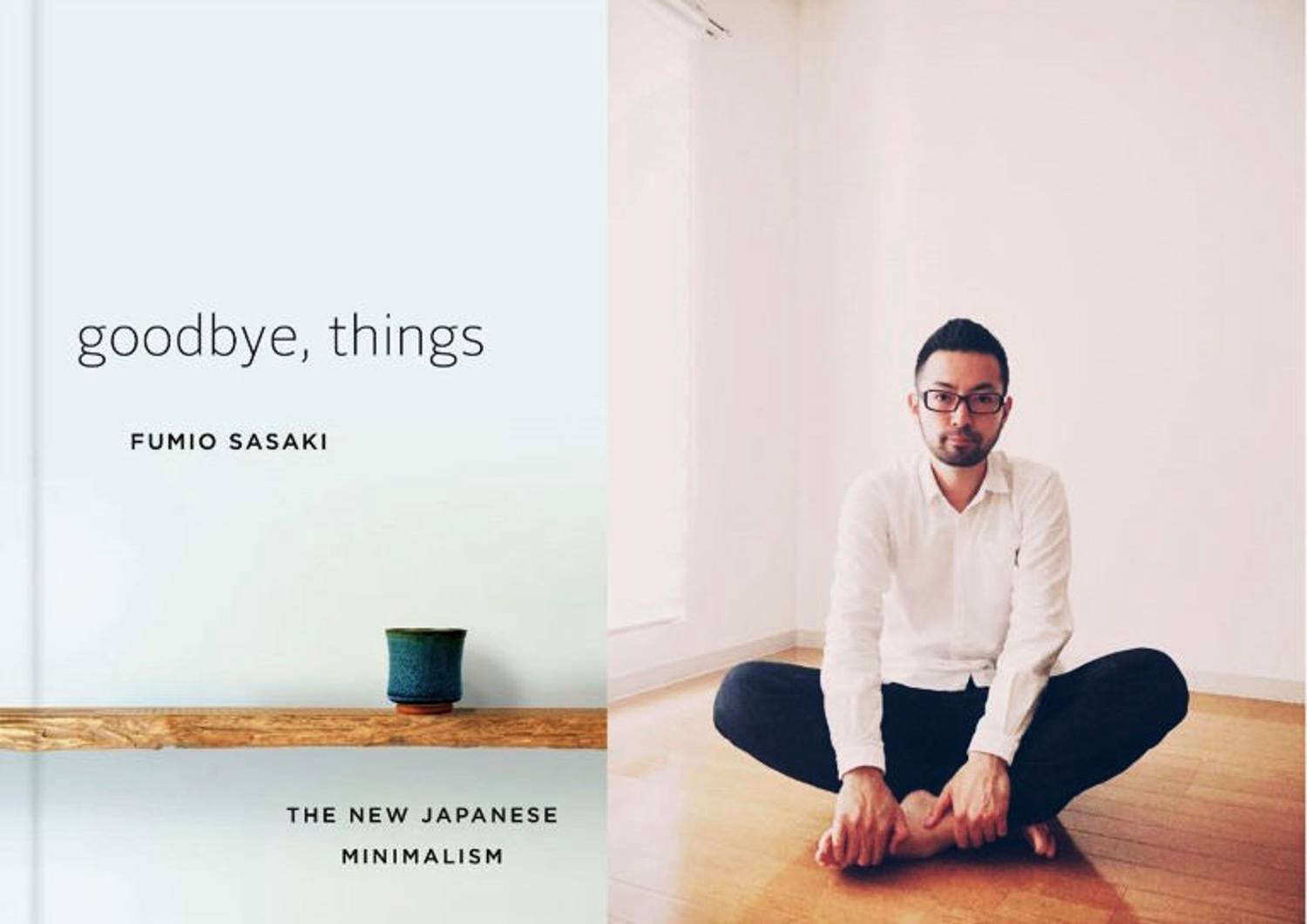
Minimalism sounds peaceful until you open the junk drawer. Suddenly, your dreams of a serene, sunlit apartment are being held hostage by expired coupons, mystery batteries, and a charging cable for a device that probably retired during the Obama administration. That is exactly why Fumio Sasaki, author of Goodbye, Things: The New Japanese Minimalism, feels so refreshing. He does not sell minimalism as a designer aesthetic or a contest to see who can survive with one spoon and heroic cheekbones. He presents it as a practical way to stop letting objects boss you around.
Sasaki’s message is simple but quietly radical: own less so you can notice more. Less cleaning. Less comparison. Less guilt. Less of that strange modern hobby where we buy storage bins for things we forgot we owned. In Goodbye, Things, he describes his own shift from a cluttered apartment filled with books, gadgets, and collectibles to a pared-down life where his belongings no longer demanded constant attention. The point was not to become empty. The point was to become availableto time, health, work, relationships, and joy.
This guide blends Sasaki’s minimalist advice with practical decluttering strategies, behavioral psychology, and real-life examples for people who want a simpler home without becoming a monk in designer linen. Let’s say goodbye to thingspolitely, responsibly, and with fewer emotional negotiations over old T-shirts.
What Minimalism Really Means
Minimalism is not about owning the fewest possible items. It is about owning the right items. Sasaki defines minimalism as reducing possessions to what is necessary and removing excess so you can focus on what matters most. That distinction matters because “less” by itself can become another form of obsession. A person with five items can still be anxious, performative, and weirdly smug about their fork. A healthy minimalist lifestyle is not a trophy; it is a tool.
Think of minimalism as editing. A good editor does not delete every sentence. A good editor removes what weakens the story. Your home is the same. The goal is not to create a blank showroom where no one dares to sit down. The goal is to remove the objects, habits, purchases, and visual noise that distract from the life you actually want to live.
Why Sasaki’s Approach Works
What makes Sasaki’s advice powerful is that he begins with ordinary dissatisfaction. Before minimalism, he describes feeling stuck, comparing himself with others, drinking too much, buying things to patch emotional discomfort, and living in a space that reflected his inner fog. That honesty matters. Many people do not accumulate clutter because they are lazy. They accumulate it because objects can become souvenirs of ambition, proof of identity, comfort after stress, or silent apologies to the self.
Sasaki realized that possessions often come with invisible costs. Every object needs space, care, cleaning, maintenance, decisions, and sometimes emotional defense in court: “But I might use this fondue set if I suddenly become the type of person who hosts Swiss-themed dinner parties.” Minimalism works because it reduces those tiny background demands. When the home becomes easier to manage, the mind often feels less crowded too.
The First Rule: Start With Your Why
Before you declutter a single sock, ask one question: What do I want more room for? More sleep? More focus? More money? More creativity? More family time? A calmer bedroom? A kitchen counter that does not look like a paper avalanche had a meeting with a toaster?
Your “why” gives decluttering a purpose beyond tidiness. Without it, you are just moving objects from one pile to another with the haunted expression of someone trapped in a home-improvement montage. With it, every decision becomes easier. You are not merely throwing away a broken lamp. You are choosing a calmer living room. You are not donating five jackets. You are choosing a closet that does not attack you before breakfast.
Start Small, Because Motivation Is a Flaky Roommate
One of the biggest mistakes beginners make is trying to declutter the entire home in one heroic weekend. This usually ends with twelve piles on the floor, a half-empty closet, and a person lying on the rug whispering, “I have made a mistake.” Sasaki’s approach supports steady action. Start today, but start small.
Try the 15-Minute Minimalist Reset
Choose one small zone: a nightstand, one drawer, one bathroom shelf, one section of the closet. Set a timer for 15 minutes. Remove everything. Keep only what you use, love, or genuinely need. Put those items back neatly. Place the rest into three categories: donate, recycle, and discard. Then stop. This keeps the process from becoming emotionally dramatic. We are decluttering, not filming a survival documentary.
Use Sasaki’s “Goodbye” Mindset
The title Goodbye, Things is not accidental. Sasaki encourages people to thank objects for their service and let them go. That may sound a little sentimental, but it solves a real problem: guilt. Many people keep things not because they need them, but because discarding them feels disrespectful, wasteful, or like admitting a past purchase was foolish.
Here is the truth: keeping an unused object does not recover the money you spent. It only charges you rent in space, attention, and stress. If the item can help someone else, donation is often more respectful than storage. If it is broken beyond repair, responsible recycling or disposal is kinder than turning your home into a retirement village for dead electronics.
Declutter by Category, Not by Vague Panic
When your home feels overwhelming, do not wander around grabbing random objects. That turns decluttering into emotional whack-a-mole. Instead, work by category. Categories help your brain compare similar items and make cleaner decisions.
Good Beginner Categories
Start with clothes, duplicate kitchen tools, books you will not reread, old paperwork, expired toiletries, unused cables, decorative objects, and hobby supplies from hobbies you apparently abandoned in 2019. Avoid sentimental items at first. Photos, letters, childhood objects, and gifts require more emotional energy. Build your decluttering muscles on easier categories before wrestling the memory dragon.
Ask Better Questions
“Could I use this someday?” is the question that built every cluttered garage in America. The answer is almost always yes. You could also someday need a pirate costume, a melon baller, and a VHS rewinder. That does not mean your hallway closet should prepare for every possible plot twist.
Use These Minimalist Questions Instead
Ask: Do I use this regularly? Would I buy it again today? Does it support the life I am actually living? Is it worth the space it occupies? Could I borrow, rent, or replace it affordably if I truly needed it later? Does this item make my daily life easier, or does it quietly nag me?
These questions shift the focus from fear to function. Minimalism is not about reckless disposal. It is about realistic ownership.
Create a Personal Uniform
Sasaki writes about the freedom of reducing decisions, including clothing decisions. A personal uniform does not mean wearing the exact same outfit every day unless that genuinely delights you. It means identifying the clothes that fit your body, your schedule, your climate, and your tasteand letting the rest go.
Most people wear a small percentage of their wardrobe most of the time. The rest is fabric-based optimism: “goal jeans,” fantasy blazers, uncomfortable shoes, and shirts that technically fit if you agree not to breathe. A minimalist wardrobe makes mornings easier because everything has already passed the test. It fits. It works. It feels like you. Bonus: laundry becomes less like a medieval punishment.
Stop Organizing What You Should Release
Storage is useful, but it can also become clutter’s public relations department. Buying more bins before decluttering is like giving a messy problem a nicer suit. The first step is not organization. The first step is subtraction.
Once you remove what you do not need, organizing becomes almost laughably easier. You may discover you do not need a complicated storage system. You may simply need fewer mugs, fewer cords, fewer “just in case” objects, and fewer tiny plastic parts whose purpose has been lost to civilization.
Minimalism and Money: Buy Less, Want Better
Minimalism naturally changes spending. When you become aware of how much energy objects require, impulse purchases lose some of their sparkle. The question shifts from “Can I afford this?” to “Do I want to take care of this?” That second question is a budget superhero in plain clothes.
A minimalist does not necessarily buy cheap things. In fact, buying fewer, better things often makes more sense. A durable pair of shoes you wear for years may be more minimalist than three uncomfortable pairs bought on sale. The goal is not deprivation. The goal is alignment: money goes toward what adds value, not toward clutter wearing a discount sticker.
Digital Minimalism Counts Too
Sasaki’s minimalist philosophy applies beyond physical objects. Your phone can be a junk drawer with a battery. Digital clutter includes unread newsletters, unused apps, chaotic photo libraries, desktop files, notification overload, and the 47 browser tabs you keep open because apparently they are now family.
Start with notifications. Turn off anything that does not require immediate action. Delete apps you do not use. Unsubscribe from emails that only tempt you to buy things. Create simple folders for important documents. Back up photos, then delete duplicates and screenshots you no longer need. A calmer digital life protects attention, which may be the most valuable minimalist space of all.
How to Handle Gifts Without Feeling Like a Villain
Gifts are emotionally tricky because they arrive wearing someone else’s affection. But keeping a gift forever is not the only way to honor the person who gave it. The gift fulfilled its purpose when it expressed love, friendship, celebration, or kindness. If the object no longer serves your life, you can release it with gratitude.
A helpful rule: do not turn your home into a museum of other people’s expectations. Keep the gifts that are useful or meaningful. Let go of the ones that make you feel guilty every time you see them. Your relationships should live in conversation, shared memories, and carenot in a cabinet full of objects you dust resentfully.
Build a “Maybe Box” for Hard Decisions
Minimalism does not require instant courage. If you are unsure about an item, place it in a labeled box with a date. Store it out of sight for 30, 60, or 90 days. If you do not miss it, use it, or remember it clearly, that is useful information. The maybe box turns emotional debate into a practical experiment.
Use this carefully. The maybe box should not become a long-term storage empire. It is a decision tool, not a witness protection program for clutter.
Make Minimalism Sustainable
Becoming minimalist is not a one-time purge. It is a new relationship with ownership. After the first decluttering wave, maintenance matters. Use a one-in, one-out rule for categories that tend to expand, such as clothes, books, mugs, and hobby tools. Pause before buying. Keep a donation box accessible. Review your home seasonally. Notice which items keep migrating into messy piles; clutter often gathers where a system is missing.
Most importantly, do not aim for perfection. A minimalist home still gets messy. People cook, work, study, play, get tired, and occasionally drop socks in places that suggest a small textile explosion. The difference is that a simplified home resets faster. When everything has a place and there is less of everything, cleaning becomes a short task instead of an archaeological expedition.
Common Minimalist Mistakes to Avoid
Turning Minimalism Into an Identity Contest
If you start judging people by how many possessions they own, you have missed the point and should probably go sit quietly with your one chair. Minimalism is personal. A family of five, a college student, a remote worker, and a retired traveler will all need different things.
Discarding Too Aggressively
Minimalism should create peace, not panic. If getting rid of something would cause real hardship or unnecessary expense, keep it. Wisdom beats aesthetic purity every time.
Ignoring Your Real Life
Do not copy someone else’s minimalist apartment if your life requires tools, sports gear, school supplies, medical items, pet products, or creative equipment. The right amount of stuff is the amount that supports your actual life without smothering it.
A Simple 7-Day Minimalist Starter Plan
Day 1: Clear One Surface
Choose a desk, counter, nightstand, or table. Remove everything. Return only what belongs there.
Day 2: Declutter 20 Items
Walk through your home and find 20 easy items to donate, recycle, or discard. Easy wins build momentum.
Day 3: Edit Your Wardrobe
Remove clothes that do not fit, feel good, or match your real routine.
Day 4: Simplify Your Phone
Delete unused apps, silence nonessential notifications, and clear your home screen.
Day 5: Tackle Duplicates
Look for extra mugs, spatulas, chargers, notebooks, pens, and towels. Keep the best. Release the rest.
Day 6: Create a Donation Station
Place a box or bag near an exit. When you notice something you no longer need, add it immediately.
Day 7: Reflect Before Buying
Make a 30-day list. When you want something nonessential, write it down and wait. Many desires evaporate when they are not instantly fed.
Experience Notes: What Becoming Minimalist Feels Like in Real Life
The first experience most people have with minimalism is not spiritual enlightenment. It is irritation. You pick up an object and think, “Why do I own this?” Then you pick up another and think, “Why do I own three of this?” Then you discover a drawer full of cables and briefly consider whether your home has been breeding electronics after midnight. This stage is normal. Minimalism begins with awareness, and awareness can be rude.
After the irritation comes momentum. One clear drawer makes the next drawer less intimidating. One peaceful corner makes the rest of the room look negotiable. You start to notice that many items were never loved or used; they were simply tolerated. They stayed because deciding felt harder than ignoring. Once they leave, the home feels less like a storage unit and more like a place where life can happen.
There is also an emotional surprise. Some objects are easy to release, while others seem to contain an entire autobiography. A jacket may remind you of a former job. A stack of books may represent the person you hoped to become. A kitchen gadget may carry the fantasy of a calmer, more domestic version of you who makes fresh pasta on Tuesdays. Letting go of these things can feel like letting go of possible selves. Be gentle. You are not rejecting your past. You are making room for the present.
Minimalism also changes shopping. At first, you may still feel the old pull of a sale, a trend, or a clever product promising to fix your life by Thursday. But after decluttering, every purchase looks different. You remember the work of letting go. You ask whether the item deserves a place in your home. Sometimes you buy it. Often you do not. Either way, the decision becomes more conscious.
The best part is not the clean closet, though that is lovely. The best part is the quiet confidence that comes from needing less to feel okay. You may find that you repeat outfits, cook simpler meals, keep fewer decorations, and feel no tragedy whatsoever. You may discover that empty space is not empty at all. It is breathing room. It is time returned. It is a Saturday morning without a pile of delayed decisions glaring from the corner.
Fumio Sasaki’s greatest lesson is not that everyone should live with almost nothing. It is that we should stop confusing possessions with proof of worth. A smaller life on the outside can become a larger life on the inside. And if that sounds dramatic, try clearing one drawer. Sometimes freedom begins with expired coupons and a firm goodbye.
Conclusion
Becoming a minimalist is not about punishment, perfection, or pretending you do not enjoy nice things. It is about choosing your life with more intention. Fumio Sasaki’s Goodbye, Things remains valuable because it treats minimalism as a path to clarity, not a decorating trend. When you own fewer things, you make fewer decisions, clean fewer surfaces, lose fewer minutes, and compare yourself less often. You create space for what actually matters: health, relationships, creativity, rest, meaningful work, and the underrated luxury of knowing where your keys are.
Start small. Say goodbye with gratitude. Keep what supports your real life. Release what only supports an old story, a guilty feeling, or a fantasy version of yourself who owns seven salad bowls for reasons nobody can explain. Minimalism is not the absence of personality. Done well, it is the removal of everything that gets in the way of it.
Note: This article synthesizes publicly available information from reputable book, lifestyle, psychology, home organization, and wellbeing sources, including material on Fumio Sasaki’s minimalist philosophy, decluttering research, and practical expert guidance. Research basis includes publisher information, book summaries, psychology sources, home organization experts, and studies on clutter, stress, voluntary simplicity, and wellbeing.