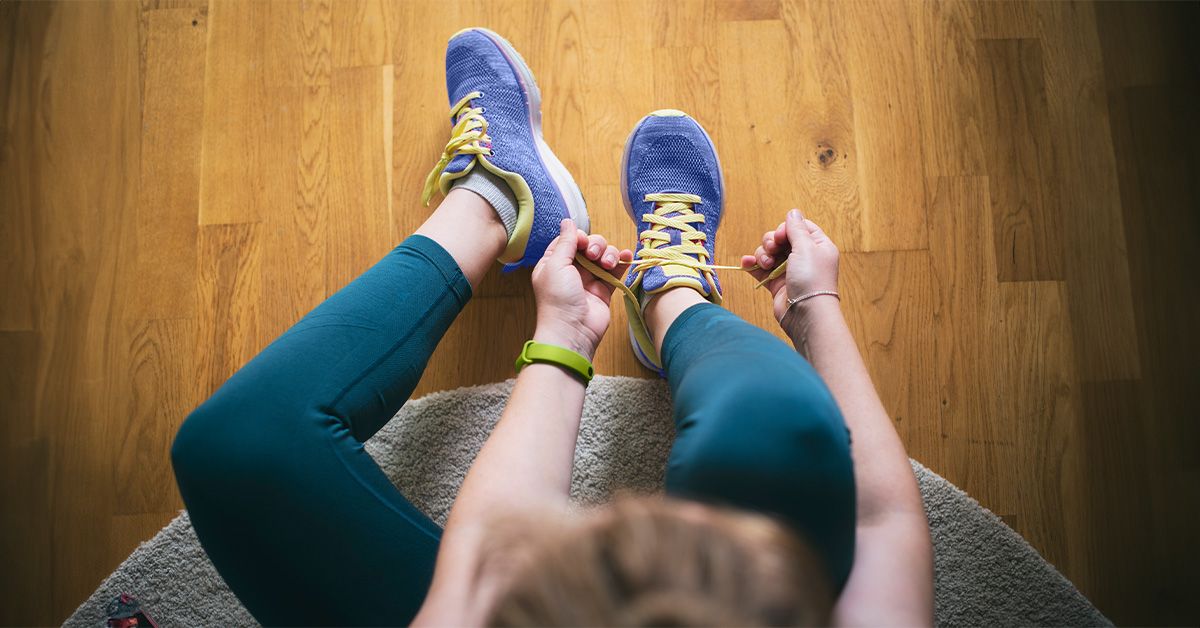
Exercise has one of the best reputations in health for a reason: it keeps earning it. Few habits can improve your mood, strengthen your heart, sharpen your brain, support your weight goals, and help you stay independent as you age all at the same time. That is a wildly efficient to-do list for something that can start with a ten-minute walk and a pair of sneakers that have seen better days.
Still, exercise is often misunderstood. Some people think it only counts if they are dripping sweat on expensive gym equipment. Others assume it is mainly about weight loss. And plenty of people believe they need a perfect routine before they begin. The truth is much friendlier. Exercise is simply planned physical activity that challenges your body enough to create useful changes over time. Those changes can happen in your heart, lungs, muscles, bones, brain, blood vessels, metabolism, sleep patterns, and even your confidence.
This guide explains the health benefits of exercise, the main types of exercise, and how exercise works inside the body. It also covers practical examples so the topic feels less like a textbook and more like something you can actually use on a Tuesday afternoon.
What Is Exercise, Exactly?
Exercise is a structured form of physical activity done with a purpose. That purpose might be improving cardiovascular fitness, building strength, increasing flexibility, reducing stress, managing blood sugar, training for a sport, or simply making it upstairs without sounding like you just climbed Everest.
Physical activity is the broader category. It includes anything that gets you moving, such as walking the dog, carrying groceries, gardening, biking to work, cleaning the house, or chasing a toddler who has decided pants are optional. Exercise is a more intentional slice of that larger pie.
Both matter. Everyday movement helps reduce the health risks of sitting too much, while planned exercise helps you develop fitness more directly. Together, they form a strong foundation for long-term health.
Health Benefits of Exercise
1. Better heart and lung health
Aerobic exercise trains your heart to pump blood more efficiently and helps your lungs deliver oxygen where it is needed. Over time, your cardiovascular system becomes more effective, which can support lower blood pressure, better stamina, and a reduced risk of heart disease and stroke. That is why activities such as brisk walking, cycling, swimming, and dancing are often recommended as core parts of a healthy routine.
2. Stronger muscles and healthier bones
Resistance training places controlled stress on muscles and bones. Your body responds by repairing and strengthening them. This can improve muscle mass, power, posture, balance, and joint support. It also matters as you get older, because maintaining strength helps preserve independence and lowers the risk of falls and frailty.
3. Improved blood sugar control and metabolic health
Exercise helps your body use glucose more effectively. When muscles contract, they pull glucose from the bloodstream for energy. Regular activity also improves insulin sensitivity, which means your body can do a better job managing blood sugar over time. This is one reason exercise is often part of strategies for preventing or managing type 2 diabetes and prediabetes.
4. Weight management support
Exercise burns energy, but its role in weight management goes beyond calorie math. It can help preserve lean muscle during fat loss, improve appetite regulation in some people, and make it easier to maintain weight over time. No, one workout does not erase an entire pizza. But regular movement absolutely helps tilt the odds in your favor.
5. Better mood and lower stress
Many people notice a mental lift after exercise, sometimes right away. Physical activity can help reduce feelings of anxiety, improve mood, and support better stress management. Part of that effect comes from brain chemistry, part comes from better sleep, and part comes from the deeply satisfying experience of finishing something that once felt hard.
6. Sharper thinking and healthier aging
Exercise supports brain health by improving blood flow, helping regulate inflammation, and encouraging processes tied to learning and memory. Regular activity is also linked with better physical function as people age. That means exercise is not only about adding years to life, but also about adding more life to those years.
7. Better sleep
Consistent exercise can help people fall asleep faster, sleep more soundly, and wake up feeling less like a haunted Victorian child. Better sleep then supports energy, recovery, emotional balance, and overall health. It is one of the most underrated benefits of moving regularly.
8. Lower risk of chronic disease
Regular exercise is associated with a lower risk of several chronic conditions, including heart disease, type 2 diabetes, and some cancers. It also supports blood pressure, cholesterol, mobility, and mental health. In public health terms, exercise is a big deal. In everyday terms, it helps your body run more like a well-maintained machine and less like a laptop with 47 tabs open.
Main Types of Exercise
A well-rounded routine usually includes more than one kind of exercise. Different types train different systems, and your body benefits from variety.
Aerobic exercise
Aerobic exercise, often called cardio, raises your heart rate and breathing for a sustained period. Examples include brisk walking, jogging, cycling, rowing, swimming, hiking, and dance classes that leave you both energized and mildly confused about your footwork. Aerobic training mainly improves cardiovascular endurance.
Strength training
Strength or resistance exercise makes your muscles work against a force. That force can come from dumbbells, kettlebells, machines, resistance bands, body weight, or very determined gravity. Examples include squats, lunges, push-ups, deadlifts, and resistance band rows. This type of training builds muscle strength, supports bone health, and can improve body composition.
Balance training
Balance exercises improve stability and body control. They are especially useful for older adults, but they help everyone. Examples include standing on one leg, heel-to-toe walking, tai chi, and certain yoga movements. Better balance can reduce fall risk and improve coordination.
Flexibility and mobility work
Flexibility exercises improve the ability of muscles to lengthen, while mobility work helps joints move through a useful range of motion. Stretching, yoga, mobility drills, and controlled warm-up movements all fit here. These activities can make daily movement feel easier and may help reduce stiffness.
Functional exercise
Functional training focuses on movements that carry over into daily life. Think sit-to-stand drills, step-ups, loaded carries, and core work that helps with lifting, reaching, bending, and climbing stairs. It is practical fitness for people who live in the real world and occasionally need to haul laundry baskets.
How Exercise Works in the Body
Exercise works because your body adapts to repeated demands. When you challenge it, it responds by getting better at handling that challenge in the future. This is one of the most impressive features of human biology: the body takes the hint.
Your heart adapts
With regular aerobic exercise, the heart becomes more efficient at pumping blood. That means each heartbeat can move more blood, which helps deliver oxygen and nutrients throughout the body. Over time, many people notice improved endurance and a lower resting heart rate.
Your muscles adapt
Strength training creates tiny amounts of stress in muscle fibers. During recovery, the body repairs those fibers and makes them stronger. Muscles also become better at using stored fuel and responding to repeated effort. This is why an exercise that felt impossible in week one can start feeling normal in week six.
Your metabolism adapts
Exercise increases energy use during activity, but it also affects how your body handles fuel afterward. Active muscles become more efficient at using glucose and fats for energy. Regular training can improve insulin sensitivity and support healthier metabolic function.
Your brain adapts
Movement affects the nervous system and the brain. Exercise can support blood flow, mood regulation, stress response, and mental sharpness. Many people describe feeling calmer, clearer, or more focused after a workout. That is not magic. It is biology doing quality work.
Your bones, joints, and connective tissue adapt
Weight-bearing and resistance exercise encourage bones to stay strong. Tendons and ligaments also respond to training loads, which can help support joint stability. The key word is gradual. Helpful stress builds resilience; too much too soon tends to build regret.
How Much Exercise Do You Need?
For most adults, a practical weekly goal is at least 150 minutes of moderate-intensity aerobic activity or 75 minutes of vigorous activity, plus muscle-strengthening exercise on at least two days each week. More activity can provide added benefits, and some movement is better than none.
Moderate intensity means you are working but can still talk. Brisk walking is the classic example. Vigorous intensity means talking becomes harder because your breathing is more challenged, such as during running or a hard cycling session.
If those numbers sound intimidating, break them down. One hundred fifty minutes a week can be 30 minutes on five days, 25 minutes on six days, or shorter chunks spread across the day. Exercise does not demand a dramatic montage. It accepts installments.
Examples of a Balanced Exercise Routine
Beginner routine
Monday: 20-minute brisk walk
Tuesday: Body-weight strength session with squats, wall push-ups, glute bridges, and light stretching
Wednesday: Rest or easy walk
Thursday: 20-minute bike ride or dance workout
Friday: Strength session
Saturday: Longer walk with hills or a swim
Sunday: Gentle mobility or yoga
Busy-person routine
Three 10-minute walks during the workweek, two 25-minute strength workouts at home, and one longer weekend activity such as hiking, tennis, or cycling. This works well for people whose calendars resemble a game of Tetris.
Tips for Starting and Sticking With Exercise
Start smaller than your ego wants
The fastest way to quit is to begin like you are training for the Olympics after two inactive years and a winter of heroic snacking. Start with something manageable. Consistency beats intensity when you are building a habit.
Choose activities you do not hate
You do not need to run if running feels like a punishment drafted by your least favorite gym teacher. Walking, swimming, cycling, dancing, strength training, yoga, pickleball, and group fitness all count. The best exercise is the one you will actually keep doing.
Progress gradually
Increase time, intensity, or resistance little by little. This lowers injury risk and gives your body time to adapt. Soreness can happen, especially at first, but sharp pain, dizziness, chest pain, or unusual shortness of breath deserve medical attention.
Build exercise into life
Park farther away, take stairs when possible, walk during calls, keep resistance bands at home, or schedule workouts like appointments. Healthy routines often stick better when they are tied to existing habits.
Common Exercise Myths
“It only counts if it is intense.”
Nope. Moderate activity has major health benefits. Brisk walking is not glamorous, but it has excellent credentials.
“Exercise is only for weight loss.”
Also no. Exercise supports heart health, mood, sleep, brain function, mobility, blood sugar, strength, and quality of life, whether the scale moves or not.
“I am too old to start.”
False again. People can benefit from becoming more active at many stages of life. The routine just needs to match the person’s fitness level, health status, and goals.
Experiences That Show How Exercise Feels in Real Life
On paper, exercise looks neat and tidy. In real life, it is messier, funnier, and much more human. A lot of people begin not because they suddenly become fitness enthusiasts, but because something in daily life starts feeling harder than it used to. A desk worker notices their back gets stiff after long meetings. A parent realizes carrying a child and groceries at the same time feels like an accidental strongman event. An older adult starts wanting better balance for stairs, curbs, and busy sidewalks. Exercise becomes less about chasing an ideal body and more about making ordinary life feel easier.
The early experiences are often humble. The first week might include sore calves from walking faster than usual, shaky legs after body-weight squats, or the discovery that five push-ups can feel deeply personal. People also learn that motivation is unreliable. Some days you feel inspired. Other days you negotiate with yourself for ten minutes and end up doing twenty once you begin. That is a surprisingly common experience: starting is the hardest part, while continuing is usually less dramatic.
Then the quiet wins start showing up. A person who begins taking daily walks may notice they sleep better within a couple of weeks. Someone doing resistance training twice a week may realize lifting laundry baskets, climbing stairs, or standing up from the floor feels easier. A beginner cyclist may find that the route that once seemed exhausting is now just moderately annoying. These changes are not flashy, but they are meaningful because they show the body adapting in ways that spill over into real life.
Exercise also has a mental side that many people do not expect until they experience it themselves. A walk after a stressful workday can act like a reset button. Strength training can create a sense of competence that carries into the rest of the day. Group classes may offer structure, accountability, and a little social energy, even for people who usually prefer to avoid coordinated enthusiasm before coffee. Over time, exercise often shifts from being a task on a checklist to a tool people use to feel steadier, stronger, and more in control.
Of course, not every exercise story is smooth. Real experiences include plateaus, skipped weeks, minor setbacks, weather problems, busy schedules, and moments of thinking, “Surely tying my shoes counts as mobility work.” What matters most is returning. People who build long-term exercise habits are usually not perfect. They are just good at restarting. They shorten the workout, change the activity, or lower the intensity instead of quitting altogether.
That is probably the most useful truth about exercise: it works best when it becomes flexible enough to survive real life. The strongest routine is not the fanciest one. It is the one that still exists during stressful weeks, holidays, travel, cold mornings, and low-energy days. In that sense, successful exercise is less like a dramatic transformation and more like a reliable relationship. It gets built through repetition, honesty, adjustment, and a little patience.
And eventually, many people reach a small but satisfying moment. They walk farther without thinking about it. They carry something heavy with confidence. They sleep more soundly. Their mood recovers faster after stressful days. They feel more at home in their own body. That is when exercise stops being just a health recommendation and starts feeling like a practical advantage in everyday life.
Conclusion
Exercise works because the body is built to adapt. Challenge your muscles, heart, lungs, and brain in smart, repeatable ways, and they respond by becoming more capable. The benefits touch nearly every part of health, from cardiovascular fitness and blood sugar control to mood, sleep, balance, and healthy aging.
You do not need a perfect routine, a trendy gadget, or superhero motivation to benefit. You need a starting point, a little consistency, and a plan that fits your actual life. Whether that means walking after dinner, lifting weights twice a week, doing yoga in your living room, or mixing all three, regular exercise is one of the most effective upgrades you can make for your health.