Note: This original article synthesizes real acrylic soaking bathtub buying, installation, care, and remodeling guidance from reputable U.S. home-improvement retailers, manufacturers, and housing publications without inserting source links.
An acrylic soaking bathtub is the bathroom equivalent of putting your phone on “Do Not Disturb” and meaning it. It is deep enough for a real soak, light enough to install in many remodels without calling in a structural engineer, and stylish enough to make an ordinary bathroom feel like it suddenly discovered spa music. For homeowners who want comfort, clean lines, and reasonable cost, acrylic has become one of the most popular bathtub materials in American bathrooms.
Unlike a standard tub built mainly for quick bathing or a tub-shower combo, a soaking tub is designed for immersion. The goal is simple: more water depth, better body support, and a slower, calmer bathing experience. Acrylic makes that idea more practical because it can be molded into freestanding, alcove, drop-in, corner, and slipper-style designs. In other words, it is flexible in both the physical and design sense.
Still, not every acrylic soaking bathtub is a magical portal to relaxation. Some are beautifully reinforced and comfortable; others look good online but feel flimsy once installed. The smart approach is to understand the material, compare tub shapes, check soaking depth, and think about installation before you fall in love with the prettiest oval tub on page one of your search results.
What Is an Acrylic Soaking Bathtub?
An acrylic soaking bathtub is usually made from vacuum-formed acrylic sheets reinforced with fiberglass or another backing material. The acrylic surface gives the tub its glossy finish, while the reinforcement helps the shell keep its shape and withstand daily use. Because acrylic is lighter than cast iron, stone, and many solid-surface materials, it is easier to move through doorways, upstairs bathrooms, and tight remodel spaces.
The “soaking” part refers to the tub’s depth and design. A typical soaking tub has a deeper basin than a basic bathtub, often with a sloped backrest, ergonomic curves, or a longer interior floor. Some models are compact but deep, while others are long enough for a full-body stretch. The best acrylic soaking bathtub is not simply the biggest one; it is the one that fits your body, bathroom layout, water heater capacity, and patience for cleaning around faucets.
Why Acrylic Is So Popular for Soaking Tubs
It Is Lightweight Compared With Many Alternatives
Acrylic tubs are much lighter than cast iron or stone tubs. That matters during delivery, installation, and remodeling. A heavy cast iron tub can be charming until someone has to carry it upstairs and everyone suddenly remembers they have knees. Acrylic makes installation more manageable, especially in second-floor bathrooms or older homes where floor support may be a concern.
It Offers Many Shapes and Styles
Acrylic is easy to mold, which means manufacturers can create everything from sleek freestanding ovals to practical alcove soaking tubs. You can find modern rectangular tubs, Japanese-style deep soaking tubs, clawfoot-inspired acrylic designs, slipper tubs with raised ends, and drop-in tubs that sit inside a tiled deck. This design flexibility is one of acrylic’s biggest advantages over more rigid materials.
It Feels Warmer to the Touch
Acrylic does not feel as cold against the skin as some metal or stone materials. That small comfort detail matters when you step into the tub on a winter evening and would prefer not to feel like you just sat on a refrigerated countertop. Acrylic also offers decent heat retention, especially when the tub is reinforced well or insulated during installation.
It Is Usually More Budget-Friendly
An acrylic soaking bathtub often costs less than cast iron, copper, natural stone, or high-end solid-surface tubs. Prices vary widely by brand, size, thickness, finish, and installation type, but acrylic gives homeowners a strong middle ground: better design options than basic fiberglass, lower weight than cast iron, and a more approachable price than luxury stone resin.
Types of Acrylic Soaking Bathtubs
Freestanding Acrylic Soaking Tubs
A freestanding acrylic soaking tub is the showpiece option. It sits independently on the bathroom floor and often becomes the visual centerpiece of the room. These tubs work beautifully in primary bathrooms, especially when paired with a floor-mounted tub filler or wall-mounted faucet. They create that “spa hotel” look without requiring the weight of stone or cast iron.
The main thing to check is space. A freestanding tub needs room around it for cleaning and visual balance. If the tub is shoved into a corner with two inches of clearance, it may still technically be freestanding, but so is a refrigerator in a dorm room. Give it breathing room if possible.
Alcove Acrylic Soaking Tubs
An alcove acrylic soaking bathtub fits between three walls. This is one of the most practical choices for smaller bathrooms and tub-shower combinations. Many American homes already have an alcove layout, making this type easier to use in replacement projects. Some alcove soaking tubs offer a deeper basin than standard builder-grade tubs while still keeping the familiar 60-inch footprint.
Drop-In Acrylic Soaking Tubs
A drop-in tub is installed into a framed deck or platform. The rim rests on the surrounding surface, creating a built-in look. This style can feel luxurious because the tub appears integrated into the room design. It also allows room for candles, bath salts, or a book you swear you will read before accidentally turning bath time into nap-adjacent time.
Undermount Acrylic Soaking Tubs
An undermount tub is similar to a drop-in tub, but the surrounding deck material covers the tub rim for a cleaner, more seamless finish. This style is elegant but usually requires more precise installation. It works best with a solid countertop-like surround and professional planning.
Japanese-Style Acrylic Soaking Tubs
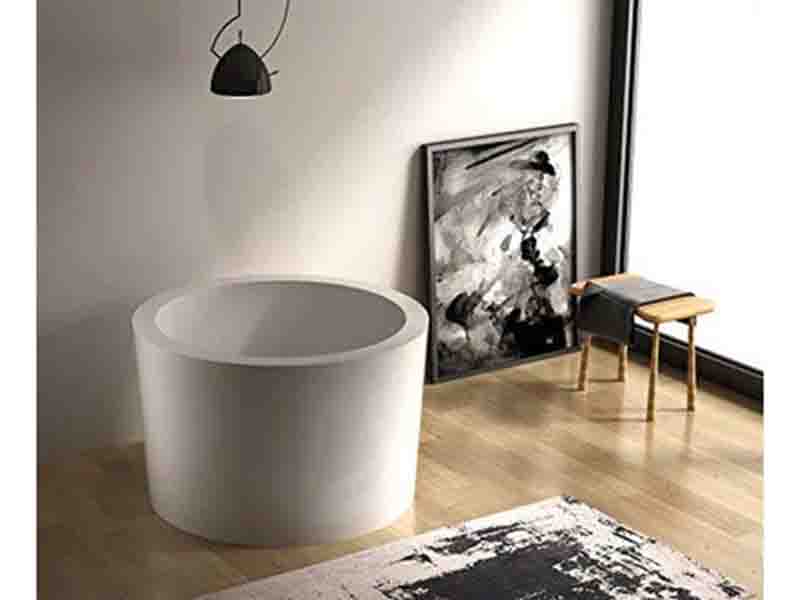
Japanese-style soaking tubs are shorter but much deeper, allowing bathers to sit upright with water reaching higher on the body. Acrylic is a practical material for these compact deep tubs because it keeps weight manageable. This type is ideal for small bathrooms where a long tub will not fit, but a deep relaxation experience is still the goal.
Acrylic Soaking Bathtub Pros and Cons
Pros
The biggest advantages of an acrylic soaking bathtub are comfort, affordability, style variety, and easier handling. Acrylic resists many common bathroom stains when cleaned properly, and its smooth surface is simple to wipe down. Small scratches can sometimes be polished out with the right products, making acrylic more forgiving than some surfaces.
Acrylic also works well for homeowners who want a deep tub without a dramatic remodel. Because it is lightweight, it can be a smart option when replacing an existing tub, upgrading a guest bath, or adding a freestanding feature to a primary suite.
Cons
Acrylic is durable, but it is not indestructible. Abrasive cleaners, gritty sponges, harsh chemicals, and careless use can scratch or dull the surface. Lower-quality acrylic tubs may flex, discolor, or feel less solid underfoot. Acrylic also may not last as long as cast iron or stone, especially in a busy household where the tub doubles as a dog-washing station, laundry basin, and occasional toy boat harbor.
Another consideration is water depth versus water heater capacity. A large soaking tub may look dreamy, but if your water heater cannot fill it comfortably with hot water, your luxurious soak may become a lukewarm negotiation.
How to Choose the Best Acrylic Soaking Bathtub
Check the Soaking Depth
Soaking depth is one of the most important measurements. Do not rely only on exterior dimensions. A 60-inch tub can still feel shallow if the internal basin is not designed for soaking. Look for the water depth to overflow, interior length, backrest angle, and lumbar support. A soaking depth around 14 to 16 inches may work for many people, while deeper tubs can offer a more immersive experience.
Measure Your Bathroom Carefully
Measure the available floor space, doorways, stairways, plumbing location, and clearance around the tub. For freestanding models, leave enough room to clean behind and around the tub. For alcove models, confirm whether the drain is left-hand, right-hand, or reversible. One wrong drain location can turn an exciting remodel into a plumbing-themed puzzle nobody asked to solve.
Look for Reinforced Construction
A quality acrylic soaking bathtub should feel stable and well-supported. Look for reinforced fiberglass backing, a sturdy base, and clear installation instructions. Some tubs include an integral support base, while others may need a mortar bed or additional support beneath the floor of the tub. Proper support helps prevent flexing, creaking, and long-term stress on the shell.
Consider the Tub Shape
Oval tubs are soft and modern, rectangular tubs feel architectural, slipper tubs support reclining, and deep compact tubs are excellent for smaller spaces. Choose the shape based on how you actually bathe. If you like leaning back, backrest angle matters. If you are tall, interior length matters. If you enjoy sitting upright, a deeper compact tub may be better than a long shallow one.
Think About Faucet Placement
Freestanding tubs may require a floor-mounted faucet, wall-mounted filler, or deck-mounted hardware depending on the model. Alcove and drop-in tubs may use more traditional plumbing arrangements. Always confirm faucet compatibility before purchasing the tub. The most beautiful bathtub in the world is less useful if filling it requires a garden hose and optimism.
Acrylic vs. Fiberglass, Cast Iron, and Porcelain
Acrylic and fiberglass are often compared because both are lightweight and relatively affordable. Fiberglass is typically less expensive, but acrylic usually feels sturdier, looks glossier, and performs better over time when properly maintained. Acrylic is also more resistant to everyday wear than many basic fiberglass tubs.
Cast iron is the heavyweight champion of bathtub materials. It is extremely durable and holds heat well, but it is expensive, very heavy, and more complicated to install. Porcelain-enameled steel is affordable and durable in some ways, but it can chip, feel colder, and be noisier than acrylic. Solid-surface and stone resin tubs offer a luxury look and substantial feel, but they usually cost more and weigh more.
For many homeowners, acrylic wins because it balances comfort, cost, style, and practical installation. It is not the most luxurious material on earth, but it is one of the most sensible choices for a modern soaking bathtub.
Installation Tips for an Acrylic Soaking Bathtub
Installation depends on the tub style, but several rules apply to most acrylic soaking tubs. First, the floor must be level and strong enough to support the filled tub plus the bather. Water is heavy, and a large soaking tub can hold many gallons. Second, the tub base must be supported according to the manufacturer’s instructions. Some acrylic tubs should not hang from the rim or rely only on feet for support.
For alcove tubs, the framing must be accurate, the drain must align, and the wall materials should be water-resistant. For freestanding tubs, the floor drain and faucet location need careful planning before finished flooring goes down. For drop-in and undermount tubs, the deck must be built square, stable, and accessible for future plumbing service.
Professional installation is usually the safest choice unless you have real plumbing and remodeling experience. A bathtub is not just furniture; it is furniture that holds a small pond inside your house. Leaks, poor support, and bad drain connections can become expensive quickly.
How to Clean and Maintain an Acrylic Soaking Bathtub
Acrylic care is simple, but it rewards gentleness. Use a soft cloth or sponge, warm water, and mild liquid cleaner. Avoid abrasive powders, steel wool, scouring pads, harsh solvents, and aggressive bathroom chemicals unless the manufacturer specifically says they are safe for acrylic. After each bath, a quick rinse and wipe-down can help prevent soap film, mineral deposits, and dullness.
For stubborn residue, use a non-abrasive cleaner approved for acrylic surfaces. If your tub develops minor dull spots or light scratches, some manufacturers recommend a suitable polishing compound, but always check the care guide first. The wrong product can make a small scratch look like it invited friends.
Also pay attention to bath products. Oils, colorful bath bombs, and heavily pigmented soaps can leave residue if they sit too long. That does not mean you must give up the fun stuff; just rinse the tub afterward. Your future self, holding a sponge on a Sunday morning, will appreciate the courtesy.
Design Ideas for an Acrylic Soaking Bathtub
Acrylic soaking tubs work with many bathroom styles. In a modern bathroom, pair a white oval freestanding tub with matte black fixtures, large-format tile, and a floating vanity. In a transitional bathroom, combine a rectangular soaking tub with brushed nickel hardware, warm wood cabinetry, and soft neutral walls. For a spa-inspired space, use natural textures such as teak stools, woven baskets, stone-look tile, and warm lighting.
If your bathroom is small, consider an alcove soaking tub with a glass shower screen instead of a shower curtain. This keeps the room open while adding soaking comfort. If you have a larger primary bathroom, place a freestanding tub near a window, but think carefully about privacy. Relaxation loses points when the neighbors accidentally become part of the design plan.
Common Mistakes to Avoid
One common mistake is choosing a tub based only on exterior length. Interior dimensions are more important for comfort. Another mistake is ignoring the overflow depth. A tub can look deep from the outside but still provide a disappointing water level. Homeowners also sometimes forget to check water heater capacity, faucet flow rate, and drain placement.
Buying the cheapest acrylic tub available can also backfire. A bargain tub may save money upfront but feel thin, flex under weight, or lose its finish faster. Look for a reputable brand, clear warranty, reinforced structure, and strong reviews that mention comfort, stability, and easy cleaning.
Real-Life Experiences With an Acrylic Soaking Bathtub
Living with an acrylic soaking bathtub is often a lesson in small luxuries. The first thing many homeowners notice is not the glossy finish or the stylish shape, but the simple fact that the tub does not feel icy when you step in. That matters more than it sounds. A warm-to-the-touch surface makes the bath feel inviting before the water even reaches your ankles.
In everyday use, acrylic is wonderfully low-drama when treated kindly. A quick rinse after bath oils, bubble bath, or shampoo keeps the surface looking bright. Families often appreciate that the tub is easier to clean than textured tile surrounds or older porcelain surfaces with worn enamel. A soft sponge and mild cleaner usually handle normal soap film. There is no need to attack the tub like it personally offended your ancestors.
Comfort varies by model, and this is where showroom testing helps. Some acrylic soaking tubs look stunning but have a backrest angle that feels awkward after ten minutes. Others look plain but support the shoulders and lower back beautifully. The best experience usually comes from choosing a tub based on the body, not just the brochure. Sit in the dry tub if possible. Yes, it feels a little silly in a showroom. No, it is not as silly as buying a tub you dislike for the next decade.
For homeowners replacing an old shallow bathtub, the upgrade can feel dramatic. A deeper acrylic alcove tub can turn a standard bathroom into a much more relaxing space without changing the entire footprint. In apartments, condos, and older homes, acrylic’s lighter weight can make the project more realistic than installing a cast iron tub. Remodelers also like that acrylic tubs are available in many drain configurations and sizes, which helps when existing plumbing cannot easily move.
The main experience-related complaint is scratching. Acrylic can stay beautiful for years, but it does not love abrasive pads, gritty dirt, or metal objects dragged across the surface. If pets are bathed in the tub, use a protective mat and rinse away sand or grit first. If children use bath toys, avoid anything with sharp edges. If someone in the house believes every cleaning problem can be solved with a scouring pad, gently hide the scouring pads.
Another real-world issue is water temperature. Larger soaking tubs need more hot water than standard tubs. A homeowner may adore a 70-gallon freestanding beauty until they discover their water heater gives up halfway through filling it. The best experience comes from matching tub capacity with the home’s plumbing reality. A slightly smaller tub filled properly is better than a giant tub filled with regret and lukewarm water.
Overall, an acrylic soaking bathtub works best for people who want comfort, style, and practical maintenance without paying luxury-material prices. It gives the bathroom a calming focal point, encourages slower routines, and adds a daily-use feature that feels genuinely personal. It is not the fanciest material in the universe, but it may be the one that actually fits your home, budget, and bathing habits.
Conclusion
An acrylic soaking bathtub is a smart choice for homeowners who want a deeper, more relaxing bath without the weight, cost, or installation challenges of heavier materials. It offers excellent design flexibility, comfortable warmth, manageable maintenance, and a wide range of styles for both small bathrooms and spacious primary suites.
The key is to shop carefully. Focus on soaking depth, reinforced construction, interior comfort, drain location, faucet compatibility, and water heater capacity. Choose the tub that fits your life, not just your Pinterest board. With proper installation and gentle cleaning, a quality acrylic soaking bathtub can become one of the most enjoyable upgrades in the entire home.