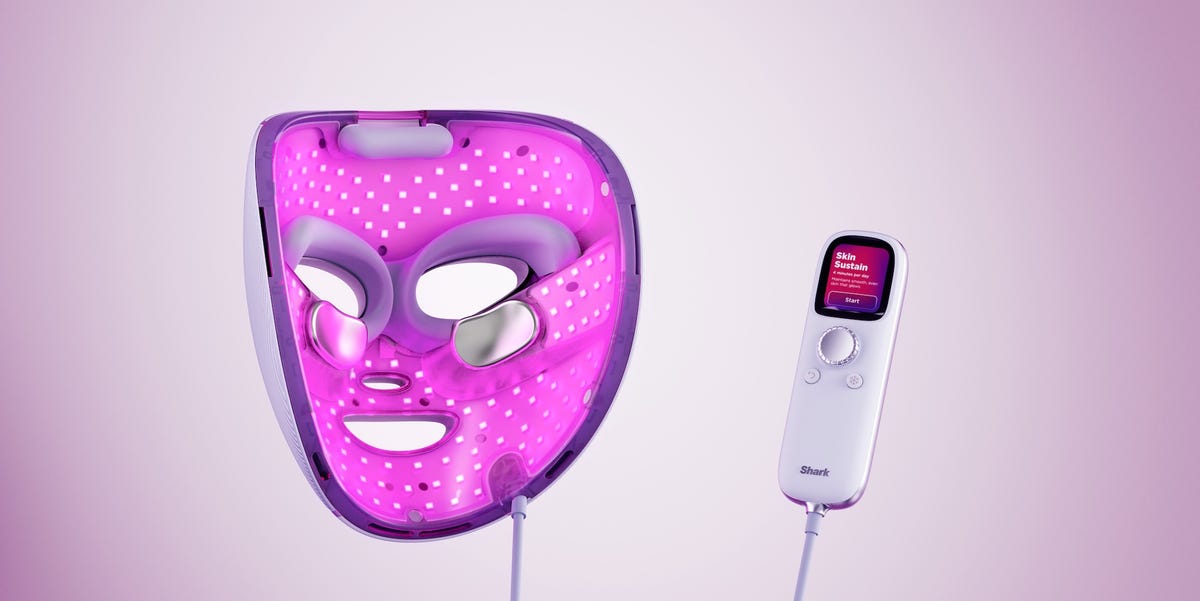
At-home LED masks have officially entered the “is this skin care or am I preparing to land a spaceship?” era. Once seen mostly in dermatologist offices, LED light therapy masks are now sitting on bathroom shelves next to cleansers, serums, moisturizers, and that one lip balm nobody can ever find. They promise smoother texture, calmer breakouts, brighter tone, and a more refreshed-looking faceall without needles, downtime, or pretending a sheet mask did not just slide into your mouth.
But here is the grown-up skincare question: do at-home LED masks actually work, or are they just expensive mood lighting for your cheekbones? The honest answer is: they can help, but they are not magic. LED masks are best viewed as a steady, low-drama support tool for skin health. They may improve the look of fine lines, mild acne, redness, dullness, and uneven texture when used consistently and correctly. They will not replace sunscreen, prescription acne treatment, retinoids, professional procedures, or sleep. Sadly, no mask has yet been cleared to replace sleep. Science remains cruel.
This guide breaks down how at-home LED masks work, what the different light colors mean, who should use them, who should be careful, how to choose a device, and what results are realistic. Consider it your friendly roadmap before you spend serious money on a face gadget that makes you look like a glamorous cyborg.
What Is an At-Home LED Mask?
An at-home LED mask is a wearable skincare device that uses light-emitting diodes, or LEDs, to expose the skin to specific wavelengths of visible or near-infrared light. Unlike tanning beds, properly designed LED skincare devices do not use ultraviolet light. That matters because UV light is the type associated with sunburn, premature aging, and skin cancer risk. LED therapy is different: it uses targeted light energy at controlled wavelengths to influence skin processes without intentionally damaging the surface of the skin.
Most LED masks are shaped like a flexible or hard-shell face covering. Some strap around the head, some rest over the face, and some include separate neck or chest panels. Treatment sessions are usually short, often around 3 to 20 minutes depending on the device. The idea is not to blast your face into obedience. The idea is repeated, gentle exposure over time.
How LED Light Therapy Works
LED light therapy is often described through a process called photobiomodulation. In plain English, this means light energy interacts with cells and may help support natural skin functions. Different wavelengths reach different depths and trigger different effects. Red and near-infrared light are commonly used for visible signs of aging and inflammation, while blue light is commonly used for acne-prone skin.
The key word is “support.” LED masks do not peel the skin like a chemical exfoliant, relax muscles like Botox, or resurface texture like a professional laser. They are slower and subtler. Think of them as a gym membership for your skin cells: potentially useful, but only if you actually show up.
Red Light: The Anti-Aging Favorite
Red light is the most popular wavelength in at-home LED masks. It is often marketed for fine lines, wrinkles, firmness, dullness, redness, and overall skin rejuvenation. Red light typically falls around the 630 to 660 nanometer range, depending on the device.
Why does everyone talk about red light? Because it is believed to interact with skin cells involved in repair and collagen production. Collagen is the structural protein that helps skin look firm and smooth. As we age, collagen production naturally slows down. Sun exposure, pollution, smoking, stress, and inconsistent skincare can speed up that process. Red light may help encourage a healthier-looking surface by supporting skin recovery and reducing visible inflammation.
That does not mean a red LED mask will erase deep wrinkles overnight. If a product promises “ten years younger by Tuesday,” please escort it politely to the marketing penalty box. Realistic benefits are usually more modest: softer-looking lines, better glow, smoother texture, and a calmer appearance with steady use.
Near-Infrared Light: The Quiet Overachiever
Near-infrared light is often paired with red light in higher-end LED masks. It is usually invisible or barely visible to the eye and can penetrate more deeply than red light. Common near-infrared wavelengths in skincare devices include around 830 to 850 nanometers.
Near-infrared light is often used to support skin recovery, circulation, and overall rejuvenation. In cosmetic LED masks, it is usually promoted for firmness, texture, and post-stress skin support. When a mask combines red and near-infrared wavelengths, it is typically aimed at users who want anti-aging and skin-repair benefits rather than only acne care.
Blue Light: The Acne-Fighting Color
Blue light is best known for acne support. It is commonly used around the 415 nanometer range and is thought to target acne-related bacteria on the skin’s surface. For people with mild to moderate inflammatory acne, blue light may help reduce breakouts when used consistently.
However, blue light deserves extra respect. It is more energetic than red light and sits closer to the high-energy end of the visible light spectrum. That does not automatically make it dangerous, but it does mean eye protection and proper use matter. If your device includes blue light, follow the instructions exactly, use any included eye shields, and do not stare into the LEDs like you are trying to win a blinking contest with a robot.
Other LED Colors: Green, Yellow, Purple, and the Rainbow Parade
Some LED masks offer green, yellow, orange, purple, or even multi-color modes. These lights are often marketed for redness, pigmentation, calming, brightening, or “balancing” the skin. The problem is that the strongest consumer evidence tends to be for red, near-infrared, and blue wavelengths. Other colors may have potential, but claims can be less consistent and more brand-dependent.
If you are buying your first at-home LED mask, do not be dazzled by rainbow mode alone. A device with well-studied red, near-infrared, or blue wavelengths, clear safety information, and realistic instructions is usually more meaningful than one that looks like a nightclub for pores.
What Skin Concerns Can At-Home LED Masks Help With?
Fine Lines and Wrinkles
Red and near-infrared LED masks may help soften the look of fine lines over time. The effect is usually gradual. Users often notice glow and smoother texture before they notice wrinkle changes. Deep folds, sagging, and major sun damage usually require stronger professional treatments if dramatic improvement is the goal.
Mild Acne
Blue light, red light, or combination blue-red devices may help reduce mild to moderate acne. Blue light targets acne-related bacteria, while red light may help calm visible inflammation. LED therapy is often best used as part of a complete acne routine, not as a solo superhero. Cleansing, noncomedogenic moisturizer, sunscreen, and dermatologist-recommended treatments still matter.
Redness and Inflammation
Red light may help skin look calmer, especially for people dealing with occasional redness or irritation. However, people with rosacea, eczema, melasma, or highly reactive skin should be cautious and ideally talk with a dermatologist before starting. Some skin conditions respond well to light-based care; others can flare when exposed to certain wavelengths or heat.
Dullness and Uneven Texture
Many users like LED masks because the skin can look more refreshed after consistent use. This glow is usually subtle, not “I drank eight green juices and moved to a mountain” dramatic. LED therapy may support a smoother-looking complexion, especially when paired with a simple, barrier-friendly skincare routine.
What At-Home LED Masks Cannot Do
At-home LED masks are useful, but they have limits. They cannot remove severe acne scars, cure cystic acne, lift loose skin, erase deep pigmentation, replace sunscreen, or cancel out years of sun exposure. They also cannot make a poor skincare routine suddenly behave. If you use an LED mask but skip sunscreen, over-exfoliate, sleep in makeup, and pick at breakouts, the mask is basically trying to clean a kitchen while someone is making nachos on the floor.
For serious acne, sudden skin changes, suspicious moles, painful rashes, or persistent irritation, see a board-certified dermatologist. A mask is a tool, not a diagnosis.
Are At-Home LED Masks Safe?
For many people, at-home LED masks are generally considered low-risk when used as directed. They are noninvasive, do not intentionally wound the skin, and do not use UV light. Still, “low-risk” does not mean “zero rules.” The most important safety issues involve the eyes, photosensitivity, device quality, and overuse.
Eye Safety Comes First
Eye protection is not optional decoration. Some masks are designed with built-in eye shields, while others recommend keeping the eyes closed or using protective goggles. This is especially important for devices that include blue light or bright multi-wavelength settings. If a mask feels painfully bright, causes visual discomfort, or gives you headaches, stop using it and review the instructions.
Photosensitivity Matters
Certain medications, skincare ingredients, and medical conditions can make skin more sensitive to light. People using photosensitizing medicines, strong acne prescriptions, or aggressive exfoliating routines should ask a healthcare professional before starting LED therapy. The same goes for anyone with a history of seizures triggered by light, eye disease, recent eye surgery, lupus, melasma, skin cancer, or unusual light sensitivity.
More Is Not Better
One of the most common mistakes is using the mask too often or for too long. If the instructions say 10 minutes, do not turn it into 40 minutes because you are “committed.” That is not commitment; that is chaos in a head strap. Overuse can lead to irritation, dryness, redness, or discomfort.
FDA-Cleared vs. FDA-Approved: What the Label Really Means
When shopping in the United States, look carefully at regulatory language. Many reputable LED masks are described as FDA-cleared, not FDA-approved. FDA clearance usually means the device went through a pathway showing it is substantially equivalent to a legally marketed device for a specific intended use. FDA approval is a different and more demanding category typically associated with higher-risk devices or drugs.
For consumers, the practical takeaway is simple: “FDA-cleared” is a useful sign, but it is not a magic guarantee that the mask will transform your skin. Read the exact claims, check the intended use, review safety warnings, and avoid brands that toss around medical-sounding promises without evidence.
How To Choose the Best At-Home LED Mask
1. Match the Wavelength to Your Goal
For fine lines, dullness, firmness, and texture, look for red light and near-infrared light. For acne-prone skin, consider blue light or a blue-red combination device. If a mask lists only vague “light technology” without wavelengths, keep shopping.
2. Look for FDA Clearance
Choose a device with clear regulatory information, especially if it makes acne, wrinkle, or therapeutic claims. Reputable brands should be transparent about clearance, safety testing, treatment time, wavelengths, and contraindications.
3. Check Fit and Comfort
A mask that does not fit your face will become a very expensive drawer ornament. Flexible silicone masks tend to fit a variety of face shapes, while rigid masks may feel roomier but less customized. Consider weight, straps, eye openings, and whether you can breathe comfortably while wearing it. Breathing remains fashionable.
4. Review Treatment Time
Some masks require only a few minutes; others need longer sessions. Pick a device that fits your actual life. If you know you will not sit still for 20 minutes, choose a shorter treatment option. Consistency beats fantasy.
5. Avoid Unrealistic Claims
Be skeptical of claims like “permanent facelift,” “instant acne cure,” or “dermatologist results in one use.” Good LED therapy is slow, cumulative, and supportive. If the marketing sounds like it was written by a caffeinated wizard, proceed carefully.
How To Use an At-Home LED Mask Correctly
Start with clean, dry skin. Remove makeup, sunscreen, and heavy oils so the light can reach the skin evenly. Use the mask for the recommended time only. Most people use LED masks several times per week, depending on the device. After treatment, apply a gentle serum or moisturizer. In the morning, always finish with broad-spectrum sunscreen.
Keep your routine simple around LED sessions. A calming cleanser, hydrating serum, moisturizer, and sunscreen are usually enough. If you use strong exfoliating acids or retinoids, avoid layering too many irritating products on the same night until you know how your skin responds.
When Will You See Results?
Some people notice a temporary glow after the first few sessions. More meaningful changes usually take weeks to months. Acne improvement may appear after several weeks of steady use. Fine lines and texture changes often take longer. The best results usually come from using the mask consistently according to directions, not from one heroic session before a wedding, reunion, or video call with suspiciously good lighting.
Take photos in the same lighting every two to four weeks. Skin changes are hard to judge day by day. Without photos, you may miss progress or blame the mask unfairly. Bathroom lighting is dramatic and cannot be trusted.
Who Should Avoid or Be Careful With LED Masks?
People with significant eye conditions, light-triggered seizures, active skin cancer, a history of skin cancer, lupus, melasma, severe rosacea, unusual photosensitivity, or recent facial procedures should speak with a healthcare professional before using an LED mask. Pregnant users should also ask their clinician, not because LED masks are automatically known to be dangerous, but because medical guidance should be individualized.
If your skin burns, stings, becomes very red, develops a rash, or feels worse after use, stop. Skincare should not feel like a negotiation with a tiny sun.
At-Home LED Masks vs. Professional LED Treatments
Professional LED treatments usually use stronger equipment, controlled settings, and expert supervision. At-home masks are more convenient and less expensive per session over time, but they are generally less powerful. A dermatologist can also combine LED therapy with acne care, peels, lasers, microneedling, or prescription treatments when appropriate.
If you want subtle maintenance and convenience, an at-home LED mask can make sense. If you want dramatic correction for deep wrinkles, severe acne, scarring, or pigmentation, professional guidance is the better starting point.
Common Mistakes To Avoid
Using It Randomly
LED therapy rewards routine. Using it once every three weeks and expecting a transformation is like watering a plant once and demanding a rainforest.
Skipping Sunscreen
Red light may support healthier-looking skin, but sunscreen prevents damage. If your goal is anti-aging, daily sunscreen is still the main character.
Buying Only for Celebrity Hype
A celebrity wearing a glowing mask on Instagram does not prove it is right for your skin. Check the wavelengths, clearance, safety features, and return policy.
Ignoring Irritation
Redness, discomfort, headaches, or eye symptoms are signs to pause. Do not push through because the device was expensive. Your skin does not care what your credit card suffered.
Real-World Experience: What Using an At-Home LED Mask Is Actually Like
The first experience with an at-home LED mask is rarely glamorous. You wash your face, strap on the device, press the button, and suddenly look like a futuristic hockey goalie with a skincare subscription. The treatment itself is usually painless. Most masks feel warm only slightly, if at all. The bigger adjustment is learning how to make it part of your routine without turning your evening into a science fair.
In real life, the easiest way to stay consistent is to connect LED mask time with something you already do. Some people use it after brushing their teeth. Others wear it while listening to a podcast, folding laundry, or sitting dramatically on the couch like a villain waiting for smoother skin. The session is short, but the habit matters. A mask used four times a week for ten minutes is more useful than a mask used once, photographed, and abandoned next to expired sheet masks.
The first visible change many users describe is not fewer wrinkles; it is a fresher look. Skin may appear a little calmer, less tired, or more even after a few weeks. Acne-prone users may notice that some breakouts look less angry, especially when using blue-red combination devices alongside a steady acne routine. People focused on anti-aging may need more patience. Fine lines do not pack up and leave after three sessions. They are stubborn little tenants.
The most common disappointment comes from expecting professional-level results from a home device. At-home LED masks are intentionally designed to be lower intensity than many in-office treatments. That makes them convenient and safer for regular consumer use, but it also means the payoff is gradual. If your goal is a lifted jawline, erased sun spots, or major scar revision, an LED mask alone will probably underwhelm you. If your goal is better maintenance, glow, mild acne support, and a calmer-looking complexion, the experience is more satisfying.
Comfort also matters more than people expect. A mask can have excellent technology, but if it pinches your nose, presses on your eyes, slips down your face, or makes you feel trapped, you will not use it. Before buying, look at reviews that mention fit, weight, straps, battery life, charging, and eye comfort. A slightly less famous mask that fits well may beat a viral one that makes you count every second.
The best user experience comes from realistic expectations: clean skin, consistent schedule, proper eye protection, gentle products, daily sunscreen, and progress photos. Treat the LED mask like a supportive teammate, not the entire skincare team. When used wisely, it can be a surprisingly pleasant ritualpart skincare, part self-care, part “please do not answer the door while wearing this.”
Conclusion
At-home LED masks can be a smart addition to a modern skincare routine, especially for people interested in mild acne support, smoother texture, calmer-looking skin, and gradual anti-aging benefits. Red and near-infrared light are the main choices for fine lines, firmness, and rejuvenation, while blue light is most often used for acne-prone skin. The best results come from consistency, realistic expectations, and choosing a device with transparent wavelengths, safety features, and FDA clearance where relevant.
Still, LED masks are not miracle machines. They work best as part of a complete routine that includes cleansing, moisturizing, sunscreen, and professional care when needed. Use the mask as directed, protect your eyes, avoid overuse, and listen to your skin. If a device makes you feel uncomfortable or your skin reacts badly, stop and reassess. The goal is healthier-looking skin, not winning a staring contest with technology.
In short, an at-home LED mask can be worth it if you understand what it can and cannot do. It is not a facelift in a box. It is not an acne cure-all. But for the right person, with the right device and routine, it can be a helpful little glow machineone that happens to make you look like you are about to command a very stylish spaceship.