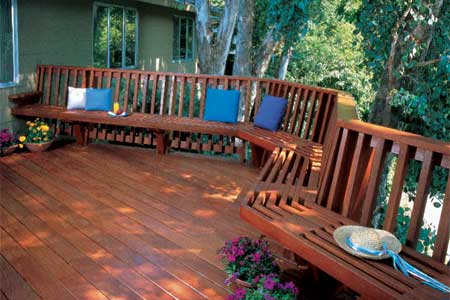
Your deck is more than a few boards attached to the back of the house. It is the neighborhood barbecue headquarters, the morning coffee zone, the “I just need five minutes of peace” sanctuary, and occasionally the stage for someone’s questionable attempt at patio furniture assembly. Because it works so hard, your deck deserves real protectionnot just a quick sweep before guests arrive.
Deck defense is the smart, steady practice of protecting your outdoor space from moisture, sun damage, mold, rot, pests, loose fasteners, fading, scratches, stains, and unsafe structural wear. Whether you have a classic pressure-treated wood deck, cedar, hardwood, composite decking, PVC boards, or a hybrid outdoor living area with railings, stairs, lighting, and furniture, the goal is the same: keep it beautiful, safe, and ready for real life.
The good news? Protecting a deck does not require wizardry, a contractor’s license, or a garage full of mysterious liquids labeled “professional grade.” It requires a seasonal routine, the right products, a careful eye, and the willingness to deal with small problems before they become expensive problems wearing sunglasses and holding a bill.
Why Deck Protection Matters
A deck lives outside, which means it takes abuse from every direction. Rain soaks it. Sun bakes it. Snow freezes on it. Leaves trap moisture against it. Grill grease lands on it. Furniture legs scratch it. Pets use it as a racetrack. Kids treat it like a pirate ship. Nature is not gentle, and neither is a family gathering with a cooler full of soda.
For wood decks, moisture is the biggest enemy. When water penetrates unsealed boards, it can cause swelling, cracking, cupping, mildew, and eventually rot. UV rays can dry and gray the surface, weakening the fibers over time. For composite and PVC decks, maintenance is easier, but not optional. Dirt, pollen, food spills, mold on surface debris, and blocked drainage gaps can still make the deck look tired and slippery.
Deck protection also matters for safety. Loose railings, popped nails, rusty fasteners, soft boards, unstable stairs, and ledger board problems are not cosmetic issues. They are warning signs. A deck that looks “mostly fine” can still hide moisture damage underneath, especially around the joists, beams, posts, stairs, and the ledger board where the deck attaches to the house.
Start With a Smart Deck Inspection
Before you clean, stain, decorate, or brag about your outdoor space, inspect it. A good deck defense plan begins with looking closely at what you already have.
Check the surface boards
Walk slowly across the deck and look for cracked, warped, splintered, soft, or loose boards. Pay attention to areas near planters, stairs, doors, grills, and places where rainwater tends to collect. If a board feels spongy underfoot, do not ignore it. Wood does not become spongy because it has been doing yoga. It usually means moisture damage or decay.
Inspect railings and stairs
Grip the railing and apply gentle pressure. It should feel solid, not wobbly. Check balusters, posts, stair treads, stair stringers, and handrails. Stairs often take heavy wear because people land with force on the same spots again and again. A loose stair tread is a tiny drama today and a full slapstick scene tomorrow.
Look underneath the deck
The underside of the deck is where many problems begin. Check joists, beams, posts, hangers, flashing, fasteners, and the ledger board. Look for rust, corrosion, black staining, rot, insect activity, loose hardware, and trapped leaves. If your deck is low to the ground, make sure there is adequate airflow and no standing water beneath it.
Examine the ledger board
The ledger board is one of the most important structural parts of many attached decks. It connects the deck to the house. If it is poorly flashed, improperly fastened, rotting, pulling away, or attached with the wrong hardware, the entire deck can be at risk. If you see rusted fasteners, water stains, gaps, soft wood, or movement at the house connection, call a qualified deck professional or inspector.
Clean Your Deck the Right Way
Cleaning is the first line of deck defense. Dirt and organic debris hold moisture, encourage mildew, clog drainage gaps, and make surfaces slippery. A clean deck also helps stains and sealers bond properly.
For wood decks
Start by removing furniture, rugs, planters, grills, toys, and anything else that has slowly become part of the scenery. Sweep away leaves, dirt, acorns, pollen, and loose debris. Use a putty knife or deck gap tool to clear packed debris between boards.
Then wash the deck with a cleaner made for wood decking. Oxygen-based cleaners are often a good choice for general dirt and mildew. Avoid using harsh chlorine bleach unless the product specifically allows it for your deck type, because it can damage wood fibers, discolor surfaces, and harm nearby plants. Scrub with a stiff synthetic brush, rinse thoroughly, and let the deck dry completely before applying stain or sealer.
For composite and PVC decks
Composite decking is low-maintenance, not no-maintenance. Most composite and PVC deck surfaces can be cleaned with warm soapy water, a mild household cleaner, and a soft-bristle brush. Always follow the manufacturer’s care instructions because different brands and generations of decking have different recommendations.
Rinse thoroughly. Dirty wash water that dries on the surface can leave a film, especially in areas with hard water. Clean between boards so rain can drain properly. If you use a pressure washer, use caution: keep the pressure low, use a fan tip, maintain a safe distance, and move with the grain or board direction. A pressure washer is a tool, not a lightsaber.
Seal, Stain, or Oil: Choose the Right Protection
Wood decks need a protective finish. Without one, the boards absorb water and take direct UV damage. The right finish depends on your climate, deck material, desired look, and maintenance tolerance.
Clear sealers
Clear sealers mainly protect against moisture. They help water bead on the surface instead of soaking into the wood. However, many clear products provide limited UV protection, so the wood may still gray over time. Clear sealers are best for homeowners who love the natural look and are willing to reapply protection regularly.
Semi-transparent stains
Semi-transparent stains add color while allowing the wood grain to show. They typically offer better UV protection than clear sealers and are popular for cedar, redwood, and pressure-treated lumber. They are a strong middle-ground choice for deck defense because they balance beauty and durability.
Solid stains
Solid stains provide the most color coverage and can help hide older, weathered boards. They block UV well, but they also cover much of the natural grain. Solid stains can peel if applied too thickly or over a poorly prepared surface, so prep work matters.
Deck oils
Deck oils penetrate into the wood and enhance the grain. They can be forgiving to apply and good for certain hardwoods, but they may require more frequent reapplication depending on exposure. If your deck gets intense sun, heavy rain, or constant foot traffic, check the finish regularly.
Use the Water-Drop Test
Not sure whether your wood deck needs resealing? Try the water-drop test. Sprinkle a few drops of water on the boards. If the water beads on the surface, the finish is still doing its job. If the water quickly soaks in, the deck is ready for a new coat of protection.
This test is simple, cheap, and emotionally less complicated than guessing. Perform it in several areas, especially high-traffic zones, sunny sections, stair treads, and spots near doors. Deck finishes rarely wear evenly, because deckslike peoplehave favorite places to suffer.
Protect the Structure, Not Just the Pretty Parts
Many homeowners focus on the surface boards because that is what everyone sees. But the structure underneath is what keeps the party from becoming a news story.
Keep water away from framing
Water that sits on joists, beams, and ledger boards can shorten the life of the structure. Joist tape, ledger flashing, and proper drainage details help protect vulnerable horizontal surfaces. If you are building a new deck or resurfacing an old one, consider moisture-protection tape on joists and beams before installing boards.
Improve drainage around the deck
Downspouts should direct water away from the deck, not under it. Soil should slope away from the house and deck supports. Avoid creating low spots where water pools after storms. If the underside of your deck stays damp for days, you do not have a deck; you have a mushroom internship program.
Maintain ventilation
Good airflow helps moisture evaporate. Low decks need special attention because limited air circulation can encourage mold, mildew, and decay. Keep leaves, mulch, and storage items from blocking airflow below the deck.
Defend Against Sun Damage
Sunlight can fade deck boards, dry out wood, and make outdoor furniture look older than it is. UV exposure is especially tough on south- and west-facing decks that get long afternoon sun.
For wood decks, choose a stain or finish with UV protection. Pigmented stains generally protect better than clear sealers. For composite decks, fading resistance varies by product, age, and quality, but regular cleaning helps preserve appearance by removing dirt and residue that can dull the surface.
Shade also helps. Pergolas, umbrellas, shade sails, retractable awnings, and strategically placed outdoor curtains can reduce heat and UV exposure. As a bonus, shade makes the deck more comfortable for humans, dogs, and that one guest who says, “I’m fine,” while slowly turning lobster red.
Prevent Mold, Mildew, and Algae
Mold and mildew thrive where moisture, shade, and organic debris meet. Decks under trees, near pools, or in humid climates need extra attention.
Sweep regularly. Remove leaves from corners and between boards. Trim shrubs and branches to improve airflow and sunlight. Clean spills quickly, especially food and sugary drinks. For recurring growth, use a deck cleaner approved for your deck material and follow label directions carefully.
Composite boards themselves are often resistant to rot, but mold can still grow on pollen, dirt, and food residue sitting on the surface. That is why regular cleaning matters even when the decking is marketed as low-maintenance.
Stop Scratches, Stains, and Everyday Wear
Outdoor living is supposed to be lived in, but a few habits can prevent unnecessary damage.
Use furniture pads
Place protective glides or rubber feet under chairs, tables, benches, and planters. Avoid dragging furniture across the boards. Lift it instead. Yes, lifting is mildly annoying. So is staring at a long scratch for the next six years.
Be careful with rugs and mats
Outdoor rugs can add comfort and style, but choose breathable rugs designed for decks. Avoid rubber-backed mats that trap moisture and discolor surfaces. Move rugs occasionally so the deck can dry and fade evenly.
Manage grill zones
Place grills on a protective grill mat approved for your deck material. Keep grills away from railings, siding, overhangs, and dry vegetation. Clean grease promptly. Hot grease and wood are not friends; they are the beginning of a very bad group chat.
Think About Fire Safety
Deck defense includes fire awareness, especially in dry climates and wildfire-prone regions. Keep dry leaves, pine needles, cardboard, firewood, and other combustible materials off and away from the deck. Trim vegetation near the structure. Use outdoor-rated appliances and keep fire pits on noncombustible surfaces when allowed by local codes and product instructions.
Never place a fire pit directly on wood or composite decking unless the manufacturer specifically approves the setup with the correct heat barrier. Even then, be cautious. Heat can discolor, warp, scorch, or ignite materials. Fire belongs in a controlled container, not as a surprise feature.
Prepare for Winter Weather
In cold climates, snow and ice can damage decks and create slip hazards. Use a plastic shovel rather than a metal-edged shovel to avoid gouging the surface. Shovel in the direction of the boards when possible. Avoid chopping ice aggressively.
For composite decking, many manufacturers recommend calcium chloride-based ice melt or rock salt, but you should always check your specific product instructions. Avoid sand on composite surfaces because it can be abrasive. After winter, rinse away salt residue to reduce buildup.
For wood decks, ice melt products can affect finishes, fasteners, and nearby plants, so use them sparingly and follow label directions. The best winter defense is prevention: clean the deck before snow season, remove leaves that trap moisture, and fix drainage issues before freeze-thaw cycles begin.
Protect Deck Furniture and Decor
A protected deck is not only about boards and bolts. Furniture, cushions, lighting, planters, and décor all affect how long your outdoor space stays usable and attractive.
Use weather-resistant furniture materials such as powder-coated aluminum, teak, poly lumber, resin wicker, stainless steel, or properly sealed wood. Store cushions in a dry deck box when not in use. Use furniture covers during storms and off-season months. Clean covers so they do not become mildew blankets with zippers.
Planters deserve special attention. Elevate pots on stands or feet so water can drain and air can circulate underneath. Large planters sitting directly on deck boards can trap moisture and leave stains. If you love container gardening, your deck can still be a plant paradisejust give the pots some breathing room.
Create a Seasonal Deck Maintenance Schedule
The best deck protection plan is consistent. You do not need to obsess over every leaf, but you do need a rhythm.
Spring
Inspect the deck after winter. Tighten loose fasteners, look for rot or rust, clean the surface, clear gaps, wash furniture, and test whether wood needs sealing or staining. Spring is also a good time to check lighting and railings before heavy summer use.
Summer
Sweep weekly or as needed. Clean food spills quickly. Move furniture and rugs occasionally. Watch for fading, splinters, loose boards, and high-traffic wear. If you host often, inspect stairs and railings more frequently.
Fall
Remove leaves before they trap moisture. Clean gutters and redirect downspouts. Trim branches away from the deck. Store cushions and lightweight furniture before storms. Fall is also a good season for repairs because contractors may be less booked than in spring.
Winter
Remove heavy snow when necessary, use deck-safe ice melt, and avoid metal shovels. Check that water is not pooling or freezing near stairs. Keep paths clear so people do not create their own Olympic slipping event.
When To Call a Professional
Many deck maintenance tasks are DIY-friendly, but structural concerns deserve professional attention. Call a qualified deck builder, contractor, engineer, or home inspector if you notice sagging, movement, serious rot, cracked support posts, loose ledger connections, failing stairs, unstable railings, or widespread fastener corrosion.
You should also get professional help if your deck is older, heavily used, built without permits, attached to a second story, or showing signs of repeated water intrusion. A professional inspection may cost money, but it is cheaper than rebuilding after a preventable failure.
Common Deck Defense Mistakes To Avoid
One common mistake is overusing a pressure washer. Too much pressure can scar wood, raise fibers, damage composite surfaces, and force water into places it should not go. Another mistake is sealing a dirty or damp deck. Finish applied over grime or moisture will not perform well.
Homeowners also sometimes apply too much stain or sealer. More is not always better. Thick coats can peel, stay tacky, or trap moisture. Follow the product directions, apply thin even coats, and respect drying times.
Another mistake is ignoring the underside of the deck. A shiny surface does not mean the joists are happy. Check below at least once or twice a year. Finally, do not assume composite decking requires no care. It still needs cleaning, drainage, and sensible protection from stains, scratches, heat, and debris.
Real-Life Experience: What Actually Keeps a Deck Looking Good
After working through many deck-care routines, one lesson becomes clear: the most effective deck defense is boring in the best possible way. It is not one dramatic weekend of scrubbing like a home improvement montage. It is the small, repeated habits that keep the deck from sliding into chaos.
The first habit is sweeping more often than you think you need to. Leaves look harmless when they fall, but after rain they become little moisture blankets. In shaded corners, they can leave dark stains and encourage mildew. A five-minute sweep after a storm can prevent a half-day cleaning project later. This is especially true around stairs, under chairs, and near planter clusters.
The second experience-based lesson is to stop trusting furniture feet. Even expensive patio furniture can scratch boards if it is dragged. Chair legs are repeat offenders because people push back from the table without lifting. Adding felt, rubber, or plastic glides under furniture legs makes a noticeable difference. On composite decks, this simple step can prevent scuffs. On wood decks, it can help protect the finish from wearing away in little half-moon patterns around the dining area.
Planters are another sneaky problem. A beautiful ceramic pot full of flowers can trap water underneath for weeks. When moved, it may reveal a dark ring that looks like the deck has been wearing a wet hat. The fix is simple: use plant stands, pot feet, or rolling caddies. Not only does this protect the deck surface, but it also makes it easier to clean around the plants.
Grill areas need their own defense strategy. A grill mat is useful, but it must be the right kind for the deck surface. Some mats trap heat or moisture, so checking the deck manufacturer’s guidance matters. Grease splatters should be cleaned quickly. A small grease spot today can become a permanent souvenir of last Saturday’s burgers.
One of the most useful habits is taking photos during inspections. Photograph railings, stairs, the ledger area, posts, joists, and any suspicious cracks or stains. Compare them season to season. It is much easier to notice movement, spreading cracks, or worsening corrosion when you have a previous image. Your phone becomes a tiny deck detective, minus the trench coat.
Another practical tip is to keep a small deck-care kit: a broom, soft brush, mild soap, deck gap tool, plastic putty knife, spare furniture glides, exterior screws approved for your deck material, and the product information for your stain, sealer, or composite boards. When everything is in one place, maintenance feels less like a project and more like a quick reset.
Finally, the best outdoor spaces are designed for maintenance from the beginning. Leave room around furniture so you can clean. Avoid packing storage under the deck so tightly that airflow disappears. Choose lighting that makes stairs visible at night. Pick rugs that dry quickly. Use shade where the sun is brutal. Create a deck that forgives real life, because real life includes rain, pollen, dropped ketchup, muddy shoes, and at least one person who says, “Don’t worry, I know how to use a pressure washer.”
Deck defense is not about making your outdoor space precious. It is about making it durable enough to enjoy. Protect the surface, inspect the structure, manage moisture, clean regularly, and treat problems early. Do that, and your deck will keep doing its job: hosting dinners, holding coffee cups, supporting quiet evenings, and giving you one more reason to step outside.
Conclusion
Protecting your deck is one of the smartest ways to preserve your home’s outdoor living space. A strong deck defense plan combines regular cleaning, seasonal inspections, moisture control, sun protection, safe furniture habits, proper sealing or staining, and attention to the structure underneath. Wood decks need consistent finishing to resist water and UV damage, while composite and PVC decks need routine cleaning and smart care to prevent stains, scratches, and slippery buildup.
The key is to be proactive. Sweep before debris turns into sludge. Seal before water soaks in. Fix loose fasteners before they become hazards. Inspect the ledger board before it becomes a structural problem. Your deck does not need perfection; it needs attention. Treat it well, and it will reward you with years of cookouts, conversations, sunsets, and peaceful coffee breakspossibly interrupted by squirrels, but that part is not your fault.
Note: This publish-ready article synthesizes current deck maintenance, safety, cleaning, sealing, and manufacturer-care guidance from reputable U.S. home improvement, consumer, deck safety, and outdoor living resources.