Some rooms enter like a marching band. Others quietly hand you a cup of coffee, point toward the comfortable chair, and somehow look better every time you visit. That second kind of space has understated appeal: a design quality built on proportion, texture, craftsmanship, and restraint rather than decorative fireworks.
The idea is not new. A 2016 Remodelista roundup called attention to an understated palette, strong architectural lines, enduring materials, woven lighting, sculptural desk objects, and interiors shaped by authenticity and simplicity. Those ingredients remain remarkably relevant because they are not really trends. They are dependable ways to create a home that feels calm, useful, and personal.
Today, understated interior design is often placed under the fashionable umbrella of “quiet luxury.” Yet the most interesting version is not about showing that a chair cost more than a compact car. It is about selecting fewer things, noticing their details, and allowing everyday materials to age with dignity. In other words, the room should whisperbut it should have something worth whispering.
What Does Understated Appeal Actually Mean?
Understated appeal is the visual confidence to stop before a room becomes overworked. It favors calm compositions, balanced proportions, durable finishes, and objects that reward a closer look. The result can be minimalist, traditional, rustic, contemporary, or wonderfully difficult to label.
This approach differs from severe minimalism. A truly understated home is not required to resemble an art gallery where nobody is allowed to own a phone charger. It may contain books, old furniture, hand-thrown pottery, plants, photographs, and slightly unruly baskets. The restraint comes from editing and relationships: similar tones, recurring materials, intentional spacing, and enough empty space for individual pieces to register.
Recent American design coverage continues to emphasize natural materials, artistic lighting, timeless forms, discreet customization, and homes that feel personal rather than trend-driven. Designers are also focusing on subtle decisionstonal trim, tailored upholstery, asymmetry, integrated millwork, and small shifts in scalethat create depth without shouting for attention.
Obsession One: A Neutral Palette With a Pulse
Neutral color is the obvious starting point, but “neutral” should never be confused with “one gallon of generic beige applied to everything that cannot escape.” Understated rooms work best when their palettes contain small variations: chalky white beside cream, mushroom beside taupe, warm gray beside weathered oak, or pale clay beside faded olive.
Use Undertones to Build Depth
A room painted in a single flat white can feel unfinished. A room composed of related whites and earth tones can feel layered and architectural. Try a slightly deeper tone on doors, built-ins, or trim. Upholster a chair in oatmeal rather than matching the wall exactly. Add a rug with quiet shifts of sand, tobacco, charcoal, or rust.
Neutral living rooms gain character from texture, tonal variation, art, and collected objects. Natural modern interiors often rely on white, oatmeal, gray, wood, jute, sisal, and other organic materials to keep a restricted palette visually active.
Allow One Color to Misbehave
Understatement does not ban color. It simply gives color a job. A deep green chair, an indigo textile, a terracotta lamp, or a cobalt bowl can wake up a room without hijacking it. The trick is to repeat the accent once or twice in smaller doses so it looks intentional rather than as though the object wandered in from another article.
Obsession Two: Natural Materials That Improve With Age
Wood, stone, linen, wool, leather, clay, cane, and unlacquered metal bring variation that factory-perfect surfaces often lack. Grain changes from board to board. Linen wrinkles. Brass darkens. Leather softens. Stone records the occasional lemon-related incident. These changes make a home look inhabited rather than installed yesterday at 4:30 p.m.
Natural materials are repeatedly associated with timeless interiors because they offer warmth, visible texture, and graceful aging. California modernism, Scandinavian design, organic modern style, and updated Craftsman interiors all use natural materials to connect clean architectural ideas with comfort and the outdoors.
Choose Materials for Touch, Not Just Photographs
Before buying, consider what an object feels like in daily use. Is the table edge pleasant beneath your forearm? Does the cabinet pull fit your hand? Will the wool rug feel comfortable in bare feet? Understated appeal is often tactile. A room may appear simple in a photograph while feeling exceptionally rich in person because every surface contributes a different temperature, weight, or texture.
Do Not Fake Perfection
Minor variation is part of the point. A handmade tile may not form a mathematically flawless grid. A vintage table may show old repairs. A woven shade may have tiny irregularities. These details introduce evidence of labor and timetwo things mass production works very hard to remove and designers later work very hard to put back.
Obsession Three: Strong Architectural Lines
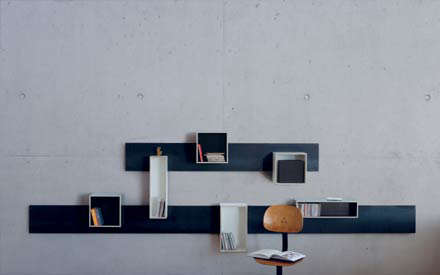
Understated rooms depend heavily on structure. When architecture is clear, decoration can relax. Doorways align, shelves have deliberate proportions, circulation remains open, and furniture reinforces rather than fights the room’s geometry.
You do not need custom architecture to apply this principle. Hang curtains close to the ceiling to strengthen vertical lines. Choose a dining table that relates to the room’s length. Align artwork with a nearby cabinet. Repeat the profile of a black metal window in a slim floor lamp. These relationships are quiet, but the eye notices when they are missing.
Built-Ins Should Support Real Life
The best millwork is not merely decorative. It accommodates charging cables, cookbooks, glassware, paperwork, speakers, pet supplies, or whatever else threatens to form a small independent government on the countertop. Custom or semi-custom storage feels most refined when it is designed around actual routines and allows the material itself to remain visually prominent.
Obsession Four: Woven Lighting With Sculptural Presence
Woven lighting remains one of the easiest ways to soften a clean-lined room. Cane, wicker, bamboo, paper cord, and rattan shades filter light, cast gentle shadows, and introduce an organic counterpoint to drywall, glass, and metal.
The important word is counterpoint. Too much woven furniture can make a room feel like a resort lobby that misplaced the pool. One generous pendant over a dining table or a pair of woven sconces beside a bed is usually enough. Structured silhouettes keep the material looking modern, while exaggerated scale can turn an otherwise simple shade into a focal point.
Designers have used woven lighting beyond coastal interiors for years. Danish-inspired fixtures combine restraint with natural texture, while contemporary oversized wicker pendants pair sharp geometry with handwoven surfaces. The result can feel airy, warm, and architectural at the same time.
Obsession Five: The Eclectic but Orderly Workspace
A compelling workspace should be organized enough to function and personal enough to prevent you from feeling like an employee in your own home. Begin with a sturdy desk, an excellent task light, and storage that hides unattractive necessities. Then add a few objects with character: a stone paperweight, a small sculpture, a handmade cup, an old ruler, or a framed scrap of artwork.
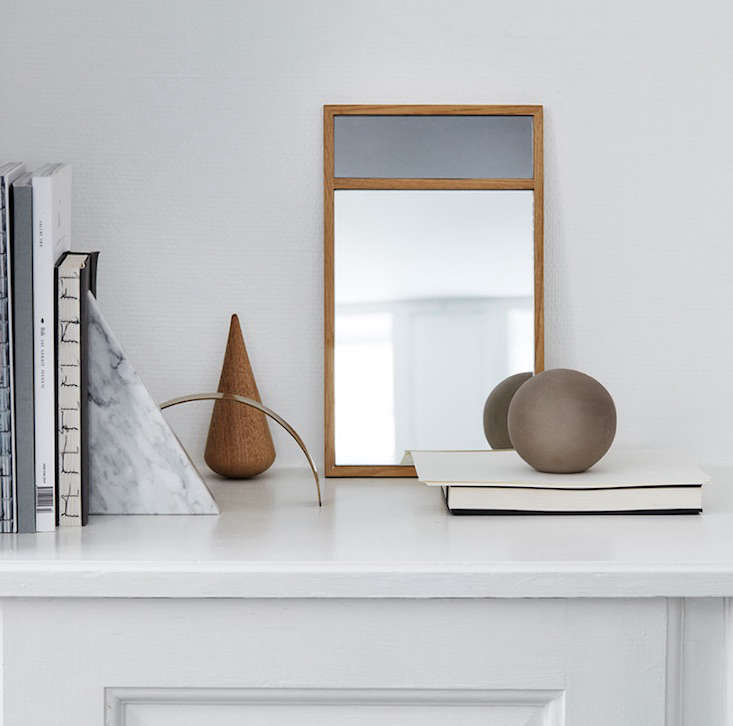
Desktop objects are especially effective in understated spaces because their scale encourages close attention. A tiny architectural sculpture can carry more personality than an enormous motivational sign instructing you to “HUSTLE,” which is rarely the emotional support a person needs while answering email.
Leave Some Surface Empty
Open space is part of the composition. Keep the central work area clear and group smaller objects together rather than distributing them evenly across every available inch. A tray can contain pens, notes, and chargers. A shallow shelf can hold rotating inspirations. The workspace will still look lived in, but it will not appear to be losing an argument with stationery.
Obsession Six: Rooms That Feel Collected, Not Purchased
Understated appeal becomes convincing when old and new pieces coexist. A contemporary sofa may sit beside an antique stool. A streamlined kitchen can include a worn wooden cutting board. Modern shelving can display inherited ceramics. The contrast prevents neutral interiors from becoming anonymous.
Residential-style design stores have long demonstrated the value of arranging products in roomlike settings. Their appeal comes from the ability to experience how vintage furniture, handmade accessories, textiles, and new objects interact instead of viewing each item as an isolated commodity.
At home, resist buying a complete matching set. Select the foundational piece first, then allow the room to develop. Repetition can come through color, material, or silhouette rather than identical furniture. A pair of lamps can match while the side tables differ. Dining chairs can share a finish but vary slightly in form. A little irregularity keeps the room awake.
Obsession Seven: Craftsmanship Over Decoration
When ornament is reduced, construction becomes visible. Joinery, stitching, weaving, edge profiles, hardware, and finish quality move to center stage. That is why a seemingly plain bench can feel luxurious while a highly decorated cabinet can feel oddly disposable.
Craftsmanship does not require a limitless budget. Spend attention before spending money. Examine whether drawers operate smoothly, seams align, a chair feels stable, and a finish can be repaired. Vintage and secondhand pieces often offer solid construction at approachable prices, especially when you are willing to clean, oil, reupholster, or forgive a scratch.
Museum and design research frequently connects enduring furniture with refined silhouettes, functionality, natural materials, and skilled making. Current discussions of quiet luxury likewise place craftsmanshipnot conspicuous decorationat the center of the aesthetic.
Obsession Eight: A Restrained Interior With a Lively Garden
A calm house does not require a colorless landscape. In fact, greenery and flowers often look more vivid against understated architecture. The exterior can act as a quiet frame for grasses, flowering shrubs, herbs, climbing plants, and seasonal color.
Successful landscapes commonly rely on a limited structural paletteperhaps repeated hedges, one paving material, or a restrained group of foliage plantsbefore adding occasional bursts of color. Dark or neutral building exteriors can also provide dramatic backdrops for pale flowers and airy planting.
The same principle works indoors. A vase of branches has more presence in a visually quiet room. Herbs on a kitchen sill appear intentional rather than incidental. A single unruly fern can provide exactly the right amount of chaos, assuming it has not already dropped half its leaves in protest.
How to Create Understated Appeal Without Remodeling Everything
Start by Removing Visual Noise
Clear one room and return only the objects that contribute function, comfort, or genuine affection. Hide cords, consolidate small accessories, and remove undersized decor that seems to exist mainly because a shelf looked lonely at the store.
Improve the Lighting
Use several light sources instead of relying on one bright ceiling fixture. Combine a pendant or ceiling light with table lamps, floor lamps, sconces, and task lighting. Select warm, consistent bulb temperatures so the room does not look as though different weather systems are occurring simultaneously.
Add Texture Before Adding More Color
If a neutral room feels flat, introduce linen curtains, a wool rug, woven baskets, handmade ceramics, ribbed glass, or wood with visible grain. Texture creates contrast without breaking the calm palette.
Replace Small, Highly Visible Details
Cabinet pulls, switch plates, door handles, lampshades, and curtain hardware occupy little space but influence the entire room. Choose simple forms with satisfying proportions and finishes that relate to materials already present.
Repair and Reuse
Understated design aligns naturally with keeping useful objects in circulation. Repairing furniture, preserving existing structures, shopping secondhand, and salvaging materials can reduce unnecessary replacement while adding character that new products often attempt to imitate. The U.S. Environmental Protection Agency prioritizes source reduction and reuse and specifically identifies furniture, lighting, flooring, doors, cabinets, hardware, and architectural salvage as candidates for continued use.
Common Mistakes That Make “Understated” Feel Unfinished
Using only smooth surfaces: A white room containing a smooth sofa, smooth table, smooth floor, and smooth cabinets may look less “quiet luxury” and more “premium waiting room.” Mix matte, woven, rough, polished, soft, and reflective finishes.
Choosing furniture that is too small: Under-furnishing does not automatically create minimalism. A room often feels calmer with one properly scaled sofa than with several nervous little chairs trying to look busy.
Removing every personal object: Photographs, books, travel finds, and inherited pieces give a home identity. Edit them; do not erase them.
Buying the entire look at once: Understated spaces depend on nuance, and nuance is difficult to acquire through a single checkout page. Build gradually and allow combinations to emerge.
Confusing expensive with enduring: Price does not guarantee proportion, comfort, repairability, or craftsmanship. A modest vintage stool may contribute more than a costly object chosen mainly because its product description used the word “curated” four times.
Experience Notes: What Living With Understated Appeal Can Feel Like
Consider a realistic decorating experiment in a small living room. At the beginning, the space contains a gray sofa, two lightweight side tables, several unrelated cushions, a bright ceiling light, and enough small accessories to suggest that every horizontal surface has signed a sponsorship agreement.
The first change is not a purchase. Everything decorative is removed and placed on the dining table. The room immediately looks larger, but also slightly sadproof that decluttering is a beginning, not a personality. The sofa stays, as does a sturdy wooden bookcase. One side table is removed because two were never necessary. The remaining table is moved closer to the sofa, where a human arm can actually reach it.
Next comes lighting. The ceiling fixture receives a warmer bulb, while a floor lamp is positioned near the reading chair. A small woven pendant replaces an undersized shade above the dining area. In daylight, its natural fibers introduce texture. At night, it creates patterned shadows and softens the room’s formerly enthusiastic overhead glare.
The existing blue-gray wall paint is not replaced. Instead, cream linen curtains, an oatmeal wool rug, and two rust-colored cushions warm the palette. A vintage oak stool becomes a side table. Its scratched top initially seems imperfect, but within days it becomes the most convincing object in the room because it looks comfortable being there.
The decorative items return slowly. A stack of books goes beside the chair. Three ceramics are grouped on the bookcase instead of being scattered across separate shelves. A framed family photograph stays. Four generic prints do not make the return journey. A branch clipped from the yard is placed in a tall vase, instantly providing height, movement, and the mild thrill of free decor.
The most noticeable result is not that the room appears more expensive. It appears easier. Cleaning takes less time because fewer objects need to be moved. The reading chair is used more often because the lamp finally provides useful light. The table remains clearer because a tray gives small necessities a defined home. Guests tend to notice the woven pendant and old stool, not because either demands attention, but because both contribute material warmth.
After several weeks, another lesson emerges: restraint makes mistakes more visible. A poorly scaled cushion looks stranger when it is one of only three. A plastic storage bin cannot hide behind twenty decorative objects. The approach therefore encourages better decisions. Instead of continuously adding, the household begins replacing weak elements only when a genuinely better option appears.
This is the practical appeal of understated design. It changes the relationship between a person and a room. The goal shifts from completing a look to supporting a life. Objects are chosen because they work, age well, feel good, or carry meaning. Empty space stops looking unfinished and begins functioning as visual rest.
There is also room for humor and evolution. A child’s bright drawing can sit above a quiet oak cabinet. A ridiculous flea-market lamp can remain because everyone loves it. A large plant may become an accidental room divider. Understated appeal is not a rulebook demanding perfect taste. It is a framework that allows meaningful things to stand outand gives less meaningful things permission to leave.
Conclusion: Let the Room Speak Softly
Understated appeal comes from confidence, not emptiness. It combines nuanced neutrals, natural materials, clear architectural lines, tactile craftsmanship, useful lighting, and a measured amount of personality. Its strongest rooms are neither sterile nor showy. They feel calm because their elements cooperate.
Begin with what you already own. Remove the distractions, improve the lighting, expose the best materials, and repair objects worth keeping. Add slowly. Pay attention to scale, touch, and daily routines. The finished room may never announce that it is finishedand that is probably a good sign.
Note: The experience section uses a realistic composite decorating scenario based on common design outcomes; it is not presented as the author’s personal home or firsthand experience.