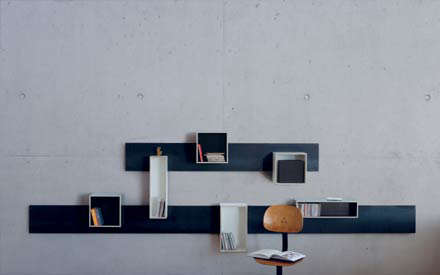
There are two kinds of storage people dream about. The first kind hides everything behind doors so guests never know you own seventeen coffee mugs and a suspicious number of candles. The second kind is smarter, lighter, and a lot more stylish: wall storage that actually makes the room look better. That is where Euro-style wall shelves come in.
Sleek, streamlined, and visually calm, Euro-style wall shelves are the design equivalent of someone who always looks put together without trying too hard. They borrow from the modern European approach to interiors: clean lines, efficient use of space, minimal visual clutter, and a sharp understanding that every inch of a home should earn its keep. In other words, these shelves are not just hanging around being decorative. They are pulling their weight, literally and figuratively.
Whether you live in a compact apartment, a narrow townhouse, or a spacious home that still somehow never has enough storage, Euro-style wall shelves can turn blank walls into useful real estate. They lift storage off the floor, keep rooms feeling open, and make everyday objects look intentional instead of accidental. A stack of dishes becomes a display. Towels become part of the decor. Even a row of books suddenly looks like you have your life together.
If you are considering this look, here is how Euro-style wall shelves work, why they are so appealing, where they shine, and how to make them feel elegant instead of chaotic.
What Makes a Shelf Feel “Euro-Style”?
Not every wall shelf deserves the Euro-style label. The look is less about one exact product and more about a design language. Euro-style shelves tend to be simple, modern, and highly functional. They usually have a floating appearance, slim proportions, and hardware that stays hidden or visually quiet. The goal is a shelf that feels integrated into the room, not bolted onto it like an afterthought.
Clean Lines Come First
Euro-style shelving favors straight lines, crisp edges, and uncomplicated forms. You are more likely to see a smooth oak plank floating against plaster than a heavily carved bracket shouting for attention. The shelf should look effortless, even if the measuring tape and level had a very stressful afternoon.
Minimalism With a Purpose
This style is not about emptiness for the sake of emptiness. It is about editing. A Euro-style shelf holds what matters and leaves room for the eye to rest. That could mean everyday dishware in the kitchen, neatly folded towels in the bathroom, or a few books, ceramics, and framed art in the living room. The beauty comes from restraint, not from trying to fit your entire personality onto one wall.
Materials Matter
Natural wood, matte finishes, metal details, and clean painted surfaces all work well in this style. White, black, oak, walnut, ash, and warm neutrals are especially effective. The finish should feel refined, not fussy. Think understated sophistication, not “look at me, I was on sale and came with glitter.”
Why Euro-Style Wall Shelves Work So Well
The biggest advantage of wall shelves is simple: they use vertical space. And in modern homes, vertical space is often the most underused storage zone around. Floors get crowded with cabinets, baskets, side tables, consoles, and all the other furniture we buy because we swear we are becoming organized this year. Walls, meanwhile, sit there waiting to help.
Euro-style shelves are especially effective because they do not add much visual bulk. Traditional bookcases and cabinets can be useful, but they also claim a lot of floor area and can make a room feel heavier. Floating or wall-mounted shelving keeps the footprint light, which is a blessing in kitchens, bathrooms, entryways, and small living rooms where every inch matters.
They also create a nice balance between storage and display. Closed cabinets are great when you need to hide the mess. Open shelves are great when you want access, visibility, and a room that feels layered rather than boxed in. Euro-style shelving lands in that sweet spot where practical storage meets curated design.
Best Places to Use Euro-Style Wall Shelves
Kitchen
The kitchen is probably the poster child for Euro-style shelving. Open shelves can replace some upper cabinets, soften a wall of hard surfaces, and keep everyday items within easy reach. Plates, glasses, bowls, oils, spices, and cookbooks all work beautifully here when grouped thoughtfully.
Corner shelves are especially useful in kitchens where awkward nooks often go to waste. A run of shelves in oak or walnut can warm up white cabinetry, while painted shelves can blend into the wall for a quieter look. The key is discipline: if you put everything you own on open shelves, you do not get “European chic.” You get “garage sale with backsplash.”
Bathroom
Bathrooms often have more vertical potential than people realize. A pair of shelves above the toilet, beside the vanity, or tucked into an unused corner can hold towels, toiletries, jars, candles, and small decorative pieces. Because bathrooms are usually short on floor space, wall-mounted storage is a natural solution.
In a Euro-inspired bath, shelves often feel spa-like: warm wood, soft white towels, a ceramic tray, maybe one little plant trying its best in the humidity. The mood is calm, uncluttered, and slightly smug in the most attractive way.
Living Room
In living rooms, Euro-style shelves can function as mini libraries, media storage, art ledges, or a way to frame a fireplace or television wall. Wall-to-wall shelves can feel architectural, while a smaller arrangement can solve the problem of a blank wall without adding another bulky piece of furniture.
This is also the room where styling matters most. Books, sculptural objects, framed photos, baskets, and a few organic elements can make shelves feel lived-in without looking crowded. Balance is everything.
Bedroom and Entryway
In a bedroom, wall shelves can act as nightstands, book storage, or display space above a desk or dresser. In an entryway, they can hold keys, mail, sunglasses, and small baskets that stop daily clutter from spreading like gossip. Even one well-placed shelf can make a high-traffic area feel more intentional.
How to Get the Look Right
Use Fewer, Better Shelves
One common mistake is adding too many shelves too close together. Euro-style design thrives on breathing room. A few shelves with generous spacing usually look better than a wall packed from top to bottom. Negative space is part of the aesthetic. It tells the room to calm down.
Align Them With Architecture
Great shelving layouts often relate to something nearby: the top of a backsplash, the line of a window, the edge of cabinetry, or the width of a fireplace wall. Alignment makes shelves feel built-in and deliberate. Random placement makes them feel like you gave up halfway through hanging a gallery wall.
Pick the Right Depth
Depth matters more than people think. Shelves that are too shallow may look elegant but fail at actual storage. Shelves that are too deep can overwhelm the wall and tempt you to pile on more stuff. The best depth depends on what you plan to store, but the goal is always the same: practical without feeling clunky.
Keep Hardware Quiet
Hidden brackets, concealed supports, and streamlined mounting systems are part of what gives Euro-style shelves their floating effect. The cleaner the installation looks, the more refined the result feels. Decorative bracket shelves can be lovely, but if your goal is a modern European-inspired look, subtle hardware wins.
How to Style Euro-Style Wall Shelves Without Creating Visual Chaos
Styling open shelves is where good intentions go to die. A lot of people begin with a beautiful vision and end with six candles, eleven vases, random receipts, and one lonely lemon squeezer. Do not let that happen to you.
Group Like With Like
In kitchens, stack plates with plates, glasses with glasses, and pantry staples in matching containers. In living rooms, cluster books together, then offset them with a ceramic vase or framed art. Grouping creates order, which makes open shelving feel less busy.
Mix Practical and Decorative Items
The best shelves are not all function and not all display. They mix both. A shelf with mugs, a bowl, a cutting board, and one piece of art feels warmer than a shelf that looks like a showroom nobody is allowed to touch.
Vary Height and Shape
Use objects of different heights so the arrangement feels layered. A horizontal stack of books, a tall vase, a medium ceramic bowl, and a small framed print create rhythm. Repetition helps too. When colors or materials repeat across shelves, the whole wall feels more cohesive.
Leave Empty Space
This is the step most people skip. Empty space is not wasted space. It is what keeps the shelves from feeling crowded. Euro-style design often looks expensive because it is edited. Not because it is overfilled.
Add Something Organic
A small plant, a branch in a vase, or a bowl of fruit softens the geometry of shelves and brings life to the composition. It is a tiny move with a big payoff. Even one stem can rescue a shelf from looking too stiff.
Installation Tips Before You Start Drilling Holes Into Your Weekend
Beautiful shelves still need to be installed correctly. This is not the glamorous part, but it is the part that stops your ceramics from meeting the floor at high speed.
First, know your wall type. Drywall, plaster, tile, and masonry all require different tools and anchors. Second, find the studs whenever possible. Stud mounting gives shelves greater strength and stability, especially if you plan to store dishes, books, or anything heavier than a postcard and a dream.
Third, use a level and measure carefully. Floating shelves are unforgiving. Even a slight tilt will stand out, and once you see it, you will never unsee it. Finally, respect weight limits. Shelf capacity varies by design, hardware, and installation method, so match the shelf to the items it will hold. If you want a shelf for books, buy and install for books. If you want a shelf for decorative objects, do not suddenly ask it to become a home gym for cast iron cookware.
Mistakes That Ruin the Look
The first mistake is treating open shelving like invisible storage. It is not invisible. If it sits on a shelf, it becomes part of the room. The second mistake is ignoring scale. Tiny shelves on a huge wall can look apologetic, while oversized shelves in a small room can feel heavy and awkward.
Another common problem is choosing shelves that clash with the rest of the space. Euro-style shelves usually work best when they connect visually to something already in the room, like the countertop tone, wood flooring, cabinet finish, or metal hardware. They do not need to match perfectly, but they should look like they belong there.
And then there is maintenance. Open shelves require a bit of discipline. Dust exists. Kitchen grease exists. Bathroom humidity exists. If you hate the idea of editing and wiping down shelf surfaces now and then, mix open shelving with closed storage so you get the style without signing up for a full-time relationship with a microfiber cloth.
Why This Trend Has Staying Power
Euro-style wall shelves are not just trendy because they photograph well, though they do. They have staying power because they solve real design problems. They make small spaces work harder. They lighten visually heavy rooms. They create useful storage without demanding more floor area. And they fit beautifully into the modern preference for homes that feel calm, functional, and flexible.
They also adapt. A shelf can hold dishes today, books next year, and office supplies after your latest furniture rearrangement inspired by one too many design videos. That kind of versatility is hard to beat.
If you want storage that feels thoughtful rather than purely utilitarian, Euro-style wall shelves are one of the smartest upgrades you can make. They prove that organization does not have to be ugly, and style does not have to be impractical. Honestly, that is a pretty excellent deal for a few planks on a wall.
Extra Experience: What Living With Euro-Style Wall Shelves Actually Feels Like
After the shelves are up and the drill is finally silent, the real test begins: living with them. And this is where Euro-style wall shelves become more than a design choice. They start to change how a room behaves.
In the kitchen, for example, the experience is surprisingly efficient. The dishes you use every day are easier to grab, the mugs are visible instead of buried behind three mismatched bowls, and the whole room feels more open the second heavy upper cabinetry gives way to a lighter shelf line. Morning routines become smoother. You reach for the same cup, the same coffee jar, the same little plate, and suddenly your kitchen has a rhythm. It feels intentional. Even on Monday.
In a bathroom, Euro-style shelves can make a tiny room feel less cramped. Instead of stuffing everything into one overworked vanity, you spread the essentials out in a way that feels breathable. Rolled towels, soap, skincare, and a small tray or two make the room look less like a storage emergency and more like a boutique hotel that somehow knows exactly where your face cream should live.
In the living room, the experience is more emotional than practical. Good shelves make the room feel curated without becoming formal. You notice the objects you actually love: the art book you keep rereading, the ceramic bowl from that trip, the framed photo that deserves better than a drawer. Because Euro-style shelves tend to be visually quiet, they let your things speak without turning the room into a shouting match.
There is also a nice behavioral side effect. Open shelving encourages better habits. You buy less random clutter because you know it will be visible. You edit more often because the shelves ask for it. You return things to their place because when the system works, it is easier to maintain. Closed cabinets let you postpone decisions. Open shelves gently demand better ones.
That said, the experience is not magical perfection wrapped in oak veneer. You do have to be realistic. Open shelves will not hide chaos. They reward consistency. They also require occasional restyling as life changes. A shelf that looked amazing with three art objects in winter may need a practical reset in summer when the kids are home, the mail has multiplied, or the kitchen suddenly contains a gallon-sized olive oil bottle that was definitely not part of the original aesthetic plan.
But that flexibility is part of the charm. Euro-style wall shelves are not static. They evolve with the room. You can swap books for baskets, add a lamp, move a plant, restyle for a season, or change the purpose entirely without replacing the whole setup. That makes them feel less like a one-time decorating decision and more like a long-term tool for living well.
In the end, the experience of Euro-style wall shelves is this: less visual weight, better use of space, and a home that feels more edited, more breathable, and a little more sophisticated. Not bad for something that starts as a bare wall and a measuring tape.
Conclusion
Euro-style wall shelves bring together the best parts of modern storage: efficiency, elegance, and flexibility. They use vertical space wisely, keep rooms feeling open, and help everyday objects look organized instead of accidental. Whether you install a simple pair of floating shelves in the bathroom or create a full wall of streamlined storage in the living room, the payoff is the same: more function, less bulk, and a home that looks calmer and works harder. When done well, these shelves do not just hold things. They improve the entire room.