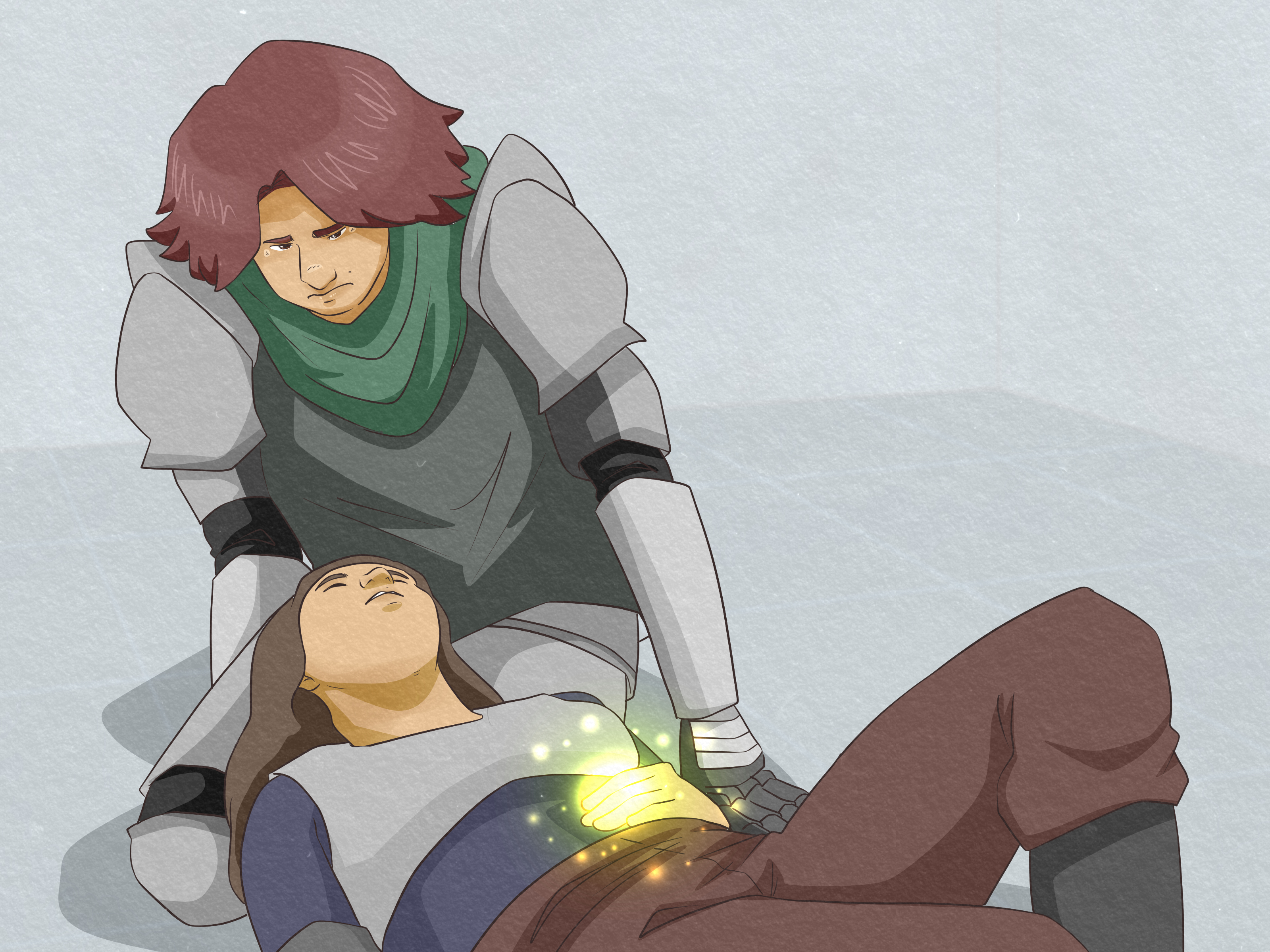
Cure Wounds is one of the classic healing spells in Dungeons & Dragons 5e, the magical equivalent of slapping a glowing bandage on your fighter and saying, “Please stop blocking axes with your face.” It is simple, reliable, and available early, which makes it one of the first support spells many players learn. But like many “simple” spells in D&D, the real question is not only what it does. The better question is: when is it actually worth casting?
At first glance, Cure Wounds looks like the obvious answer to party survival. Someone is hurt, you touch them, they regain hit points, everyone cheers, the goblins file a complaint with management. Easy. However, D&D combat is built on action economy, positioning, risk, and resource management. Cure Wounds costs an action, requires touch range, and consumes a spell slot. That means every casting should solve a real problem, not just make a character sheet look slightly prettier.
This guide explains how Cure Wounds works in D&D 5e, which classes can use it, how it compares to Healing Word, when to cast it in combat, when to save it for later, and how experienced players squeeze the most value out of this humble but important healing spell.
What Is Cure Wounds in D&D 5e?
Cure Wounds is a 1st-level healing spell that restores hit points to a creature you touch. In the 2014 version of D&D 5e, it restores 1d8 + your spellcasting ability modifier hit points, and it heals more when cast with higher-level spell slots. In the 2024 rules update, Cure Wounds became stronger, restoring 2d8 + your spellcasting ability modifier at base level, with stronger scaling when upcast.
Because many tables still use the 2014 Player’s Handbook while others use the 2024 rules, players should always ask the Dungeon Master which version is active. The spell name is the same, but the numbers can change how attractive it feels in play. In older 5e, Cure Wounds is useful but often overshadowed by Healing Word. In the updated rules, its larger healing dice make it more competitive, especially when you can safely reach the target.
Basic Spell Details
- Spell level: 1st level
- Casting time: 1 action
- Range: Touch
- Duration: Instantaneous
- Concentration: No
- Components: Verbal and somatic
- School: Evocation in 2014 rules; Abjuration in 2024 rules
The most important detail is touch range. You cannot heal an ally across the room with Cure Wounds unless you can physically reach them. If the rogue is bleeding out on the other side of a spike pit, Cure Wounds may be a beautiful idea trapped inside a logistical nightmare.
Which Classes Can Cast Cure Wounds?
Cure Wounds appears on several spell lists, making it one of the most widely accessible healing spells in D&D 5e. Depending on the rule version and sourcebooks used at your table, it is commonly available to bards, clerics, druids, paladins, rangers, and artificers. Subclasses, feats, magic items, and optional character features may also provide access.
Clerics and druids often prepare Cure Wounds because they are expected to carry some support magic. Bards can use it to become flexible backup healers, especially in small parties. Paladins and rangers may value it differently because their actions are often tied to attacks, smites, weapon damage, and battlefield pressure. Artificers can use Cure Wounds as part of their practical magical toolkit, which fits the “combat medic with gadgets” fantasy nicely.
How Cure Wounds Works in Play
To cast Cure Wounds, you choose a creature within reach, spend your action, expend a spell slot, and restore hit points based on the spell’s healing formula. You add your spellcasting ability modifier, not your proficiency bonus, unless a specific feature says otherwise. A cleric uses Wisdom, a bard uses Charisma, and an artificer uses Intelligence. This is one reason the spell feels better on characters with a strong spellcasting stat.
For example, a 5th-level cleric with 18 Wisdom has a +4 Wisdom modifier. Under 2014 rules, a 1st-level Cure Wounds restores 1d8 + 4 hit points. Under 2024 rules, it restores 2d8 + 4 hit points. That difference is not tiny. It can be the difference between “the barbarian is barely standing” and “the barbarian can survive one more bite from the horrible swamp lizard that the DM definitely named Kevin.”
Can Cure Wounds Revive an Unconscious Character?
Yes, if a character is at 0 hit points but not dead, Cure Wounds can restore hit points and bring them back into the fight. This is one of its most valuable uses. Healing a conscious ally from 23 hit points to 31 might feel nice, but healing an unconscious ally from 0 to any positive number can completely change the turn order. That character wakes up, stops making death saving throws, and may be able to act on their next turn.
This is why many players treat healing in D&D 5e as emergency stabilization rather than constant topping off. You usually cannot out-heal incoming monster damage round after round. Instead, healing is strongest when it prevents a character from losing turns, failing death saves, or being removed from the encounter.
When Should You Use Cure Wounds?
Cure Wounds is best when the healing changes what happens next. Do not cast it only because someone took damage. Cast it because that healing lets an ally survive another hit, return to consciousness, hold a chokepoint, keep concentration, or avoid a dangerous death save situation.
Use Cure Wounds When an Ally Is at 0 Hit Points
This is the cleanest use case. An unconscious character contributes nothing, and death saves can turn scary quickly. If you can safely reach the fallen character, Cure Wounds is a direct answer. It restores more hit points than Healing Word in many versions of the game, so the revived ally may be less likely to drop again immediately.
Use Cure Wounds Between Fights
Cure Wounds is often more comfortable outside combat. When swords are not flying, the action cost does not matter. You can patch up the front-line fighter, help the rogue recover after a trap, or prepare the party before opening the next door labeled “Definitely Not Full of Skeletons.”
That said, do not forget short rests and Hit Dice. Spell slots are valuable. If the party has time to rest, using Hit Dice may be better than burning all the cleric’s 1st-level slots before the dungeon’s second room. A good healer thinks like a budget manager, except the budget is magic and the receipts are bite marks.
Use Cure Wounds When Touch Range Is Easy
If you are already standing next to the injured ally, Cure Wounds becomes much more attractive. A paladin beside the fighter, a cleric holding the front line, or a druid in a tight hallway can cast it without wasting movement or provoking unnecessary danger. The spell becomes weaker when reaching the target requires sprinting through enemies, crossing hazards, or abandoning a key position.
Use Cure Wounds When You Need Stronger Single-Target Healing
Cure Wounds is not flashy, but it can provide solid single-target recovery, especially when upcast. In the 2024 version, its improved dice make this even more noticeable. If one ally is carrying the encounter by tanking damage, maintaining an important spell, or keeping enemies locked down, investing a stronger Cure Wounds can be worth it.
When Should You Avoid Cure Wounds?
Cure Wounds is useful, but it is not always the best answer. The biggest weakness is that it costs your action. In D&D 5e, an action can be an attack, a powerful spell, a Dash, a Disengage, a Dodge, or an object interaction that saves the party from disaster. Spending that action on healing should matter.
Avoid It When Healing Will Not Change the Outcome
If the wizard has 19 hit points and you heal them to 26, but the monster deals 30 damage per hit, your action may not accomplish much. Sometimes the better move is to disable the enemy, finish it off, protect the wizard with positioning, or use a control spell. Healing is helpful, but preventing damage is often better.
Avoid It When You Cannot Reach the Target Safely
Touch range can put the caster in danger. If reaching an ally requires walking into melee with three ogres, Cure Wounds might create two patients instead of one. That is not healing; that is a subscription plan. In these moments, ranged healing, defensive magic, or battlefield control may be safer.
Avoid It When a Bonus-Action Heal Would Do the Job
Healing Word is the classic comparison. It heals less, but it works at range and uses a bonus action. That means a cleric can bring an ally back from 0 hit points while still using their action for something else. In many 2014-rule tables, Healing Word is preferred in combat because action economy is king. Cure Wounds heals more, but Healing Word often fits the chaos of battle better.
The choice is not “which spell is always better?” The real answer is “which spell solves this specific problem?” Healing Word is excellent when the ally is far away or when your action is too valuable. Cure Wounds is better when you are already close and want the target to stand up with more hit points.
Cure Wounds vs. Healing Word
Players debate Cure Wounds and Healing Word constantly, and for good reason. Both are early healing spells. Both restore hit points. Both can rescue an ally from 0. But they play very differently.
| Feature | Cure Wounds | Healing Word |
|---|---|---|
| Range | Touch | Ranged |
| Action Cost | Action | Bonus action |
| Healing Amount | Higher | Lower |
| Best Use | Stronger recovery when nearby | Emergency revive at distance |
If you are building a dedicated support character, preparing both can be reasonable. Healing Word covers emergencies across the battlefield. Cure Wounds handles stronger recovery when you can reach the target. If you only have room for one, think about your party’s style. A melee-heavy cleric may get plenty of Cure Wounds value. A backline bard may prefer Healing Word because running into melee while holding a lute is how tragic songs get written.
How Good Is Upcasting Cure Wounds?
Upcasting Cure Wounds increases the healing dice, which makes it scale in a straightforward way. In 2014 rules, each spell slot above 1st level adds another d8. In the 2024 update, the scaling is stronger. This makes upcasting more appealing when you truly need one ally to stay standing.
However, upcasting should still be a tactical decision. A 3rd-level spell slot could also cast major fight-changing magic. If you spend that slot on healing, ask whether the restored hit points are more valuable than a spell that could defeat, restrain, blind, slow, or otherwise neutralize enemies. In many battles, preventing future damage beats repairing past damage.
Best Characters for Cure Wounds
Clerics
Clerics are natural Cure Wounds users because they often have strong Wisdom and access to support features. A cleric who fights near the front can use Cure Wounds without abandoning the party’s formation. Life Domain clerics, in particular, can make healing spells feel much more efficient.
Druids
Druids bring flexibility. They can heal, control terrain, summon aid depending on rules used, and shape the battlefield. Cure Wounds gives them a dependable way to keep allies alive when nature’s plan apparently includes “everyone gets mauled by wolves.”
Bards
Bards are excellent backup healers. Cure Wounds fits their “do a little bit of everything” identity, though many bards prefer Healing Word because they often stay at range. Still, a bard with Cure Wounds can save the day when the main healer is down or out of slots.
Paladins
Paladins already have Lay on Hands, but Cure Wounds can still be useful depending on build and spell preparation. The main issue is opportunity cost. Paladins love using actions for attacks and spell slots for Divine Smite. Casting Cure Wounds may be correct when an ally is down, but it competes with the paladin’s aggressive role.
Rangers and Artificers
Rangers and artificers can use Cure Wounds as practical support. Rangers may use it after skirmishes or when the party lacks a cleric. Artificers can flavor it as magical first aid, an alchemical patch, or a tiny repair drone that has seen too much.
Common Mistakes Players Make With Cure Wounds
The first mistake is using Cure Wounds too early. Characters do not need to be at full hit points all the time. D&D is not a video game where everyone must leave every room at 100 percent health and emotional stability. If an ally is hurt but safe, saving the spell slot may be smarter.
The second mistake is forgetting positioning. Cure Wounds requires touch, so plan your movement. If you are the party healer, do not stand so far away that reaching the front line takes two turns. On the other hand, do not stand so close that enemies can flatten you before anyone needs healing.
The third mistake is treating healing as your only job. Support characters are not walking potion dispensers. A cleric who casts Bless, a druid who restrains enemies, or a bard who disables a dangerous foe may prevent far more damage than Cure Wounds could restore. Good support play is proactive, not just reactive.
DM Tips for Cure Wounds
Dungeon Masters should understand that Cure Wounds affects pacing. If the party has multiple healers, they may survive longer adventuring days. If healing is rare, every fight becomes more dangerous. Neither style is wrong, but encounter design should reflect the party’s resources.
DMs should also be clear about rule version. If the table uses 2014 Cure Wounds, players may value Healing Word more in combat. If the table uses 2024 Cure Wounds, the spell’s improved healing can make touch-range recovery more attractive. Clarity prevents arguments, and fewer rules arguments means more time for goblins to make poor career choices.
Player Experience: What Cure Wounds Feels Like at the Table
In actual play, Cure Wounds often creates some of the most memorable little heroic moments. It is rarely the spell that wins the battle with fireworks. It does not reshape reality, summon celestial judgment, or turn the villain into a decorative frog. Instead, Cure Wounds shines in the messy, desperate seconds when everyone at the table leans forward because one character is down and the next monster turn is coming.
The best Cure Wounds moments usually involve risk. Maybe the cleric has to leave cover and run across the chamber. Maybe the bard dives behind the fallen barbarian while arrows hit the stone nearby. Maybe the druid, who has been concentrating on a battlefield spell, has to decide whether healing the rogue is worth moving into danger. These decisions feel good because they are not automatic. The spell asks the player to commit.
One common table experience is the “yo-yo healing” moment. A character drops to 0, receives healing, stands up, gets hit, and drops again. Some players find this funny; others find it frustrating. Cure Wounds can reduce that problem because it usually restores more hit points than small bonus-action healing, especially under updated rules or when upcast. If the revived fighter gets enough health to survive one more attack, the spell has done more than restore numbers. It has restored options.
Another experience is learning not to panic-heal. New players often want to heal as soon as someone takes damage. After a few sessions, they realize that D&D rewards timing. Healing the paladin at half health may be unnecessary if the enemy is almost defeated. Saving Cure Wounds for the wizard who falls unconscious next round may be the smarter play. This shift is part of becoming a stronger support player: you stop asking, “Who is missing hit points?” and start asking, “Who is in danger of losing their next turn?”
Cure Wounds also encourages teamwork. A front-line character can fall back toward the healer. Another ally can shove, grapple, block a doorway, or cast a control spell to create a safe path. The healer does not have to solve everything alone. In a well-coordinated party, Cure Wounds becomes part of a team rescue plan rather than a lonely sprint into disaster.
For roleplay, Cure Wounds can say a lot about a character. A cleric may whisper a prayer. A druid may press herbs and warm light into the wound. A bard may hum a melody that stitches flesh with sound. An artificer may inject a glowing tonic and announce, “Side effects may include survival.” Adding small descriptions keeps the spell from feeling like a calculator button. It reminds everyone that healing magic is still magic, not just math wearing a robe.
At higher levels, Cure Wounds may become less exciting compared with stronger spells, but it never becomes meaningless. A low-level slot can still pick up a fallen ally. A higher-level casting can buy time. In long campaigns, players often remember the clutch Cure Wounds that saved a favorite character more than the perfectly optimized damage spell. Damage wins fights; healing saves stories.
Final Verdict: Is Cure Wounds Worth Taking?
Yes, Cure Wounds is worth taking, especially for characters who can reach allies safely and want dependable single-target healing. It is not always the best combat heal, and it should not be used carelessly just because someone has a scratch. But when an ally is down, when stronger healing matters, or when the party needs recovery between encounters, Cure Wounds earns its place.
In 2014 D&D 5e, Cure Wounds is a solid but sometimes action-expensive spell that competes heavily with Healing Word. In 2024 rules, its improved healing makes it more attractive and more rewarding when used at the right moment. Either way, the spell teaches one of the most important lessons in D&D support play: healing is not about keeping everyone perfect. It is about keeping the adventure alive.
Use Cure Wounds when it changes the battle. Save it when it does not. And when the fighter says, “I’m fine” while standing at 2 hit points in front of a troll, maybe prepare the spell anyway.