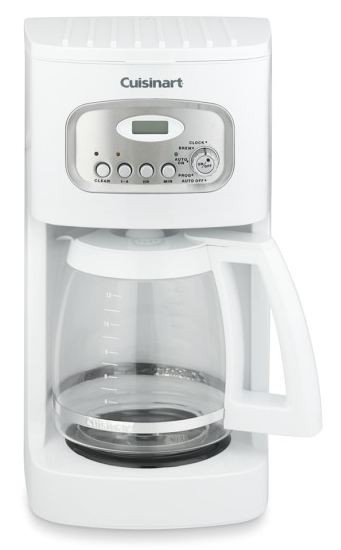
Some kitchen appliances earn their counter space by looking pretty. Others earn it by doing the same boring job beautifully every morning, without asking for applause, emotional support, or a firmware update. The Cuisinart 12-Cup Programmable Coffee Maker belongs mostly to the second group, with just enough brushed stainless-steel charm to avoid being called “the coffee box.”
For many American households, a drip coffee maker is not a luxury item. It is the unofficial alarm clock, the breakfast assistant, the meeting survival kit, and occasionally the only reason a Monday morning makes it past 8:00 a.m. The Cuisinart 12-cup programmable lineup, especially the well-known Brew Central DCC-1200 style, is designed for that daily rhythm: brew enough coffee for a family, program tomorrow’s pot tonight, keep coffee warm, and make cleanup reasonably painless.
This review-style guide looks at what the machine does well, where it fits best, what features matter, and how to get better-tasting coffee from it without needing a barista certificate or a dramatic pour-over ritual involving a gooseneck kettle and intense eye contact.
What Is the Cuisinart 12-Cup Programmable Coffee Maker?
The Cuisinart 12-Cup Programmable Coffee Maker is a full-size automatic drip coffee machine built for households that want convenience, capacity, and control. The classic Brew Central model uses a 12-cup glass carafe, a programmable clock, adjustable warming plate settings, Brew Pause, a 1–4 cup mode, a charcoal water filter, and a self-clean indicator.
In simple terms, it is made for people who want the coffee ready before they are fully awake. You can set the machine in advance, load the water and coffee grounds at night, and wake up to a fresh pot. That alone explains why programmable coffee makers have remained popular even as single-serve pods, espresso machines, and fancy smart brewers have joined the counter-space Olympics.
The “12-cup” label deserves a quick explanation. Coffee maker cups are usually smaller than the giant mug many people carry around like a personal hydration bucket. A standard coffee maker cup is commonly measured at about 5 ounces, so a 12-cup pot is roughly 60 ounces. That is enough for several normal cups, a few large mugs, or one extremely ambitious remote worker.
Key Features That Make It Practical
24-Hour Programmability
The headline feature is the 24-hour programmable start. This lets you choose when the brew cycle begins, which is perfect for early mornings, family breakfasts, office kitchens, or anyone who prefers not to measure coffee while still negotiating with consciousness.
Programming matters because consistency matters. When the water, grounds, and timing are set the night before, your morning routine becomes smoother. You are less likely to forget the filter, overfill the basket, or accidentally brew hot water because the coffee scoop somehow vanished into another dimension.
12-Cup Capacity
The 12-cup capacity is one of the strongest reasons to choose this model over smaller coffee makers. It works well for families, shared apartments, home offices, and weekend brunches. You can brew a full pot when guests arrive or a smaller batch when you only need a few cups.
That flexibility is important. A tiny machine may be cute, but it becomes annoying when you need to brew twice. A very large machine may feel wasteful if you only drink one cup. The Cuisinart 12-cup format lands in the middle: big enough for company, not ridiculous for everyday use.
1–4 Cup Setting
The 1–4 cup setting is easy to overlook, but it is useful. Smaller batches often brew too quickly or taste cooler and weaker because the machine has less water to heat and less time to extract flavor. Cuisinart’s small-batch setting adjusts the process so fewer cups still taste full and hot.
This makes the machine more versatile. You can brew a compact weekday pot for yourself, then switch to a full carafe on Sunday when everyone suddenly becomes very interested in breakfast.
Adjustable Keep-Warm Temperature
One of the best everyday features is the adjustable warming plate. Instead of forcing every pot to sit at the same heat level, the machine lets you choose a lower, medium, or higher keep-warm setting. This matters because coffee can taste stale or scorched if it sits too hot for too long.
If you drink the pot quickly, a higher setting may be fine. If you sip slowly over an hour or two, a lower or medium setting can help protect the flavor. Coffee should taste like coffee, not like it has been arguing with a frying pan.
Brew Pause
Brew Pause lets you pull out the carafe and pour a cup before the full brewing cycle has finished. It is a small convenience, but a beloved one. The feature is handy when you are in a rush and the coffee maker is moving at a perfectly reasonable speed that still feels personally offensive.
That said, the best flavor usually comes after the full pot finishes brewing. Coffee extracted early in the cycle can be stronger than coffee extracted later, so pouring mid-brew may taste slightly different. Use Brew Pause when necessary, but for the most balanced cup, let the machine finish.
Charcoal Water Filter and Gold-Tone Filter
The charcoal water filter helps reduce certain tastes and odors from tap water. Since brewed coffee is mostly water, water quality has a major effect on flavor. If your tap water tastes flat, heavily chlorinated, or mineral-heavy, filtering it can improve the final cup.
The gold-tone filter is another practical feature. It reduces the need for disposable paper filters and allows more coffee oils through, which can create a fuller mouthfeel. Some users still prefer paper filters because they make cleanup simpler and produce a cleaner cup. Both approaches work; the best choice depends on your taste and patience level after breakfast.
Design and Build: Classic, Not Complicated
The Cuisinart Brew Central design has been around because it understands its assignment. It has a stainless-steel look, a front control panel, a glass carafe, and a traditional footprint that fits many kitchens. It is not trying to look like a spaceship. It is trying to make coffee.
The carafe includes an ergonomic handle and drip-resistant spout, which is helpful because no one buys a coffee maker hoping to wipe the counter every time they pour. The water reservoir is positioned at the back, and the control panel uses physical buttons and knobs rather than a touchscreen. That may sound old-fashioned, but in a steamy kitchen, simple controls can be a blessing.
The machine is also sized for normal counters. As with any drip maker, you should check cabinet clearance before buying, especially if you plan to open the top lid under wall cabinets. A coffee maker that technically fits but cannot be filled without pulling it forward every morning will eventually become your least favorite piece of kitchen furniture.
How the Coffee Tastes
For an automatic drip machine, the Cuisinart 12-Cup Programmable Coffee Maker can produce a reliable, flavorful cup when used correctly. The machine is designed for convenience first, but it still gives users enough control to improve taste: water quality, coffee dose, grind size, brew size, and warming temperature all matter.
Use a medium grind for drip coffee. If the grind is too fine, the coffee can taste bitter or muddy. If it is too coarse, the cup can taste thin and under-extracted. Freshly ground beans usually taste better than pre-ground coffee, but pre-ground coffee can still work well if stored properly in an airtight container away from heat, moisture, and sunlight.
A good starting point is one to one and a half tablespoons of coffee per 6-ounce cup, then adjust to taste. If your coffee tastes weak, add a little more coffee or use the small-batch setting when brewing fewer cups. If it tastes harsh, try a slightly coarser grind, a lower warming plate setting, or fresher water.
Who Should Buy This Coffee Maker?
Busy Families
This machine is a strong fit for families because it can brew a large pot and keep it warm. Parents, students, and multitasking adults can all get coffee without waiting through multiple small batches. The programmable feature also helps when mornings involve lunches, school bags, lost shoes, and someone asking where the cereal is while standing directly in front of it.
Home Office Workers
If you work from home, a 12-cup coffee maker can be a quiet productivity partner. Instead of making repeated trips to a café or brewing one cup at a time, you can prepare a pot and refill as needed. The adjustable warming plate helps keep coffee drinkable during long calls, writing sessions, or spreadsheets that seem to reproduce when ignored.
Traditional Drip Coffee Fans
This is not the machine for someone who wants built-in grinding, espresso pressure, milk steaming, app control, or latte art shaped like a swan wearing sunglasses. It is for people who like classic American drip coffee and want it made consistently.
Entertainers and Brunch Hosts
Hosting brunch is easier when coffee is not a bottleneck. A 12-cup pot can serve several guests at once, and the Brew Pause feature helps the impatient first guest sneak a cup while the rest finishes. Pair it with a thermal carafe or insulated dispenser if coffee will sit out for a longer gathering.
Possible Drawbacks to Consider
No coffee maker is perfect, not even the one your aunt insists has “never made a bad pot” since 2007. The Cuisinart 12-Cup Programmable Coffee Maker has a few practical limitations worth knowing.
First, the glass carafe version relies on a warming plate. While convenient, a hot plate can eventually affect flavor if coffee sits too long. If you regularly drink coffee slowly over several hours, the 12-cup thermal Cuisinart model may be a better choice because it keeps coffee warm without direct heat.
Second, the water window and reservoir location may not be ideal for every kitchen layout. If your counter is dark or your cabinets are low, filling the tank can be slightly awkward. A pull-out tray under the machine can solve this by letting you slide it forward when needed.
Third, like all drip coffee makers, it needs regular cleaning. Mineral buildup can slow brewing, affect taste, and shorten the machine’s life. The self-clean indicator is helpful, but it is not a magical house elf. You still have to run the cleaning cycle.
Cleaning and Maintenance Tips
Good coffee starts with clean equipment. Oils from coffee grounds build up in the filter basket and carafe, while minerals from water collect inside the machine. Over time, this can create bitter flavors, slower brewing, and that mysterious “old office coffee” taste nobody wants to claim.
After each use, discard the grounds, rinse the filter basket, and wash the carafe. If you use the permanent gold-tone filter, rinse it thoroughly so fine particles do not clog the mesh. Once a month, or more often in hard-water areas, run a descaling cycle according to the manufacturer’s instructions.
A common cleaning method is a mixture of water and distilled white vinegar, followed by multiple fresh-water rinse cycles. Commercial descaling solutions are also available. Whatever you choose, the important part is rinsing well afterward. Your next pot should taste like breakfast coffee, not salad dressing with ambitions.
How to Make Better Coffee With This Machine
The Cuisinart 12-Cup Programmable Coffee Maker is simple, but small habits make a big difference. Start with fresh, cold water. Use filtered water if your tap water tastes strongly of chlorine or minerals. Add the correct amount of coffee for the number of cups you are brewing, and level the grounds evenly in the filter.
For stronger coffee, do not simply leave the pot on the warmer longer. That makes coffee hotter and older, not better. Instead, increase the coffee dose slightly, use a fresher roast, or choose a slightly finer drip grind. For smoother coffee, use a medium roast, filtered water, and avoid overheating the finished pot.
If you brew at night for the morning timer, keep the coffee grounds covered in the basket and avoid setting up the machine too early in the evening if your kitchen is humid. Freshness fades when ground coffee sits exposed to air. Still, the convenience of waking up to brewed coffee is often worth the small trade-off, especially before sunrise when nobody is making artisan decisions.
Cuisinart 12-Cup vs. Thermal and Coffee on Demand Models
The classic 12-cup Brew Central model is best for people who like a traditional glass carafe and adjustable warming plate. It is familiar, straightforward, and easy to use.
The Cuisinart 12-Cup Programmable Thermal Coffee Maker is better for slow drinkers. A thermal carafe helps maintain heat without cooking the coffee on a hot plate. It often costs more, but it can be worth it if flavor after the first hour matters to you.
The Cuisinart Coffee on Demand 12-Cup Programmable Coffee Maker removes the carafe entirely. It stores brewed coffee inside a reservoir and dispenses one cup at a time. This style works well in offices or busy kitchens where people serve themselves throughout the morning. It is less traditional, but very convenient.
Choosing between them depends on your routine. If you pour several cups soon after brewing, the glass carafe model is excellent. If you sip all morning, consider thermal. If multiple people refill at different times, Coffee on Demand may be the most practical.
Value for the Money
The Cuisinart 12-Cup Programmable Coffee Maker sits in a sensible middle ground. It is more feature-rich than bargain drip machines, but it does not reach the premium pricing of specialty brewers with advanced temperature controls, bloom cycles, or smart connectivity.
Its value comes from reliability, capacity, and everyday convenience. You get programmable brewing, a reusable filter, water filtration, adjustable warming, a self-clean reminder, and a recognizable brand with broad parts and accessory support. For many buyers, that combination is more useful than a machine with ten exotic settings they will never touch.
The best value appears when the machine matches your actual habits. If you drink drip coffee most days, brew for more than one person, and appreciate a ready-to-go morning pot, it can easily justify its counter space. If you only drink one cup a week, a smaller brewer may be smarter.
Real-Life Experience: Living With a Cuisinart 12-Cup Programmable Coffee Maker
Using the Cuisinart 12-Cup Programmable Coffee Maker feels pleasantly normal, and that is part of its charm. The first few days are usually spent learning the buttons, deciding how strong you like the coffee, and discovering exactly how much water fills your favorite mug. After that, the machine fades into the rhythm of the kitchen.
The best experience comes from programming it the night before. There is something deeply satisfying about walking into the kitchen and smelling coffee already brewing. It feels like your past self did your present self a favor. This is especially true on cold mornings, early workdays, or days when your alarm sounds less like a helpful reminder and more like a personal attack.
The 12-cup size is useful even if you do not brew a full pot every day. On quiet mornings, the 1–4 cup setting handles a smaller batch nicely. On busy mornings, a full carafe keeps everyone moving. When guests visit, the machine becomes even more valuable because nobody has to wait for individual servings. Put out mugs, milk, sugar, and maybe something baked, and suddenly you look like a person who has life under control.
The adjustable warming plate is one of those features you appreciate more over time. Some coffee makers keep coffee aggressively hot, which sounds good until the second cup tastes tired and bitter. With the Cuisinart, lowering the plate temperature can help preserve flavor when the pot will sit for a while. The highest setting is useful for people who like coffee very hot, but medium often feels like the practical everyday choice.
Cleaning is manageable, though not optional. The carafe rinses easily, and the filter basket is simple to empty. The permanent filter saves money on paper filters, but it does need a thorough rinse. If you are the type of person who hates dealing with wet grounds, paper filters may be worth using. They make cleanup faster, and sometimes peace is worth a few cents.
One practical tip is to keep the machine on a sliding counter tray if it sits under cabinets. Pulling it forward makes filling the reservoir easier and reduces the chance of splashing water behind the machine. Another tip is to measure coffee consistently for a week. Once you find the scoop count that tastes right, mornings become automatic.
In everyday life, the Cuisinart 12-Cup Programmable Coffee Maker is not flashy. It does not transform your kitchen into a third-wave café. It does not ask you to name your beans, weigh your bloom water, or describe flavor notes involving stone fruit and existential clarity. Instead, it makes dependable drip coffee in useful quantities, and that is exactly what many people want.
The experience is best summed up like this: it is a practical machine for people who want coffee to be ready, hot, and predictable. It rewards basic care, good water, fresh grounds, and regular cleaning. Treat it well, and it becomes one of those appliances you stop thinking about because it simply works. In the world of morning routines, that is a pretty big compliment.
Final Verdict
The Cuisinart 12-Cup Programmable Coffee Maker is a strong choice for anyone who wants classic drip coffee with convenient features and dependable performance. Its biggest strengths are 24-hour programmability, generous capacity, Brew Pause, adjustable warming, small-batch brewing, and simple maintenance reminders.
It is not the fanciest coffee maker on the market, and that is perfectly fine. Not every kitchen needs a machine that looks like it requires a pilot’s license. This Cuisinart is practical, familiar, and built around real daily habits. For families, home offices, brunch hosts, and loyal drip coffee drinkers, it remains a sensible and satisfying buy.
Note: This article is based on real product information, coffee-brewing guidance, maintenance best practices, and common user experiences. Prices, colors, availability, and warranty details may change, so buyers should verify current details before purchasing.