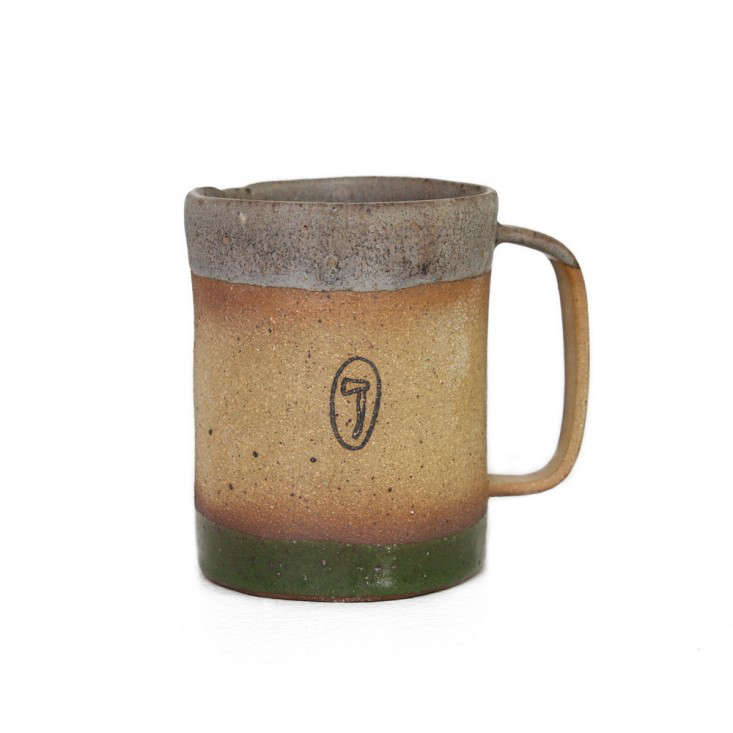
A ceramic coffee mug is one of those everyday objects that quietly carries civilization on its handle. It sits on office desks, kitchen counters, bookstore tables, nightstands, and, yes, inside a few mysterious cabinet corners where forgotten mugs go to retire. At first glance, it looks simple: clay, glaze, handle, coffee. But behind that cozy shape is a long story of material science, design, safety, comfort, heat retention, personal ritual, and the very human need to drink something warm while pretending to answer emails efficiently.
Whether you love a chunky diner mug, a sleek porcelain cup, a handmade stoneware piece, or a sentimental photo mug from a family vacation, the ceramic coffee mug remains a favorite because it feels right. It has weight without feeling industrial, warmth without tasting metallic, and enough personality to make a morning routine feel less like a survival drill. This guide explains what ceramic mugs are, why they are so popular, how to choose a good one, how to care for it, and why the humble mug may be doing more for your day than you think.
What Is a Ceramic Coffee Mug?
A ceramic coffee mug is a drinking vessel made from inorganic, nonmetallic material that is shaped and fired at high temperatures. In plain English: clay or clay-like material is formed into a mug, dried, fired in a kiln, glazed, and fired again. The result is a hard, heat-resistant cup designed for hot beverages such as coffee, tea, cocoa, and the occasional emergency soup when all bowls are dirty.
Most ceramic mugs fall into a few main categories: earthenware, stoneware, porcelain, and bone china. Each type has a different texture, density, firing temperature, durability level, and visual style. That is why one mug feels rustic and handmade while another feels thin, glossy, and elegant enough to make instant coffee look ambitious.
Earthenware
Earthenware is usually fired at a lower temperature than stoneware or porcelain. It often has a warm, rustic look and can be more porous if not properly glazed. Many decorative mugs and handmade-style pieces use earthenware because it accepts color and texture beautifully. However, it may chip more easily and usually needs a reliable glaze to make it practical for daily coffee use.
Stoneware
Stoneware is a favorite for everyday ceramic coffee mugs because it is dense, sturdy, and comfortable in the hand. It often has a slightly heavier feel and can retain heat well. If you love mugs that feel solid, cozy, and built for a slow Sunday refill, stoneware is probably your type. It is the mug equivalent of a flannel shirt: dependable, comforting, and not trying too hard.
Porcelain
Porcelain is made from fine clay and fired at high temperatures, creating a strong, nonporous, often thinner ceramic body. It can look delicate while still being surprisingly durable. Porcelain mugs are common in cafes and specialty coffee settings because their smooth surface does not easily hold odors or flavors. For people who want their coffee to taste like coffee, not yesterday’s cinnamon tea experiment, porcelain is a smart choice.
Why Ceramic Coffee Mugs Are So Popular
The popularity of the ceramic coffee mug comes down to a mix of science and feeling. On the practical side, ceramic is heat-resistant, widely available, reusable, and suitable for many designs. On the emotional side, a mug becomes personal. People do not usually say, “Where is a vessel?” They say, “Where is my mug?” That one little word carries loyalty.
Ceramic also offers a balanced drinking experience. Stainless steel travel mugs are great for commuting, but some people feel they slightly affect aroma or flavor. Plastic is lightweight but can feel less premium. Glass is elegant but often fragile and less forgiving during sleepy 6 a.m. kitchen movements. Ceramic sits in the middle: attractive, sturdy, pleasant to sip from, and familiar.
How a Ceramic Mug Affects Coffee Taste
A good ceramic coffee mug should stay neutral. It should not add flavor, trap old smells, or interfere with the aroma of the coffee. Smooth-glazed ceramic and porcelain surfaces are especially helpful because they resist absorbing coffee oils when cleaned properly. This matters more than many people realize. Coffee is aromatic, oily, acidic, and complex. A mug with a rough interior or lingering residue can make a fresh brew taste flat or stale.
The rim also matters. A thinner lip can make sipping feel more refined, while a thick rim feels cozy and casual. Neither is automatically better. A diner-style mug with thick walls is perfect for a comforting breakfast blend. A thinner porcelain mug may feel better for a carefully brewed pour-over. The best ceramic coffee mug is not just the one that holds liquid; it is the one that matches how you drink.
Heat Retention: Does Ceramic Keep Coffee Hot?
Ceramic mugs can retain heat well, especially when they have thicker walls. A heavy stoneware mug warms up as coffee is poured in and then releases heat gradually. That is why many diner mugs are thick and sturdy. They are designed to survive busy kitchens, frequent washing, and customers who somehow use a mug like gym equipment.
However, ceramic is not magic. A regular ceramic mug will not keep coffee hot as long as a vacuum-insulated travel mug. If you sip slowly for hours, you may prefer an insulated ceramic-lined tumbler or an electric temperature-control mug. But for normal home or office use, ceramic offers a satisfying middle ground: it keeps coffee pleasantly warm without turning every sip into a lava-based trust exercise.
Choosing the Best Ceramic Coffee Mug
Buying a ceramic mug seems easy until you discover there are approximately seventeen million options, each promising to change your life before breakfast. To choose well, focus on how the mug feels, functions, and fits your routine.
Pick the Right Size
Common coffee mugs hold about 10 to 16 ounces. Smaller mugs, around 8 to 10 ounces, are great for espresso-based drinks, small servings, or people who like refills. Larger mugs, around 14 to 16 ounces, work well for drip coffee, lattes, hot chocolate, or anyone who believes “one cup” is more of a philosophical concept than a measurement.
Check the Handle
The handle should feel secure and comfortable. If your fingers feel cramped, the mug may become annoying over time. A good handle gives balance, especially when the mug is full. Oversized handles can be comfortable, but they also take up more cabinet space. Tiny handles may look elegant but can turn hot coffee into a grip-strength challenge.
Look at the Rim
The rim affects the drinking experience. A smooth, even rim feels pleasant and helps coffee flow cleanly. Thick rims feel casual and durable; thinner rims feel refined. Avoid mugs with rough, uneven, or sharp rims. Coffee should wake you up, not start a minor battle with your upper lip.
Consider Weight and Balance
A mug should feel stable without being awkward. Heavy mugs are cozy and durable, but too much weight can be uncomfortable, especially for people who drink multiple cups a day. Lightweight porcelain may be easier to hold, while stoneware offers a grounded feel. The best test is simple: imagine holding it while walking from the kitchen to your desk. If the mental image includes panic, choose another mug.
Choose a Glaze You Can Live With
Glossy glazes are usually easier to clean and less likely to hold coffee oils. Matte glazes can look beautiful but may show stains, spoon marks, or wear more quickly depending on the finish. Speckled, reactive, and handmade glazes add personality, but the interior should still be smooth and food-safe.
Safety: What to Know About Lead, Cadmium, and Food-Safe Glazes
Most modern ceramic coffee mugs sold for food use by reputable retailers are designed to meet food-safety expectations. Still, it is worth understanding the issue. Some ceramicware, especially older pieces, imported traditional pottery, damaged decorative mugs, or items not labeled for food use, may contain glazes that can leach lead or cadmium. This is why food-safe labeling matters.
When buying a ceramic coffee mug, look for clear product information such as “food safe,” “lead-free,” “cadmium-free,” “dishwasher safe,” or “microwave safe,” depending on your needs. Be cautious with antique mugs, cracked glaze, heavily decorated interiors, handmade pieces with unknown glaze chemistry, or decorative mugs labeled “not for food use.” If a mug is intended only for decoration, let it decorate. Do not promote it to coffee duty just because it looks charming.
Microwave and Dishwasher Safety
Many ceramic coffee mugs are microwave and dishwasher safe, but not all. The safest approach is to check the manufacturer’s label. Metallic decorations, gold rims, certain decals, and some handmade glazes may not be microwave safe. A mug that gets extremely hot in the microwave while the coffee stays lukewarm is also a red flag. That mug is not helping; it is auditioning for a drama series.
Dishwashers are convenient, but repeated high-heat cycles can fade decals, dull certain glazes, or stress delicate ceramics over time. If the mug is handmade, sentimental, expensive, or unusually decorated, hand-washing is the safer choice. For everyday stoneware or porcelain mugs labeled dishwasher safe, the dishwasher is usually fine.
How to Clean Coffee Stains from a Ceramic Mug
Coffee stains happen because coffee contains compounds that cling to surfaces, especially if residue sits for a long time. A stained mug is not necessarily dirty, but it can look like it has survived a tiny volcanic event. Fortunately, ceramic mugs are easy to refresh.
For routine cleaning, wash with warm water, dish soap, and a soft sponge. For stubborn stains, make a paste with baking soda and a little water, then gently scrub the inside of the mug. Baking soda is mildly abrasive and helps lift discoloration without being too harsh. Rinse well afterward. For heavier buildup, a dedicated coffee equipment cleaner can help, but always follow product directions and rinse thoroughly.
Avoid aggressive metal scrubbers on glazed surfaces because they may scratch the finish. Also avoid soaking low-fired or visibly cracked ceramics for long periods. Cracks and crazing can trap moisture and residue. If the interior glaze is damaged, it may be time to retire the mug from drinking duty and give it a second life as a pen holder.
Ceramic Coffee Mug vs. Other Mug Materials
Ceramic vs. Stainless Steel
Stainless steel is durable and excellent for travel mugs, especially insulated designs. However, some coffee drinkers prefer ceramic because it feels more neutral and traditional. Ceramic is better for slow drinking at home, while stainless steel is better for commuting, hiking, and situations where dropping a mug would otherwise create a tragic sound effect.
Ceramic vs. Glass
Glass mugs are elegant and let you see the coffee, which is lovely for layered drinks. Ceramic usually feels warmer, less fragile, and more private. Glass says, “Look at this beautiful latte.” Ceramic says, “This coffee and I are having a moment. Please respect our privacy.”
Ceramic vs. Plastic
Plastic mugs are lightweight and inexpensive, but they rarely feel as pleasant for hot coffee. They may stain, absorb odors, or feel less stable with high temperatures. Ceramic is heavier and breakable, but it offers a better everyday drinking experience for most home and office coffee routines.
Design Trends in Ceramic Coffee Mugs
Ceramic mugs have become more than kitchenware. They are design objects, brand tools, gifts, souvenirs, and small expressions of identity. Popular styles include minimalist white porcelain, speckled stoneware, oversized cozy mugs, handmade irregular forms, stackable cafe mugs, retro diner mugs, and custom printed mugs.
Handmade and artisan-style mugs have become especially popular because each piece feels unique. Slight variations in glaze, shape, and texture make the mug feel personal. In a world full of identical screens and identical notifications, a mug with a tiny handmade wobble can feel refreshingly human.
Sustainability and Reusable Mug Culture
A ceramic coffee mug is reusable, and that is one of its biggest advantages. Disposable cups create waste and often include mixed materials that are difficult to recycle. A ceramic mug does require energy to produce and fire, so the most sustainable mug is not necessarily the newest trendy one. It is the one you use repeatedly for years.
This is good news for anyone with a favorite mug that has been around since college, a first job, or a vacation where you bought something “practical” and then had to wrap it in three shirts to get it home safely. Using what you already own is often the best environmental choice. A durable ceramic mug can become part of a lower-waste daily routine without requiring dramatic lifestyle changes.
Best Uses for a Ceramic Coffee Mug
A ceramic coffee mug is ideal for home brewing, office coffee, pour-over coffee, tea, cocoa, and cozy seasonal drinks. It also works beautifully for cafe-style presentation. The visual warmth of ceramic makes drinks feel more inviting. A cappuccino in a good ceramic mug looks intentional. The same cappuccino in a random plastic cup looks like it is waiting for a meeting to end.
Ceramic mugs are also excellent gifts because they are useful, personal, and easy to customize. A well-chosen mug can fit someone’s personality: minimalist, funny, artistic, nostalgic, elegant, oversized, or proudly chaotic. Just avoid giving a mug to someone who already owns 400 mugs unless you are prepared to hear, “I love it,” in a tone that means, “Where will I put this?”
Common Mistakes to Avoid
One common mistake is choosing a mug only because it looks good in photos. A mug can be beautiful and still uncomfortable to hold. Another mistake is ignoring capacity. A tiny mug may be charming, but if you drink large coffees, it will become a refill machine. On the other hand, a giant mug may cool too quickly if you never finish it.
Another mistake is assuming every ceramic mug is microwave safe. Metallic details and certain glazes can cause problems. Always check the label. Finally, do not keep using a mug with deep cracks inside the drinking surface. Sentimental value is powerful, but so is basic hygiene.
Personal Experiences with Ceramic Coffee Mugs
The funny thing about a ceramic coffee mug is that it becomes part of your routine before you notice. You may buy it casually from a store shelf, receive it as a gift, or pick it up from a small pottery market because the glaze looked like a storm cloud over the ocean. Then one morning, without any official ceremony, it becomes the mug. The chosen one. The cup you reach for even when ten other mugs are sitting clean and available.
In daily use, ceramic mugs have a way of making coffee feel calmer. A stainless steel tumbler says, “We are leaving in three minutes.” A paper cup says, “This meeting could have been an email.” But a ceramic mug says, “Sit down. Take one decent sip before the world starts making requests.” That small emotional difference is why many people keep a favorite ceramic mug at work, even if the office kitchen contains a suspicious communal collection of abandoned cups.
One of the best experiences with a ceramic mug is the first warm grip on a cool morning. The handle is useful, but sometimes the real comfort comes from wrapping both hands around the mug and letting the heat settle into your palms. It is a tiny ritual, but it works. The coffee tastes better because you are paying attention. The mug slows the moment down just enough to remind you that breakfast should not always be eaten while standing next to the sink.
Another practical lesson from using ceramic mugs is that shape matters more than expected. A wide mug feels generous and relaxed, especially for lattes or coffee with milk. A tall narrow mug keeps things feeling tidy and desk-friendly. A thick diner mug is perfect for long conversations, pancakes, and coffee that arrives with a refill before you ask. A thin porcelain mug feels better for lighter roasts, especially when you care about aroma and sip slowly. After using different mugs, you begin to understand that “coffee mug” is not one object. It is a whole personality category.
Cleaning also teaches you about mug quality. A smooth-glazed ceramic mug usually rinses clean with little drama. A rough interior or cracked glaze tends to hold stains, and after enough coffee, it begins to look like an archaeological site. Baking soda can rescue many stained mugs, but the easiest mug to love is the one that does not fight you every time you wash it.
There is also a sentimental side. Ceramic mugs often carry memories better than many expensive objects. A mug from a road trip, a handmade gift, a cafe you loved, or a silly design from a friend can bring back a specific time and place. Even chipped mugs can be hard to throw away because they feel like evidence that life happened. Of course, if the chip is on the rim or the inside is cracked, it is safer to retire it. But retirement can be honorable. A former coffee mug can hold pens, paintbrushes, plant cuttings, or loose coins. Not every hero needs to hold espresso forever.
After years of using different mugs, the best advice is simple: choose the ceramic coffee mug that makes you want to use it again tomorrow. It should feel good in your hand, fit your coffee habit, clean easily, and make your morning slightly better. That is a lot for one small object to accomplish, but the ceramic mug has been quietly overachieving for generations.
Conclusion
A ceramic coffee mug is more than a container for caffeine. It is a blend of material science, comfort, design, safety, and personal ritual. The best ceramic mug has a food-safe glaze, a comfortable handle, a pleasing rim, practical capacity, and enough durability for real life. Stoneware offers warmth and sturdiness, porcelain brings smooth elegance, and handmade ceramics add character that mass-produced cups cannot always match.
If you want a better coffee experience at home or work, start with the mug. Choose one that suits your drinking style, clean it well, treat it kindly, and use it often. The right ceramic coffee mug will not answer your emails, fold your laundry, or fix your calendar, but it can make the first sip of the day feel a little more civilized. Some mornings, that is more than enough.
Note: This article is written in clean body-only HTML for web publishing and contains no external source links inside the article content.