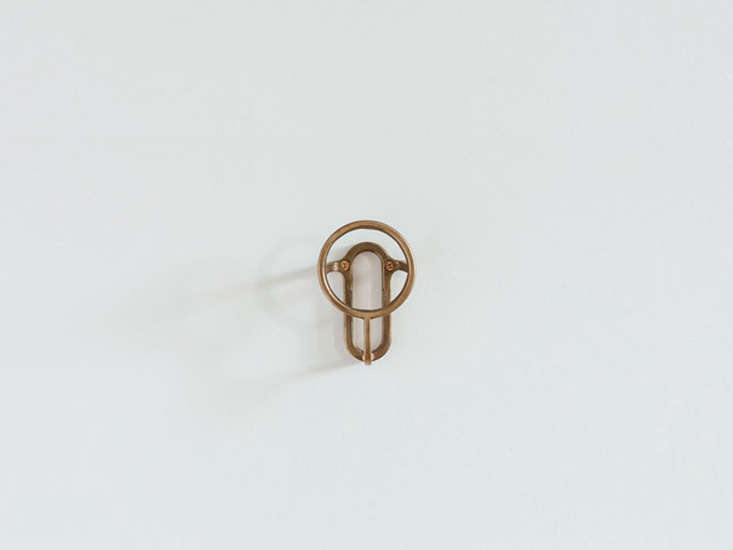
A bronze wall hook may be small, but it has the energy of a very well-dressed butler: quiet, helpful, and somehow making the whole room feel more civilized. It holds your coat, your towel, your canvas tote, your dog leash, your keys, and occasionally your will to keep the entryway from becoming a textile swamp. Unlike plastic hooks that look temporary even when they are permanent, a bronze wall hook brings warmth, weight, and character to the wall.
In American homes, wall hooks have moved far beyond “somewhere to hang a jacket.” They are now part storage solution, part decorative hardware, and part design punctuation. The right bronze wall hook can make a mudroom feel custom, a bathroom feel hotel-level, a kitchen feel collected, and a tiny apartment entryway feel like someone had a plan. That is the magic of good hardware: it does not shout, but it absolutely knows what it is doing.
This guide breaks down what makes a bronze wall hook worth buying, where to use one, how to choose the right style, how to install it securely, and how to care for the finish so it ages gracefully instead of looking like it lost a fight with a wet raincoat.
What Is a Bronze Wall Hook?
A bronze wall hook is a mounted hook made from solid bronze, bronze-plated metal, or another metal finished in a bronze tone such as oil-rubbed bronze, aged bronze, antique bronze, or champagne bronze. Its job is simple: give everyday items a place to land. Its design impact, however, is bigger than its footprint.
True bronze is traditionally an alloy made mostly of copper and tin. That copper content gives bronze its warm, earthy undertone, while tin helps improve hardness and durability. In home hardware, “bronze” can mean a few things. A solid bronze wall hook is made from the metal itself. A bronze-finish hook may be made from brass, steel, zinc alloy, or aluminum and treated to look bronze. Both can be useful, but they are not the same in price, weight, aging, or long-term feel.
Solid Bronze vs. Bronze Finish
Solid bronze hooks are typically heavier, more expensive, and more likely to develop a natural patina over time. They feel substantial in the hand, which is not scientifically necessary for hanging a bathrobe, but emotionally? Very persuasive. Bronze-finish hooks, on the other hand, offer the look of bronze at a friendlier price. They can be excellent choices for larger projects, rental upgrades, or rooms where you want the color without investing in heirloom-level hardware.
The key is to read product descriptions carefully. Phrases like “solid bronze,” “cast bronze,” or “sandcast bronze” usually point to a higher-end piece. Terms like “bronze finish,” “oil-rubbed bronze finish,” or “bronze tone” usually describe the surface appearance rather than the core material.
Why Choose Bronze Wall Hooks?
Bronze has a visual softness that many other metals lack. Chrome can feel bright and modern. Black hardware can look crisp and graphic. Brass can lean sunny and glamorous. Bronze sits somewhere in the middle: warm, grounded, handsome, and easy to live with. It pairs well with wood, stone, tile, plaster, linen, leather, rattan, and painted walls. Basically, bronze is the friend who gets along with everyone at dinner.
Bronze Adds Warmth Without Looking Flashy
A bronze wall hook is especially useful when a room needs warmth but not sparkle. In a white bathroom, bronze keeps the space from feeling sterile. In a mudroom with painted cabinetry, it adds depth. In a farmhouse kitchen, it feels authentic. In a modern apartment, it brings a handcrafted note that prevents the room from looking like a showroom where nobody is allowed to sit down.
It Works With Many Interior Styles
Bronze wall hooks can blend into traditional, transitional, rustic, industrial, Mediterranean, craftsman, midcentury, and modern interiors. A simple cylindrical bronze hook feels contemporary. A curved double hook feels classic. A hammered or cast bronze hook feels artisanal. An oil-rubbed bronze hook with dark edges can suit vintage-inspired spaces. A champagne bronze hook can soften a modern bathroom without going too yellow.
It Is Practical for High-Touch Areas
Hooks get touched, bumped, loaded, unloaded, tugged, and occasionally used as emergency drying stations for mystery garments. Bronze and bronze-style finishes are good choices because they do not show fingerprints as aggressively as polished chrome or mirror-like metals. Darker bronze finishes can also disguise small scuffs better than bright finishes, which is helpful in busy households where “gentle use” is more of a dream than a lifestyle.
Best Places to Use a Bronze Wall Hook
The beauty of a bronze wall hook is that it can be useful almost anywhere. The trick is matching the hook to the room’s needs, the wall type, and the weight of what you plan to hang.
Entryway
The entryway is the natural habitat of the wall hook. A row of bronze hooks near the door can hold coats, hats, tote bags, umbrellas, and dog leashes. If your home does not have a coat closet, hooks can create an instant drop zone. Pair them with a narrow bench and a boot tray, and suddenly the entryway looks intentional instead of like everyone entered the house and exploded.
Mudroom
In a mudroom, bronze wall hooks can be mounted above a bench, inside cubbies, or along a board rail. For families, assign one hook or hook section per person. This simple system helps backpacks, jackets, and sports bags stay off the floor. Will children use the hooks every time? Perhaps not. But a hook at least gives the backpack a better option than “middle of the hallway like a small nylon roadblock.”
Bathroom
Bronze robe hooks are excellent in bathrooms because they save space and look more polished than over-the-door hangers. Use them for robes, towels, shower caps, or a small toiletry bag. For bathrooms, choose a finish designed to tolerate moisture, and wipe the hook dry when it gets wet. Bronze looks romantic with marble, zellige tile, limestone, warm white walls, and deep green or navy cabinetry.
Kitchen
In the kitchen, bronze hooks can hold aprons, tea towels, small baskets, measuring cups, or even attractive cookware if the hook and wall support are strong enough. Bronze hardware pairs beautifully with butcher block, soapstone, terracotta, cream cabinetry, and unlacquered brass accents. A few hooks near a coffee station can also keep mugs within reach, which is helpful for anyone who needs caffeine before forming complete sentences.
Bedroom and Closet
A bronze wall hook in the bedroom can hold tomorrow’s outfit, a robe, a hat, jewelry, scarves, or a frequently used bag. In a closet, single hooks make use of awkward wall spaces that are too narrow for shelves. They are also helpful for planning outfits, airing out lightly worn clothes, or keeping belts and necklaces visible.
Laundry Room
Laundry rooms benefit from hooks because they are full of items that need temporary homes: hangers, mesh bags, stain-treatment cloths, ironing accessories, and clothing that cannot go in the dryer. Bronze hooks make the room feel more finished, especially when paired with warm wood shelves or painted cabinets.
How to Choose the Right Bronze Wall Hook
Choosing a bronze wall hook is not complicated, but it is worth thinking through. A hook that looks beautiful but cannot hold your winter coat is just wall jewelry with commitment issues.
Check the Material
If you want long-term durability and natural aging, look for solid bronze or solid brass with a bronze finish. If budget is the priority, a zinc alloy or steel hook with a bronze coating can still work well for light to medium use. For humid areas, choose hardware with a finish intended for bathrooms or damp spaces.
Look at Weight Capacity
Weight capacity matters. A decorative hook for keys does not need the same strength as a coat hook in a mudroom. For coats, backpacks, and bags, look for sturdy mounting plates, strong screws, and a published weight rating. If the product does not list a capacity, assume it is best for lighter items unless the construction clearly says otherwise.
Match the Hook Shape to the Item
Short peg hooks look sleek, but they may not hold bulky coats well. Longer hooks are better for jackets, towels, and bags with thick straps. Double hooks are useful when you need to hang two items in one spot, such as a coat and hat or robe and towel. Rounded tips help protect fabrics from snags, while sharper or narrow hooks may leave marks on delicate materials.
Consider Projection
Projection means how far the hook sticks out from the wall. A deeper projection gives more room for bulky items, but it can also become a hip-height hazard in narrow hallways. In tight spaces, choose a lower-profile hook or mount hooks where they will not interrupt traffic flow. Your hallway should not feel like an obstacle course designed by a stylish but mildly hostile architect.
Choose the Right Finish
Bronze finishes vary widely. Oil-rubbed bronze is dark, rich, and often nearly black with warm highlights. Antique bronze has a softer aged look. Aged bronze may include subtle variation and patina-like effects. Champagne bronze is lighter and more golden, often used in contemporary bathrooms and kitchens. Match the finish to other hardware in the room, but do not panic if everything is not identical. Mixed metals can look sophisticated when repeated intentionally.
Installation Tips for Bronze Wall Hooks
A bronze wall hook is only as useful as its installation. Even a beautiful, expensive hook can fail if it is mounted into weak drywall with the wrong hardware. The wall does not care how tasteful your finish is. It cares about physics.
Mount Into Studs When Possible
For heavy use, mount hooks into wall studs whenever you can. Studs provide a strong wood backing that can support regular pulling and weight. This is especially important for coat hooks, towel hooks, backpack hooks, and hooks used by children, because kids do not gently place things on hooks; they negotiate with gravity at full speed.
Use Proper Anchors for Drywall
If a stud is not available, use wall anchors rated for the expected load. Toggle bolts and heavy-duty drywall anchors are better for heavier items than basic plastic anchors. Always follow the hardware manufacturer’s instructions and avoid exceeding the rated capacity. For frequently tugged items like towels, mounting into a stud or a secured backing board is often the smarter long-term choice.
Install a Hook Rail for Multiple Hooks
If you want several hooks in a row, consider mounting them on a wood board first, then attaching the board securely to studs. This spreads the load, creates a clean design line, and lets you place hooks exactly where you want them rather than being trapped by stud spacing. A painted or stained rail with bronze hooks can look custom without requiring custom-cabinet money. Your wallet may applaud quietly.
Use Comfortable Spacing
For coats and bags, space hooks far enough apart so items do not overlap too much. Four to six inches can work for small items, but bulky coats often need more breathing room. In mudrooms, eight to twelve inches between hooks may be more practical. For children, mount hooks lower so they can actually reach them. A hook no one can reach is not storage; it is wall-mounted optimism.
How to Style Bronze Wall Hooks
Bronze wall hooks can be purely functional, but they look best when treated as part of the room design. Think about rhythm, placement, wall color, and what will hang from them most days.
Create a Repeating Line
A row of matching bronze hooks creates order. This works especially well in entryways, mudrooms, laundry rooms, and bathrooms. Keep the line level, measure carefully, and use painter’s tape to preview placement before drilling. A crooked row of hooks can make even expensive hardware look like it was installed during a mild earthquake.
Mix Single Hooks With Art
Single bronze hooks can be placed near framed art, mirrors, or small shelves. In a small entryway, a bronze hook beside a mirror creates a useful landing spot for a hat or tote. In a bedroom, a hook near a dresser can hold a favorite necklace or scarf while doubling as a decorative accent.
Pair Bronze With Natural Materials
Bronze loves natural textures. Try it with oak, walnut, cane, leather, jute, linen, marble, slate, or handmade tile. The metal’s warmth keeps these materials feeling layered and inviting. In a minimalist room, bronze can add just enough character to prevent the space from drifting into “beautiful but emotionally unavailable.”
Care and Maintenance
Most bronze wall hooks are low-maintenance, but the correct care depends on the finish. A living finish will change over time, developing patina and variation. A sealed or coated finish is designed to stay more consistent. Neither approach is wrong; it simply depends on whether you like aging and character or prefer a cleaner, more uniform look.
Clean Gently
Use a soft cloth for regular dusting. For light cleaning, wipe with a damp cloth and dry immediately. Avoid abrasive pads, harsh chemicals, bleach, ammonia, or acidic cleaners unless the manufacturer specifically recommends them. Strong cleaners can damage protective coatings or alter the finish.
Control Moisture
In bathrooms, laundry rooms, and covered outdoor areas, moisture can affect metal finishes. Wipe away water spots and avoid leaving wet towels pressed against the hook for long periods. If you want a bronze hook for an outdoor or semi-outdoor space, choose one rated for that environment.
Let Patina Be Patina
Patina is not dirt. On solid bronze, natural darkening and variation can be part of the beauty. If you want hardware that looks exactly the same forever, choose a protected finish. If you like materials that tell a story, living bronze may be your design soulmate.
Common Mistakes to Avoid
The most common mistake is choosing a hook only because it looks good in a product photo. A bronze wall hook should match the item, the wall, the room, and the way people actually behave in your house. If your family drops heavy backpacks on hooks every afternoon, do not buy tiny decorative hooks meant for necklaces. If your hallway is narrow, do not choose a hook that sticks out like a tiny bronze elbow. If your bathroom is humid, do not ignore finish durability.
Another mistake is installing hooks too high. Adults may be able to reach them, but children and shorter guests may not. In shared spaces, consider a two-level hook system: higher hooks for adults and lower hooks for kids. It looks charming and improves the odds that coats will land somewhere other than the floor.
Personal Experience: Living With Bronze Wall Hooks
Bronze wall hooks are one of those home upgrades that seem almost too small to matter until you install them. Then suddenly you wonder why you spent years flinging jackets over chairs like a person being pursued by laundry. In my experience, the biggest advantage is not just storage; it is behavior change. A good hook invites use. A bad hook gets ignored. The difference often comes down to placement, strength, and whether the hook feels like it belongs there.
In an entryway, bronze hooks can make a small space feel finished almost immediately. I have seen plain white walls become practical and handsome with nothing more than a row of dark bronze hooks and a narrow bench underneath. The hooks gave every item a home: one for a daily jacket, one for a tote bag, one for a dog leash, and one for the mysterious reusable grocery bag that appears whenever you do not need it and vanishes whenever you do. The bronze finish added warmth without demanding attention, which is exactly what entryway hardware should do.
Bathrooms are another place where bronze hooks earn their keep. Towel bars look tidy in theory, but in real life many people prefer hooks because they are faster. A towel hook does not ask you to fold anything. It simply says, “Put the towel here and go live your life.” Bronze robe hooks look especially good near warm tile, wood vanities, or soft white walls. The only habit worth building is wiping the hook dry when it gets splashed, especially if the finish is unlacquered or designed to age.
One lesson I learned quickly: installation quality matters more than hook price. An inexpensive hook mounted into a stud can outperform a luxury hook mounted poorly into weak drywall. If a hook will hold coats, bags, or wet towels, it needs real support. For multiple hooks, a wood mounting rail is often the best solution. It looks intentional, spreads the load, and allows perfect spacing. It also saves you from the comedy of trying to align every hook with a stud while pretending the wall layout was designed for your storage needs. Spoiler: it was not.
Another practical tip is to choose hooks based on what you actually own. If you wear bulky coats, use deeper hooks. If you hang handbags, look for rounded hooks that will not crease straps. If you have kids, mount hooks lower and choose sturdy shapes without sharp edges. If you want hooks mainly for keys or hats, smaller decorative bronze hooks can be perfect. The best bronze wall hook is not necessarily the fanciest one. It is the one that solves the tiny daily annoyance you have stopped noticing because you have been stepping over it for three years.
Over time, bronze also has an emotional advantage. It does not feel disposable. Whether the finish stays dark and even or develops a soft patina, bronze tends to look better when the room around it becomes more lived in. That is rare in home hardware. Many finishes look their best on installation day and slowly decline. Bronze can do the opposite: it settles into the home like it has always been there, quietly holding the evidence of daily life.
Conclusion
A bronze wall hook is a small design decision with a surprisingly large payoff. It adds storage, warmth, texture, and polish without taking up floor space. Whether you use one hook beside a bathroom vanity or a full row in a mudroom, bronze brings a timeless quality that feels both practical and elevated. Choose the right material, match the hook shape to its purpose, install it securely, and care for the finish gently. Do that, and your bronze wall hook will not just hold things; it will help your home feel more organized, more intentional, and a little more charming every day.
Note: This article is written for web publishing and synthesizes current home design, hardware selection, installation, and care best practices without adding source-link clutter.