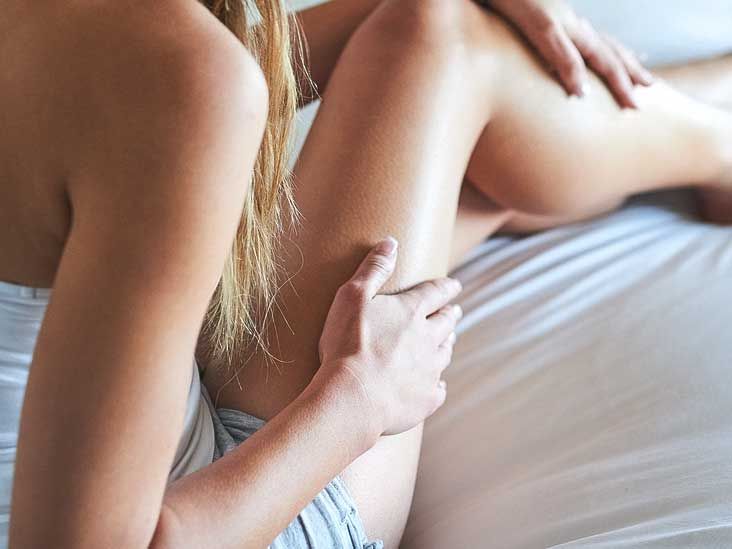
If you have a painful bump on your inner thigh that feels hot, tender, and annoyingly determined to ruin both walking and sitting, there is a decent chance you are dealing with a boil. And yes, the inner thigh is one of the most inconvenient places imaginable for one to appear. It rubs, it sweats, it gets irritated by tight clothing, and somehow the bump always seems to show up right before a beach day, a workout, or literally any event where comfort matters.
Boils on the inner thigh are common, but that does not make them fun. In most cases, they start when a hair follicle or oil gland becomes infected, often by bacteria that normally live on the skin. What begins as a small red bump can turn into a swollen, painful lump filled with pus. Some heal with simple home care. Others need medical treatment, especially if they grow larger, keep coming back, or are part of a bigger skin condition like hidradenitis suppurativa.
This guide breaks down what causes inner thigh boils, what symptoms to watch for, how to treat them safely, when to call a doctor, and what you can do to lower the odds of another unwelcome encore.
What Is a Boil on the Inner Thigh?
A boil, also called a furuncle, is a painful, pus-filled lump that forms under the skin. It usually happens when bacteria infect a hair follicle and the surrounding tissue. On the inner thigh, boils often appear where skin rubs against skin, where sweat collects, or where shaving, friction, and tiny breaks in the skin create an easy entry point for germs.
At first, a boil may look like a red pimple or a tender bump. Then it usually grows, becomes firmer, more painful, and develops a white or yellow center as pus builds up. If several boils join together under the skin, the infection may form a larger cluster called a carbuncle. That is basically the boil version of “I brought friends.”
Why the Inner Thigh Is Such a Common Spot
The inner thigh is prime real estate for boils because it combines several things bacteria love: warmth, moisture, friction, and hair follicles. When your thighs rub together, the skin can become irritated. Add sweat, tight workout clothes, shaving, or ingrown hairs, and you have the perfect setup for inflammation and infection.
People who exercise frequently, wear snug clothing for long periods, have larger thighs, sweat heavily, shave the groin or upper thigh area, or spend time sitting in damp clothes may be more likely to get boils in this area. The risk can also be higher if you have diabetes, a weakened immune system, eczema, recurrent staph infections, or frequent skin irritation.
Common Causes of Boils on the Inner Thigh
1. Bacterial Infection
The most common cause is a bacterial infection, especially Staphylococcus aureus, often called staph. These bacteria can live on the skin or in the nose without causing trouble, then slip into a hair follicle or a tiny break in the skin and trigger an infection.
2. Friction and Chafing
Repeated rubbing between the thighs can damage the skin barrier. When that happens, bacteria have an easier time getting in. This is one reason boils tend to show up after long walks, workouts, humid weather, or a day spent in tight jeans that felt cute at 8 a.m. and like a bad life choice by noon.
3. Shaving and Ingrown Hairs
Shaving can create tiny nicks in the skin. It can also lead to ingrown hairs, which may become inflamed or infected. A bump that starts as folliculitis or an irritated ingrown hair can sometimes deepen into a true boil.
4. Poorly Ventilated Clothing
Non-breathable underwear, compression shorts, leggings worn for hours after a workout, or anything that traps heat and moisture can make the inner thigh area more prone to irritation and infection.
5. Hidradenitis Suppurativa
Not every “boil” is a standard boil. If you keep getting painful lumps in the groin, inner thighs, buttocks, or underarms, the problem may be hidradenitis suppurativa, often shortened to HS. This chronic inflammatory skin condition can look like recurring boils, but it tends to come back in the same areas, heal slowly, drain repeatedly, and sometimes leave scars or tunnel-like tracts under the skin.
If your inner thigh bumps recur again and again, especially on both sides, it is worth asking a dermatologist whether HS could be the real issue.
Symptoms of a Boil on the Inner Thigh
A boil on the inner thigh often starts small and then becomes much harder to ignore. Symptoms can include:
- A red or purplish bump under the skin
- Pain or tenderness, especially when walking or sitting
- Swelling and warmth around the area
- A white or yellow center filled with pus
- Drainage, oozing, or crusting if it opens
- Itching or irritation before the bump fully forms
- Skin redness around the boil
If the infection gets worse, you may also notice fever, fatigue, red streaks spreading away from the boil, worsening pain, or swelling in nearby tissue. Those are signs the infection may be spreading and should not be brushed off.
Boil or Something Else?
The inner thigh can host several skin problems that look similar at first glance. Getting the diagnosis right matters because treatment is not always the same.
Folliculitis
Folliculitis is a superficial inflammation or infection of hair follicles. It often causes small red or pus-filled bumps and tends to be less deep and less painful than a boil.
Cyst
A cyst is usually a sac under the skin filled with fluid or keratin. It may become tender if inflamed, but it is not always infected.
Abscess
A boil is essentially a type of small skin abscess involving a hair follicle. A larger abscess may look similar but can extend deeper or wider into the skin.
Hidradenitis Suppurativa
If the lumps come back often, appear in skin-fold areas, drain repeatedly, or leave scars, HS should move way up the suspect list.
MRSA Skin Infection
Some boils are caused by MRSA, a form of staph that is resistant to certain antibiotics. These infections can start as what looks like a pimple or spider bite, then become rapidly painful, swollen, and pus-filled.
If you are not sure what the bump is, a clinician may diagnose it by examining the area. In recurrent or stubborn cases, they may test drainage from the lesion to identify the bacteria and choose the right antibiotic.
How to Treat a Boil on the Inner Thigh at Home
Small boils often improve with careful home treatment. The goal is to reduce pain, encourage natural drainage, and avoid spreading the infection.
Use a Warm Compress
This is the classic first step for a reason. Apply a clean, warm, moist washcloth to the boil for about 10 to 15 minutes, three to four times a day. Heat can help the boil come to a head and drain on its own.
Keep the Area Clean
Wash the area gently with mild soap and water. Pat dry. Avoid scrubbing like you are trying to win a stain-removal contest.
Do Not Squeeze, Pop, or Lance It
This is the big one. Popping a boil at home can push bacteria deeper, spread infection, worsen scarring, and turn a manageable problem into a much more dramatic one. Let it drain naturally or have it treated professionally.
Cover It if It Opens
If the boil drains, place a clean bandage or gauze over it to protect the skin and reduce the risk of spreading bacteria. Change the dressing regularly.
Reduce Friction
Wear loose, breathable clothing. Soft cotton underwear, anti-chafing measures, and staying out of sweaty clothes can make a surprisingly big difference.
Use Pain Relief if Needed
If it hurts, over-the-counter pain relievers may help, as long as they are safe for you to use. Follow the label directions or your clinician’s advice.
Medical Treatments for Inner Thigh Boils
Home care is fine for some boils, but others need professional treatment. A doctor may recommend one or more of the following:
Incision and Drainage
For large, deep, or especially painful boils, a clinician may make a small cut to drain the pus safely. This is often the fastest route to relief and healing.
Antibiotics
Antibiotics are not always needed for every boil, but they may be prescribed if the infection is severe, recurrent, associated with fever, spreading into nearby tissue, or likely caused by resistant bacteria such as MRSA.
Culture Testing
If you get boils repeatedly, or if a boil does not respond to standard treatment, a clinician may send a sample of the drainage to a lab. That helps identify the bacteria and guides treatment.
Treatment for Hidradenitis Suppurativa
If your “boils” turn out to be HS, treatment may involve prescription antibiotics, anti-inflammatory therapies, steroid injections, special washes, hormonal treatment in some cases, or procedures performed by a dermatologist. Early diagnosis matters because HS can worsen over time if ignored.
When to See a Doctor
Call a healthcare professional if:
- The boil gets bigger or more painful
- You have a fever or feel generally sick
- You notice spreading redness or red streaks
- The boil lasts longer than about a week with home care
- It keeps coming back
- You have multiple boils at once
- You have diabetes or a weakened immune system
- The area is extremely swollen, hot, or hard
- You suspect hidradenitis suppurativa
Do not wait too long if the pain is intense or the infection seems to be spreading. Inner thigh boils can be miserable, but most are very treatable once the right care starts.
How Long Does an Inner Thigh Boil Take to Heal?
Many small boils improve within 1 to 3 weeks. Once the boil opens and drains, the pain usually begins to ease. Healing can take longer if the boil is large, located in an area of constant friction, or related to an ongoing condition like HS.
If your boil is not clearly improving after several days of warm compresses and skin care, it is smart to get checked. Not because you are overreacting, but because your thigh may be done negotiating.
How to Prevent Boils on the Inner Thigh
You cannot prevent every boil, but you can reduce your risk.
Keep the Skin Clean and Dry
Wash after sweating and change out of damp clothes quickly. Dry the inner thigh area gently but thoroughly.
Wear Breathable Clothing
Choose underwear and pants that reduce heat and friction. Moisture-wicking fabrics can help during workouts.
Avoid Sharing Personal Items
Do not share towels, razors, clothing, or washcloths, especially if you or someone in your household has an active skin infection.
Protect the Skin Barrier
Treat cuts, razor bumps, and chafing early. Keeping skin healthy makes it harder for bacteria to move in uninvited.
Use Good Shaving Habits
If you shave the area, use a clean razor, shave gently, and avoid shaving irritated skin. Some people do better trimming instead of shaving closely.
Address Recurrence
If you get repeated boils, ask your healthcare provider whether you may be carrying staph bacteria or whether another condition, such as HS, diabetes, or chronic folliculitis, is contributing.
Common Experiences People Have With Boils on the Inner Thigh
One reason inner thigh boils feel so frustrating is that they interfere with ordinary life in a very unordinary way. People often describe the first day as “just a tender little bump,” something easy to dismiss as an ingrown hair, shaving irritation, or a random pimple. Then the next day arrives, and suddenly walking upstairs feels personal. Sitting in a chair feels personal. Wearing jeans feels deeply personal.
A very common experience is the awkward progression from mild annoyance to full-blown logistical problem. People change how they walk. They avoid workouts. They sit on one side. They start judging every pair of pants in the closet like a suspicious detective. Soft shorts become heroes. Seams become villains.
Another common theme is uncertainty. Many people are not sure whether the bump is a boil, a cyst, folliculitis, or something else. They may spend a day or two trying to figure out whether warm compresses are helping or whether the area is getting angrier by the hour. That uncertainty is even more common when the bumps return in the same groin or inner thigh area, because recurrent lesions can signal hidradenitis suppurativa rather than a simple one-time infection.
People also talk a lot about embarrassment, even though there is truly no reason for it. Boils can happen to clean, healthy people. They are not a sign that someone is “dirty.” Still, because the inner thigh and groin are private areas, some people delay getting care longer than they should. They try to manage it quietly, sometimes with every home remedy except the one that matters most: getting a medical opinion when it is clearly not improving.
Pain is another major part of the experience. What surprises many people is not just that the boil hurts, but how much it hurts in such a small area. That is partly because the inner thigh is constantly moving. Even normal actions like standing up, rolling over in bed, or getting in and out of a car can keep the area irritated. If the boil starts draining, there can be relief, but also worries about odor, staining clothes, or keeping the wound covered during the day.
For people with repeated boils, the emotional side can become just as exhausting as the physical part. They may wonder before every workout, trip, or hot-weather day whether another flare is coming. Some become experts in carrying spare gauze, wearing breathable fabrics, and spotting the difference between ordinary chafing and the start of another lesion. That kind of vigilance can wear on a person over time.
The good news is that many people feel much better once they understand what they are dealing with and how to treat it properly. A one-time boil may heal with warm compresses and good skin care. Recurrent boils may improve when the underlying cause is identified. And when the issue turns out to be hidradenitis suppurativa, finally getting the right diagnosis can be a major turning point. In other words, the experience is often uncomfortable, inconvenient, and occasionally dramatic, but it is also manageable with the right care plan.
Final Thoughts
Boils on the inner thigh are common, painful, and spectacularly bad at respecting personal space. Most start with a bacterial infection in or around a hair follicle, often made worse by friction, sweat, shaving, or irritated skin. Small boils may improve with warm compresses, clean wound care, and patience. Bigger or recurrent boils may need drainage, antibiotics, or evaluation for conditions such as hidradenitis suppurativa.
The most important rule is simple: do not squeeze it. If the boil is worsening, keeps returning, or comes with fever, spreading redness, or severe pain, get medical care. A fast check now is usually much easier than dealing with a bigger infection later.