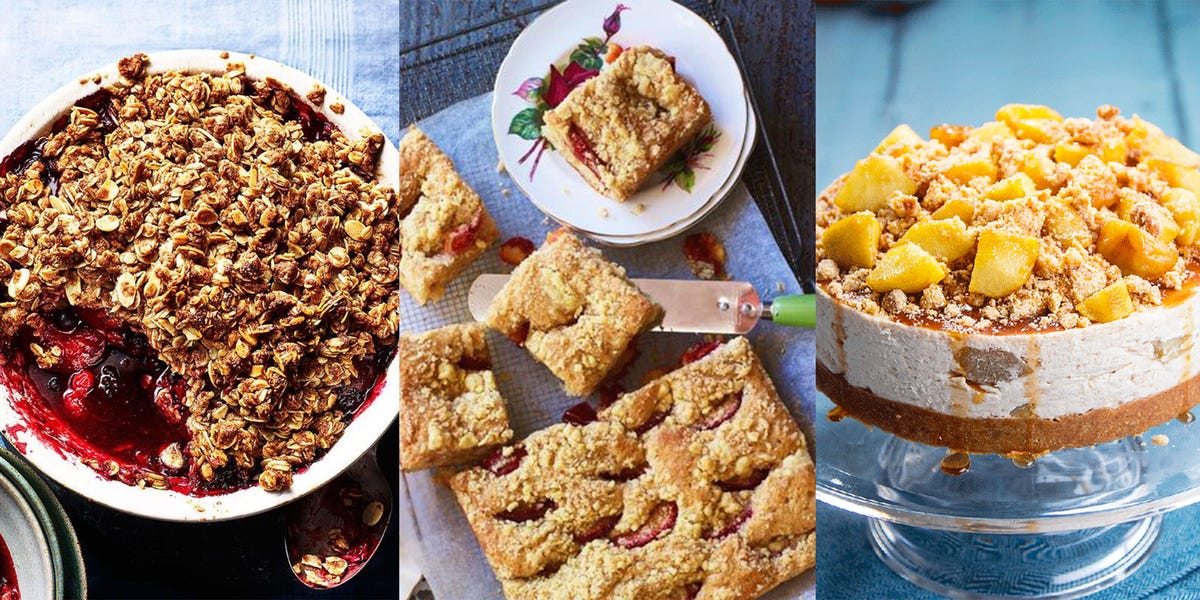
If pie is a tuxedo, crumble is your favorite cozy sweater: warm, reliable, and somehow appropriate for almost every occasion. The best crumble recipes are simple enough for a weeknight dessert but impressive enough to bring to a potluck where someone will inevitably ask, “Who made this?” That is your cue to smile mysteriously and pretend it took more effort than tossing fruit with sugar and burying it under buttery crumbs.
A great fruit crumble is all about contrast. The filling should be juicy but not watery, sweet but not sleepy, and bright enough to make the fruit taste like itself. The topping should be crisp, golden, crumbly, buttery, and slightly salty. Get those pieces right, and you can make apple crumble in October, peach crumble in July, berry crumble in June, or a “what’s-about-to-die-in-the-fruit-bowl” crumble any time of year.
This guide covers the best crumble recipes, smart fruit combinations, reliable ratios, baking tips, and serving ideas. It also explains the tiny but important difference between crumbles, crisps, and cobblers, because dessert should be deliciousbut it can also have a little vocabulary lesson on the side.
What Makes a Crumble Different From a Crisp or Cobbler?
In American kitchens, the words “crumble” and “crisp” are often used interchangeably. Traditionally, a crumble topping is made with flour, sugar, butter, and sometimes nuts or spices. A crisp usually includes oats, which become crunchy during baking. A cobbler, meanwhile, is topped with biscuit dough, batter, or a pastry-like topping instead of crumbs.
But here is the practical truth: nobody at the table will complain if your crumble topping contains oats. They will be too busy deciding whether a second scoop counts as “checking for quality.” In this article, “crumble” refers broadly to baked fruit desserts with a crumbly topping, including oat-topped versions that many home bakers call crisps.
The Basic Formula for the Best Fruit Crumble
Once you understand the basic formula, you can create almost any crumble recipe without needing to consult a cookbook every time. A standard 8-by-8-inch baking dish usually needs about 5 to 6 cups of prepared fruit and 1 1/2 to 2 cups of crumble topping.
Basic Fruit Filling
For most fruit crumble recipes, combine sliced or chopped fruit with sugar, lemon juice, a pinch of salt, and a thickener. Cornstarch, flour, tapioca starch, or arrowroot can help the fruit juices set into a glossy sauce instead of turning your dessert into fruit soup. Softer berries usually need more thickener than apples or pears.
Basic Crumble Topping
A classic topping starts with flour, brown sugar, butter, cinnamon, and salt. Add oats for extra texture, chopped nuts for crunch, or shredded coconut for a tropical twist. Cold butter creates chunkier crumbs, while melted butter makes a sandier, more even topping. Both work beautifully; choose your texture adventure.
Best Baking Temperature
Most crumbles bake best at 350°F to 375°F. This moderate heat gives the fruit enough time to soften and bubble while allowing the topping to turn golden without burning. If the top browns too quickly, loosely cover it with foil. If the filling is not bubbling at the edges, it is not finished yet. Bubbling fruit is the dessert’s way of saying, “I am ready for ice cream.”
1. Classic Apple Crumble
Apple crumble is the little black dress of baked fruit desserts. It never goes out of style, works in every season, and pairs beautifully with vanilla ice cream. For the best flavor, use a mix of tart and sweet apples. Granny Smith brings structure and tang, while Honeycrisp, Fuji, Pink Lady, or Gala add natural sweetness.
Slice the apples about 1/4 inch thick so they soften evenly. Toss them with brown sugar, lemon juice, cinnamon, nutmeg, vanilla, and a spoonful of flour or cornstarch. Top with a mixture of flour, oats, brown sugar, butter, cinnamon, and salt. Bake until the apples are tender and the juices bubble around the edges.
Best add-ins: chopped pecans, walnuts, dried cranberries, maple syrup, caramel drizzle, or a little orange zest.
2. Mixed Berry Crumble
Mixed berry crumble is bright, colorful, and dramatic in the best way. Blueberries, raspberries, blackberries, and strawberries create a filling that tastes like summer squeezed into a baking dish. Because berries release a lot of juice, use cornstarch or tapioca starch to keep the filling thick and spoonable.
A good berry crumble should taste fresh rather than overly sweet. Add lemon juice and lemon zest to sharpen the flavor. The topping can be simple: flour, oats, brown sugar, butter, and a pinch of salt. Almonds work especially well here because their nutty flavor balances the tart berries.
Best serving idea: spoon warm berry crumble over Greek yogurt for breakfast. Is it dessert? Yes. Is it also fruit and dairy? Also yes. We are adults; we can make these decisions.
3. Peach Crumble
Peach crumble is what happens when summer decides to wear perfume. Juicy peaches bake into a fragrant, golden filling that needs very little help. Use ripe but not mushy peaches, and peel them if you prefer a softer texture. Nectarines also work well and save you the peeling step.
Toss sliced peaches with sugar, lemon juice, vanilla, and cornstarch. Cinnamon is classic, but ginger, cardamom, and allspice also pair beautifully with peaches. A brown sugar crumble topping with oats and pecans gives the dessert a warm, buttery finish.
Best variation: peach blueberry crumble. The blueberries add color and jammy texture, while the peaches keep everything sunny and sweet.
4. Strawberry Rhubarb Crumble
Strawberry rhubarb crumble is for people who like dessert with a little personality. Rhubarb is tart, strawberries are sweet, and together they create a filling that tastes lively instead of flat. Since rhubarb can be quite sharp, adjust the sugar depending on how tart your stalks are.
Cut rhubarb into small pieces so it softens properly. Mix it with sliced strawberries, sugar, lemon juice, vanilla, and cornstarch. The topping can be classic oat crumble, but adding a tiny pinch of black pepper or ground ginger gives the filling a subtle grown-up kick.
Best occasion: spring brunch, Mother’s Day, or any day when you want your kitchen to smell like a bakery with excellent life choices.
5. Blueberry Crumble
Blueberry crumble is simple, bold, and almost impossible to dislike. Fresh blueberries are wonderful in peak season, but frozen blueberries work well too. Do not thaw frozen berries before baking unless the recipe specifically says to; thawed berries can release too much liquid before they even reach the oven.
Blueberries benefit from lemon zest, a touch of cinnamon, and enough thickener to control their juices. For a more intense flavor, add a spoonful of blueberry jam or a splash of vanilla. The topping can include oats, sliced almonds, or even a small amount of cornmeal for texture.
Best tip: let blueberry crumble cool for at least 15 minutes before serving. The filling thickens as it rests, which means you get saucy berries instead of a purple landslide.
6. Pear Cranberry Crumble
Pear cranberry crumble is perfect for fall and winter. Pears are soft, mellow, and floral, while cranberries bring tartness and color. Together, they make a dessert that feels festive without demanding pie crust, lattice work, or emotional support.
Use firm pears such as Bosc or Anjou so they hold their shape. Toss them with fresh or frozen cranberries, brown sugar, orange zest, lemon juice, and a bit of cornstarch. The topping is excellent with oats, walnuts, cinnamon, and ginger.
Best pairing: serve with whipped cream lightly sweetened with maple syrup, or add a scoop of cinnamon ice cream if you are feeling fancy.
7. Plum Cardamom Crumble
Plum crumble is underrated. Plums soften into a vivid, tangy filling that tastes deeper and more complex than many sweeter fruits. Cardamom brings a floral spice note that makes the crumble feel bakery-level without requiring bakery-level patience.
Cut plums into wedges and toss with sugar, lemon juice, cornstarch, and ground cardamom. Add pistachios or almonds to the crumble topping for crunch and color. Because plums can be extremely juicy, use a deep baking dish and place it on a rimmed baking sheet to catch any bubbling overflow.
Best flavor boost: add a spoonful of honey to the fruit filling and a pinch of salt to the topping. Salt is small but mighty; it wakes up the butter and keeps the sweetness balanced.
8. Apple Blackberry Crumble
Apple blackberry crumble is cozy and dramatic at the same time. Apples give the filling structure, while blackberries melt into a deep purple sauce. This combination is especially good when apples are crisp and berries are still available fresh, but frozen blackberries also work beautifully.
Cut the apples into small slices or chunks so they cook at the same pace as the berries. Add lemon juice, cinnamon, and a little brown sugar. The blackberry juices will stain everything in the most delicious way, so do not wear a white shirt while serving unless you enjoy living dangerously.
Best topping: oat crumble with hazelnuts or pecans. The nutty crunch plays nicely against the soft apples and jammy berries.
9. Cherry Almond Crumble
Cherry almond crumble tastes like something from a charming café that charges extra for linen napkins. Sweet cherries, tart cherries, or a blend of both can be used. If using frozen cherries, keep an eye on the liquid and add enough thickener to prevent a runny filling.
Almond extract is powerful, so use it carefully. A small splash can make cherries taste more cherry-like; too much and your dessert starts smelling like a scented candle. Add sliced almonds to the topping and consider a little orange zest in the fruit filling.
Best shortcut: use frozen pitted cherries. Your hands, cutting board, and kitchen towels will thank you.
10. Tropical Pineapple Mango Crumble
Not every crumble needs to live in apple-cinnamon territory. A tropical crumble with pineapple, mango, and banana or coconut is bright, sunny, and unexpected. Pineapple brings acidity, mango adds lush sweetness, and coconut in the topping gives the dessert a vacation mood.
Because tropical fruits vary in sweetness, taste before adding sugar. Lime juice works better than lemon here, and a little ginger adds warmth. Use a topping with flour, brown sugar, butter, oats, shredded coconut, and macadamia nuts if you want maximum island energy.
Best serving idea: top with coconut ice cream or a dollop of lightly sweetened whipped cream.
How to Make Any Crumble Better
Cut Fruit Evenly
Fruit pieces should be similar in size so they cook evenly. Apples and pears need smaller slices than berries, which can usually be left whole unless they are very large strawberries.
Use Enough Thickener
Watery crumble is usually caused by skipping the thickener. Cornstarch is the most common option, but flour, tapioca starch, arrowroot, and potato starch can also work. Juicy berries and stone fruits need more help than firm apples.
Add Acid
Lemon juice, lime juice, orange zest, or even a tiny splash of vinegar can brighten the filling. Acid keeps sweet fruit from tasting dull and gives the dessert balance.
Do Not Overload the Topping
More topping sounds like a good idea until it turns into a heavy blanket that prevents the fruit from bubbling properly. Aim for a generous but not excessive layer. The fruit should remain the star; the topping is the charming sidekick with butter on its résumé.
Let It Rest Before Serving
A crumble fresh from the oven is extremely hot and loose. Let it rest for 10 to 20 minutes so the juices thicken. This also reduces the chance of burning your tongue and spending dessert making silent cartoon noises.
Best Crumble Topping Ideas
The classic crumble topping is wonderful, but small changes can make it feel new. Add chopped pecans to apple crumble, almonds to cherry crumble, pistachios to plum crumble, or coconut to mango crumble. Spices also change the mood quickly: cinnamon is cozy, ginger is bright, cardamom is elegant, and nutmeg is warm and nostalgic.
For a gluten-free crumble, use certified gluten-free oats and replace all-purpose flour with almond flour, oat flour, or a gluten-free baking blend. For a nuttier flavor, combine almond flour with oats and brown sugar. For a vegan crumble, use plant-based butter or coconut oil, though butter alternatives vary in salt and moisture, so the topping may need small adjustments.
Make-Ahead and Storage Tips
Crumble topping can be made ahead and frozen. Mix the dry ingredients with butter until crumbly, spread the mixture on a tray to freeze, then transfer it to a freezer bag. When fruit is ready, sprinkle the frozen topping directly over the filling and bake.
Baked crumble keeps well in the refrigerator for several days. Reheat it in a 325°F oven until warm. The microwave is faster, but the topping will soften. If crisp topping matters to youand it should, because you are a person of standardsthe oven is the better choice.
Personal Experience: What I Learned From Making Crumbles Again and Again
My favorite thing about crumble is that it forgives you before you even make a mistake. I have baked crumbles with too many apples, not enough berries, peaches that were slightly too soft, and a topping I mixed while distracted by a phone notification. Somehow, most of them still came out delicious. Crumble is not the strict school principal of desserts. It is the cheerful aunt who says, “That looks rustic,” and hands you a spoon.
The first lesson I learned is that the fruit matters more than the recipe title. A peach crumble made with hard, bland peaches will never taste as good as one made with ripe fruit that smells sweet before you cut it. The same goes for apples. If the apples taste flat raw, they will need help from lemon juice, brown sugar, spice, and maybe a splash of vanilla. When the fruit is flavorful, the crumble almost makes itself.
The second lesson is that salt is not optional. A pinch of salt in the filling and topping makes the entire dessert taste more alive. Without it, crumble can taste sweet but one-dimensional, like a song played on only one note. Salt sharpens the fruit, deepens the butter, and makes the topping taste like something you want to steal from the corner of the pan when nobody is looking.
The third lesson is to respect the bubbling. I used to pull crumbles from the oven as soon as the topping looked golden. That was a rookie move. The topping may brown before the fruit has fully cooked and thickened. Now I look for bubbling juices around the edges and sometimes in the center. If the topping is browning too fast, I cover it loosely with foil and let the fruit catch up. This one change made my crumbles less runny and more spoonable.
The fourth lesson is that leftovers are not a problem; they are a strategy. Warm crumble with ice cream is dessert. Cold crumble with yogurt is breakfast. A spoonful of berry crumble over oatmeal feels like a reward for being awake. Apple crumble reheated in the oven can make a regular Tuesday feel like a holiday, especially if the kitchen still smells faintly of cinnamon.
Finally, I learned that crumble is one of the best desserts for nervous bakers. There is no dough to roll, no frosting to smooth, no layers to stack, and no tragic moment where a cake refuses to leave the pan. You chop fruit, mix crumbs, bake, and wait for the oven to do the charming part. The result is warm, generous, and deeply comfortingthe kind of dessert that does not need perfect edges because it has personality.
Conclusion
The best crumble recipes are flexible, seasonal, and wonderfully low-stress. Start with good fruit, balance sweetness with acid, use a thickener for juicy fillings, and bake until the topping is golden and the fruit is bubbling. Classic apple crumble is always welcome, but do not stop there. Try mixed berry, peach blueberry, strawberry rhubarb, pear cranberry, plum cardamom, cherry almond, or tropical mango pineapple crumble.
Whether you serve it warm with vanilla ice cream, chilled with yogurt, or straight from the pan while pretending you are “just evening out the corner,” crumble is one of the easiest desserts to love. It is humble, adaptable, and reliably deliciouswhich is exactly why the best crumble recipes never stay on the table for long.
Note: This article synthesizes widely used crumble techniques and recipe guidance from reputable American cooking publications, baking experts, and tested kitchen resources. It is written as original, publish-ready content with no copied recipe text or source-link clutter.