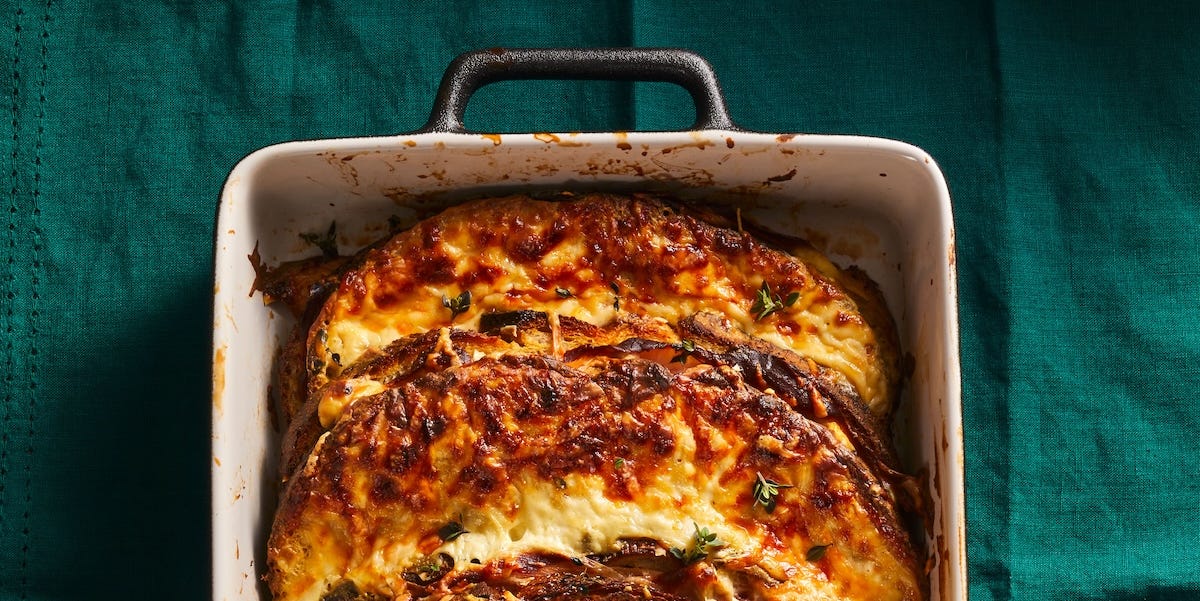
If a classic croque monsieur walked into brunch wearing stretchy pants, it would become this croque monsieur casserole. It has everything people love about the famous French ham and cheese sandwich: savory ham, nutty Gruyère, a whisper of Dijon mustard, golden bread, and a creamy béchamel sauce that makes the whole dish taste like it got dressed up for a Paris café and then decided to nap in a baking dish.
This recipe turns the traditional sandwich into a make-ahead brunch casserole that serves a crowd without asking you to stand over the stove flipping sandwiches one by one. The bread soaks up a rich egg custard, the ham adds salty depth, the cheese melts into every corner, and the béchamel turns bubbly and lightly browned on top. It is cozy, impressive, and surprisingly practical. Basically, it is brunch with a beret.
Below, you will learn how to make the best croque monsieur casserole, what ingredients matter most, how to avoid a soggy center, and how to customize it for breakfast, lunch, holidays, potlucks, or any morning when toast alone feels emotionally insufficient.
What Is Croque Monsieur Casserole?
A croque monsieur is a French hot ham and cheese sandwich traditionally made with bread, ham, Gruyère or a similar melting cheese, and often béchamel or Mornay sauce. A croque madame is the same idea with an egg on top. Croque monsieur casserole takes those same flavors and builds them into a layered, baked dish.
Instead of assembling individual sandwiches, you cube or layer bread in a baking dish, tuck in ham and cheese, pour over a savory custard, and finish everything with creamy béchamel and more cheese. The result lands somewhere between a breakfast strata, a savory bread pudding, and the most luxurious ham and cheese bake at the table.
The beauty of this dish is balance. The bread should be tender but not mushy. The cheese should melt without turning greasy. The ham should be present in every bite without taking over the room like an uncle with vacation photos. And the béchamel should be rich, smooth, and lightly seasoned so it supports the casserole instead of smothering it.
Why This Is the Best Croque Monsieur Casserole Recipe
This recipe is built around three key ideas: texture, flavor, and make-ahead convenience. Many casseroles fail because they become too wet in the middle, too dry on the edges, or too one-note. This version avoids those problems by using sturdy bread, a well-seasoned custard, a real béchamel sauce, and enough cheese to feel generous without turning the casserole into a dairy landslide.
The bread is lightly dried or toasted first, which helps it absorb the custard evenly. The custard includes eggs, milk, cream, Dijon mustard, nutmeg, salt, and pepper. The béchamel is cooked separately so it becomes silky before baking. Gruyère brings the signature nutty flavor, while a small amount of Parmesan sharpens the top layer and helps create a golden crust.
Most importantly, this croque monsieur casserole can be assembled ahead. Letting it rest in the refrigerator gives the bread time to soak up the custard, which makes the final texture more cohesive. In the morning, all you have to do is bake, make coffee, and accept compliments with fake modesty.
Ingredients You’ll Need
For the Casserole
- 1 large loaf day-old brioche, challah, pain de mie, or sturdy white bread, cut into 1-inch cubes
- 12 ounces thinly sliced ham, preferably Black Forest ham, Parisian-style ham, or quality deli ham
- 2 1/2 cups shredded Gruyère cheese, divided
- 1/2 cup grated Parmesan cheese, divided
- 6 large eggs
- 1 1/2 cups whole milk
- 1 cup heavy cream
- 2 tablespoons Dijon mustard
- 1/2 teaspoon kosher salt
- 1/2 teaspoon freshly ground black pepper
- 1/4 teaspoon ground nutmeg
- 2 tablespoons unsalted butter, softened, for greasing the dish
- 1 tablespoon chopped fresh thyme or chives, optional, for garnish
For the Béchamel Sauce
- 3 tablespoons unsalted butter
- 3 tablespoons all-purpose flour
- 2 cups whole milk, warm
- 1 teaspoon Dijon mustard
- 1/4 teaspoon ground nutmeg
- 1/4 teaspoon kosher salt, plus more to taste
- 1/4 teaspoon white or black pepper
- 1/2 cup shredded Gruyère cheese
Best Bread for Croque Monsieur Casserole
The bread is not just a background character here. It is the structure of the whole casserole. Soft sandwich bread can work, but it should be slightly stale or lightly toasted first. Brioche gives the dish a buttery richness. Challah brings a tender, slightly eggy texture. Pain de mie gives you a classic French sandwich feel. A rustic white loaf works beautifully if the crust is not too tough.
Avoid very airy baguette unless you combine it with softer bread. Baguette can become chewy in a casserole if it is too crust-heavy. Also avoid bread that is extremely fresh and fluffy. Fresh bread absorbs liquid too quickly on the outside while staying oddly spongy inside. Day-old bread is your friend. In this recipe, stale bread is not a problem; it is a promotion.
How To Make Croque Monsieur Casserole
Step 1: Prepare the Bread
Preheat the oven to 300°F. Spread the bread cubes on a large baking sheet and bake for 10 to 15 minutes, stirring once, until the bread feels dry but not deeply toasted. This helps the bread absorb the custard without collapsing. Let it cool slightly.
Step 2: Grease the Baking Dish
Butter a 9-by-13-inch baking dish. Be generous in the corners because cheese loves to cling there like it pays rent. Add half of the dried bread cubes to the dish in an even layer.
Step 3: Add Ham and Cheese
Layer half of the ham over the bread. Sprinkle with 1 cup of Gruyère and 1/4 cup of Parmesan. Add the remaining bread cubes, then layer on the remaining ham. Save the rest of the cheese for the top.
Step 4: Make the Custard
In a large bowl, whisk together the eggs, whole milk, heavy cream, Dijon mustard, kosher salt, black pepper, and nutmeg. Whisk until the eggs are fully blended and the mustard is evenly mixed in. Pour the custard slowly over the bread, making sure to cover the entire dish.
Step 5: Press and Rest
Use a spatula or clean hands to gently press the bread down into the custard. Cover the dish and refrigerate for at least 1 hour, or preferably overnight. This resting time gives the bread a chance to drink in the custard like it just finished a marathon.
Step 6: Make the Béchamel
In a medium saucepan, melt the butter over medium heat. Add the flour and whisk for 1 to 2 minutes, until the mixture is smooth and lightly bubbling. Slowly pour in the warm milk while whisking constantly. Continue cooking for 4 to 6 minutes, until the sauce thickens enough to coat the back of a spoon.
Whisk in Dijon mustard, nutmeg, salt, pepper, and 1/2 cup Gruyère. Stir until the cheese melts and the sauce becomes smooth. Taste and adjust seasoning. The sauce should be creamy, savory, and slightly nutty, not bland and shy.
Step 7: Assemble the Top Layer
Remove the casserole from the refrigerator while the oven preheats to 350°F. Spoon the béchamel evenly over the top. Sprinkle with the remaining Gruyère and Parmesan. This top layer is where the magic happens: bubbling cheese, golden edges, and the kind of aroma that makes people wander into the kitchen asking extremely obvious questions like, “Is that ready yet?”
Step 8: Bake Until Golden
Bake uncovered for 45 to 55 minutes, or until the casserole is puffed, golden brown, and set in the center. For food safety, the center should reach 165°F on an instant-read thermometer. If the top browns too quickly, loosely tent the dish with foil for the final 10 to 15 minutes.
Step 9: Rest Before Serving
Let the casserole rest for 10 to 15 minutes before slicing. This short rest helps the custard settle and makes serving cleaner. Sprinkle with thyme or chives if desired, then serve warm.
Recipe Card: Croque Monsieur Casserole
Prep Time: 25 minutes
Resting Time: 1 hour to overnight
Cook Time: 45 to 55 minutes
Total Time: About 2 hours, or overnight if making ahead
Servings: 8 to 10
Best For: Brunch, holidays, meal prep, potlucks, breakfast-for-dinner
Tips for the Best Texture
Use Day-Old Bread
Dry bread absorbs custard better than fresh bread. If your bread is fresh, cube it and dry it in the oven. This one small step makes the difference between a custardy casserole and a soggy bread swamp.
Shred Your Own Cheese
Pre-shredded cheese is convenient, but it often contains anti-caking ingredients that can affect melting. Freshly shredded Gruyère melts more smoothly and gives the casserole a better texture.
Do Not Skip the Dijon
Dijon mustard cuts through the richness of the cheese, cream, and ham. It does not make the casserole taste aggressively mustardy; it simply wakes everything up. Without it, the dish can taste heavy. With it, the flavors snap into focus.
Let It Rest Before Baking
The resting period allows the custard to move through the bread evenly. If you bake immediately, the top may be flavorful while the center remains uneven. Overnight resting is especially helpful for brunch because the hard work is already done before anyone asks where the coffee filters are.
Make-Ahead Instructions
To make croque monsieur casserole ahead, assemble the bread, ham, cheese, and custard in the baking dish. Cover tightly and refrigerate overnight. Make the béchamel the same day or prepare it ahead and refrigerate it separately. If the béchamel thickens in the fridge, warm it gently and whisk in a splash of milk until it becomes spreadable again.
In the morning, remove the casserole from the refrigerator for 20 to 30 minutes while the oven preheats. Add the béchamel and final cheese topping, then bake as directed. You may need to add 5 to 10 minutes of baking time if the casserole is still very cold.
Variations and Substitutions
Croque Madame Casserole
Turn this into a croque madame casserole by serving each slice with a fried or poached egg on top. The runny yolk adds richness and makes the dish feel even more brunch-worthy. It also gives you a legitimate reason to say, “This is basically breakfast,” while eating a cheese-covered casserole.
Turkey Croque Casserole
Swap the ham for sliced turkey if you prefer a lighter flavor. Smoked turkey works especially well because it brings the savory depth that ham usually provides.
Vegetarian Croque-Style Casserole
For a vegetarian version, replace the ham with sautéed mushrooms, caramelized onions, spinach, or roasted asparagus. Mushrooms are especially good because they add a meaty texture and earthy flavor.
Cheese Options
Gruyère is the classic choice because it melts beautifully and has a nutty, slightly sweet flavor. If you cannot find it, try Emmental, Comté, Swiss cheese, or a combination of Swiss and Parmesan. Avoid cheeses that release too much oil when baked.
What To Serve With Croque Monsieur Casserole
This casserole is rich, so it pairs best with something fresh, crisp, or bright. A simple green salad with lemon vinaigrette is excellent. Fresh fruit works well for brunch. Roasted asparagus, tomato salad, or lightly dressed arugula can balance the creamy sauce.
If you are serving it for a holiday breakfast, add coffee, orange juice, berries, and maybe a tray of roasted potatoes. For lunch or dinner, serve it with cornichons, mustardy greens, or a bowl of tomato soup. The casserole is already the star, so the side dishes do not need to audition for Broadway.
How To Store and Reheat Leftovers
Store leftover croque monsieur casserole in an airtight container in the refrigerator for up to 3 days. Reheat individual slices in a 325°F oven or toaster oven until warmed through. The microwave works in a pinch, but the bread will be softer. For the best texture, oven reheating keeps the top crisp and the center creamy.
You can freeze the baked casserole, but the texture may become slightly softer after thawing because of the custard and sauce. If freezing, wrap portions tightly and freeze for up to 2 months. Thaw overnight in the refrigerator before reheating.
Common Mistakes To Avoid
Using Too Much Custard
More custard does not always mean better casserole. Too much liquid can make the center heavy and wet. The bread should be thoroughly moistened, not floating like tiny toast boats.
Underseasoning the Sauce
Béchamel needs salt, pepper, nutmeg, and Dijon to taste complete. Taste it before adding it to the casserole. If it tastes flat in the pan, it will taste flat after baking.
Skipping the Rest After Baking
Cutting the casserole immediately can make it fall apart. Give it 10 to 15 minutes to settle. Your patience will be rewarded with cleaner slices and fewer molten-cheese emergencies.
Frequently Asked Questions
Can I make croque monsieur casserole the night before?
Yes. In fact, this casserole is better when assembled ahead because the bread has time to absorb the custard. Refrigerate it overnight, then add the béchamel and final cheese topping before baking.
Can I use sandwich bread?
Yes, but choose a sturdy white sandwich bread and dry it in the oven first. Very soft bread can become mushy unless it is slightly stale or toasted.
Is this a breakfast casserole or dinner casserole?
Both. It works beautifully for brunch, but it also makes a satisfying dinner with a salad. The casserole does not care what time it is. It is French; it has confidence.
Can I add eggs on top?
Yes. For a croque madame version, top each serving with a fried egg. You can also crack eggs onto the casserole near the end of baking, but individual fried eggs give you more control over the yolks.
Can I make it without béchamel?
You can, but it will lose some of the classic croque monsieur flavor. The béchamel is what makes the casserole creamy, luxurious, and unmistakably inspired by the French original.
Experience Notes: What I Learned Making Croque Monsieur Casserole
The first time you make croque monsieur casserole, it is tempting to treat it like an ordinary ham and cheese breakfast bake. Toss in bread, add ham, pour in eggs, throw cheese on top, and hope the oven handles your life choices. That approach will produce something edible, possibly even tasty, but it will not give you the deeply satisfying, café-style flavor that makes this dish memorable. The difference is in the small details.
The biggest lesson is that bread matters more than expected. When the bread is too fresh, it absorbs custard unevenly and can turn gummy. When it is lightly dried, the texture becomes much better: creamy inside, structured enough to slice, and crisp around the edges. Brioche gives the most decadent result, but challah is wonderfully reliable. A firm white loaf is the most practical choice if you want a less sweet base. After testing the idea with softer bread, it became obvious that the oven-drying step is not just a suggestion. It is the casserole’s insurance policy.
The second lesson is that the béchamel should taste good before it ever touches the casserole. A plain white sauce can disappear under the ham and cheese. A seasoned béchamel, however, brings everything together. Nutmeg adds warmth. Dijon adds brightness. Gruyère melts into the sauce and gives it that signature nutty character. When the sauce tastes balanced on its own, the finished casserole tastes intentional rather than merely rich.
Another useful experience is learning not to overload the dish. It is easy to think more ham and more cheese will automatically make it better, because more cheese usually sounds like the correct answer to most of life’s questions. But too much filling can make the casserole salty and heavy. Thin layers work better than thick piles. You want ham in every bite, not a deli counter trapped inside bread pudding.
Resting time also changes everything. When the casserole sits overnight, the flavors blend and the bread absorbs the custard more evenly. This makes it ideal for holidays or hosting because you are not scrambling in the morning. You wake up, make or warm the béchamel, bake the casserole, and suddenly everyone thinks you are the sort of person who has brunch under control. Whether that is true is between you and your coffee maker.
Finally, croque monsieur casserole is best served with something acidic or fresh. A green salad with lemon vinaigrette cuts through the richness beautifully. Fresh fruit works for breakfast. Pickles or cornichons are excellent for lunch. The dish is creamy, cheesy, salty, and golden, so it loves contrast. Once you understand that, the casserole becomes more than a recipe. It becomes a flexible brunch centerpiece that feels special without being fussy.
Conclusion
This best croque monsieur casserole recipe takes the elegance of the classic French sandwich and turns it into a practical, crowd-friendly bake. With sturdy bread, savory ham, nutty Gruyère, Dijon-spiked custard, and a creamy béchamel topping, every bite is rich, golden, and deeply comforting. It is perfect for brunch, holidays, overnight meal prep, or anytime you want a dish that feels impressive without requiring restaurant-level stress.
The key is simple: use good bread, season the sauce, let the casserole rest, and bake it until the center is set and the top is beautifully browned. Do that, and you will have a croque monsieur casserole that tastes like a French bistro met an American brunch table and immediately became best friends.