Some homes whisper. Others clear their throat, adjust a silk lampshade, and announce that the drawing room is ready for civilized conversation. That is the charm of bespoke lighting for the classically inclined: it does not merely brighten a room; it gives the room manners, posture, and a very good reason to own a dimmer switch.
In a world where plenty of fixtures arrive in a box with all the personality of a filing cabinet, custom lighting offers something richer. It is lighting shaped around architecture, proportion, mood, material, and the daily rituals of the people who live beneath it. For traditional interiors, that matters. A Georgian-inspired foyer, a Federal-style dining room, a library with walnut shelves, or a quietly grand primary bedroom needs more than a random chandelier dangling from the ceiling like it took a wrong turn at a warehouse sale.
Bespoke classical lighting is about fit. Not just physical fit, although nobody wants a chandelier that threatens guests like a decorative chandelier-shaped meteor. It is about visual fit, historical fit, emotional fit, and practical fit. The right fixture can honor old-world design while working beautifully with modern LED technology, smart controls, and today’s more flexible way of living.
What Makes Lighting “Bespoke”?
Bespoke lighting is designed or adapted for a specific room, client, architectural detail, or decorative goal. It may involve a fully custom chandelier, a modified lantern, a hand-finished brass sconce, a shade made in a special fabric, or a pendant adjusted to suit a ceiling height that refuses to behave like the one in the catalog photo.
For classical interiors, bespoke does not always mean wildly ornate. In fact, the best custom lighting often looks inevitable. It feels as if the house was waiting for it all along. A lantern in an entryway might echo the muntins of original windows. A pair of wall sconces may align with panel molding. A dining room chandelier might borrow its curve from antique candlestick forms but use clean lines so the room feels fresh, not trapped in a powdered-wig flashback.
Custom Does Not Mean Complicated
Many homeowners hear “custom lighting” and immediately imagine a committee of artisans, three architects, and a bill delivered by horse-drawn carriage. In reality, bespoke lighting exists on a spectrum. At one end, you may choose a standard fixture and customize the finish, shade, chain length, or glass. At the other, you may commission a one-of-a-kind piece with drawings, samples, mockups, and exact dimensions.
The sweet spot for many classical homes is thoughtful customization. Aged brass instead of polished chrome. Linen shades instead of bare bulbs. Frosted or fluted glass instead of clear glass in a room that needs softness. A fixture width adjusted to a dining table. Small decisions, big difference. Lighting is like tailoring: two jackets may technically fit, but only one makes you stand a little taller.
Why Classical Interiors Need Better Lighting
Traditional rooms rely on layers, symmetry, texture, and detail. Crown molding, carved furniture, paneled walls, patterned rugs, books, antiques, framed art, and drapery all need light to reveal their depth. Poor lighting flattens all of that hard work into one beige blur. It is the design equivalent of serving a five-course meal on a paper plate.
Classical interiors are especially sensitive to scale. A fixture that is too small can make a room feel unfinished. One that is too large may look theatrical in the wrong way, like the ceiling is auditioning for opera. Bespoke lighting helps solve this by considering room dimensions, table size, ceiling height, sightlines, furniture layout, and the overall mood.
Think in Layers, Not One Lonely Ceiling Light
A refined room rarely depends on a single light source. The strongest interiors use layered lighting: ambient, task, accent, and decorative light. Ambient lighting provides general illumination. Task lighting helps with reading, cooking, writing, or getting dressed without guessing whether your socks match. Accent lighting highlights art, millwork, bookshelves, or architectural features. Decorative lighting adds the sparkle, silhouette, and personality.
In a classical living room, that might mean a central chandelier, shaded table lamps, picture lights over artwork, and wall sconces flanking a fireplace. In a kitchen, it could mean pendants over an island, under-cabinet lighting for counters, soft ceiling lights for general brightness, and a lantern over a breakfast nook. In a bedroom, it may include bedside sconces, a ceiling fixture, a reading lamp, and a small lamp on a dresser for evening warmth.
The Classical Fixture Family: Chandeliers, Lanterns, Sconces, and Lamps
Classically inclined lighting has a vocabulary. You do not need to speak fluent Palladian, but knowing the main fixture types helps you choose wisely.
Chandeliers: The Room’s Centerpiece
A chandelier is often the crown jewel of traditional lighting. It can be crystal, brass, iron, bronze, wood, ceramic, or glass. It may be formal and tiered, simple and candle-style, or inspired by Art Deco, neoclassical, French, English, or American colonial forms.
For dining rooms, a common design approach is to size the chandelier in relation to the table rather than the entire room alone. The fixture should feel generous but not crowd the table visually. In broader rooms, adding the room’s length and width in feet and translating that number into inches can provide a useful starting point for chandelier diameter. From there, taste and architecture take over, preferably with a measuring tape supervising.
Lanterns: Structure With Grace
Lanterns are ideal for foyers, stair halls, kitchens, mudrooms, and covered entries. They bring architectural structure without excessive glitter. A blackened metal lantern can suit a colonial entry. A brass lantern may warm up a marble hallway. A custom lantern with seeded glass can soften a formal space while still feeling crisp.
The beauty of a lantern is that it frames light. It creates rhythm and geometry. In homes with classical millwork, a lantern can echo door panels, transoms, stair rails, or window divisions. That kind of quiet relationship makes a room feel designed rather than decorated by enthusiastic accident.
Sconces: The Polite Overachievers
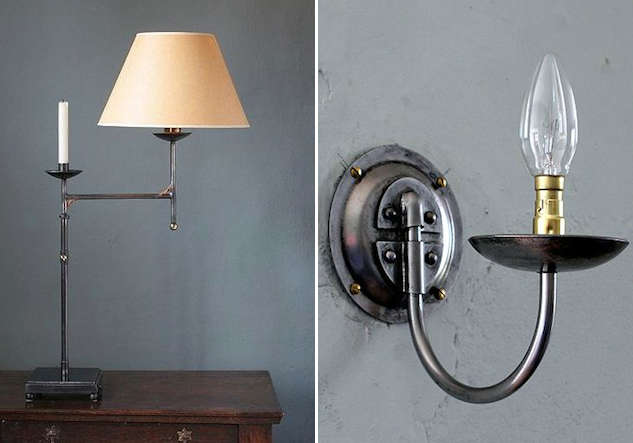
Wall sconces are the unsung heroes of traditional interiors. They can flank mirrors, fireplaces, beds, artwork, bookcases, or passageways. They free up table space, bring light to eye level, and create intimacy. In classical rooms, sconces also help reinforce symmetry, which is why designers love them and electricians learn to ask very careful questions.
Good sconce placement matters. In hallways or long rooms, spacing should feel balanced and intentional. Around mirrors or fireplaces, height should flatter the architecture and the people using the space. Too high, and the sconce feels like it is trying to escape. Too low, and it becomes a shoulder-level obstacle with decorative ambitions.
Table and Floor Lamps: The Soul of the Room
Fixed fixtures may define the architecture, but lamps make a room livable. Classical interiors benefit from ceramic lamps, brass pharmacy lamps, shaded buffet lamps, alabaster lamps, turned wood lamps, and floor lamps placed where people actually sit. A room without lamps can feel like a museum after closing time: impressive, but nobody wants to linger.
Lampshades deserve real attention. Fabric, shape, lining, opacity, and proportion all affect the light. A pleated shade can add traditional charm. A simple linen drum shade can calm a detailed lamp base. A darker shade creates mood, while a lighter shade spreads more glow. In bespoke lighting, the shade is not an afterthought; it is the hat, and hats matter.
Materials That Speak Classical Fluently
Material choice is where bespoke lighting becomes deeply expressive. Brass, bronze, iron, alabaster, crystal, porcelain, parchment, linen, silk, opaline glass, fluted glass, and hand-rubbed finishes all belong naturally in traditional design. The trick is choosing materials that support the architecture rather than screaming over it.
Brass and Bronze
Brass is a classic for good reason. It warms a room, ages gracefully, and pairs well with wood, stone, paint, and patterned textiles. Unlacquered brass develops patina over time, which classical design lovers often adore because it looks lived-in rather than shrink-wrapped. Bronze and blackened finishes can feel more grounded, especially in libraries, studies, and rooms with darker palettes.
Glass and Crystal
Glass changes everything. Clear glass sparkles and shows the bulb, which can be beautiful when the bulb is attractive and slightly less beautiful when it resembles a tiny alien pod. Frosted, opal, seeded, or fluted glass diffuses light and feels softer. Crystal brings glamour, but it should be scaled carefully. A crystal chandelier in the right room is magic. In the wrong room, it looks like the ceiling won a pageant.
Alabaster, Ceramic, and Porcelain
Alabaster has become especially loved in luxury interiors because it glows rather than merely shines. Its veining adds natural variation, making each piece feel unique. Ceramic and porcelain can introduce handmade softness, especially in sconces, lamps, and pendant shades. These materials work beautifully in classical rooms because they suggest craft, permanence, and a little civilized restraint.
Modern Performance Hidden Inside Traditional Beauty
One of the great advantages of today’s bespoke lighting is that it can look traditional while performing like a modern system. LED technology allows fixtures to use less energy, produce less heat, last longer, and offer more control than older incandescent lighting. The key is choosing the right LED specifications so the room feels warm and flattering rather than cold enough to interrogate vegetables.
Color Temperature: Keep It Warm
For classical interiors, warm light is usually the most flattering choice. Many traditional rooms look best around 2700K to 3000K, with warmer dimming options creating an evening glow similar to candlelight or incandescent lamps. Cooler light may work for utility spaces, closets, garages, or certain kitchens, but it can make wood tones, antiques, and warm paint colors feel less inviting.
When planning custom lighting, color temperature should be consistent across related rooms. A hallway glowing at 2700K beside a dining room blazing at 4000K can feel visually jarring, like stepping from a candlelit supper into a dentist’s office. Nobody invited the dentist.
CRI and Color Quality
Color rendering matters, especially in interiors with art, fabrics, wood, stone, and layered finishes. A high-quality light source helps colors appear more accurate and natural. This is particularly important in classical rooms, where subtle tones do much of the work. A slightly smoky blue wall, a faded Persian rug, or a hand-painted cabinet deserves light that tells the truth.
Dimming and Controls
Dimmers are essential in traditional interiors. They allow a dining room to move from homework station to dinner party without changing a single fixture. They help chandeliers glow instead of glare. They make bathrooms calmer, bedrooms softer, and living rooms more cinematic. Just make sure the bulbs, drivers, and dimmers are compatible, because nothing ruins the mood like a chandelier that flickers like it knows a secret.
How to Plan Bespoke Lighting Room by Room
Entryway
The entry is the handshake of the house. A bespoke lantern or chandelier should relate to the ceiling height, stair view, door style, and floor pattern. In a two-story foyer, the fixture must be bold enough to hold the volume. In a modest entry, a flush mount or small lantern may be more elegant than an oversized chandelier trying to be the mayor.
Living Room
A classical living room should have light at different heights. Use a chandelier or ceiling fixture for atmosphere, lamps near seating for reading, sconces for architectural balance, and picture lights for art. If the room has a fireplace, sconces on either side can create a strong focal point. If it has built-ins, integrated lighting can make books and objects look intentional instead of stored.
Dining Room
The dining room is where lighting earns applause. The chandelier should center over the table, not necessarily the room, especially if the furniture layout has shifted. It should hang low enough to feel intimate but high enough that guests can see one another without peering through metal arms like they are negotiating a treaty. Add buffet lamps or sconces to avoid relying solely on overhead light.
Kitchen
Traditional kitchens need both beauty and function. Pendants over an island can carry the room’s style, while under-cabinet lighting keeps counters practical. A classical kitchen might use lantern-style pendants, aged brass fixtures, milk glass shades, or simple shaded sconces. The goal is warmth with clarity, not a kitchen that feels like a historic tavern where nobody can chop onions safely.
Bedroom
Bedroom lighting should be calm, layered, and easy to control. Bedside sconces or lamps support reading. A central fixture adds polish. A small lamp on a dresser provides evening glow. Fabric shades, warm bulbs, and dimmers are especially helpful here. Classical bedrooms often benefit from symmetry, but the lighting should still match real habits. If one person reads and the other falls asleep in twelve heroic seconds, separate controls are not a luxury; they are diplomacy.
Common Mistakes to Avoid
Choosing Fixtures Too Small
Undersized lighting is one of the most common mistakes in traditional interiors. A tiny chandelier in a grand room looks apologetic. A small sconce beside a tall mirror feels nervous. When in doubt, mock up the size with cardboard, tape, or a temporary outline. It is not glamorous, but neither is returning a chandelier.
Ignoring Bulbs
The fixture is only half the story. Bulbs determine brightness, color temperature, dimming behavior, glare, and overall comfort. Decorative candelabra bulbs, frosted bulbs, warm-dim LEDs, and high-CRI options can all change the final effect. A beautiful fixture with the wrong bulb is like a tuxedo with flip-flops.
Using Only Recessed Lights
Recessed lighting can be useful, but rows of ceiling cans alone rarely flatter classical architecture. They often light the floor instead of the room’s vertical surfaces, making walls, art, and millwork feel dull. Use recessed lights sparingly and support them with sconces, lamps, pendants, and accent lighting.
Forgetting the Ceiling Height
Ceiling height controls fixture type, drop length, scale, and comfort. Low ceilings may need flush mounts, semi-flush fixtures, or compact lanterns. Tall ceilings can support chandeliers, longer chains, and larger proportions. Bespoke lighting shines here because dimensions can be adjusted instead of forcing the room to accept whatever the factory decided.
How to Work With a Custom Lighting Maker or Designer
Start with measurements: room length, width, ceiling height, table size, furniture layout, and junction-box locations. Add photographs from multiple angles. Include paint colors, metal finishes, hardware, textiles, and any architectural details the fixture should relate to. The more context you provide, the less likely your lighting will arrive looking as if it dressed for a different party.
Next, define the mood. Do you want candlelit formality, quiet library warmth, crisp neoclassical structure, English country charm, or polished Art Deco glamour? Classical design is not one look. It is a family reunion with many opinionated relatives.
Ask about finish samples, shade options, lead times, bulb requirements, dimming compatibility, installation needs, and maintenance. For heavy fixtures, confirm blocking and electrical support. For bathrooms, outdoor spaces, or damp areas, check the appropriate safety rating. Beauty is important; not making sparks is also a strong design principle.
The Experience: Living With Bespoke Classical Lighting
There is a particular pleasure in living with lighting that feels made for your home. You notice it first in the evening, when the sky goes blue-gray and the room begins to rely on its own glow. A custom sconce warms the wall beside a painting. The dining chandelier drops a soft pool of light over the table. A shaded lamp turns the corner chair into a destination. Suddenly, the room is not just furnished; it is awake.
In one traditional dining room, imagine replacing a generic builder-grade fixture with a custom aged-brass chandelier inspired by candle arms but simplified for modern living. The old light may have technically illuminated the table, in the same way a vending machine technically provides dinner. The new one changes the entire experience. The brass relates to cabinet hardware in the adjacent kitchen. The linen shades soften faces. The dimmer lets Sunday breakfast feel bright and Thanksgiving dinner feel golden. Guests may not say, “What excellent correlated color temperature,” but they will linger longer, which is the true compliment.
In a library, bespoke lighting can transform the way the room is used. Picture wall sconces mounted between bookcases, a brass reading lamp by a leather chair, and tiny integrated lights washing the shelves. The room becomes layered and useful. Books gain depth. Wood grain glows. The reading chair stops being decorative furniture and becomes a trap for anyone who planned to be productive elsewhere.
A bedroom tells another story. Many classical bedrooms suffer from a single overhead light that behaves like a security announcement. Replace it with a small central fixture, bedside sconces with fabric shades, and a lamp on a chest, and the mood changes immediately. The room becomes softer, quieter, more personal. You can read, relax, fold laundry, or pretend not to see the laundry with equal success.
Even a hallway can benefit from custom lighting. Hallways are often treated as leftover spaces, but in traditional homes they are architectural connectors. A series of properly spaced sconces can create rhythm. A lantern at the end of a corridor can pull the eye forward. Picture lights can turn family portraits or collected art into a gallery moment. The hallway stops being the place between rooms and becomes part of the home’s story.
The best experience of bespoke lighting is that it improves daily life without demanding applause. It supports routines. Morning light can be clear enough to find keys. Evening light can be soft enough to calm the room. Dinner can feel special on a Tuesday. A foyer can welcome people before anyone says hello. A powder room can become charming enough that guests return with questions about the wallpaper, the mirror, and yes, the sconce.
There is also emotional satisfaction in choosing materials that age well. Unlacquered brass darkens. Linen shades mellow. Glass catches tiny reflections from windows and candles. A custom fixture becomes part of the home rather than a replaceable accessory. Over time, it gathers memory: dinners, holidays, late-night reading, rainy afternoons, the occasional dramatic search for a missing earring.
For the classically inclined, that longevity is the point. Bespoke lighting is not about chasing every trend. It is about creating rooms that feel rooted, gracious, and deeply personal. The fixture may be new, but it should feel as if it belongs to a longer tradition of craft and comfort. It should serve the room, flatter the people in it, and make ordinary moments feel slightly more composed.
And yes, it should also make the house look wonderful. There is no shame in that. A beautiful chandelier, a perfect pair of sconces, or a lamp with just the right shade can lift a room faster than almost any other design decision. Paint matters. Furniture matters. Rugs matter. But lighting is the final editor. It decides what gets noticed, what feels warm, and whether the whole room ends the sentence with a period, a question mark, or a tasteful little flourish.
Conclusion
Bespoke lighting for the classically inclined is where tradition, technology, and personal taste meet. It respects architecture while making everyday life more comfortable. It uses chandeliers, lanterns, sconces, lamps, warm LEDs, dimmers, fine materials, and careful scale to create rooms that feel elegant without becoming stiff.
The goal is not to make a home look like a museum. The goal is to make it feel beautifully alive. Classical lighting should glow, flatter, guide, and quietly impress. It should make dinner more inviting, bookshelves more handsome, bedrooms calmer, and hallways less like design afterthoughts. With bespoke choices, every room gets lighting that suits its proportions, purpose, and personality. In other words, the house finally gets its good side.