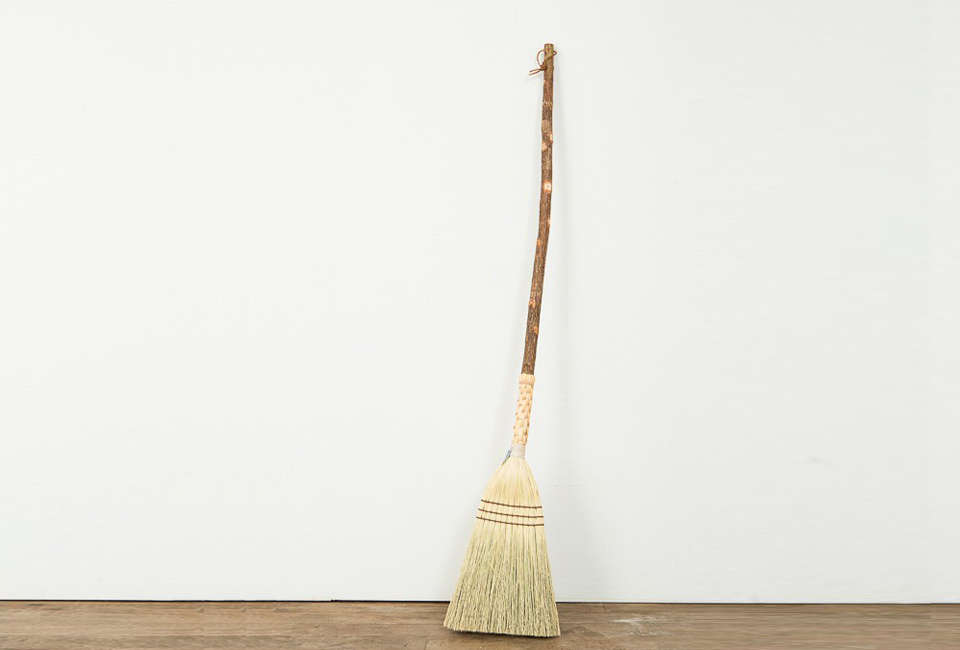
Some household objects are so ordinary that we barely notice themuntil someone makes one beautifully. A handmade broom can do that. It leans quietly in a corner, ready to collect cris that appears beneath a kitchen table after one enthusiastic dinner. Then you look closer and realize it is not merely a cleaning tool. It is a small lesson in design, labor, tradition, and the surprising dignity of doing one simple job very well.
The Berea College Crafts Cottage Broom belongs to that rarer category of useful object: the kind that earns its keep and looks perfectly happy hanging on a wall. Associated with Berea College’s long-running Student Craft program in Kentucky, the Cottage Broom reflects Appalachian craft traditions, practical home design, and a student work model that has helped generations of makers learn with their hands as well as their heads.
What Is the Berea College Crafts Cottage Broom?
The Berea College Crafts Cottage Broom was a handmade indoor broom designed for everyday sweeping and quiet visual charm. Historic product descriptions identify it as a wood-and-straw broom with a natural branch-style handle and distinctive stitching where the handle meets the sweeping head. At roughly 53 inches tall, it was sized for indoor floors while remaining slim enough to hang neatly near a pantry, mudroom, fireplace, or back door.
Unlike a plastic broom that looks as though it escaped from a janitor’s closet during a lunch break, the Cottage Broom had personality. Its natural materials, visible binding, and handmade construction gave it a warm, slightly rustic look. It was practical enough for crumbs and dust, yet polished enough to become part of a room’s décor.
Today, the original Cottage Broom is generally considered a legacy or discontinued Berea College Crafts design rather than a guaranteed current product. However, it remains a useful example of why Berea-made brooms have become collectible among lovers of handmade housewares, Appalachian crafts, and functional home décor.
The Story Behind Berea College Broomcraft
Berea College has a distinctive place in American higher education. Its educational philosophy combines academic study with meaningful work experience, and its Student Craft program has long allowed students to participate in making, design, production, quality control, and retail operations. In other words, some students do not just write essays about craftsmanship; they help make objects people use every day.
Broomcraft at Berea began in 1920. The original purpose was practical: the college needed work opportunities for students during colder months, when agricultural labor was less available. What began as a solution to a seasonal employment problem grew into one of the most enduring broom-making programs in the United States.
Before World War II, Berea’s broom shop operated on a much larger scale than many people imagine. It employed hundreds of workers and produced utilitarian brooms in significant quantities. These early designs drew from familiar American broom traditions, especially the flat, stitched broom style associated with Shaker craftsmanship.
Over time, Berea College Student Craft evolved from high-volume production into a more design-conscious educational environment. Students continue to explore broom-making alongside ceramics, weaving, and woodcraft. The result is a program where an object such as a broom can be both a tool and a teaching method. It teaches patience, material awareness, teamwork, repetition, problem-solving, and the old-fashioned truth that an uneven binding will not become straighter simply because you stare at it with optimism.
Why Broomcraft Still Matters
In a world full of disposable products, broomcraft offers a different idea: household tools can be made with care, repaired when possible, and appreciated for more than their price tag. A handmade broom carries visible evidence of labor. You can see the fibers, the stitching, the handle, and the decisions made by the person who assembled it.
That visible work creates a connection between maker and user. The person sweeping a kitchen floor may never meet the student who made the broom, but the object still communicates something simple and powerful: someone paid attention.
How a Cottage Broom Is Made
Traditional handmade brooms commonly use broomcorn, a type of sorghum grown for its long, fibrous seed branches. Despite the name, broomcorn is not actually corn. It is a sorghum plant selected for fibers sturdy enough to sweep dry debris without immediately giving up on life.
In a handmade broom, those fibers are gathered, sorted, tied, compressed, stitched, and trimmed into a working shape. The process requires more precision than it appears to from across the room. A broom head must be dense enough to move dirt effectively, balanced enough to feel comfortable in use, and securely bound so it does not shed its dignity along with its bristles.
The Cottage Broom’s appeal came partly from its natural wood handle. Instead of looking mass-produced, the handle emphasized the material’s organic character. Small variations in grain, curvature, stitch placement, and fiber color could make each broom feel slightly different. That variation was not a flaw. It was proof that the object was made by hands rather than popped out of a mold at 3:12 a.m.
Natural Materials, Practical Performance
A natural-fiber broom is especially useful for dry indoor messes such as dust, crumbs, pet hair, dry leaves, fireplace debris, and tracked-in soil. It is not meant to replace a vacuum cleaner for every cleaning task, nor should it be treated like a mop. A Cottage Broom performs best when used for quick, controlled sweeping rather than dramatic attempts to clear an entire garage after a woodworking project.
Its natural fibers also create a softer visual effect than plastic bristles. That makes a handmade broom easier to display in rooms where storage is visible, including open kitchens, entryways, laundry rooms, porches, and cottage-style interiors.
Why the Cottage Broom Works as Home Décor
The appeal of the Berea College Crafts Cottage Broom is not just nostalgia. It fits naturally into several popular interior styles without trying too hard. In a farmhouse kitchen, it adds warmth beside a painted pantry door. In a modern home, its handmade texture can soften sleek cabinets and hard surfaces. In a cabin or cottage, it looks right at home near a stone hearth, woven basket, or wooden bench.
The key is to treat it as a working object with aesthetic value, not a museum artifact trapped behind a glass case. Hang it from a sturdy hook, lean it near a utility closet, or pair it with a small dustpan in a mudroom. It should be easy to reach when the dog tracks in leaves, the kids create a cracker blizzard, or your houseplant decides to shed half its soil onto the floor.
Best Places to Display a Handmade Broom
- Near a fireplace for ash and dry debris cleanup
- In a kitchen corner for quick daily sweeping
- By a back door or mudroom bench
- In a laundry room with woven baskets and natural wood accents
- On a covered porch or enclosed sunroom
- In a cottage-style entryway beside boots, umbrellas, and a small bench
A well-made broom earns extra points because it does not need to be hidden after use. It can stay in sight and still make the room look better. That is a rare career achievement for a cleaning tool.
How to Care for a Handmade Broom
A handmade broom can last for years when treated with basic respect. The most important rule is simple: do not store it with the bristles crushed against the floor. Hanging it by the handle or storing it upside down helps prevent the fibers from bending and losing their sweeping shape.
Keep the broom dry and away from prolonged moisture. Natural fibers can become misshapen or weakened when repeatedly soaked, especially if they are left wet without airflow. For routine maintenance, remove trapped hair, dust, and string by hand. A gentle shake outside usually handles the rest.
Avoid using a natural broom for sticky spills, wet mud, or heavy outdoor debris. It may be charming, but it is not a superhero. Save it for dry sweeping, and use a dedicated utility broom or mop for messes that involve mud, sauce, paint, or whatever happened during your last home improvement project.
Who Would Appreciate a Berea College Crafts Cottage Broom?
The Cottage Broom appeals to more than collectors. It can be a meaningful choice for people who value handmade goods, Appalachian craft history, practical design, and objects with a clear human story. It is especially well suited for homeowners who prefer natural materials, gift buyers looking for something more memorable than another candle, and anyone who has ever thought, “My broom works fine, but could it have more soul?”
It also makes sense for people who enjoy decorating with useful items. A handmade broom does not need to be locked away until company arrives. It can stay on duty. That combination of beauty and usefulness is exactly what makes traditional craft relevant in a modern home.
The Cottage Broom Experience: More Than a Tool in the Corner
Living with a handmade broom changes the small moments of cleaning in ways that are easy to underestimate. Most people do not wake up excited to sweep a floor. Nobody puts “remove toast crumbs” at the top of a vision board. Yet a well-made broom can make those ordinary tasks feel less like a chore and more like a brief reset for the room.
Imagine a quiet morning in a cottage kitchen. Light comes through the window, coffee is brewing, and a few crumbs from yesterday’s cornbread have somehow established a tiny civilization beneath the table. Instead of dragging out a vacuum cleaner with the noise level of a small airport, you reach for a handmade Cottage Broom. The wood handle feels warm in the hand. The natural fibers move across the floor with a soft, dry whisper. In less than a minute, the mess is gone, and the room feels put back together.
That is part of the pleasure of a traditional broom. It invites you to notice the physical act of cleaning. There is a rhythm to short sweeping strokes, a little choreography in guiding dust toward a dustpan, and a satisfying visual reward when a floor looks clear again. The job remains humble, but it does not have to feel mindless.
A Berea-style Cottage Broom also creates a different relationship with household storage. Instead of hiding it behind a closet door, you may choose a wall hook near the kitchen or porch. The broom becomes visible, not because you forgot to put it away, but because it belongs there. Its fibers, stitching, and wooden handle add texture to the room in the same way a woven basket, wooden cutting board, or ceramic crock might.
Visitors often notice handmade objects because they carry visual clues that mass-produced items lack. A friend may ask where the broom came from. Someone else may assume it is decorative until they see it in use. That conversation can lead to stories about Appalachian crafts, student makers, work-learning programs, or the simple pleasure of buying fewer things that are made better.
The experience is especially rewarding in homes with children. A lightweight household broom can become part of a child’s first lessons in caring for shared spaces. Sweeping up dry cereal, potting soil, or paper scraps may not sound glamorous, but it teaches that maintenance is part of making a home feel good. A beautiful tool can make that lesson feel more inviting.
There is also a seasonal charm to it. In autumn, a Cottage Broom feels right near boots, dried leaves, and a back door. In winter, it belongs beside the hearth. In spring, it is useful for cleaning potting soil from a porch or sweeping dusty corners after the windows have been open. In summer, it is there for sand, picnic crumbs, and the occasional invasion of grass clippings.
Most importantly, the Cottage Broom experience is not about pretending every household task is magical. Sweeping is still sweeping. Dust remains annoyingly committed to existing. But a handmade broom reminds us that ordinary objects can be thoughtfully made, pleasantly used, and kept in service for a long time. That is a pretty good deal for something whose main job is chasing crumbs.
Conclusion: A Small Object With a Big Story
The Berea College Crafts Cottage Broom represents more than a traditional household tool. It reflects a century-long broom-making legacy, Appalachian craft knowledge, student learning, and the idea that useful objects deserve thoughtful design. Its wood handle, natural fibers, and handmade stitching turn a familiar cleaning tool into something warmer, more personal, and more lasting.
Whether displayed in a cottage kitchen, used near a fireplace, or admired as a collectible piece of American craft history, a Berea-style handmade broom proves that everyday tools do not have to be disposable or dull. Sometimes the best home objects are the ones that quietly work hard, look beautiful, and never complain about the crumbs.
Note: The original Berea College Crafts Cottage Broom has been documented as a discontinued design. This article discusses its historical design, cultural significance, and relationship to Berea College’s continuing broomcraft tradition; it does not guarantee current product availability.