Everybody wants a superpower until the laundry bill arrives.
That was the little spark behind this cartoon idea: what if being a superhero was not a nonstop highlight reel of rooftop poses, dramatic music, and perfectly timed lightning? What if it also came with back pain from landing too hard, awkward conversations with insurance agents, impossible costume maintenance, and the emotional weight of being the person everyone calls when the sky starts glowing purple?
Superheroes are usually sold to us as wish fulfillment. They fly, leap, punch through walls, dodge explosions, and somehow still have jawlines that look sponsored. But the more I thought about it, the funnier the fantasy became. Being “special” sounds glamorous from the outside, but from the inside, it might be exhausting, inconvenient, lonely, and occasionally very, very weird.
That contrast is exactly what makes superhero cartoons so much fun. A great gag does not always need a giant twist. Sometimes it only needs to ask a practical question: Who pays for the Batmobile’s repairs? Does Iron Man have a charging cable problem? Does Captain America have to explain to airport security why he is carrying a shield? Can a ninja turtle claim pizza as a business expense?
These funny superhero cartoons explore the dark side of being extraordinarynot in a bleak, gloomy way, but in the everyday, “wow, I never thought about that” way. The joke is simple: superpowers solve some problems, but they also create brand-new ones.
The Funny Problem With Being Special
Superheroes are built on contradiction. They are powerful, but vulnerable. They are admired, but isolated. They save cities, but often cannot keep a normal dinner reservation. That mix of greatness and inconvenience is comedy gold.
Think about Superman. He can fly around the planet, lift impossible weight, and hear danger from miles away. Amazing, right? Now imagine trying to relax on your day off when your ears keep picking up every car alarm, barking dog, and emergency siren in the county. Suddenly, super-hearing sounds less like a gift and more like a customer service headset that never turns off.
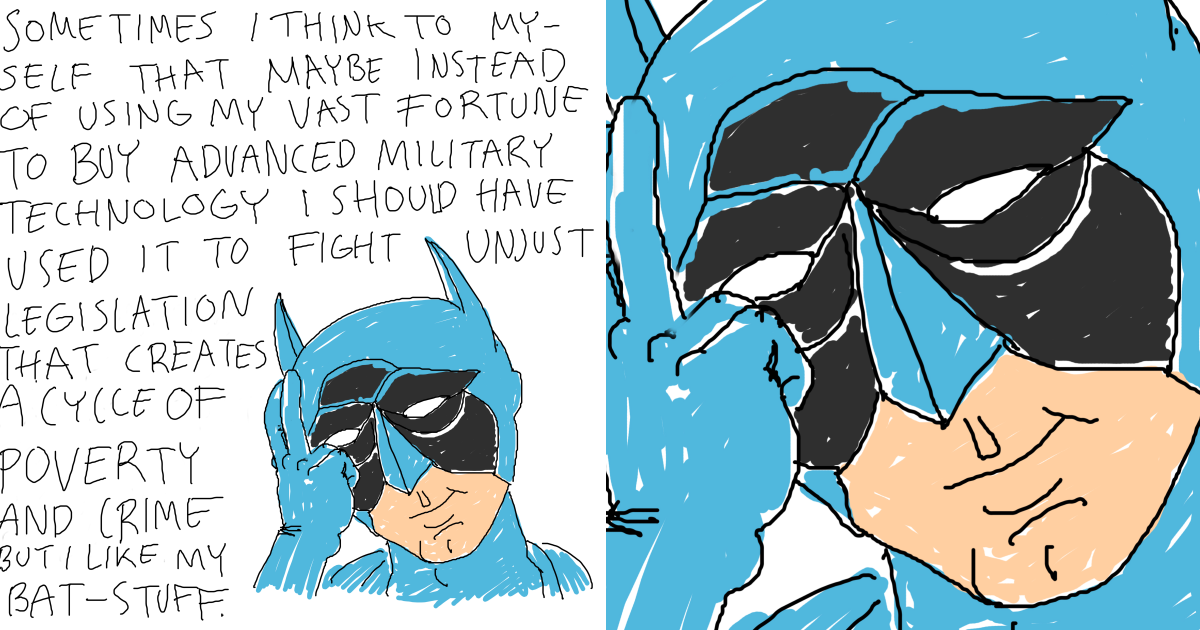
Or take Batman, the ultimate symbol of discipline, wealth, and brooding efficiency. He has gadgets for every crisis, but he also lives in a cave, dresses like a nocturnal mammal, and has made “dramatic disappearance during conversations” a personality trait. In a serious movie, that looks mysterious. In a cartoon, it becomes a roommate problem.
That is where humor sneaks in. Superheroes are larger than life, so shrinking them down into ordinary situations creates instant contrast. A caped hero dealing with a parking ticket is funny because the cape says “legend,” while the ticket says “welcome to Tuesday.”
Why Superheroes Are Perfect Targets for Satire
Superhero stories have been part of American pop culture for generations. Characters like Superman, Batman, Spider-Man, Captain America, Wonder Woman, and Iron Man are not just fictional heroes anymore; they are cultural shorthand. A cape means hope. A mask means mystery. A shield means duty. A billionaire with gadgets means someone is about to ignore all workplace safety standards.
Because these characters are so familiar, they are also easy to parody. Readers already know the rules: secret identities, moral codes, tragic backstories, dramatic poses, big villains, huge fights, and the classic burden of responsibility. A cartoonist can take one of those rules, twist it slightly, and the joke appears almost instantly.
For example, secret identities are supposed to protect loved ones. But from a practical point of view, they also create absurd problems. How many times can someone disappear during dinner before friends stop believing the “bathroom emergency” excuse? How does a hero explain missing work because a giant robot attacked downtown? Does “saving the universe” count as paid leave?
That is why superhero satire works so well. It respects the genre while poking it in the ribs. It does not need to hate superheroes. In fact, it is usually funnier when it clearly loves them. The best jokes come from affection, not mockery. They say, “This world is awesomebut also, let’s admit it, completely ridiculous.”
The Dark Side Does Not Have to Be Grim
The phrase “dark side” can sound heavy, but in these cartoons, it means the hidden inconvenience behind the fantasy. The dark side of being a superhero might be fame, pressure, public judgment, body aches, strange side effects, or the sheer awkwardness of being known as “the chosen one” when you still cannot find your keys.
Comedy often works by making big things small. Instead of showing a superhero battling a cosmic monster, a cartoon might show the same hero trying to buy groceries without crushing the shopping cart. Instead of focusing on the glory of saving the city, it might show the hero filling out property damage paperwork afterward. The result is not less heroic. It is more human.
That humanity is important. Superheroes can become boring if they are too perfect. The moment they struggle with something ordinary, they become relatable again. A hero who can stop a meteor but cannot handle a group chat feels closer to us than a flawless statue with perfect hair.
Everyday Problems Become Funnier With Superpowers
One reason these cartoons are so enjoyable is that they turn normal frustrations into absurd superhero scenarios. Everyone understands laundry, taxes, traffic, awkward conversations, and being tired. Add superpowers, and the problem becomes bigger, sillier, and more visual.
Costumes Are Not Practical
Superhero costumes look iconic on posters, but real life would be less forgiving. Capes get caught in doors. Masks fog up. Gloves make phone screens annoying. Armor probably smells like a gym locker after one summer afternoon. Spandex may be flexible, but it is not a personality.
A cartoon about costume problems works because it attacks the most recognizable part of the superhero image. The outfit is supposed to represent power and identity. But when the outfit becomes itchy, expensive, or impossible to wash, the fantasy collapses into something charmingly stupid.
Secret Identities Are Basically Full-Time Lies
Keeping a secret identity sounds cool until you realize it requires constant improvisation. A hero must be late, unavailable, suspiciously injured, and weirdly evasive all the time. At some point, the people around them either figure it out or decide they are the least reliable friend in the world.
That is a great cartoon setup: the hero saves a bus, defeats a villain, flies home, and then gets yelled at for forgetting to take out the trash. The public sees greatness. The roommate sees a person who has not done basic chores since Tuesday.
Super Strength Is a Liability
Super strength is one of the most popular powers, but it would be a disaster in daily life. Imagine breaking every doorknob, crushing every mug, hugging people too carefully, and having to treat an elevator button like a delicate museum artifact. Even a handshake becomes a legal risk.
The humor comes from reversing the fantasy. Strength is supposed to make life easier, but in small moments, it makes life harder. The hero is not fighting evil. The hero is trying not to destroy a vending machine while buying pretzels.
Flying Sounds Great Until Weather Exists
Flying is the dream power. No traffic. No airport lines. No middle seat. But what about bugs? What about rain? What about birds with territorial confidence? What about landing gracefully in front of people instead of skidding into a trash can like a confused meteor?
A flying hero in a cartoon does not need an enemy. Gravity, wind, and public embarrassment are enough.
The Relatable Heart Behind the Jokes
The funniest superhero cartoons are not just jokes about capes and masks. Under the humor, they are about pressure. Being special means people expect more from you. They assume you can handle everything. They forget that even the strongest person might need a break.
That idea connects with real life. You do not need laser vision to understand what it feels like to be overloaded. Plenty of people are treated as “the responsible one,” “the talented one,” “the strong one,” or “the person who always figures it out.” At first, that label feels flattering. Later, it can feel like a trap.
Superhero comedy gives us a playful way to talk about that. A cartoon can show a hero looking exhausted after saving the day for the tenth time, and readers immediately understand. The joke may be fictional, but the feeling is real.
That is why the dark side of being a superhero is not really about superpowers. It is about expectations. Once people decide you are special, they may stop asking whether you are okay. They assume special people do not need help. The cartoon says, with a grin, “Actually, even the guy with the cape could use a nap.”
Why Simple Cartoon Style Makes the Joke Stronger
A funny cartoon does not have to be beautifully rendered to work. In fact, simple art often makes humor stronger. Clean expressions, clear body language, and quick visual setups help the reader get the joke instantly. The point is not to show every muscle on a superhero’s arm. The point is to show the tiny defeated look on his face when the washing machine eats his cape.
Cartoons are powerful because they compress ideas. A whole movie can spend two hours exploring the burden of heroism. A single-panel cartoon can do it with one image: a superhero sitting at a kitchen table, still wearing the mask, staring at a stack of unpaid bills.
That compression is part of the magic. The reader fills in the missing story. We imagine the battle, the exhaustion, the awkward conversation that came before the punchline. The blank space around the joke becomes part of the joke itself.
Examples of Superhero Problems That Almost Write Themselves
The best superhero cartoon ideas often come from asking boring questions about exciting powers. The more practical the question, the funnier the result.
What happens when a hero with invisibility forgets where they parked? How does a telepath survive a crowded airport? Does a speedster constantly burn through sneakers? Does an aquatic hero have to moisturize? Does a vigilante have a tax category for grappling hooks?
These questions are funny because they bring superheroes down from myth into everyday life. We are not laughing because heroes are weak. We are laughing because even power has paperwork.
Iron Man is a perfect example. The armor is brilliant, stylish, and intimidating. But the moment you think about maintenance, the whole thing becomes a comedy machine. Updates, battery life, dents, scratches, software bugs, overheating, cleaning, storage, repairsit is less “invincible hero” and more “very expensive laptop with missiles.”
Captain America brings another kind of humor. He is noble, disciplined, and associated with old-fashioned values. Place that personality in modern life, and the jokes arrive quickly. Imagine him trying to understand streaming subscriptions, smartphone updates, or modern slang while still being too polite to complain. His shield may block bullets, but can it block confusing terms of service?
Batman creates comedy through seriousness. The more dramatic he is, the funnier normal life becomes around him. If Batman orders coffee, does he whisper the order? If someone asks for his loyalty card, does he vanish? If Alfred tells him to rest, does he stand on a rooftop and brood about hydration?
Why We Still Love Heroes Even When We Laugh at Them
Laughing at superheroes does not make them less inspiring. It often makes them better. When heroes are allowed to be awkward, tired, messy, or confused, they become more emotionally believable. A perfect hero can inspire awe, but an imperfect hero can inspire affection.
That is one reason superhero comedy has lasted. Audiences enjoy action, but they also love the little human cracks in the armor. We want to know what happens after the final battle. We want to see the hero dealing with consequences, chores, relationships, and ordinary embarrassment.
In a way, funny superhero cartoons are tiny reminders that nobody is only one thing. A person can be brave and ridiculous. Powerful and insecure. Gifted and overwhelmed. Special and still completely confused by the printer.
The Creative Experience Behind Making These Cartoons
Creating cartoons about the dark side of being a superhero begins with a simple habit: ruining the fantasy in the most harmless way possible. I start with the glamorous version of a power, then ask what would make it annoying. The answer is usually where the joke lives.
For example, flight looks majestic until you imagine a hero arriving at a party with bugs stuck to their teeth. Super speed sounds amazing until the hero realizes every casual errand turns into a blur of spilled coffee, torn clothes, and apologies. Mind reading seems powerful until the character hears what everyone really thinks about their haircut.
The process is part writing exercise, part visual puzzle. A cartoon needs to deliver the idea quickly. Too much explanation kills the joke. Too little context confuses the reader. The sweet spot is when someone looks at the image, pauses for half a second, and then smiles because their brain completes the punchline.
That pause matters. It is the tiny click of recognition. The reader sees a superhero problem and connects it to a regular human problem. The cape is fictional, but the feeling is familiar.
Another challenge is tone. The goal is not to make the characters cruel or hopeless. The best version is playful, slightly dark, and warm enough that the reader feels invited into the joke. Superheroes can be silly without becoming meaningless. A cartoon can make fun of the costume while still respecting the courage underneath it.
I also like the idea that villains have everyday problems too. A villain may build a giant laser, but do they have a decent dental plan? A mastermind may create a secret lair, but what happens when the Wi-Fi goes down? Evil speeches are dramatic until someone has to schedule them between meetings.
That is the fun of the superhero world: every big idea has a small inconvenience hiding inside it. Secret lairs need plumbing. Capes need closet space. Sidekicks need emotional support. Gadgets need warranties. Even a legendary hero might stand in the kitchen at midnight eating cereal and wondering whether saving the world counts as cardio.
Experience: What “Being Special” Feels Like in Real Life
The phrase “being special” does not only belong to comic books. In real life, people are often labeled special because they are talented, smart, funny, athletic, creative, responsible, attractive, successful, unusually calm, unusually strong, or simply different from the crowd. At first, that label can feel like a trophy. It feels nice to be noticed. It feels good when people say, “You’re the one who can do this.”
But after a while, being special can quietly turn into being expected. People may expect the funny person to always entertain, even when they are tired. They may expect the smart person to always have the answer, even when the problem is new. They may expect the strong person to never complain, even when they are carrying too much. They may expect the creative person to produce magic on demand, as if inspiration is a vending machine and the button never jams.
That experience is very close to the superhero problem. The hero does something amazing once, and suddenly everyone assumes they can do it forever. Save one city, and now the city has your number. Solve one crisis, and people start handing you every crisis. Wear one cape, and nobody wants to hear that your shoulders hurt.
Making cartoons about superheroes helps express that feeling without turning it into a lecture. A drawing can say, “This is funny, but also, maybe we should stop assuming capable people are invincible.” Humor makes the idea easier to approach. It lets people laugh first and think second, which is sometimes the best order.
I think many readers connect with these cartoons because they have been “the superhero” in some small corner of their own life. Maybe they are the friend everyone calls during drama. Maybe they are the family problem-solver. Maybe they are the coworker who fixes every technical issue. Maybe they are the student who always gets asked to lead the group project because they once made a PowerPoint that did not look like a hostage note.
Being useful can feel good. Being needed can feel meaningful. But being constantly needed can become heavy. That is why a tired superhero is such a relatable image. The costume exaggerates the situation, but the emotion underneath is ordinary: “I’m glad I can help, but I would also like five minutes and possibly a sandwich.”
There is also the loneliness of being seen as different. Superheroes often hide who they are because the world reacts strangely to specialness. Real people do that too. They downplay talents, hide interests, soften opinions, or pretend to be less intense so they can fit in. A cartoon about a hero awkwardly trying to act normal can be funny because it reflects something true: standing out is exciting until you realize everyone is staring.
That is why the dark side of being special deserves humor. Not because the struggle is fake, but because humor gives it room to breathe. A joke can turn pressure into something shareable. It can make the reader feel less alone. It can say, “Yes, being different is weird. Yes, expectations are exhausting. And yes, even superheroes probably have bad Tuesdays.”
In the end, these cartoons are not about tearing down heroes. They are about letting heroes be people. They remind us that specialness should not erase softness, rest, confusion, embarrassment, or the need for help. A cape may look impressive, but underneath it is still someone trying to get through the day without ruining their clothes, missing dinner, or accidentally breaking the refrigerator door.
And honestly, that version of a superhero might be the most lovable one.
Conclusion: The Cape Is Cool, But the Problems Are Funnier
Superheroes will always be exciting because they turn ordinary hopes into spectacular images. They let us imagine courage with muscles, justice with a logo, and responsibility with dramatic lighting. But funny superhero cartoons reveal another truth: power does not remove life’s problems. It often adds accessories.
That is what makes the dark side of being a superhero such a rich idea. It combines fantasy with frustration, greatness with inconvenience, and heroism with the small humiliations everyone understands. The result is comedy with a surprisingly human center.
Being special can be wonderful. It can also be tiring, strange, isolating, and full of unexpected maintenance costs. These cartoons celebrate that contradiction. They laugh at the cape, but they also understand the person wearing it.
So the next time you wish for superpowers, dream bigbut maybe also budget for repairs, therapy, dry cleaning, and a very understanding roommate.
Note: This article is an original, web-ready rewrite created for publication and synthesized from real superhero culture, comics history, humor theory, and pop-culture analysis without copying source text.