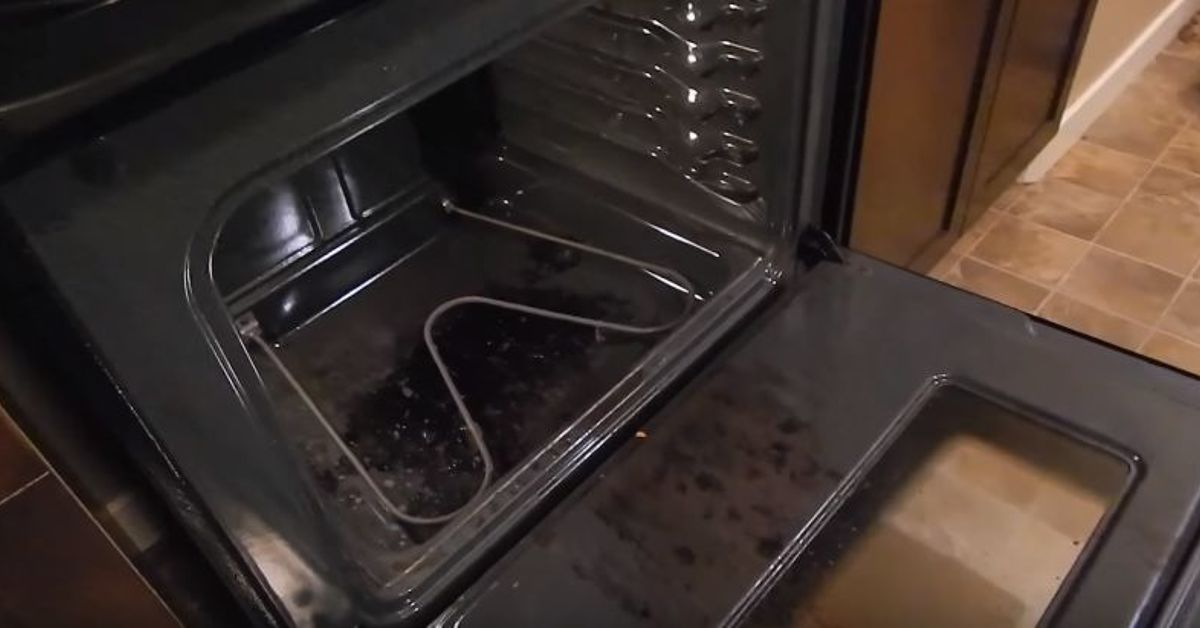
A short sale home can look like the real estate equivalent of finding a ssibly hiding something alarming underneath. The opportunity may be genuine, but the transaction is rarely as simple as making an offer, ordering moving boxes, and deciding where the couch will go.
In a short sale, the homeowner sells the property for less than the total amount owed on the mortgage. Because the proceeds will not fully repay the loan, the mortgage lenderor sometimes several lenders and lienholdersmust approve the transaction. The seller accepts your offer, but the lender effectively decides whether the deal can proceed. a patient and financially prepared buyer, buying a short sale may provide access to a desirable home at a competitive price. For an unprepared buyer, it can become a long-running drama featuring paperwork, deferred maintenance, mysterious liens, and a bank that responds at roughly the speed of a sleepy tortoise.
What Is a Short Sale Home?
A short sale occurs when a property’s sale price is not enough to cover its mortgage balance, liens, closing expenses, and other obligations attached to the transaction. The seller asks the mortgage servicer and loan investor to accept a reduced payoff so the property can be sold rather than continue toward foreclosure.
For example, suppose a homeowner owes $340,000 on a mortgage, but comparable homes suggest the property is worth only $305,000. After commissions, taxes, and closing costs, the lender might receive considerably less than the outstanding loan balance. The lender must determine whether approving that loss is financially preferable to foreclosure.
A short sale is not the same as a foreclosure. In a short sale, the homeowner generally still owns and sells the property, subject to lender approval. In a foreclosure or bank-owned sale, the lender has already taken control of the property through a legal process.
Why would a lender approve a short sale?
A lender may approve the transaction when it expects a short sale to produce a better financial outcome than foreclosure. Foreclosure may involve legal expenses, property management, insurance, maintenance, taxes, and the uncertainty of selling the home later. Approval is never automatic, however. The lender will usually evaluate the seller’s hardship, the property’s market value, the offer amount, estimated closing costs, and the existence of other liens.
Do Not Assume the List Price Is Approved
One of the most important facts to understand before buying a short sale home is that the advertised price may be little more than an opening suggestion. A listing agent may set a price designed to attract offers before the lender has approved any specific amount.
The seller can sign your purchase agreement, but the lender may still reject the price, request a higher offer, reduce proposed closing-cost credits, or impose other conditions. A low list price therefore does not guarantee a low purchase price.
Ask whether the property has received prior short-sale approval, whether another buyer’s offer was previously evaluated, and whether the lender has completed a broker price opinion or appraisal. Prior approval does not guarantee your deal will be accepted, but it may provide useful clues about the lender’s expectations.
Expect a Longer and Less Predictable Timeline
Traditional home purchases often move according to a negotiated contract schedule. Short sale transactions add another decision-maker: the seller’s lender. If there is a second mortgage, homeowners association lien, tax lien, judgment, or mortgage insurance claim, additional parties may also need to approve the distribution of proceeds.
Lender review may take several weeks or several months. Multiple liens can stretch the process further because each party may negotiate how much it will receive before releasing its claim against the property. s uncertainty makes short sales difficult for buyers who must move by a fixed date. Your apartment lease may expire, your mortgage rate lock may run out, or the school year may begin while the file is still enjoying an extended vacation in a lender’s approval department.
Create a housing backup plan
Do not give notice to your landlord, schedule movers, sell your current home without protections, or make other irreversible arrangements merely because the seller accepted your offer. Wait until the required lenders have issued written approval and your financing, appraisal, title work, inspections, and closing conditions are on track.
Work With Professionals Who Understand Short Sales
A short sale is not an ideal training exercise for an agent handling a distressed transaction for the first time. Look for a buyer’s agent who understands short-sale addenda, lender approval letters, lien negotiations, property-condition risks, and realistic closing timelines.
The National Association of Realtors maintains specialized short-sale and foreclosure education for real estate professionals, reflecting how different these transactions can be from ordinary purchases. ending on your state and the complexity of the title, you may also need a real estate attorney. State foreclosure laws, contract requirements, disclosure rules, redemption rights, and procedures for clearing liens can vary. A qualified attorney can explain your obligations and identify language that could leave your earnest money exposed.
Questions to ask your agent
- How many short sale purchases have you successfully closed?
- Has the seller submitted a complete loss-mitigation package?
- How many loans and known liens are attached to the property?
- Has the lender already reviewed an offer or established a target price?
- When do inspection, financing, and appraisal deadlines begin?
- Can I cancel if lender approval is not received by a specified date?
Get Fully Preapproved Before Making an Offer
Strong financing matters because the lender is being asked to accept less than it is owed. The lender wants confidence that the buyer can actually close. A current mortgage preapproval, proof of funds, appropriate down payment, and flexible closing availability may make an offer more credible. l your mortgage lender that you are considering a short sale property. Ask how long the preapproval remains valid, what documents may need to be updated, and whether your rate can be locked only after short-sale approval.
Financing can also be complicated by the home’s condition. A conventional, FHA, VA, or other loan program may require the property to meet minimum standards. Missing flooring, major roof leaks, unsafe electrical systems, broken utilities, or severe structural damage could prevent approval unless an appropriate renovation loan is available.
Keep your finances boring
While waiting, avoid opening new credit cards, financing a vehicle, changing jobs without discussing it with your loan officer, or moving large unexplained sums between accounts. Short-sale approval can take long enough that your lender may reverify employment, income, credit, and assets before closing.
Protect Yourself With Carefully Written Contingencies
Your offer should clearly state that the transaction is contingent upon written approval from all necessary lenders and lienholders. The contract should also address what happens if the lender changes the price, refuses requested concessions, delays the response, or approves terms you cannot accept.
Other important protections may include financing, appraisal, title, insurance, and inspection contingencies. Do not casually waive these safeguards simply to make your offer look cleaner. A discounted home stops being a bargain when it needs $80,000 in foundation, drainage, plumbing, and roof work.
Clarify when deadlines begin
In an ordinary transaction, the inspection period may begin when the purchase agreement is signed. In a short sale, buyers often try to negotiate deadlines that begin only after written lender approval. Otherwise, you could spend money on inspections and an appraisal before knowing whether the lender will accept the deal.
The handling of earnest money should also be unambiguous. Confirm when it must be deposited, whether it remains refundable during lender review, and what happens if approval does not arrive before the agreed deadline.
Never Skip the Home Inspection
Short sale homes are frequently offered in “as-is” condition. That usually means the seller and lender do not intend to repair defects, not that you must buy the home blindly.
A professional home inspection is different from an appraisal. The appraisal primarily helps the mortgage lender assess value and loan risk; the inspection helps you understand the property’s physical condition. The Consumer Financial Protection Bureau advises buyers to obtain an inspection and explains that an inspection contingency may allow a buyer to cancel when serious defects are discovered. ending on the home, consider specialized evaluations for the roof, foundation, sewer line, septic system, well, chimney, pests, mold, radon, drainage, pool equipment, or underground oil tank. Turn on utilities when possible so inspectors can test plumbing, electrical systems, heating, cooling, and appliances.
Budget beyond the inspector’s report
Distressed homeowners may have lacked money for routine maintenance. Small issues can accumulate: a minor roof leak becomes damaged sheathing, a dripping pipe becomes mold, and an ignored gutter problem becomes foundation movement. Build a repair reserve that includes both documented problems and a cushion for surprises discovered after closing.
Order a Thorough Title Search
A short sale cannot close properly unless the necessary parties release their claims against the property. In addition to first and second mortgages, title work may reveal unpaid property taxes, homeowners association balances, contractor liens, court judgments, municipal charges, child-support liens, or other encumbrances.
A preliminary title report can identify recorded claims, but some problems may require additional research. Liens can delay closing while the seller, lender, attorneys, and settlement professionals negotiate payoffs. A title company also verifies that the seller has the legal ability to transfer ownership. iew the title commitment carefully and obtain appropriate owner’s title insurance. Ask which exceptions will remain after closing, whether a survey is recommended, and whether boundaries, easements, access rights, or unrecorded claims create additional risk.
Determine Whether the Price Is Actually a Bargain
A short sale label does not automatically equal instant equity. The lender is trying to limit its loss, not sponsor your home-buying victory parade. It may reject offers that fall substantially below market value, even when the seller is willing to accept them.
Ask your agent to prepare a comparative market analysis using recent nearby sales with similar size, condition, age, and features. Then subtract the cost of immediate repairs, delayed maintenance, temporary housing, financing extensions, inspections, and other transaction expenses.
Suppose a short sale is priced $25,000 below comparable move-in-ready homes, but it needs a $14,000 roof, $7,000 HVAC replacement, $5,000 in plumbing work, and several months of waiting. That “discount” may disappear before you have selected a paint color.
Prepare for an appraisal problem
Your lender’s appraisal may come in below the lender-approved short-sale price. If that happens, your mortgage lender may limit the loan amount. The short-sale lender may refuse to lower the price, leaving you to contribute more cash, challenge the appraisal, renegotiate, or cancel under an applicable contingency.
Read the Short-Sale Approval Letter Carefully
Verbal approval is not enough. Before moving toward closing, obtain and review the written approval from every required lender or lienholder.
The approval letter may specify the minimum net proceeds, approved closing costs, commission limits, expiration date, closing deadline, required buyer contribution, restrictions on seller payments, and whether particular concessions are allowed. It may also require an arm’s-length transaction, meaning the buyer and seller cannot have an undisclosed relationship or side agreement.
Do not assume the lender will pay for a home warranty, buyer closing costs, repairs, overdue association fees, or other items commonly negotiated in a traditional sale. Any credit that reduces the lender’s net proceeds may require express approval.
Watch for Fraud and Undisclosed Side Deals
Short sales attract legitimate buyers, but they can also attract questionable schemes. Be wary of anyone asking for payments outside the settlement statement, suggesting that the real purchase price be hidden, promising guaranteed lender approval, or proposing an undisclosed agreement to return the property to the seller later.
All money, concessions, relationships, and material terms should be disclosed to the appropriate parties and documented through the closing process. Do not send wire instructions based solely on an email. Verify them through a trusted phone number because closing-wire fraud remains a serious risk for homebuyers. The CFPB specifically warns buyers to protect themselves from last-minute mortgage closing scams. n>
Plan for Insurance, Utilities, and Property Condition Changes
Obtain homeowners insurance quotes early. Previous claims, an aging roof, outdated electrical equipment, vacancy, flood exposure, or unrepaired damage may make coverage expensive or difficult to obtain. If insurance is unavailable, your mortgage financing may also fail.
Because lender approval can take months, the property may change while you wait. A pipe can freeze, a roof can begin leaking, appliances can disappear, or landscaping can stop resembling landscaping. Your contract should preserve your right to conduct a final walkthrough and address material changes before closing.
At the walkthrough, verify that the property’s condition is substantially the same as when you made the offer. Test accessible fixtures and confirm that items included in the contract remain in place. The CFPB recommends completing a final walkthrough before signing closing documents. n>
Know When a Short Sale Is the Wrong Choice
A short sale may not suit buyers who need certainty, have a strict move-in date, lack repair reserves, or become emotionally attached before receiving lender approval. It may also be unsuitable when the property’s condition conflicts with your loan program or when title problems appear unlikely to be resolved.
Consider walking away when:
- The seller has not submitted the lender’s required documents.
- No one can identify all loans and liens against the property.
- The contract does not protect your earnest money during lender review.
- You are pressured to waive inspection, appraisal, financing, or title protections.
- The repair budget erases the apparent discount.
- The lender’s response deadline does not fit your housing needs.
- Someone proposes an undisclosed payment or side agreement.
Walking away from a bad transaction is not losing a house. It is avoiding the purchase of an unusually expensive collection of problems with a roof attached.
A Practical Short Sale Buyer Checklist
- Obtain a full mortgage preapproval and proof of available funds.
- Hire an agent with documented short-sale experience.
- Confirm whether the list price has lender approval.
- Identify every mortgage, lien, and approval party.
- Use lender-approval, financing, appraisal, inspection, title, and insurance contingencies.
- Specify when deadlines and earnest-money obligations begin.
- Research comparable sales and estimate renovation expenses.
- Order a professional inspection and necessary specialty inspections.
- Review the title commitment, survey needs, and title insurance coverage.
- Read every lender approval letter and its expiration date.
- Maintain updated financial documents during the waiting period.
- Verify insurance eligibility before closing.
- Conduct a detailed final walkthrough.
- Keep emergency savings available after the purchase.
Experiences Buyers Commonly Have With Short Sale Homes
Real-world short sale experiences tend to teach the same lesson: the purchase price is only one part of the deal. The buyer who succeeds is usually not the person who submits the most dramatic lowball offer. It is the person who remains organized, realistic, and emotionally capable of hearing “still under review” for the fifteenth time.
Experience 1: The surprisingly slow “approved” listing
A buyer finds a short sale advertised as lender approved and assumes closing will be quick. After the offer is submitted, the buyer learns that the earlier approval applied to a different offer, price, closing date, and financing structure. The lender must evaluate the new contract. Weeks pass while updated seller bank statements, pay stubs, and hardship documents are collected.
The lesson is to ask exactly what has been approved. “Previously approved” and “approved for this buyer under this contract” are very different statements.
Experience 2: The bargain that needed a calculator
Another buyer sees a home listed $35,000 below nearby properties. The kitchen looks tired, but the discount seems generous. The inspection reveals an aging roof, active crawl-space moisture, unsafe electrical work, and a sewer line crowded with tree roots. Because the property is being sold as is, the seller will not complete repairs.
After obtaining contractor estimates, the buyer realizes the home will cost more than a well-maintained comparable property. The buyer cancels under the inspection contingency. That inspection fee feels painful for about five minutes and brilliant for many years afterward.
Experience 3: The second mortgage nobody respected enough
A transaction appears close to approval from the primary lender. Then a second mortgage holder rejects the proposed payoff. The first lender will allow only a limited payment to the junior lienholder, while the junior lienholder demands more to release its lien.
The parties negotiate for several additional weeks. The buyer’s rate lock expires, increasing the cost of financing. The deal eventually closes, but only because the buyer had preserved flexibility and budgeted for an extension. The experience demonstrates why buyers should identify all lienholders early rather than treating the first mortgage lender as the only voice in the room.
Experience 4: The property changed during the wait
A buyer inspects a vacant home in late summer. Lender approval does not arrive until winter. During the delay, the heat is turned off, a pipe bursts, and water damages part of the house. At the final walkthrough, the buyer notices staining and a musty odor that were not present during the inspection.
Because the contract addressed material changes in condition, the buyer does not have to accept the damaged property automatically. This is why a final walkthrough is not a ceremonial lap through your future living room. It is a genuine risk-control step.
Experience 5: Patience produced a good purchase
Not every short sale story ends with mold, liens, or emotional exhaustion. A prepared buyer may purchase a structurally sound property at a price that leaves room for sensible improvements. In a successful scenario, the buyer has stable housing during the approval period, an experienced agent, strong financing, inspection protections, clear title, and enough cash to handle deferred maintenance.
The buyer waits several months, receives written lender approval, confirms the home’s condition, and closes without relying on the seller for repairs. The deal works not because the buyer was lucky, but because the buyer treated the short sale as a complicated financial transaction rather than a clearance sale with bedrooms.
Conclusion
Before buying a short sale home, decide whether you can tolerate uncertainty as well as afford the property. The potential advantagesa competitive price, less buyer competition, or access to a desirable neighborhoodmust be weighed against lender delays, as-is condition, repair costs, financing complications, and title risks.
Get preapproved, use experienced professionals, investigate every lien, preserve meaningful contingencies, inspect the home thoroughly, and require written approval from all necessary parties. Most importantly, evaluate the total cost rather than becoming hypnotized by the list price.
A well-researched short sale can become a worthwhile home purchase. A rushed one can become a financial plot twist nobody requested. Real estate, tax, lending, and foreclosure rules vary, so consult qualified local professionals before making binding decisions.