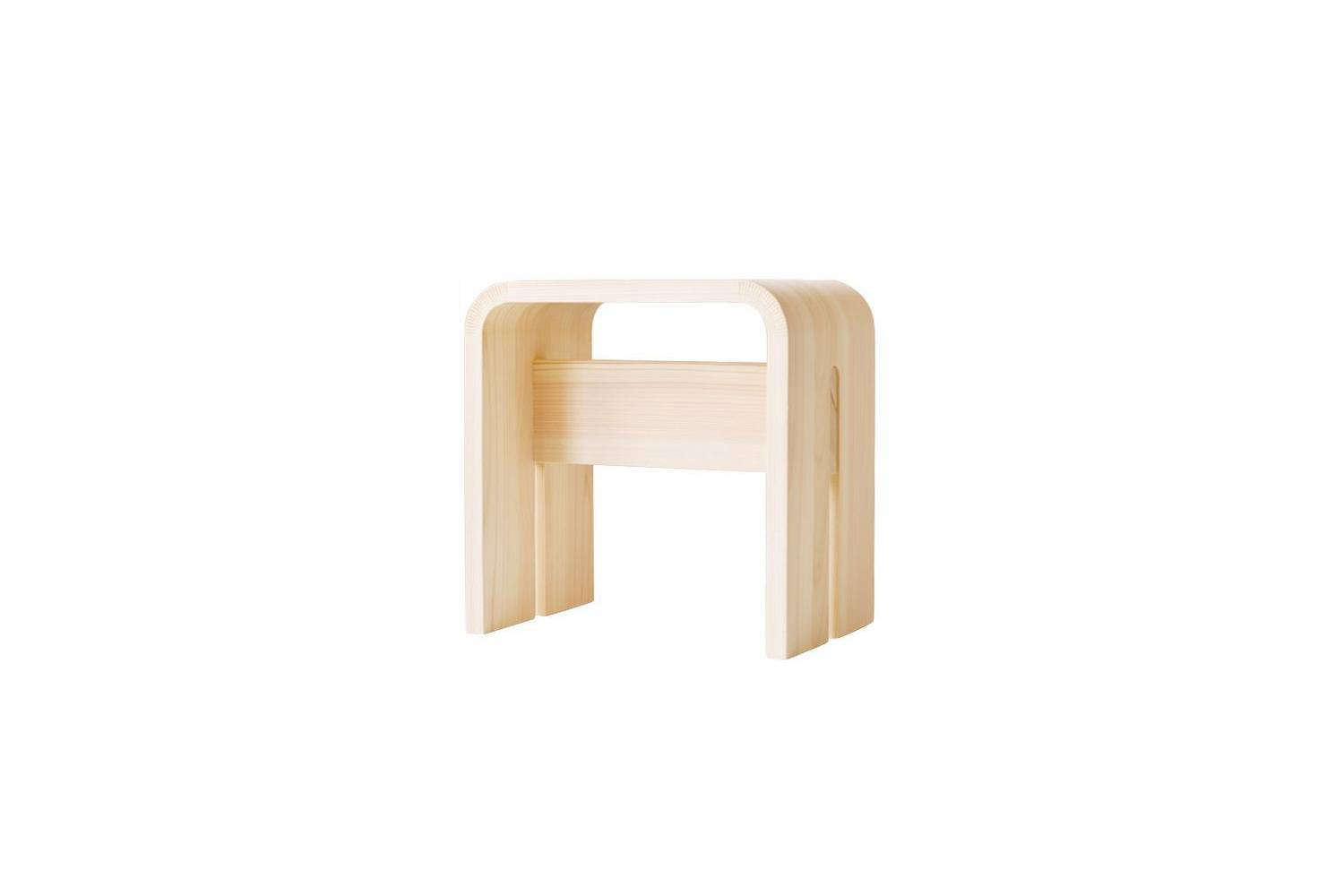
The Azmaya-Hinoki Bath Stool S proves that a bathroom accessory does not need Bluetooth, mood lighting, or a suspiciously complicated app to feel luxurious. Sometimes all it takes is fragrant Japanese cypress, thoughtful proportions,p>Designed by Japanese product designer Makoto Koizumi and traditionally handcrafted by artisans in the Kiso region, this compact wooden bath stool brings Japanese bathing culture into the modern home. Its pale grain, gently curved construction, and naturally aromatic surface make it as much a sensory object as a practical seat.
Yet the stool is not simply decorative spa furniture. It is designed around a specific bathing ritual: sitting comfortably while washing and rinsing before entering the tub. That function explains its low height, water-friendly material, and refreshingly uncluttered shape.
For homeowners interested in Japanese bathroom design, natural materials, or everyday objects made with unusual care, the Azmaya-Hinoki Bath Stool S deserves a closer look.
What Is the Azmaya-Hinoki Bath Stool S?
The Azmaya-Hinoki Bath Stool S is a low wooden stool made for use in a wet bathing area. The archived model associated with this name was produced from Kiso hinoki, a premium variety of Japanese cypress valued for its fine grain, pleasant fragrance, durability, and resistance to moisture.
Rather than resembling a conventional shower bench, the stool has a compact footprint and sits close to the floor. This format reflects the layout of many Japanese bathrooms, where bathers wash outside the soaking tub while seated at a low washing station.
| Feature | Archived Bath Stool S Specification |
|---|---|
| Width | 30 centimeters, approximately 11.8 inches |
| Depth | 20 centimeters, approximately 7.9 inches |
| Height | 22 centimeters, approximately 8.7 inches |
| Weight | Approximately 1,600 grams, or 3.5 pounds |
| Material | Kiso hinoki, or Japanese cypress |
| Country of manufacture | Japan |
| Archived product number | B-13-2-1 |
Azmaya has offered more than one hinoki bath stool over time, and current products may carry different measurements, designs, prices, or model numbers. Buyers searching for this exact version should compare the retailer’s listing with the archived specifications rather than assuming every Azmaya stool is identical.
The Japanese Bathing Tradition Behind the Design
In a traditional Japanese bathing routine, the bathtub is primarily a place for soaking rather than scrubbing. Bathers wash their bodies and hair thoroughly before entering the tub. In public hot springs and communal baths, this helps keep the shared water clean. At home, it separates the practical job of washing from the quieter pleasure of soaking.
The washing area commonly includes a low stool, a handheld shower, soap, shampoo, and a small bucket or basin. Sitting reduces unnecessary splashing and brings the body closer to low-mounted fixtures. It also encourages a slower routine than the familiar Western method of standing under a shower while mentally composing tomorrow’s to-do list.
A Seat Designed for Washing, Not Just Display
The low height of the Azmaya-Hinoki Bath Stool S makes perfect sense in this setting. It allows the user to sit near the floor while washing, rinsing, or using a bath bucket. The stool can also serve as a place to rest soap, towels, bath products, or a book beside the tub, although combining books and bathwater remains a hobby for confident risk-takers.
Its cultural purpose adds depth to the design. This is not a miniature chair that accidentally wandered into the bathroom. Its shape, material, and proportions developed from a long-established approach to bathing.
Why Kiso Hinoki Is Ideal for a Bath Stool
Hinoki, botanically known as Chamaecyparis obtusa, is a Japanese cypress traditionally used in architecture, temples, household objects, buckets, tubs, and other applications that benefit from durable, finely textured wood.
Kiso hinoki refers specifically to cypress associated with the Kiso region between Nagano and Gifu prefectures. The area is known for slowly grown timber with straight grain and a refined appearance. In a small object such as a bath stool, those qualities remain easy to see and touch.
Natural Resistance to Moisture
Hinoki heartwood is known for handling humid conditions better than many ordinary woods. Its natural resin content contributes to resistance against moisture, decay, mold, and mildew. These properties explain why hinoki has such a long history in Japanese baths.
That does not make the stool indestructible. “Water-resistant” is not the same as “please leave me in a puddle until next Thursday.” Even high-quality hinoki lasts longer when it is rinsed, drained, and allowed to dry between uses.
A Distinctive Natural Fragrance
One of the stool’s most memorable features is its scent. Fresh hinoki has a clean, woody aroma often described as lightly citrusy, resinous, or forest-like. Warm water and steam can make that fragrance more noticeable, adding a subtle sensory layer to the bathroom.
The aroma will generally soften with age and use. That is normal. The stool is real wood, not a plug-in air freshener with an eternal commitment to “Mountain Spa Breeze.” Lightly wetting the surface may briefly revive the scent, while excessive sanding or harsh cleaners can reduce its character.
Fine Grain and a Smooth Touch
Hinoki has a relatively uniform texture and understated grain. When carefully finished, it feels smooth and warm rather than cold or industrial. This tactile quality matters in a bathroom, where the stool comes into direct contact with bare skin.
The pale cream and soft pink tones also work well with stone, tile, plaster, concrete, and other woods. It can bring warmth to a stark contemporary bathroom without demanding that the entire room be transformed into a themed Japanese spa.
Craftsmanship and Design Details
The archived Azmaya-Hinoki Bath Stool S was described as individually crafted by Kiso artisans. Its construction involved shaping and carefully curving the wood, making fine surface cuts, and using a water-resistant bonding method.
These details distinguish the stool from a flat board attached to two legs. The curved profile softens its appearance and creates a more considered seating surface. Subtle surface marks can provide texture while reinforcing the handmade identity of the object.
Small Variations Are Part of the Product
Hand-finished wood will not look as mathematically identical as molded plastic. Minor differences in grain, color, tool marks, joints, or adhesive application may appear from one stool to another. Such variations are generally evidence of the material and production process rather than defects.
This approach will appeal to buyers who enjoy objects that develop character. Those seeking flawless factory uniformity may prefer plastic or molded composite furniture, which is perfectly respectable but considerably less likely to make a bathroom smell like a quiet forest.
Benefits of the Azmaya-Hinoki Bath Stool S
Compact Enough for Small Bathrooms
With an archived footprint of approximately 11.8 by 7.9 inches, the stool occupies relatively little floor space. It can fit in compact showers, wet rooms, tub rooms, and apartment bathrooms where a full-size bench would feel like an unexpected roommate.
Useful Beyond Japanese-Style Bathing
Even households that do not follow a Japanese bathing ritual may find several uses for it. The stool can hold bath products, support a folded towel, serve as a shaving seat, or stand beside a freestanding tub as a small caddy.
Outside the wet area, it may work as a low display stand for plants or decorative objects. However, a product intended for bathing should not automatically be treated as a general-purpose step stool. The low height, curved form, and possible lack of a published load rating make it unsuitable for climbing.
A Natural Alternative to Plastic
Plastic bath stools are inexpensive, lightweight, and easy to sanitize, but they rarely improve the atmosphere of a room. Hinoki offers a warmer visual and tactile experience. It also ages differently, gradually developing color and surface character rather than simply looking like older plastic.
A Quiet Form of Everyday Luxury
The stool does not add luxury through excess. It adds it through material, scent, craftsmanship, and repeated use. This is the kind of object that can make a routine task feel more deliberate without requiring a dramatic renovation.
Potential Drawbacks to Consider
The low seat is not suitable for everyone. People with knee, hip, balance, or mobility limitations may find it difficult to lower themselves to a height of roughly nine inches and stand back up safely. The Azmaya-Hinoki Bath Stool S is a traditional bath stool, not a certified medical shower chair.
Wood also requires more attention than plastic. Soap residue, standing water, limited airflow, and persistent humidity can eventually cause discoloration, odor, surface roughness, or mold. Proper drying is essential.
Price is another consideration. Handcrafted Kiso hinoki products generally cost more than mass-produced bathroom furniture. International shipping, import fees, and limited availability may further increase the total cost for American buyers.
Finally, natural wood changes over time. A buyer expecting the stool to remain pale and untouched forever may be disappointed. A buyer who appreciates patina may find the aging process attractive.
How to Care for a Hinoki Bath Stool
Rinse It After Use
Use clean water to remove shampoo, soap, body oil, and cleaning-product residue. Soap film can trap moisture and create a welcoming neighborhood for mildew.
Let Every Surface Dry
Do not leave the stool sitting flat in standing water. After rinsing, wipe away excess moisture and place it on its side or in another position that allows air to circulate around the seat, legs, joints, and underside.
Good ventilation is especially important in an enclosed shower. Run the exhaust fan, open a window, or leave the shower door open when practical.
Avoid Harsh Chemicals
Bleach, abrasive powders, aggressive disinfectants, and heavily perfumed cleaners may damage or discolor unfinished wood. Begin with warm water and a soft cloth. For more stubborn residue, use a small amount of mild soap, rinse thoroughly, and dry promptly.
Address Roughness Carefully
Repeated wetting and drying may eventually raise small wood fibers. If the manufacturer permits it, very light sanding with fine-grit sandpaper can restore smoothness. Sand with the grain and remove as little material as possible. Overenthusiastic sanding can alter the shape, erase craftsmanship details, and turn maintenance into an accidental woodworking internship.
Watch for Cracks and Loose Joints
Inspect the stool regularly. Stop using it as a seat if you notice structural cracks, movement at the joints, severe warping, or instability. Natural variations are expected, but a compromised joint is a safety issue rather than charming patina.
How to Style the Stool in an American Bathroom
The Azmaya-Hinoki Bath Stool S works particularly well in minimalist, Scandinavian, Japandi, rustic-modern, and spa-inspired bathrooms. Its pale wood can soften gray tile, polished concrete, white plaster, or dark stone.
Pair it with neutral towels, a simple bath brush, a wooden bucket, and neatly arranged toiletries. Keep the surrounding area visually calm. The stool has more impact when it is allowed to stand as a functional object rather than being buried beneath seven bottles of shampoo and a plastic bath toy shaped like an emotionally confused duck.
It can also add warmth beside a standard American bathtub. A complete wet-room renovation is unnecessary. One carefully chosen natural object can change the mood of a room more effectively than a collection of accessories labeled “Zen.”
Who Should Buy the Azmaya-Hinoki Bath Stool S?
This stool is a strong match for someone who appreciates Japanese craftsmanship, natural wood, slow bathing rituals, compact furniture, and household objects designed to age gracefully.
It may also appeal to design collectors who value Makoto Koizumi’s restrained approach to everyday products. His work often emphasizes clean lines, useful forms, and close relationships between designers, manufacturers, materials, and daily life.
It is less appropriate for users who require an elevated shower chair, back support, grab handles, adjustable legs, nonslip rubber feet, or a medically rated weight capacity. In those situations, safety should come before aesthetics, even when the safer chair looks as though it escaped from a hospital supply closet.
Living With the Azmaya-Hinoki Bath Stool S: A Realistic Experience
The first noticeable experience is often not visual but aromatic. When the stool is unpacked or first exposed to warm water, the hinoki scent can be surprisingly present. It is clean and woody rather than sweet, creating the impression that a small piece of forest has quietly moved into the bathroom without requesting closet space.
Visually, the stool tends to look smaller than expected. A height of roughly 8.7 inches is substantially lower than a dining chair, vanity seat, or conventional shower bench. In a Japanese-style washing area, that scale feels natural. In a standard American shower, the first reaction may be, “That is adorable,” followed by, “Am I flexible enough for this?”
For an able-bodied user, sitting low can change the rhythm of washing. Instead of moving quickly beneath the shower, the seated position encourages slower, more controlled movements. Shampoo bottles and soap can be kept within easy reach, and water is less likely to splash across the entire room. The experience feels practical but also unexpectedly calming.
The curved wooden surface feels warmer than tile, metal, or plastic. Hinoki does not have the chilly first contact of many bathroom materials. Its grain remains subtly noticeable beneath the hand, reminding the user that the stool was shaped from real timber rather than poured into a mold.
After bathing, the care routine becomes part of ownership. The stool should be rinsed and tilted so that water does not collect beneath it. At first, this extra step can feel fussy. Soon it becomes automatic: rinse the stool, stand it on its side, run the ventilation fan, and continue with the evening.
That routine also creates a useful awareness of the bathroom’s humidity. A stool that remains damp for hours is effectively sending a wooden complaint letter about poor ventilation. Owners may begin leaving the shower door open longer or running the exhaust fan more consistently, which benefits the room as a whole.
During the first months, the pale surface may remain fairly uniform. Over time, repeated exposure to water, soap, skin oils, and air can deepen the color. Areas that dry more slowly may change differently from exposed edges. This evolving appearance is part of living with unfinished or lightly finished wood.
Occasional spots or rough areas should not cause immediate panic. Gentle cleaning and complete drying often solve minor problems. Persistent dark marks, musty odors, or visible fungal growth require more attention and may indicate that the stool is not drying properly.
The scent also changes. Early baths may release a noticeable cypress aroma, especially in a warm, steamy room. Months later, the fragrance usually becomes quieter. Wetting the surface can briefly bring some of it back, but the stool gradually settles into the bathroom rather than performing a daily fragrance concert.
As a bath-side table, the stool is equally pleasant. It can hold a towel, a cup of tea placed safely away from splashing, or a small collection of bath products. Its compact size keeps it from dominating the room, while the natural grain gives even ordinary objects a more considered setting.
There are practical frustrations. The low seat may be uncomfortable during a long shower, and standing up from it requires reasonable leg strength and balance. On a slick floor, the user must confirm that the stool is stable before sitting. A bath mat or appropriate nonslip surface may be helpful, provided it does not trap moisture against the wood.
Storage can also require thought. Leaving it permanently inside a poorly ventilated shower is convenient but increases moisture exposure. Moving it to a dry area after every bath improves airflow but adds another task. The best compromise is often a well-ventilated place near the shower where the stool can remain upright without becoming household furniture that everyone trips over.
What makes the experience distinctive is the relationship that develops through use. Plastic bathroom accessories are usually ignored until they break. A handcrafted hinoki stool invites attention. Its scent, grain, drying pattern, and gradual color changes become familiar. Maintenance feels less like servicing equipment and more like caring for a useful wooden tool.
That relationship will not appeal to everyone. Some people want a stool that can be sprayed with disinfectant, forgotten in the shower, and replaced cheaply in three years. Others enjoy the small ritual of rinsing and drying an object made to last. The Azmaya-Hinoki Bath Stool S belongs firmly to the second category.
Final Verdict
The Azmaya-Hinoki Bath Stool S combines cultural purpose, compact functionality, fragrant Kiso cypress, and understated Japanese design. Its value lies not in technical features but in how thoughtfully it performs a simple job.
It can make bathing feel slower, warmer, and more intentional. It can also become a handsome bath-side stand when not used for washing. With sensible care and adequate ventilation, hinoki is particularly well suited to this humid environment.
The stool is not maintenance-free, universally accessible, or inexpensive. It is also not trying to be. It is an enduring household object for people who appreciate craftsmanship, natural variation, and the radical luxury of owning something that does one thing beautifully.
Note: The specifications in this article refer to the archived Azmaya-Hinoki Bath Stool S, product number B-13-2-1. Current Azmaya bath stools may have different dimensions, construction details, prices, and product numbers. Confirm the exact model and specifications with the seller before purchasing.