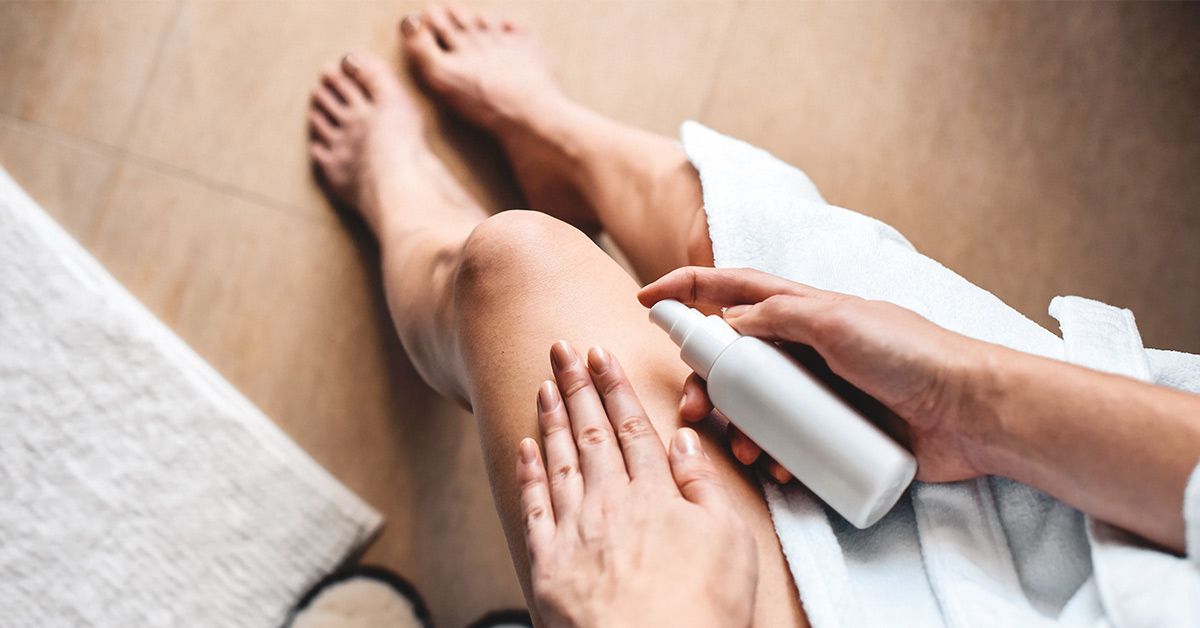
Bruises are tiny drama queens. One minute you lightly bump the coffee table, and the next your shin is wearing a purple, green, and yellow watercolor painting titled Why Furniture Has Enemies. Most bruises are harmless and fade on their own, but that does not stop people from looking for ways to calm the tenderness, swelling, and discoloration faster. That is where arnica enters the conversation.
Arnica, often sold as arnica gel, cream, ointment, roll-on, or homeopathic pellets, is one of the most popular natural remedies for bruises, muscle soreness, sprains, and minor swelling. The plant most commonly discussed is Arnica montana, a yellow flowering herb related to daisies and sunflowers. It has been used for generations in traditional and complementary medicine, especially for bumps, aches, and the kind of post-workout soreness that makes stairs feel personally insulting.
But does arnica for bruises actually work? The honest answer is: it may help some people, especially when used topically and correctly, but it is not magic in a tube. Research is mixed, product quality varies, and safety matters. Used wisely, topical arnica may be a useful addition to your bruise-care toolkit. Used carelessly, especially by mouth or on broken skin, it can cause real problems.
What Is Arnica?
Arnica is a flowering plant from the Asteraceae family, the same botanical crowd that includes daisies, ragweed, chrysanthemums, and sunflowers. Its bright yellow-orange flowers contain naturally occurring compounds, including helenalin, flavonoids, essential oils, and other plant chemicals that may influence inflammation and pain signaling.
In everyday use, people usually mean one of two things when they say “arnica.” The first is topical arnica, such as gels, creams, balms, ointments, and massage products applied to intact skin. The second is homeopathic arnica, usually sold as tiny pellets or tablets that are highly diluted. These are very different products, and they should not be treated like twins wearing matching sweaters.
Topical arnica is the form most often used for bruises, swelling, muscle aches, and joint discomfort. Homeopathic arnica is taken by mouth, but the evidence for oral homeopathic products is less consistent, and homeopathic drugs are not approved by the FDA for safety or effectiveness. Concentrated arnica taken internally can be toxic, so “natural” does not automatically mean “sprinkle it on everything like cinnamon.”
Why People Use Arnica for Bruises
A bruise, medically called a contusion or ecchymosis, happens when small blood vessels under the skin break after an impact. Blood leaks into surrounding tissue, creating the familiar color show: red or purple at first, then blue, green, yellow, and brown as the body gradually clears the trapped blood.
People use arnica for bruises because it is believed to support three things: less visible discoloration, reduced tenderness, and calmer swelling around the injured area. Some users apply arnica gel after bumping a knee, twisting an ankle, getting a cosmetic procedure, or dealing with mild sports-related soreness.
The theory is that arnica’s active compounds may help moderate inflammatory pathways in the skin and soft tissue. In plain English: it may help the body clean up the mess after a bump without turning the area into a full neighborhood meeting about swelling.
Does Arnica Help Bruises Heal Faster?
Research on arnica for bruising is promising in some areas but not conclusive. Several studies and reviews have looked at arnica for bruising, swelling, pain, surgery recovery, arthritis symptoms, and muscle soreness. Some findings suggest arnica may reduce bruising or swelling after certain procedures, while other studies show little or no clear benefit.
That mixed evidence matters. Arnica may help some bruises look and feel better, especially when used early and consistently on unbroken skin. However, it should not be marketed as a guaranteed bruise eraser. A bruise still needs time, circulation, and the body’s cleanup crew. Arnica may assist the process; it does not teleport purple marks into another dimension.
For mild everyday bruises, topical arnica can be reasonable to try if you are not allergic, pregnant, breastfeeding, taking blood thinners, or dealing with broken skin. For large, painful, unexplained, or recurring bruises, skip the “wait and dab” strategy and contact a healthcare professional.
Arnica May Also Help Relieve Pain and Swelling
Beyond bruising, many people use arnica for minor muscle pain, joint stiffness, sprains, strains, and post-exercise soreness. Some clinical research has explored arnica gel for osteoarthritis-related discomfort, especially in the hands and knees. Other studies have looked at pain and swelling after surgery or dental procedures.
Again, the results are not perfectly uniform. Some studies suggest topical arnica may provide pain relief comparable to certain topical anti-inflammatory products in specific situations. Others find modest or unclear effects. This is partly because arnica products vary widely in concentration, formulation, quality, and how they are used.
Still, many users like arnica because it feels lightweight, non-greasy, and easy to apply. It may be especially appealing to people who prefer a topical option for mild discomfort rather than immediately reaching for oral pain relievers. That said, anyone with chronic pain, severe swelling, limited movement, or symptoms after a major injury should get proper medical evaluation.
How to Use Arnica Gel or Cream Safely
For a typical minor bruise, follow the instructions on the product label. Most topical arnica gels and creams are applied in a thin layer to the affected area one to several times daily. Do not assume that more product equals faster healing. Your skin is not a sponge cake, and arnica is not frosting.
Basic steps for topical use
First, make sure the skin is intact. Arnica should not be applied to cuts, scrapes, open wounds, broken skin, mucous membranes, or irritated rashes. Wash your hands before and after applying it. Use a small amount and gently smooth it over the bruise without aggressive rubbing, especially if the area is tender.
If you are using arnica after a fresh bump, you can also use standard first-aid steps. Apply a cold compress for short periods during the first 24 to 48 hours, elevate the area when possible, and rest the injured part. Arnica may be added after these basics, but it does not replace them.
Patch test first
Because arnica belongs to the same plant family as ragweed and daisies, allergic reactions can happen. Before using a new arnica product widely, test a tiny amount on a small patch of skin. Wait several hours or a day. If redness, itching, burning, swelling, or rash appears, stop using it.
Who Should Avoid Arnica?
Arnica is not for everyone. Avoid arnica if you have a known allergy to plants in the Asteraceae or Compositae family, such as ragweed, chrysanthemums, marigolds, daisies, or sunflowers. People with very sensitive skin should be cautious with topical products, especially those that contain fragrance, alcohol, menthol, or other active ingredients.
Do not use arnica during pregnancy or breastfeeding unless a healthcare professional specifically says it is appropriate. Arnica may also increase bleeding risk, so people taking anticoagulants or antiplatelet medications, such as warfarin, heparin, clopidogrel, or daily aspirin therapy, should speak with a clinician before using it. The same caution applies to people with bleeding disorders or upcoming surgery.
Oral arnica deserves special caution. Concentrated arnica taken by mouth can cause serious toxicity, including stomach irritation, vomiting, diarrhea, fast heartbeat, high blood pressure, breathing problems, organ damage, coma, and worse. Homeopathic oral products are highly diluted, but quality and labeling can vary. For safety, do not take oral arnica unless guided by a qualified healthcare professional.
Possible Side Effects of Arnica
Topical arnica is generally considered safer than oral forms when used for short periods on intact skin. Still, side effects are possible. The most common issues include itching, redness, dryness, irritation, burning, peeling, or allergic contact dermatitis. If your skin reacts like it just received terrible news, stop using the product and wash the area gently.
Using arnica too often, applying it to damaged skin, or covering it tightly with bandages may increase the chance of irritation or absorption. Avoid combining multiple arnica products at the same time unless your healthcare provider approves. A gel, cream, roll-on, and oral pellets all together is not a wellness routine; it is botanical overconfidence.
When a Bruise Needs Medical Attention
Most bruises are minor and fade within about two weeks. However, some bruises deserve more attention. Contact a healthcare professional if you have very painful swelling, a bruise that appears for no clear reason, frequent large bruises, bruises on the trunk or face without injury, a hard lump under the bruise, or pain that does not improve after a few days.
You should also seek care if bruising follows a serious fall, sports injury, car accident, or possible fracture. If a bruise is accompanied by numbness, weakness, shortness of breath, chest pain, severe headache, confusion, or signs of infection, treat it as urgent. Arnica is for minor bumps, not for pretending a major injury is “probably fine.”
Arnica vs. Ice, Compression, and Pain Relievers
Arnica works best when viewed as a complementary option, not a replacement for basic care. For a new bruise, cold therapy can help reduce swelling. Elevation may help limit fluid buildup. Rest prevents the injury from getting worse. Compression can sometimes help with sprains, but it should not be tight enough to cause numbness or color changes.
Over-the-counter pain relievers may help when discomfort is more noticeable, but they are not right for everyone. Some medications can increase bleeding risk or interact with health conditions. If you are unsure whether to use arnica, acetaminophen, ibuprofen, naproxen, or another option, ask a pharmacist or healthcare professional.
How to Choose an Arnica Product
Look for a product from a reputable brand with clear labeling. The package should state whether it is a gel, cream, ointment, or homeopathic product, along with directions, warnings, and ingredients. Avoid products that make exaggerated claims such as “cures all pain instantly” or “erases bruises overnight.” Your bruise may fade, but marketing nonsense should disappear faster.
For sensitive skin, choose fragrance-free formulas when possible. If you already use topical pain products with menthol, camphor, lidocaine, capsaicin, or salicylates, check with a pharmacist before layering arnica on top. Combining multiple active ingredients can increase irritation or create confusion about what is helping and what is causing side effects.
Practical Examples: When Arnica Might Be Useful
Imagine you knock your thigh against a desk and develop a small bruise. The skin is not broken, the pain is mild, and you can walk normally. In that case, a cold compress early on, followed by careful topical arnica use, may be reasonable.
Now imagine a different situation: your ankle twists during basketball, swells quickly, hurts to bear weight, and turns dark purple. That is not the moment to appoint arnica as team doctor. You may need evaluation for a sprain, fracture, or ligament injury.
Another example: you notice frequent bruises on your arms and legs without remembering any bumps. Maybe it is nothing serious, but it could relate to medications, aging skin, vitamin issues, clotting problems, or other medical causes. Arnica might make the spots feel better, but it will not explain why they keep happening.
Experience-Based Tips for Using Arnica for Bruises, Pain, and Swelling
People who use arnica successfully often treat it like a supporting character, not the superhero of the whole recovery story. The best results tend to come from early attention, gentle application, and realistic expectations. A bruise does not vanish just because you looked at it sternly in the mirror while holding a tube of gel.
One practical experience many users report is that arnica feels most helpful for small, fresh bruises from everyday bumps: the knee that met the bed frame, the upper arm that found the doorway, or the shin that lost a negotiation with a low coffee table. Applying a thin layer after cleaning the skin may reduce tenderness and make the area feel less tight. The visible color may still go through its normal stages, but the bruise may feel less annoying while healing.
Another common experience is using arnica after mild exercise soreness. For example, someone returning to squats after a long break may apply arnica gel to sore thighs or calves. The cooling massage itself may feel soothing, and the act of gently rubbing the area can increase awareness of muscle tension. However, if pain is sharp, one-sided, worsening, or linked with swelling and weakness, that is no longer ordinary soreness. That is a good time to stop guessing and get checked.
People also learn that product texture matters. Gels dry quickly and are convenient for daytime use, especially under clothing. Creams may feel more moisturizing but can be heavier. Ointments may stay on longer but can feel greasy. Roll-ons are easy to apply without getting product on your hands, although they may contain alcohol or menthol that irritates sensitive skin. The “best” arnica product is often the one your skin tolerates and you can use correctly.
A helpful routine is to take a quick photo of a bruise on day one, then compare it after a few days. This is not for dramatic documentary purposes, although your shin may think it deserves a film festival. It helps you see whether the bruise is improving. If the bruise grows, becomes more painful, forms a lump, or does not fade over time, that information is useful for a healthcare visit.
Another real-world tip: do not rub hard. Bruised tissue is already irritated. Aggressive massage can make tenderness worse and may increase swelling. Apply arnica gently, using light pressure. Think “polishing a grape,” not “scrubbing a frying pan.”
Finally, experienced users know when to skip arnica. They avoid it on scraped knees, surgical incisions, eczema patches, irritated skin, and any area that stings when touched. They also avoid mixing it with several other topical pain products at once. Simple is safer: one product, label directions, intact skin, and careful observation.
Conclusion: Is Arnica Worth Trying?
Arnica for bruises may help relieve mild pain, swelling, and discoloration for some people, especially when used as a topical gel or cream on intact skin. It has a long history of use and some supportive research, but the evidence is mixed, and results vary by product, person, and injury type.
The safest approach is balanced: use arnica carefully, follow the label, avoid oral concentrated forms, and do not apply it to broken skin. If bruising is severe, unexplained, frequent, unusually painful, or linked with other symptoms, get medical advice. Arnica can be a helpful bathroom-cabinet teammate, but it should not be the captain of your healthcare decisions.
SEO Tags
Note: This article is for informational and educational purposes only. Arnica is not a substitute for diagnosis, emergency care, or treatment from a licensed healthcare professional. Always follow product directions and seek medical advice for severe, unexplained, recurring, or worsening bruising.