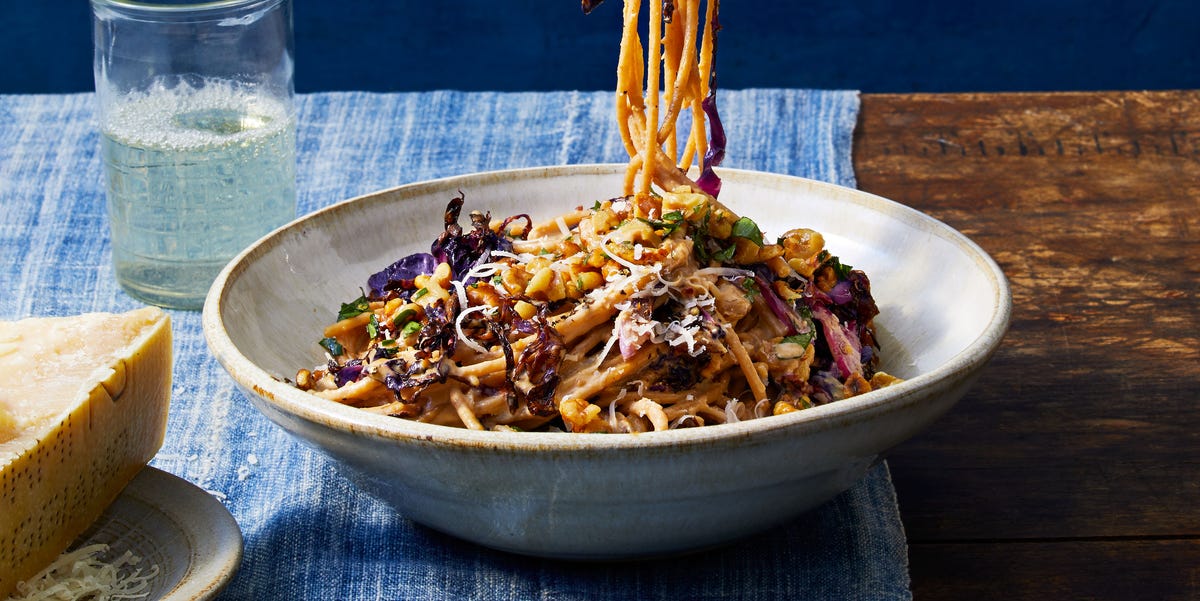
Creamy pasta has a reputation for being the culinary equivalent of a weighted blanket: cozy, rich, and very good at convincing you that tomorrow’s responsibilities are fictional. But this Best Creamy Miso Pasta with Walnuts and Roasted Cabbage Recipe takes comfort food somewhere more interesting. It has the silky sauce you want, the roasted vegetable depth you pretend you always planned, and the crunchy walnut finish that makes every bite feel intentionally fancy.
The magic comes from a few smart flavor moves. Red miso brings deep savory intensity. Roasted cabbage turns sweet, smoky, and caramelized at the edges. Walnuts add toasted richness and a little crunch, like tiny edible applause. Cream and Parmesan make the sauce smooth without turning it into a heavy brick of dairy. The result is a vegetarian pasta dinner that tastes layered, satisfying, and restaurant-worthy, but still fits into a weeknight schedule.
This recipe is inspired by modern American home-cooking techniques: roast vegetables hot enough to brown, build pasta sauce with starchy cooking water, use miso for umami, and finish with something fresh so the dish does not collapse into a beige comfort-food nap. In other words, it is creamy miso pasta with a plan.
Why This Creamy Miso Pasta Works So Well
A great pasta dish is not just noodles plus sauce. It is balance. This recipe works because every ingredient has a job, and thankfully, none of them called in sick.
Red Miso Adds Deep Savory Flavor
Miso is a fermented soybean paste commonly used in Japanese cooking. It is salty, savory, and packed with umami, which is the flavor that makes food taste deeper, rounder, and more satisfying. White miso is usually milder and sweeter, while red miso has a stronger, more robust flavor. For this creamy pasta, red miso is especially useful because it can stand up to cream, cabbage, onion, garlic, and Parmesan without disappearing like a shy garnish.
The key is not to treat miso like regular salt. It is salty, yes, but it also adds complexity. Start with the suggested amount, then taste before adding more salt. This is the difference between “wow, what is that amazing flavor?” and “did the ocean fall into my pasta?”
Roasted Cabbage Becomes Sweet, Tender, and Crispy
Cabbage is often underestimated because people remember it boiled into sadness. Roasting changes the story completely. When thinly sliced or cut into wedges and cooked at high heat, cabbage browns at the edges, softens in the middle, and develops a natural sweetness. Red cabbage is especially beautiful here because it gives the pasta color and a slightly earthy flavor.
A splash of rice vinegar after roasting wakes it up. That tiny hit of acidity cuts through the creamy sauce and keeps the dish lively. Think of it as giving the cabbage a pep talk before it joins the noodles.
Walnuts Bring Crunch and Nutty Richness
Walnuts are a smart match for creamy pasta because they bring contrast. Toasting them makes their flavor warmer and nuttier, while their crunch keeps the dish from becoming one soft, creamy situation. They also pair beautifully with cabbage, Parmesan, and miso because they have a slightly earthy bitterness that balances the sauce.
Do not skip the toasting step. Raw walnuts are fine, but toasted walnuts are confident. Spread them on a baking sheet or warm them in a dry skillet until fragrant, then chop them roughly so you get texture in every serving.
Ingredients for Creamy Miso Pasta with Walnuts and Roasted Cabbage
This version serves four hungry people or three people who “just want a little more” and then return to the pan with suspiciously clean forks.
Main Ingredients
- 10 ounces whole-grain spaghetti, linguine, or regular spaghetti
- 1 small red cabbage, about 2 pounds, cored and thinly sliced
- 3 1/2 tablespoons olive oil, divided
- Kosher salt and freshly ground black pepper, to taste
- 2 teaspoons rice vinegar
- 1/2 cup walnuts, roughly chopped
- 1 medium yellow onion, thinly sliced
- 2 garlic cloves, finely chopped
- 1/2 cup low-sodium vegetable broth
- 1/2 cup heavy cream
- 1/4 cup red miso paste
- 1/4 cup finely grated Parmesan cheese, plus more for serving
- 1/2 cup flat-leaf parsley leaves, chopped
Optional Add-Ins
- A squeeze of lemon juice for extra brightness
- Red pepper flakes for gentle heat
- Extra garlic if your kitchen motto is “measure with your heart”
- Sauteed mushrooms for deeper umami flavor
- Roasted chickpeas for more protein and crunch
How to Make the Best Creamy Miso Pasta
Step 1: Roast the Cabbage
Heat the oven to 450°F. Arrange racks in the upper and lower thirds of the oven. Place the sliced red cabbage on a large rimmed baking sheet. Toss it with about 2 tablespoons olive oil, a generous pinch of salt, and black pepper. Spread it out as evenly as possible. Crowded cabbage steams; spacious cabbage roasts. Give it room to become its best self.
Roast for 20 to 25 minutes, tossing once halfway through, until the cabbage is tender with browned, crisp edges. When it comes out of the oven, sprinkle it with rice vinegar. This small acidic finish makes the roasted cabbage taste brighter and helps it cut through the richness of the sauce.
Step 2: Toast the Walnuts
While the cabbage roasts, toast the walnuts. You can add them to a small baking sheet and place them in the oven for 5 to 7 minutes, or toast them in a dry skillet over medium heat for 3 to 5 minutes. Stir often because walnuts can go from golden to “well, that happened” quickly.
Once toasted, set them aside. They will be used as a final topping, so they stay crunchy instead of softening in the sauce.
Step 3: Cook the Pasta
Bring a large pot of salted water to a boil. Cook the pasta until just al dente, usually about 1 minute less than the package suggests. Before draining, reserve at least 1 cup of pasta water. This starchy water is important because it helps loosen the sauce and encourages it to cling to the noodles.
Whole-grain spaghetti is excellent here because its nutty flavor matches the walnuts and roasted cabbage. Regular spaghetti, linguine, bucatini, or short pasta like rigatoni will also work. The sauce is creamy enough to coat long strands and sturdy enough to tuck into ridged shapes.
Step 4: Build the Miso Cream Sauce
In a large skillet, heat the remaining olive oil over medium heat. Add the sliced onion and cook until softened, about 5 to 7 minutes. Add the garlic and cook for about 30 seconds, just until fragrant. Do not let the garlic burn unless you enjoy pasta with notes of regret.
Add the vegetable broth and bring it to a gentle simmer. Whisk in the heavy cream and red miso until smooth. Keep the heat moderate. Miso has its best flavor when it is gently incorporated rather than boiled aggressively. Stir in the Parmesan, then add a splash of reserved pasta water to loosen the sauce.
Step 5: Toss Everything Together
Add the drained pasta to the skillet and toss well. Add more pasta water, a little at a time, until the sauce becomes glossy and coats the noodles. Fold in most of the roasted cabbage, saving some for topping if you want a prettier presentation.
Taste before adding more salt. Between the miso, Parmesan, and salted pasta water, the dish may already be perfectly seasoned. Finish with chopped parsley, toasted walnuts, extra Parmesan, and black pepper.
Recipe Card: Creamy Miso Pasta with Walnuts and Roasted Cabbage
Prep Time
10 minutes
Cook Time
25 minutes
Total Time
35 minutes
Servings
4 servings
Instructions Summary
- Heat oven to 450°F and roast sliced red cabbage with olive oil, salt, and pepper until tender and browned.
- Finish roasted cabbage with rice vinegar.
- Toast chopped walnuts until fragrant.
- Cook pasta until al dente and reserve 1 cup pasta water.
- Saute onion and garlic in olive oil.
- Add vegetable broth, cream, red miso, and Parmesan to make the sauce.
- Toss pasta with sauce, roasted cabbage, and pasta water until glossy.
- Top with walnuts, parsley, extra Parmesan, and black pepper.
Expert Tips for a Silkier Miso Pasta Sauce
Use Pasta Water Like a Secret Ingredient
Pasta water is not just cloudy noodle bathwater. It contains starch released from the pasta as it cooks. When tossed with fat, cheese, and sauce, that starch helps create a smoother texture. Add it gradually. Too little and the sauce may feel thick; too much and it may become watery. The sweet spot is a glossy coating that hugs the pasta without pooling at the bottom of the bowl.
Do Not Overboil the Miso
Miso has a complex fermented flavor that can flatten if cooked too harshly. Add it once the broth and cream are warm, then whisk until smooth. Keep the sauce at a gentle simmer rather than a rolling boil.
Roast Cabbage Until the Edges Brown
The best cabbage in this recipe has contrast: tender ribbons, crisp tips, and caramelized edges. If your cabbage looks pale, give it a few more minutes. Browning equals flavor. Just watch the thinner pieces so they do not burn.
Grate Parmesan Finely
Finely grated Parmesan melts more easily into the sauce. Pre-shredded cheese can work in emergencies, but it often contains anti-caking ingredients that may make the sauce less smooth. Freshly grated Parmesan is the better choice for a creamy finish.
Flavor Variations
Make It Spicy
Add red pepper flakes to the onion and garlic, or finish each bowl with chili crisp. The heat plays beautifully with the sweet cabbage and salty miso.
Make It Vegan
Use plant-based cream, vegan Parmesan, and make sure your miso is vegan-friendly. Add nutritional yeast for a cheesy note. The walnuts already bring richness, so the dish adapts well to a dairy-free version.
Add More Protein
Roasted tofu, white beans, chickpeas, or grilled chicken can all fit into this dish. For a vegetarian protein boost, chickpeas are especially easy: roast them on a separate pan with olive oil and black pepper until crisp.
Try Different Vegetables
Red cabbage is the star, but the same idea works with Brussels sprouts, mushrooms, cauliflower, broccoli, or kale. The main rule is to balance creamy sauce with a vegetable that brings texture and depth.
What to Serve with Creamy Miso Pasta
This pasta is rich enough to stand alone, but a simple side can make it feel like a complete dinner. Serve it with a crisp green salad dressed with lemon vinaigrette, roasted asparagus, or cucumber salad. Garlic bread also works, because nobody has ever looked sadly at garlic bread and said, “Not today.”
For drinks, sparkling water with lemon, iced green tea, or a light white wine for adults can pair well with the salty, creamy, nutty flavors. The goal is refreshment. The pasta is doing the cozy part already.
Storage and Reheating Tips
Store leftovers in an airtight container in the refrigerator for up to 3 days. The sauce will thicken as it sits, so add a splash of water, milk, broth, or reserved pasta water when reheating. Warm gently on the stovetop or in the microwave, stirring halfway through.
Keep extra toasted walnuts separate if possible. Add them after reheating so they stay crunchy. If they go into the fridge mixed with the pasta, they will still taste good, but their texture becomes softer.
Common Mistakes to Avoid
Adding Too Much Salt Too Early
Miso and Parmesan both bring salt. Salt the pasta water, but season the final sauce carefully. Always taste at the end before adding more.
Skipping the Acid
Rice vinegar may look like a tiny ingredient, but it makes a major difference. Creamy pasta needs brightness. Without acidity, the dish can taste flat.
Using Untoasted Walnuts
Toasting walnuts deepens their flavor and improves their texture. It is a small step that makes the finished pasta taste more polished.
Overcooking the Pasta
Pasta continues to cook slightly when tossed with hot sauce. Pull it from the water when it is just al dente so it stays pleasantly firm in the final dish.
Personal Kitchen Experience: What Makes This Recipe Special
The first time you make creamy miso pasta with roasted cabbage, it may feel like an unusual combination. Pasta and Parmesan make sense. Cream makes sense. Walnuts make sense if you have spent enough time around Italian-inspired sauces. But cabbage and miso? That sounds like two ingredients met at a dinner party and decided to surprise everyone.
Then the cabbage comes out of the oven. That is usually the turning point. Raw cabbage has a sharp, sturdy personality, but roasted cabbage becomes sweet and savory with crisp little edges. It smells almost buttery even before it touches the sauce. When the rice vinegar hits the hot cabbage, the aroma lifts immediately. It is the kind of moment that makes you feel like you know what you are doing, even if five minutes earlier you were searching for the measuring spoons.
The sauce is another small lesson in patience. Miso does not need drama. It needs warmth, liquid, and a whisk. Once it blends with cream and Parmesan, it becomes velvety and deeply savory. The flavor is not obviously “Japanese” or “Italian” in a strict traditional sense. It is more like a friendly handshake between two comfort-food traditions. The miso gives the Parmesan a boost, the Parmesan rounds out the miso, and the cream helps everyone get along.
One useful experience from testing this kind of pasta is that texture matters more than people think. If everything is soft, the dish tastes heavier. That is why the walnuts are not decoration. They are structure. They interrupt the creaminess in the best way. Every few bites, you get a toasted crunch that makes you want another forkful. Parsley does something similar, but with freshness instead of crunch. It keeps the pasta from feeling sleepy.
Another important lesson is to trust the pasta water. Many home cooks drain pasta completely, then try to fix a thick sauce with tap water or more cream. Reserved pasta water works better because it is hot, seasoned, and starchy. It loosens the sauce while helping it cling to the noodles. Add it slowly and toss with energy. This is not the time for delicate stirring. Pasta likes confidence.
This recipe is also forgiving. If the cabbage roasts a little longer and gets dark at the edges, it usually tastes better. If the sauce is too thick, add pasta water. If it tastes too rich, add lemon juice or more vinegar. If it needs more savory depth, add a tiny spoonful of miso. If someone in your house claims they do not like cabbage, serve them a bowl before announcing the ingredient list. Sometimes marketing is just timing.
The best part is that this dish feels special without demanding restaurant-level effort. It uses familiar pantry ingredients in a fresh way, turns an inexpensive vegetable into something memorable, and delivers the comfort of creamy pasta without tasting one-dimensional. It is the kind of recipe that works for a quiet weeknight dinner, a casual dinner with friends, or a “my fridge looks strange but I believe in us” evening.
After making it a few times, you may start changing it naturally. A little chili crisp on top. A handful of mushrooms with the onions. A squeeze of lemon. Maybe green cabbage instead of red. Maybe bucatini because thick noodles make dinner feel more dramatic. That flexibility is a sign of a strong recipe. It gives you a delicious foundation, then lets you wander without getting lost.
Conclusion
The Best Creamy Miso Pasta with Walnuts and Roasted Cabbage Recipe is proof that comfort food can be bold, balanced, and a little unexpected. Red miso creates deep umami flavor, cream and Parmesan make the sauce silky, roasted cabbage adds sweetness and texture, and toasted walnuts bring the crunch that keeps every bite interesting.
This is not just another creamy pasta recipe. It is a smart, satisfying vegetarian dinner with layers of flavor and enough personality to rescue any boring weeknight. Serve it hot, finish it with extra Parmesan and parsley, and prepare for the quiet kitchen moment when everyone stops talking because the noodles are doing all the work.