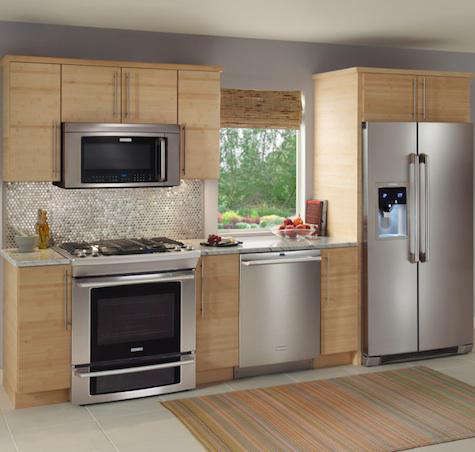
There are two types of people in the kitchen: those who lovingly hand-wash every fork like it is a family heirloom, and those who load the dishwasher with the focused determination of an airport baggage handler. If you are in the second group, welcome. If you are in the first group, an Energy Star Electrolux dishwasher may gently change your mind without judging your sponge collection.
Modern dishwashers are no longer noisy metal boxes that slosh water around and hope for the best. Today’s best models are quieter, smarter, more efficient, and far more strategic about how they use water, heat, detergent, and drying power. Electrolux, a brand long associated with premium home appliances, has built its current dishwasher story around efficiency, stainless steel interiors, flexible loading, targeted cleaning, and Energy Star certification.
The phrase “Energy Star Electrolux dishwasher” matters because it combines two buyer priorities: trusted efficiency standards and everyday kitchen performance. In plain English, you want clean dishes, lower waste, fewer utility surprises, and a machine that does not sound like a raccoon trapped in a filing cabinet. That is where Energy Star-certified Electrolux dishwashers, especially models such as the 24-inch Electrolux EDSH4944BS with SmartBoost technology, become worth a closer look.
What Makes an Electrolux Dishwasher Energy Star Certified?
Energy Star certification is not a decorative sticker slapped on the door because it looks official. It is a performance standard backed by testing for energy and water use. For standard residential dishwashers, the current Energy Star criteria limit qualifying models to no more than 240 kilowatt-hours per year and no more than 3.2 gallons of water per cycle. Those numbers are important because dishwashers use energy in several ways: running the machine, heating water, powering pumps, and drying dishes.
The Electrolux EDSH4944BS, a standard 24-inch built-in dishwasher, meets Energy Star certification with an annual energy use of 240 kWh and water use of 3.2 gallons per cycle. Compared with the U.S. federal standard of 307 kWh per year and 5.0 gallons per cycle, that places it 22 percent better for energy use and 36 percent better for water use. Translation: it is designed to clean without treating your utility bill like an all-you-can-eat buffet.
Why Energy Star Matters in Real Kitchens
Efficiency is easy to ignore until the monthly bill arrives, wearing tiny boxing gloves. Energy Star-certified dishwashers help reduce household energy demand and water consumption while still handling the normal chaos of plates, cups, pans, lunch containers, and the mysterious spoon that always ends up under the cereal bowl.
A major advantage of modern dishwashers is that they usually use far less water than hand-washing. Many people rinse dishes under running water before loading them, but Energy Star and Department of Energy guidance both recommend scraping instead of pre-rinsing. That small habit shift can make a surprisingly large difference. A dishwasher uses roughly the same amount of water and energy whether it is lightly loaded or fully loaded, so running full loads whenever possible gives you the best return.
Electrolux reinforces this idea with features like DishSense sensor technology, which detects soil level and adjusts the cycle accordingly. In other words, the dishwasher is trying to understand the mess before attacking it. That is more thoughtful than many humans before coffee.
Electrolux EDSH4944BS: The Flagship Example
The Electrolux EDSH4944BS is one of the clearest examples of the brand’s Energy Star dishwasher approach. It is a 24-inch stainless steel tub built-in dishwasher with top controls, a quiet 45 dBA sound rating, fan-assisted drying, a third-level rack, adjustable racks, soil-sensing capability, and a polished stainless steel look that fits easily into modern kitchens.
SmartBoost Clean Technology
SmartBoost is one of the headline features. Instead of releasing detergent directly onto dishes and hoping it behaves, SmartBoost premixes detergent with water before it reaches the load. This helps distribute cleaning power more evenly and can improve performance on baked-on foods. Think of it as giving detergent a warm-up lap before the big race.
DishSense Sensor Technology
DishSense technology helps the dishwasher respond to the soil level of the load. If the dishes are lightly used, the machine can avoid overdoing the cycle. If the plates look like they survived lasagna night, the dishwasher can adjust. This matters for efficiency because smarter cycle selection helps balance cleaning performance with resource use.
LuxCare Wash Arm
The LuxCare wash arm is designed to use water effectively across the tub. A good wash arm matters because water has to reach bowls, glasses, plates, cookware, and awkward items like water bottles. If spray coverage is poor, users may rewash items, which wastes time, energy, water, and patience. Nobody buys a premium dishwasher because they secretly enjoy washing the same mug twice.
Target Wash Zones
Target Wash Zones help clean difficult shapes and heavily soiled items. This feature is especially useful for casserole dishes, sports bottles, tall glasses, and anything with corners where sauce likes to hide and start a tiny tomato-based rebellion.
Max Dry Technology
Drying is one of the trickiest parts of dishwasher performance. Electrolux includes Max Dry technology, which uses a final rinse hot enough to support stronger drying and sanitizing performance. For households that unload quickly or use a lot of plastics, drying power can be a deciding factor. A dishwasher that cleans beautifully but leaves every cup dripping like a rainforest still has room for improvement.
30-Minute Clean Cycle
The 30-Minute Clean cycle is built for entertaining, quick resets, and everyday convenience. It is not meant to replace heavy-duty cleaning for crusty pans, but it is useful when guests are coming, glasses are disappearing, and the kitchen suddenly needs to look like adults live there.
Quiet Operation: Why 45 dBA Matters
Noise ratings can feel abstract until you live with a loud dishwasher. At 45 dBA, the Electrolux EDSH4944BS is considered quiet enough for open-concept kitchens, small apartments, and homes where the kitchen is close to the living room. This matters because many people now run appliances while working from home, watching TV, helping kids with homework, or trying to enjoy dinner without a background percussion solo.
A quiet dishwasher also makes it easier to run full loads at convenient times. If a machine is loud, people delay using it. If it is quiet, it becomes part of the household rhythm instead of an event that requires emotional preparation.
Design and Loading Flexibility
Energy efficiency is important, but day-to-day usability decides whether people actually like an appliance. Electrolux dishwashers lean into premium design with stainless steel interiors, smooth-gliding racks, top controls, floor beam indicators, and flexible loading options.
The third-level rack is especially useful for serving utensils, flat tools, lids, measuring spoons, and other small items that tend to fall through traditional baskets or start arguments with spatulas. Adjustable racks also help make room for larger cookware, tall glasses, and odd-shaped dishes. In a real kitchen, “standard dish size” is more of a polite suggestion than a reality.
Energy Star Electrolux Dishwashers vs. Hand-Washing
Hand-washing feels simple, but running water adds up quickly. Modern Energy Star dishwashers are designed to use a controlled amount of water per cycle, while hand-washing often depends on how long the tap runs, how many dishes are washed, and whether someone gets distracted while “just rinsing one plate.” Spoiler: the faucet always wins that fight.
The smarter approach is to scrape food scraps into the trash or compost, load the dishwasher properly, use the right detergent, choose the appropriate cycle, and let the machine do its job. For most everyday dishes, skipping the pre-rinse is not laziness. It is the recommended efficient practice. Your dishwasher does not need you to give the plates a spa treatment first.
How to Get the Best Performance from an Energy Star Electrolux Dishwasher
Scrape, Do Not Pre-Rinse
Remove bones, seeds, and large food pieces, but do not rinse every plate until it looks clean enough to frame. Pre-rinsing wastes water and can interfere with soil sensors that expect to detect food particles.
Load for Water Flow
Face dirty surfaces toward the spray arms. Avoid nesting bowls and spoons. Keep tall items from blocking detergent doors or spray movement. A dishwasher is efficient only when water can actually reach the mess.
Use Rinse Aid
Rinse aid helps water sheet off dishes, improving drying and reducing spots. This is especially helpful with glassware and plastic containers. It is not glamorous, but neither is unloading wet Tupperware.
Match the Cycle to the Load
Use normal or eco-style cycles for everyday loads, heavier cycles for cooked-on soil, and quick cycles for lightly soiled dishes. Running the strongest cycle for every load is like using a leaf blower to dust a bookshelf.
Clean the Filter
A removable filter helps trap food particles, but it needs occasional cleaning. If the dishwasher smells odd or cleaning performance drops, the filter should be one of the first things you check.
Who Should Consider an Energy Star Electrolux Dishwasher?
An Energy Star Electrolux dishwasher is a strong fit for homeowners who want a premium-looking built-in appliance with efficient water use, quiet performance, modern loading flexibility, and smart cleaning technology. It is especially appealing for families, frequent entertainers, open-concept homes, and anyone who wants to stop negotiating with dirty dishes after dinner.
It may be less ideal for shoppers who want the absolute lowest purchase price or who only need a basic rental-property dishwasher. Electrolux tends to sit in a more premium space, so the value comes from the combination of efficiency, quiet operation, design, and features rather than bargain-basement pricing.
Buying Tips Before You Choose
Before buying, measure your dishwasher opening carefully. Standard built-in models are commonly 24 inches wide, but height, depth, flooring changes, countertop overhangs, and plumbing locations can affect installation. Check whether the dishwasher uses a front control or top control design, whether the handle matches your kitchen style, and whether the sound rating works for your space.
Also compare warranty coverage, installation costs, delivery services, and retailer return policies. A dishwasher is not a throw pillow; you cannot casually “try it in the room” and return it without logistical drama. Read the specification sheet, check the EnergyGuide label, and confirm the exact model number before purchase.
Common Pros and Cons
Pros
Energy Star Electrolux dishwashers offer efficient water and energy use, quiet operation, stainless steel tub construction, smart soil sensing, premium racks, targeted wash features, and strong drying options. The overall package is polished and practical.
Cons
The main drawbacks are price and complexity. Premium features can increase cost, and users may need time to learn the best loading pattern, cycle selection, and rinse aid settings. Also, like any dishwasher, performance depends heavily on installation, water temperature, detergent quality, and maintenance habits.
Final Verdict: Efficient, Quiet, and Built for Real Life
Energy Star Electrolux dishwashers make a persuasive case for upgrading from an older machine or stepping away from constant hand-washing. They combine measurable efficiency standards with practical features that improve the everyday dishwashing experience. The Electrolux EDSH4944BS, in particular, shows how the brand balances quiet operation, SmartBoost cleaning, DishSense sensors, Max Dry technology, flexible racks, and Energy Star performance.
The best appliance is not the one with the longest feature list. It is the one that makes daily life easier while quietly saving resources in the background. On that score, an Energy Star Electrolux dishwasher is a strong contender. It will not cook dinner, convince children to bring plates back from their rooms, or explain why there are always three forks missing. But it can make cleanup faster, cleaner, quieter, and more efficient. In appliance terms, that is close to kitchen poetry.
Real-Life Experience: Living with an Energy Star Electrolux Dishwasher
Using an Energy Star Electrolux dishwasher in a busy kitchen feels less like adding another appliance and more like hiring a very quiet assistant who never complains about oatmeal bowls. The biggest difference shows up in small daily moments. After breakfast, the plates go straight in. After lunch, containers slide onto the racks. After dinner, the pots, glasses, silverware, and sauce-covered plates are loaded without the old ritual of standing at the sink pretending that “just a quick rinse” will only take two minutes.
The first habit to change is pre-rinsing. Many people have been trained by older dishwashers to rinse everything until the machine is basically washing already-clean dishes. With an Energy Star Electrolux model, scraping is usually enough. That feels suspicious at first, like leaving the house without checking your pockets. But once the dishes come out clean, the routine becomes easier. Scrape, load, close, start. The sponge gets demoted from full-time employee to occasional consultant.
The quiet operation is another everyday advantage. A 45 dBA dishwasher can run while people talk in the kitchen, watch a movie nearby, or answer emails at the dining table. In open-concept homes, that matters. Older dishwashers often announce themselves with a dramatic roar, as if launching a small submarine. A quiet Electrolux dishwasher feels more civilized. You may even forget it is running until the floor beam or cycle indicator reminds you that clean dishes are waiting.
Loading flexibility also becomes more valuable over time. The third rack is easy to underestimate until you start using it for serving spoons, spatulas, lids, and small tools. Suddenly the lower rack has more room, the silverware basket is less crowded, and those awkward utensils stop falling through the cracks. Adjustable racks help with tall glasses and bulky cookware, which means fewer items are left behind in the sink for “later,” also known as the place where motivation goes to retire.
Drying performance depends on the cycle, rinse aid, and materials in the load. Glass, ceramic, and stainless steel usually dry more easily than plastic containers, which cling to water like they are emotionally attached. Using rinse aid and choosing Max Dry when needed can improve results. For everyday loads, air-drying or opening the door after the cycle may be enough. For hosting, holidays, or back-to-back meals, stronger drying is worth having.
Maintenance is simple but important. Cleaning the filter, checking spray arms, using fresh detergent, and avoiding overloaded racks all help the dishwasher perform at its best. The machine is smart, but it is not magic. If a bowl is placed face-down over another bowl like a ceramic umbrella, water will not break the laws of physics to clean it.
Overall, the experience is about convenience with a conscience. You save time, reduce unnecessary rinsing, use measured amounts of water, and get consistently cleaner dishes. An Energy Star Electrolux dishwasher does not make kitchen cleanup exciting, exactly. But it makes it easier, quieter, and less wasteful. For an appliance that spends its life dealing with gravy, coffee stains, and mystery leftovers, that is a pretty impressive résumé.