Camping is basically the outdoors politely asking, “So… how do you feel about sleeping like a burrito on the ground?”
If your answer is “Hard pass,” a camp cot is the easiest upgrade you can makebecause nothing says “I’m thriving”
like waking up without a pinecone doing a back tattoo on your shoulder blade.
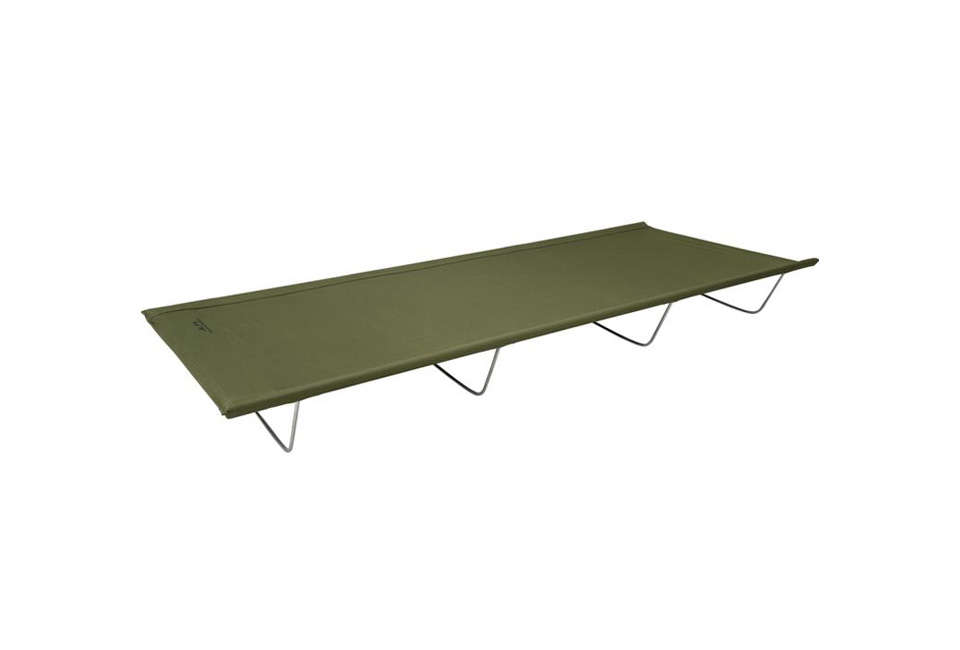
The ALPS Lightweight Camp Cot (often listed as the ALPS Mountaineering Lightweight Cot)
aims to hit the sweet spot between “comfy enough to sleep” and “portable enough to actually bring.”
It’s not an ultralight backpacking cot, and it’s not a full-on luxury bunk bed either. It’s a practical, no-drama
cot for campers who want to get off the ground without hauling a piece of furniture into the forest.
Quick Snapshot: Specs That Matter
- Overall size: about 74 in L × 30 in W × 7.5 in H
- Packed size: about 32 in L × 8 in W × 2 in H (fits in a long carry bag)
- Weight: about 9 lb 5 oz
- Weight capacity: about 250 lb
- Materials: 600D polyester sleeping surface with a steel frame (plus a carry bag)
What “Lightweight” Really Means Here (And What It Doesn’t)
Let’s translate “lightweight” into real-camper language. The ALPS Lightweight Camp Cot is “lightweight” compared
to the classic, chunky car-camping cots that feel like they were designed by someone who thinks “parking lot” is a hiking trail.
But at just under 10 pounds, it’s still not the cot you toss into a backpack next to your titanium spoon and feelings of superiority.
The win is packability and simplicity. The cot breaks down into a flatter, longer bundle
than many traditional folding cots. That makes it easier to fit in a trunk, a gear closet, or that one corner of your garage
where everything outdoor-related goes to form a pile.
Design and Build: Low Profile, Straightforward, and (Mostly) Foolproof
The cot sits about 7.5 inches off the ground, which is enough to get you off cold dirt and pebbly misery,
but still low enough to fit in more tents than tall “camp bed” styles. The steel frame is built for stability,
and the 600D polyester fabric is the kind of tough, abrasion-resistant material commonly used in camping gear.
Stability and Feel
A cot’s comfort comes from two things: tension (how tight the fabric is across the frame) and
support (how well the frame keeps you from sagging). A well-tensioned cot can feel surprisingly bed-likefirm,
flat, and consistent. The ALPS Lightweight Camp Cot leans supportive rather than plush. If you love sleeping on a firm mattress,
you’ll probably be happy. If you prefer “sleeping on a cloud,” you’ll want to add a pad (more on that in a second).
Comfort: The Cot-Pad Combo Is the Cheat Code
Here’s the truth nobody tells you until you’re shivering at 2 a.m.: a cot can be more comfortable than sleeping on the ground,
but it can also feel colder because air flows underneath you. On the ground, your pad fights cold from below.
On a cot, you’re basically giving cold air a VIP pass under your back.
The easiest solution is a sleeping pad on top. Even a basic foam pad can add warmth and soften the cot’s firm feel.
If you camp in cooler weather, use an insulated pad with a decent R-value, or pair the cot with extra insulation like a blanket under your bag
(not just inside it). Your sleeping bag’s underside gets compressed and loses insulating power, so the pad is doing a lot of the heavy lifting.
Best Setup for Different Sleep Styles
- Back sleepers: Often fine with the cot alone in mild temps; add a thin pad for warmth and comfort.
- Side sleepers: Plan on a padhips and shoulders usually want more cushion than a taut cot provides.
- Restless sleepers: The flat, even surface can reduce “finding the rock” at night, but a wider pad can help you stay centered.
Packability and Transport: Small Footprint, Long Bundle
The packed size is one of the main reasons people consider this cot. It’s not the smallest item you’ll own,
but it’s manageablemore like carrying a camp chair bag than wrestling a folded steel lawn chair from 1997.
If you’re car camping, base camping, hunting camp, or doing festivals, the size-to-comfort trade is pretty appealing.
Pro tip: because it packs long, think about your vehicle layout. It slides nicely along the side of a trunk or on top of other gear,
and it’s less awkward when you can keep it straight instead of forcing it into a tiny space like a gear Tetris tragedy.
Tent Fit: Measure Twice, Sleep Once
Before you commit, look at your tent’s interior dimensions. The cot is about 30 inches wide, which can be snug in some
“two-person” tents that are technically two people wide if both people are pencils. You may be fine if your tent is roomy, rectangular,
or designed for car camping. But in a tapered backpacking tent, a 30-inch cot can run into walls fast.
Easy Checks That Prevent Regret
- Floor width: Make sure your tent’s width at the cot’s location is at least 30 inches (and ideally more).
- Wall slope: Steeply slanted tent walls can press against your sleeping bag or shoulders even if the floor fits.
- Door clearance: A cot inside a smaller tent can block the door pathtest your layout at home if possible.
Bonus: the low height can make it easier to fit under lower peak heights, and you may still have a bit of room to stash shoes or a small bag nearby.
Just don’t expect massive under-cot storage like taller cots offer.
Durability and Weight Limit: Know Your Numbers
The listed capacity is around 250 pounds. That number isn’t a vibeit’s a real constraint.
If you’re close to the limit, you’ll want to be mindful of dynamic loads (like sitting down hard, flopping dramatically, or using it as a trampoline
because you “still have youthful energy”). Staying under the rating can help the cot last longer and feel more stable.
For many campers, the materials are a good match for the use case: steel for strength, polyester for abrasion resistance, and a design that aims for
dependable performance rather than complicated features that can break at the worst possible time.
Who This Cot Is Great For
- Car campers who want better sleep without buying a massive folding cot.
- Basecampers who stay put for a few nights and want a consistent bed-like surface.
- Hunters and anglers who prioritize rest and recovery (early mornings are rude).
- Festival campers who want comfort but also want their gear to fit next to the cooler.
- Guest-bed emergencies when a friend visits and your couch is already occupied by laundry.
Who Should Probably Skip It
- Backpackers chasing ultralight goals: nearly 10 pounds is a non-starter for most.
- Anyone who needs a higher cot: if getting up from low seating is difficult, a taller cot can be easier.
- People above 250 lb (or close enough that “maybe” becomes “hmm”): look for higher-capacity options.
- Cold-weather campers who won’t use a pad: airflow under a cot can steal warmth fast.
How It Compares to Other ALPS Cots
If you like the ALPS approach but want something more “backcountry-friendly,” the ALPS Ready Lite Cot is the brand’s
more premium, pack-small option. It’s significantly lighter (around 5 pounds), has a higher weight capacity (around 300 pounds),
and packs down much smallercloser to a compact pole-bag size than a long chair bag. The trade-off is usually price:
lighter materials and compact engineering tend to cost more.
Think of it this way:
the Lightweight Camp Cot is a practical value pick for car camping and short trips,
while the Ready Lite aims at people who care deeply about pack size and weight, but still want cot comfort.
Smart Ways to Use the ALPS Lightweight Camp Cot
1) Add the Right Pad
A pad makes the cot warmer and more forgiving. If you already own a sleeping pad, try it first.
Even a budget foam pad can help. In cooler conditions, use an insulated pad; warmth comes from insulation, not vibes.
2) Choose Your Site Like You Mean It
One underrated perk of a cot is that it can smooth out minor unevenness, but you still want relatively flat ground so the frame sits evenly.
Avoid placing it on sharp rocks or roots that could stress the legs or connectors over time.
3) Practice Setup Once at Home
This is the camping equivalent of reading the recipe before you start cooking. Do a dry run once in your living room.
Your future self, setting up in the dark with a headlamp and one bar of service, will be extremely grateful.
4) Reduce Noise and Slippage
If your tent floor is slick and the cot wants to wander, a small piece of non-slip material under the legs can help.
If you add a pad on top, consider a fitted sheet or a simple strap to keep it from sliding during the night.
FAQs
Is it actually comfortable without a pad?
It can beespecially for back sleepers in mild weather. But many people prefer a pad for warmth and softer support,
particularly if they sleep on their side.
Will it fit in a two-person tent?
Sometimes. At about 30 inches wide, it can be tight in smaller or tapered two-person tents.
Roomier car-camping tents and more rectangular floor plans are usually a better match.
Is it good for cold weather?
It can be, but you’ll want an insulated pad. The airflow underneath can make you feel colder than sleeping directly on the ground with an insulated pad.
If you camp in shoulder seasons, plan your insulation like it’s part of the cot system, not an optional accessory.
Is it durable enough for regular use?
For typical camping useweekends, trips, basecampsyes, it’s built to handle the job when used within the weight rating and set up on reasonable ground.
Like any cot, the fastest way to shorten its life is to exceed capacity or treat it like a gym apparatus.
Real-World Experiences: What It’s Like to Actually Live With This Cot (500+ Words)
The first night you sleep on a cot after years of ground sleeping is weirdly emotional. You climb into your tent, lie down,
and immediately realize your body isn’t negotiating with the terrain anymore. There’s no “Which side has fewer rocks?”
debate. No midnight shuffle to re-inflate your pad because you swear it was thicker when you fell asleep.
Just a flat surface that stays flatlike a small miracle you can carry in a bag.
With the ALPS Lightweight Camp Cot, the most noticeable day-one change is how your morning feels. If you’ve ever woken up camping and needed a full
body reboot sequencestretch, groan, roll, pretend you’re finethis cot can reduce that. It’s not magic; it’s support.
Your back doesn’t sink into a valley. Your hips aren’t trying to punch through a pad onto hard ground. You simply sleep more normally,
which is the entire point of bringing gear into nature: to enjoy nature, not to suffer for content.
The second “real-life” lesson is temperature. On a warm summer night, the airflow under the cot can feel greatalmost like your tent is a tiny
breeze-powered air conditioner (a very tiny one, but still). On a cooler night, though, that same airflow becomes a thief.
It sneaks under your sleeping bag and steals your warmth like a raccoon stealing snacks. The fix is simple: put a pad on top.
Once you do, the system starts to feel dialed incot for support, pad for insulation and cushion. That combo is when campers start saying things like,
“Honestly, I slept better than at home,” and then they immediately worry they’ve become too fancy for the outdoors.
Another experience you’ll notice is how the cot changes your tent routine. You’re no longer crawling around to inflate a mattress or
smoothing a pad into place like you’re making a bed for a royal guest. Setup becomes more structured: cot goes here, bag goes there, shoes go there,
headlamp goes there. It’s almost… organized. And because the cot is low-profile, it tends to play nicer with tent walls than taller designsless rubbing,
less awkward “my sleeping bag is glued to the side panel” feeling. That said, you still learn quickly that tent dimensions matter.
In a tight tent, a 30-inch cot feels like it’s claiming territory. In a roomy tent, it feels like you finally unlocked the “adult camping” setting.
Over multiple trips, you start appreciating the small things: having a consistent platform to sit on while you lace boots,
a clean place to lay out tomorrow’s clothes, and a bed that doesn’t deflate when you roll over.
You also learn what you care about most. Some campers decide they want even more comfortmaybe a thicker pad or a wider cot.
Others decide the cot is perfect for car camping but too heavy for anything involving long carries. And a surprising number of people realize this cot
is also an excellent “backup bed” for friends, because it’s sturdier and more supportive than a questionable air mattress that sounds like a rubber goose
every time someone moves.
The most honest “cot experience” takeaway is this: the ALPS Lightweight Camp Cot doesn’t try to be everything. It’s a practical tool that
helps you sleep better outdoors with minimal fuss. Pair it with the right pad, use it in a tent that actually fits it, and it can turn camping nights
from “I survived” into “I’m doing this again next weekend.” And that’s the real flexwaking up rested enough to enjoy the trip you planned.