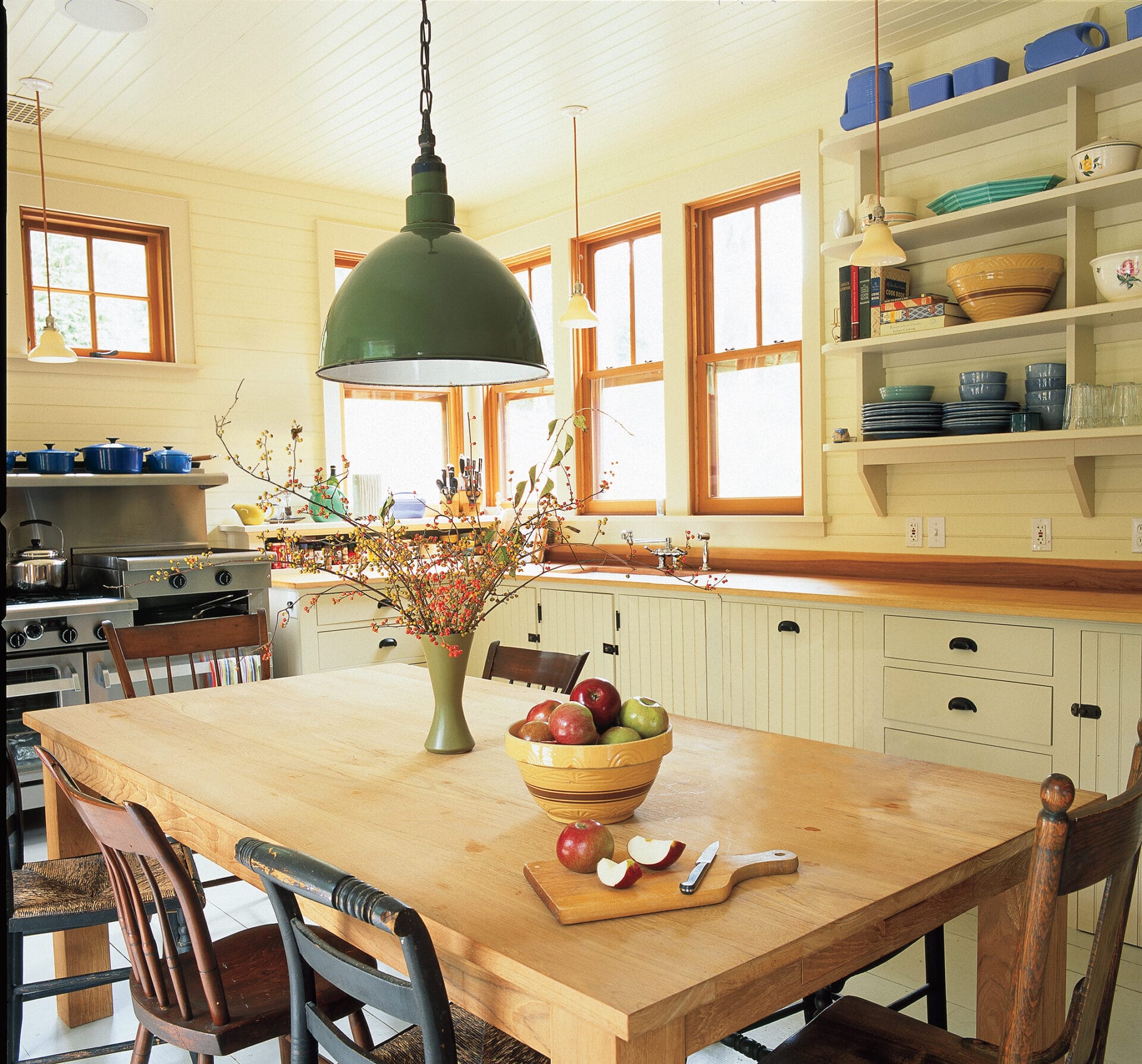
Pendant lights are the jewelry of interior lightingexcept they are less likely to disappear into a bathroom drawer and much better at illuminating your kitchen island. Suspended from the ceiling by a cord, chain, cable, or metal rod, these versatile fixtures can provide focused task lighting, comfortable ambient light, or a dramatic decorative focal point.
They work in almost every part of the home, from kitchens and dining rooms to bedrooms, entryways, bathrooms, and covered porches. The challenge is not finding a pendant light. The challenge is choosing the right size, style, brightness, hanging height, and number without turning the ceiling into a lighting showroom.
This guide explains how pendant lights work, the major styles available, where to install them, how to calculate placement, and which common mistakes to avoid.
What Is a Pendant Light?
A pendant light is an overhead fixture that hangs below the ceiling from a single mounting point. The light source may be surrounded by glass, metal, fabric, wood, ceramic, concrete, paper, or woven natural fibers. Some pendants contain one bulb, while cluster and linear designs may contain several.
The difference between a pendant and a chandelier is not always perfectly defined. In general, a pendant has a simpler body suspended from one canopy, while a chandelier usually branches into multiple arms. A linear fixture with several suspended shades may fall somewhere in betweenbecause lighting categories occasionally enjoy creating more confusion than clarity.
Pendants are especially useful because they bring light closer to the surface where it is needed. A ceiling fixture may brighten an entire room, but a downward-facing pendant can concentrate illumination on a countertop, desk, table, or reading area.
Why Pendant Lights Are So Popular
They Combine Function and Decoration
A pendant can illuminate vegetables being chopped on an island while also serving as one of the kitchen’s strongest design features. Few home accessories work that hard without demanding their own closet.
Depending on the shade and bulb, a pendant can produce direct task lighting, diffused ambient lighting, or a combination of both. This makes it easier to layer light throughout a room rather than depending on one extremely bright ceiling fixture. Professional lighting guidance commonly recommends combining ambient, task, and accent lighting so that a room can adapt to different activities.
Research basis:
They Help Define Open Spaces
In an open-concept home, a row of pendants can visually identify the kitchen island without building a wall. A large fixture over a dining table creates an intimate zone, while a sculptural pendant in an entryway gives visitors an immediate focal point.
They Come in Nearly Every Style
Pendant lighting can look industrial, traditional, coastal, farmhouse, minimalist, midcentury modern, glamorous, rustic, or completely experimental. Because the fixture hangs near eye level, its shape and material often influence the room more than smaller decorative accessories.
The Main Types of Pendant Lights
Mini Pendants
Mini pendants are compact fixtures commonly installed over sinks, small counters, breakfast bars, or narrow islands. They can be used alone, but they are often arranged in groups of two or three. Their small size makes them flexible, although several tiny fixtures over a huge island can look like they arrived for the wrong kitchen.
Dome and Bowl Pendants
Dome-shaped metal pendants direct most of their light downward, making them excellent for task lighting. They are commonly used above kitchen islands, worktables, and breakfast nooks. An opaque shade reduces sideways glare but contributes less general illumination to the rest of the room.
Drum Pendants
Drum pendants use a cylindrical shade, frequently made from fabric or another light-diffusing material. They provide a softer glow and work well over dining tables, in bedrooms, and in living areas. A bottom diffuser can hide the bulb and prevent harsh glare when the fixture is viewed from below.
Globe Pendants
Globe pendants feature round shades made from clear, seeded, frosted, opal, or colored glass. Clear glass creates sparkle and exposes the bulb, while frosted or opal glass spreads light more evenly. Globes are versatile enough to complement traditional, contemporary, and midcentury interiors.
Lantern and Cage Pendants
Lantern pendants use a framed structure, sometimes with glass panels and sometimes with open sides. Cage designs offer a more industrial variation. Because the bulbs are usually visible, decorative filament-style LEDs are often used. Choose the bulb carefully: an exposed bulb that is too bright can make dinner feel like an interrogation.
Cluster and Multi-Light Pendants
Cluster fixtures suspend several lights from one ceiling canopy. The individual shades may hang at equal heights or form a cascading arrangement. These fixtures are useful in stairwells, tall entryways, and rooms where a single pendant would feel undersized.
Linear Pendants
A linear pendant stretches horizontally and may contain several bulbs or shades. It is a practical choice for long dining tables, rectangular islands, pool tables, and conference-style workspaces because it distributes light across a broader surface.
Plug-In Pendants
Plug-in pendants connect to a wall outlet instead of permanent ceiling wiring. The cord can be routed through ceiling hooks, allowing renters and homeowners to add overhead light without opening the ceiling. The visible cord becomes part of the design, so tidy routing matters.
How to Choose the Right Pendant Light
Start With the Job It Must Perform
Before falling in love with a beautiful fixture, decide what the light needs to accomplish. For food preparation, homework, or detailed tasks, choose a design that directs useful light onto the work surface. For dining or relaxing, prioritize diffused illumination and dimming control.
A clear glass pendant may look airy, but it does not automatically prevent glare. An opaque shade can provide excellent downward light but leave the ceiling and surrounding room darker. Consider the direction of the light, not just the attractiveness of the shade in a product photograph.
Match the Fixture to the Room’s Scale
Scale is often more important than style. A pendant that is too small can disappear visually, while one that is too large can block sightlines and overwhelm the furniture beneath it.
For a dining table, a useful starting point is a fixture measuring approximately one-half to two-thirds of the table’s width. Another practical approach is to choose a fixture roughly 12 inches narrower than the surface below it, leaving about 6 inches of visual clearance on each side.
Research basis:
Large rooms and high ceilings can usually support wider or vertically deeper pendants. Small rooms benefit from visually lighter fixtures, such as open frames or clear glass, which occupy space without appearing heavy.
Understand How Materials Change the Light
Clear glass allows light to travel in multiple directions but exposes the bulb and collects visible dust. Frosted glass softens glare. Metal directs light according to the shade opening. Fabric creates a warmer, gentler atmosphere but may absorb cooking residue. Woven rattan and natural fibers produce decorative shadows, while paper shades create lightness and an inviting glow.
The material also affects maintenance. A smooth glass globe is easier to wipe than a complex woven shade, although the glass will proudly display every fingerprint until you do.
Brightness, Color Temperature, and Bulb Quality
Shop by Lumens, Not Just Watts
Watts measure energy use, while lumens describe light output. This distinction matters because an LED can provide the brightness of an older incandescent bulb while using substantially less electricity. ENERGY STAR notes that modern LED lighting can be up to 90 percent more energy-efficient than incandescent technology.
Research basis:
Rather than asking how many watts a pendant needs, consider how many lumens the entire area requires. A decorative pendant may provide only part of the room’s illumination, especially when recessed lights, sconces, or under-cabinet fixtures are also present.
Choose an Appropriate Color Temperature
Color temperature is measured in kelvins, shown as K on bulb packaging. Lower numbers appear warmer and more golden, while higher numbers look cooler and bluer.
- 2200K–2700K: Warm, intimate light for dining rooms, bedrooms, and relaxed living spaces.
- 2700K–3000K: A versatile residential range for kitchens, entries, and general lighting.
- 3500K–4000K: Cleaner, more neutral light for task-oriented rooms and contemporary interiors.
- 5000K and above: Cool daylight-like light that can feel harsh in residential dining or relaxation areas.
Matching the color temperature of nearby fixtures creates a more intentional result. A warm pendant surrounded by cool recessed lights can make the ceiling look as though two separate lighting departments are competing for control.
Check the Color Rendering Index
The Color Rendering Index, or CRI, indicates how naturally colors appear under a light source. A CRI of at least 80 is generally recommended for interior lighting, while 90 or higher is preferable in kitchens, dressing areas, art displays, and rooms where accurate color matters.
Research basis:
Confirm Dimming Compatibility
Dimmers allow one pendant to provide bright task lighting during meal preparation and softer light during dinner. However, the bulb or integrated LED must be labeled dimmable, and the dimmer must be compatible with the light source. Mismatched LED bulbs and dimmers can cause flickering, buzzing, limited dimming range, or lights that refuse to turn fully off.
Research basis:
How High Should Pendant Lights Hang?
Above a Kitchen Island or Dining Table
A widely used starting point is to position the bottom of the pendant 30 to 36 inches above the countertop or tabletop. Eight-foot ceilings often work well near the lower end of that range, while taller ceilings may support slightly higher placement.
Research basis:
This guideline is not a law of physics. Adjust the height according to the fixture’s size, the users’ height, and the room’s sightlines. Sit and stand around the surface before finalizing the cord or rod length. You should be able to see across the island without leaning sideways like someone avoiding a security camera.
In Open Walkways
Where people walk underneath a pendant, maintain generous head clearance. Approximately 7 feet from the floor to the bottom of the fixture is a practical residential target, with additional clearance for tall occupants or active passageways.
In Rooms With Low Ceilings
Pendants can be awkward in rooms with ceilings around 8 feet or lower unless they hang over furniture. In open circulation areas, a flush-mount or semi-flush fixture is often safer and visually more comfortable.
Research basis:
How Many Pendants Should You Install?
The answer depends on the island length, fixture diameter, brightness, and desired visual effect. Two large pendants can look cleaner than three undersized ones. A single oversized pendant can also work when centered over a compact island or round table.
For multiple fixtures, an initial spacing of approximately 24 to 30 inches between shade centers often works well. Keep the group centered over the surface and leave enough room near both ends so the arrangement does not appear squeezed into place.
Research basis:
A simple planning method is to divide the island into equal visual sections. For three pendants, place the middle fixture at the island’s center and position the others evenly on either side. Use painter’s tape, cardboard circles, or balloons to represent fixture dimensions before drilling anything. Balloons are not technically advanced, but neither is discovering that your pendants are six inches too close together after installation.
Best Places to Use Pendant Lights
Kitchen Islands
Pendants can provide task lighting, establish rhythm, and turn the island into a focal point. Combine them with recessed or under-cabinet lights rather than expecting the pendants to illuminate the entire kitchen alone. Dark cabinets and finishes absorb more light, so those rooms may require additional output.
Dining Rooms
Center the fixture on the dining table rather than automatically centering it in the room. This is particularly important when the table is not positioned beneath the ceiling’s existing electrical box. A swag hook or relocated junction box may solve the alignment problem.
Bedrooms
Small pendants can replace bedside lamps and free up nightstand space. Install them far enough from the bed to prevent accidental contact and place each switch where it can be reached comfortably. Warm, dimmable light is usually more relaxing than high-output cool light.
Bathrooms
Pendants can look elegant beside a vanity mirror or over a freestanding tub, but bathrooms require careful attention to electrical safety and location ratings. Choose fixtures specifically rated for the moisture exposure of the installation area and follow applicable electrical codes.
Entryways and Stairwells
These spaces can accommodate dramatic vertical fixtures, cascading clusters, and large lanterns. Confirm the fixture can be accessed for cleaning and bulb replacement. A magnificent three-story pendant becomes less charming when changing a bulb requires specialized climbing equipment.
Covered Outdoor Areas
Only use pendants approved for the intended environment. A damp-location rating is designed for moisture and humidity without direct water exposure, while a wet-location rating is required where rain or water may reach the fixture.
Research basis:
Installation and Safety Considerations
Before buying a heavy pendant, confirm that the ceiling electrical box and mounting hardware can support its weight. The canopy may hide the hardware, but it cannot magically strengthen an inadequate box.
Turn off the circuit at the breaker before working on electrical connections and verify that the power is off with an appropriate tester. Wiring colors, grounding methods, junction-box requirements, and local codes can vary. Hire a licensed electrician when installing a new circuit, relocating a box, working with unfamiliar wiring, or mounting a particularly heavy fixture.
Research basis:
For sloped ceilings, check that the pendant includes an adaptable canopy, flexible cord, chain, or compatible swivel. Fixed downrods that cannot pivot may cause the fixture to hang at an angle.
Also investigate the light source before buying. A fixture with replaceable bulbs is easier to service, while an integrated LED can offer a sleek design but may require replacing the driver or entire fixture if the light eventually fails.
Common Pendant-Lighting Mistakes
- Choosing by appearance alone: A beautiful shade may direct the light in the wrong direction for the intended task.
- Buying fixtures that are too small: Tiny pendants can look timid over a wide island or long table.
- Hanging them too high: The fixtures may feel disconnected from the surface and provide weak task lighting.
- Hanging them too low: Low pendants obstruct conversation, sightlines, and occasionally foreheads.
- Using exposed bulbs with excessive brightness: Decorative clear bulbs can create uncomfortable glare.
- Ignoring the view from nearby rooms: Pendants should align with important architectural and furniture sightlines.
- Mixing incompatible LEDs and dimmers: This can produce flickering, buzzing, or poor low-level performance.
- Forgetting maintenance: Open glass, textured shades, and kitchen fixtures require regular cleaning.
- Expecting pendants to light everything: Most rooms perform better with layered lighting.
Cleaning and Maintaining Pendant Lights
Turn the light off and allow bulbs and integrated components to cool before cleaning. Dust metal, wood, and woven shades with a microfiber cloth or soft brush. Clean glass with a suitable glass cleaner applied to the cloth rather than sprayed toward electrical components.
Kitchen pendants may develop a film from grease and airborne cooking residue. Cleaning them every few months prevents buildup. Check cords, canopies, screws, and glass-retaining rings periodically, especially on fixtures exposed to vibration or frequent bulb changes.
Are Pendant Lights Worth It?
Pendant lights are worthwhile when they solve both a lighting problem and a design problem. They can improve task visibility, make large rooms feel more organized, and introduce color, texture, or architectural interest without remodeling an entire space.
The best pendant is not necessarily the most expensive or dramatic. It is the fixture that fits the surface, hangs at the right height, produces comfortable light, and still looks good when viewed from every important angle. In other words, it should work when switched onnot merely when photographed for the product listing.
Practical Experiences and Lessons From Real-World Pendant Lighting
One of the most common pendant-lighting experiences begins with a homeowner choosing fixtures that look perfect online and strangely miniature after installation. Product images rarely show a fixture beside an ordinary kitchen island, so a 7-inch pendant can appear substantial on a screen but nearly disappear above a 9-foot counter. Creating a cardboard template before ordering offers a more realistic sense of scale. Holding that template over the island may look slightly ridiculous, but returning three installed fixtures is considerably more ridiculous.
Another familiar lesson involves hanging height. Installers may begin with the standard 30-to-36-inch range, but the final position often needs personal adjustment. A tall family may raise the fixtures several inches to preserve sightlines, while a smaller, downward-facing pendant may need to sit lower for effective task lighting. Temporarily securing adjustable cords before trimming them allows the household to test the arrangement during cooking, dining, and conversation.
Glare is another issue that is difficult to judge from catalog photography. Clear globes and exposed decorative bulbs look attractive during the day, but an overly bright bulb can become uncomfortable at night. Homeowners frequently solve this problem by switching to lower-lumen bulbs, installing frosted lamps, adding a compatible dimmer, or choosing fixtures with bottom diffusers. The bulb is part of the design, not an afterthought hidden inside it.
Spacing also changes once a kitchen is being used. Pendants centered mathematically over the entire island may not align with the actual work zone, seating arrangement, or sink. In some kitchens, two larger pendants provide more balanced illumination than three smaller ones. In others, three fixtures create better rhythm because the island includes multiple stools and work areas. Testing positions with painter’s tape on the ceiling and mock fixture shapes below can reveal these differences before installation.
Maintenance becomes especially noticeable with clear glass pendants. Their transparency makes a room feel open, but it also displays dust, grease, and fingerprints with impressive honesty. Enclosed globes can be awkward to remove, so checking how the shade detaches before buying is surprisingly valuable. A fixture that requires ten tiny screws and exceptional patience will not be cleaned as often as its owner initially imagines.
Color temperature can create another unexpected result. A warm 2700K pendant may look cozy over a dining table, yet appear mismatched when the surrounding recessed lights are 4000K. Choosing the same color temperature across visible fixtures produces a unified appearance. Homeowners who need bright working light and warm evening ambiance may prefer dim-to-warm LEDs or separately controlled lighting layers.
Finally, pendant installations often reveal that decorative lighting should not carry the entire room. An island pendant can beautifully illuminate the countertop while leaving cabinets, walkways, and corners dim. The most successful rooms combine pendants with recessed lighting, under-cabinet illumination, sconces, or lamps. This layered approach allows bright light for cooking, moderate light for daily activities, and a softer scene for entertaining.
The practical lesson is simple: measure more than once, test the height before shortening cords, evaluate the bulb at night, and consider how the fixture will be cleaned. Pendant lights are wonderfully flexible, but their success depends on the details surrounding them. When scale, placement, light quality, and maintenance are considered together, they become more than attractive objects hanging from the ceiling. They become genuinely useful parts of the room.