Kyoto is famous for temple gardens, tea ceremony, hand-thrown pottery, and streets that can make an ordinary evening stroll feel suspiciously cinematic. Yet the city’s design culture is not trapped behind museum glass. It also appears in contemporary stores such as A. Depeche, where weathered wood, lean iron frames, textured textiles, practical storage, and quietly unusual accessories share the same room without starting an argument.
A. Depeche is more than a Kyoto furniture store with attractive shelves. It is a lifestyle shop built around the idea that everyday objects should carry personality, age gracefully, and work with the rest of a home. The merchandise can feel rustic, industrial, modern, nostalgic, and slightly European all at once. Somehow, the mixture remains calm rather than chaotica useful reminder that eclectic interior design does not require owning a purple velvet throne.
A Kyoto-Born Lifestyle Brand With a Message
A. Depeche was launched in Kyoto in April 2005, during a period when its founders believed Japanese consumers had fewer distinctive interior choices than they do today. The brand name is associated with the French word for a dispatch, message, or telegram. That meaning reflects the company’s goal of sending more than a product to the customer; each object is intended to communicate an idea about living.
That philosophy helps explain why the store does not behave like a conventional furniture showroom. A sofa is rarely presented as an isolated rectangle waiting for a credit card. It may be surrounded by a low table, an iron lamp, baskets, ceramics, a rug, plants, stationery, and small domestic tools. The display suggests a complete environment while leaving enough room for customers to imagine their own version.
The company describes its approach through contrasts: simple but nostalgic, cool yet warm, analog but modern, understated but expressive. It avoids treating one nationality, material, color palette, or decorating category as the only correct answer. The resulting A. Depeche style is recognizable, but it is not a rigid costume.
What Makes A. Depeche’s Style So Eclectic?
Many stores organize their merchandise into tidy aesthetic boxes: Scandinavian goes here, industrial goes there, and farmhouse waits politely beside a decorative sign announcing that kitchens are for dancing. A. Depeche is more interested in what happens when those boxes overlap.
Warm Wood Meets Honest Metal
One of the brand’s most recognizable combinations is natural-looking wood paired with exposed or minimally finished iron. The wood introduces grain, warmth, and irregularity. The metal contributes thin lines, structural clarity, and a subtle workshop character. Together, they create furniture that feels lighter than chunky rustic pieces but less polished than glossy contemporary collections.
This contrast works especially well in compact homes. A wood cabinet with a dark metal frame can offer visual warmth without appearing bulky. An open shelving unit creates storage while allowing the wall behind it to remain visible. A dining table can look substantial enough for daily family meals without resembling something borrowed from a medieval banquet hall.
New Objects That Do Not Look Factory Fresh
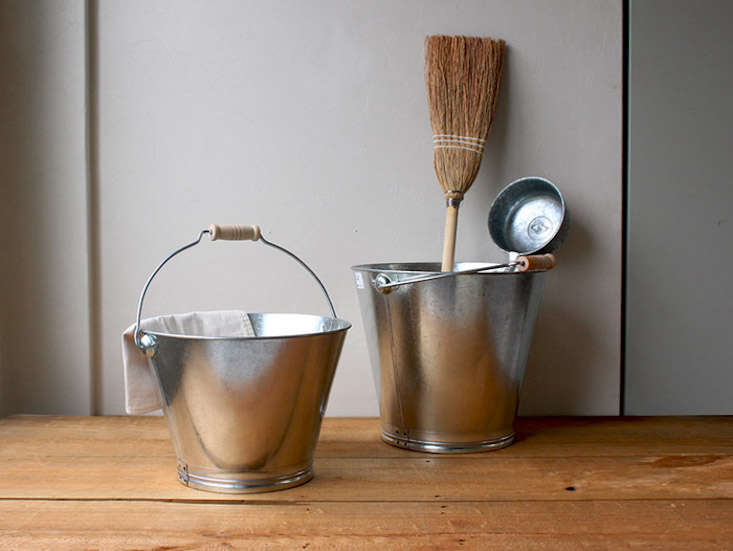
A. Depeche products frequently favor surfaces that appear softened, brushed, distressed, hammered, woven, or otherwise touched by human life. Remodelista’s earlier survey of the shop highlighted objects such as a rustic broom handmade in Tochigi Prefecture, a distressed metal lampshade, linen placemats, a compact kitchen rack, and an iron-and-teak paper towel holder. Those examples represent an older merchandise snapshot rather than guaranteed current inventory, but they capture the brand’s enduring preference for useful objects with visible character.
The attraction is not artificial damage for its own sake. It is relief from the nervous perfection of objects that look ruined after the first fingerprint. A naturally grained table, darkened iron bracket, or irregular ceramic bowl is already prepared for real life. You can actually use it. Revolutionary, apparently.
Minimalism With Texture and Humor
A. Depeche is often associated with Japanese minimalism, wabi-sabi, industrial furniture, and the natural warmth now commonly linked to Japandi interiors. Those comparisons are useful, but none describes the shop completely.
Wabi-sabi values imperfection, authenticity, natural change, and materials that become more expressive with age. Japandi interiors combine Japanese restraint with Scandinavian comfort and functionality. American design publications commonly illustrate these ideas with wood, stone, linen, clay, handmade accessories, muted colors, negative space, and carefully selected furniture.
A. Depeche shares much of that vocabulary, but it can be more playful and urban. Its collections may include wire storage, sculptural lighting, graphic textiles, unusual desk accessories, apparel, and objects that seem rescued from a stylish old workshop. The store is restrained, but it is not solemn. Nobody will ask you to meditate before buying a magazine rack.
What You Can Find Inside A. Depeche
The Kyoto shop centers on original furniture and surrounds it with household goods designed to support a coordinated living space. The broader product range includes interior accessories, lighting, stationery, clothing, rugs, kitchen items, and decorative objects. Inventory changes, so browsing remains part of the appeal rather than a predictable march through identical shelves.
Furniture for Everyday Rooms
Expect dining tables, chairs, stools, benches, cabinets, shelving, desks, side tables, sofas, television stands, and other pieces intended for actual daily use. The proportions often feel suitable for Japanese apartments, where furniture must earn its floor space. Open bases, narrow profiles, modular forms, and mixed-material construction help larger pieces appear less visually heavy.
The furniture is particularly useful for shoppers who find conventional industrial design too cold and standard natural interiors too sweet. A. Depeche lands between the two. Imagine a workshop that learned table manners.
Lighting That Changes the Whole Room
Lighting is one of the easiest categories to appreciate even when international luggage space is limited. Metal shades, warm bulbs, pendant fixtures, compact lamps, and simple silhouettes reinforce the store’s relaxed atmosphere. The best pieces do not shout for attention. Instead, they cast flattering light on everything else, which is a talent many people could also use at dinner parties.
Textured and diffused lighting is frequently recommended in Japanese-inspired interiors because it softens hard surfaces and creates visual calm. In rooms built from wood, iron, linen, and ceramic, warm layered illumination prevents the palette from feeling flat.
Storage That Deserves to Be Seen
A. Depeche’s storage products often blur the line between organization and display. Baskets, racks, open shelves, hooks, stands, boxes, and desktop containers allow everyday items to remain accessible without looking abandoned.
This approach suits kitchens, entryways, offices, and small apartments. Rather than concealing every possession behind identical white doors, it encourages selective visibility. A favorite mug, a stack of linen napkins, a wooden brush, and three carefully chosen books can become part of the room. The remaining 47 charging cables should probably stay in a drawer.
Small Housewares and Giftable Finds
Travelers who cannot bring home a dining table without severely alarming the airline can concentrate on smaller goods. Depending on the current selection, possibilities may include tableware, textiles, trays, hooks, cleaning tools, stationery, containers, candleholders, and compact decorative pieces.
These products make excellent Kyoto souvenirs because they are practical without feeling generic. A useful household object can preserve the memory of a trip more naturally than another refrigerator magnet. Every time you reach for a well-made tray or brush, Kyoto quietly reappears in the room.
Why the Store Feels Particularly at Home in Kyoto
Kyoto has spent centuries connecting aesthetics with ordinary life. Tea ceremony helped stimulate the development of ceramics, lacquerware, bamboo work, textiles, metalwork, architecture, and utensils designed for intimate daily rituals. The city’s contemporary craft culture continues to bring traditional knowledge into conversation with modern users and designers.
A. Depeche is not a traditional craft workshop, and it should not be marketed as one. Its furniture and lifestyle products belong to a contemporary commercial brand. Nevertheless, its sensitivity to material, aging, restraint, utility, and tactile experience fits naturally within Kyoto’s broader design environment.
Modern Kyoto frequently demonstrates that preservation and innovation are not enemies. Designers, shopkeepers, hoteliers, architects, and craftspeople regularly combine old structures or inherited techniques with new functions. American travel and design coverage of Kyoto often emphasizes precisely this dialogue: historic townhouses beside experimental interiors, folk craft near contemporary retail, and traditional pottery appreciated through modern eyes.
A. Depeche translates that conversation into accessible domestic design. You do not need to own a machiya townhouse or understand every school of Japanese aesthetics. You simply need to notice that wood grain looks better when allowed to be wood grain.
How to Use the A. Depeche Look at Home
You can borrow the shop’s design logic without recreating its displays piece by piece. In fact, copying an entire showroom usually produces a home that feels oddly ready for strangers to ask about financing.
Choose One Material Contrast
Begin with a simple pairing: wood and blackened metal, linen and rough ceramic, woven fiber and glass, or soft upholstery against an iron frame. Repeating one contrast across a room creates unity without requiring every object to match.
Let Useful Objects Provide Decoration
A wooden tray, handsome brush, ceramic pitcher, woven basket, or well-designed lamp can be both functional and decorative. This reduces clutter because an object does not need to justify itself through beauty alone. It has a job, which is more than can be said for many decorative pillows.
Mix Old and New Carefully
Pair a clean-lined modern shelf with vintage pottery. Place a contemporary lamp over a worn wooden table. Add one playful textile to an otherwise muted room. American interiors inspired by Japanese design often succeed when natural materials, patina, and handmade forms are combined with modern functionality rather than treated as a historical theme.
Leave Some Space Empty
A room needs visual pauses. Do not fill every shelf, corner, and wall simply because the square footage is technically available. Empty space allows the textures and silhouettes of selected objects to become more noticeable.
Buy Things That Improve With Use
Prioritize wood that can develop patina, linen that softens, metal that gains character, and ceramics whose small irregularities make them pleasant to handle. An A. Depeche-inspired home should feel increasingly personal after five years, not increasingly outdated after five months.
Planning a Visit to A. Depeche in Kyoto
At the time of writing, the brand’s Kyoto Hachijo shop is listed on the third floor of the Sakura Building at AEON Mall Kyoto, close to Kyoto Station. Official listings show regular hours of 10:00 a.m. to 9:00 p.m., although mall schedules, holidays, renovations, and temporary changes can affect opening times.
The location makes the store easy to include in a Kyoto itinerary. It can work as a first stop after arriving by train, a convenient break from outdoor sightseeing, or a final shopping visit before departure. Unlike a remote design showroom, it does not demand a special expedition involving three buses, a mountain path, and a heroic amount of optimism.
Smart Shopping Tips
- Photograph product labels and dimensions when comparing furniture or checking whether international ordering is possible.
- Ask staff about materials, care instructions, availability, and whether a display item belongs to a continuing collection.
- Inspect ceramics, glass, and delicate finishes before purchasing, then request appropriate wrapping for travel.
- Measure your luggage before falling emotionally in love with a lamp the size of a small moon.
- Confirm current store hours and services through the official shop listing before making a dedicated trip.
Why Design Lovers Remember A. Depeche
The store’s appeal is not based on a single spectacular object. It comes from relationships between objects: a rugged table under a delicate pendant, an iron stand beside a soft rug, a humble cleaning tool presented with the dignity of sculpture.
This way of merchandising encourages slower observation. Customers begin noticing edges, joints, finishes, weight, texture, and scale. A cabinet is no longer merely “brown.” It is warm wood interrupted by dark lines. A storage rack is not merely practical. It changes what can remain visible and how the room breathes.
That is the central lesson of A. Depeche Kyoto. Good housewares do not need to be luxurious, historically important, or aggressively clever. They need to support everyday behavior while adding a small amount of pleasure. A chair should be comfortable. A shelf should hold things. A lamp should illuminate the room. Achieving those goals while also looking quietly wonderful is where design earns its tea break.
A 500-Word Visitor Experience: Browsing A. Depeche Like a Design Hunter
Imagine arriving in Kyoto after a morning of temples, buses, and respectfully removing your shoes. You return toward Kyoto Station with several hundred photographs of wooden gates and the growing suspicion that your home contains too much plastic. AEON Mall Kyoto appears nearby, offering air conditioning, food, and the comforting possibility of sitting down.
On the third floor, the entrance to A. Depeche looks open rather than ceremonial. Furniture stands near the front, but smaller objects immediately interrupt any plan to browse efficiently. A lamp catches your attention. Then a basket. Then a narrow shelf that would be perfect beside your desk, provided your desk existed in Kyoto and airline baggage rules were written by poets.
The first useful habit is to walk through the entire store without buying anything. Notice how the displays are assembled. A dining table may be styled with mismatched ceramics and linen rather than a formal dinner service. Open shelving may hold practical household supplies beside plants and books. Nothing feels excessively coordinated, yet repeated materials keep the scene connected.
You begin touching surfacesnot recklessly, but with legitimate design curiosity. A tabletop reveals grain that photographs could flatten. An iron frame feels lean but solid. A woven textile changes character as the light moves across it. These tactile details explain why the merchandise feels warmer than standard industrial furniture.
Next comes the small-goods stage, historically dangerous for travelers who have said, “I’m just looking.” Compact objects make excellent purchases because they carry the store’s design language without requiring freight shipping. A tray, hook, textile, desk accessory, or piece of tableware can introduce wood, iron, linen, or handmade texture to a room back home.
Consider how each item would live rather than where it would merely sit. Would the tray collect keys in the entryway? Could the basket organize towels? Would a lamp improve the corner where you read, or simply create a new corner where you worry about dusting a lamp? Practical imagination prevents souvenir shopping from becoming decorative storage management.
If you are considering furniture, photograph the product card and record exact measurements. Japanese furniture proportions may work beautifully in apartments, but visual scale can be deceptive inside a spacious retail display. Check doorways, elevator dimensions, table clearance, seat height, voltage requirements for lighting, and delivery options before making plans.
The most valuable part of the visit may arrive after you leave. Back in your hotel, you start noticing the objects around you differently: the finish of a wooden headboard, the weight of a cup, the arrangement of light, and the amount of clutter competing for attention. A successful design shop does not merely sell products. It improves your ability to see.
That is why A. Depeche can remain memorable even when your final purchase is small. The store offers a practical lesson in eclectic decorating: combine contrasts, respect materials, leave breathing room, and select objects that become more personal through use. Also, bring a reusable shopping bag. Enlightenment is wonderful, but handles are helpful.
Conclusion
A. Depeche stands out among Kyoto housewares shops because it treats domestic design as an evolving conversation rather than a fixed style. Wood and metal, nostalgia and modernity, Japanese restraint and cosmopolitan influence all appear together. The collection demonstrates that an eclectic home can feel coherent when its objects share useful proportions, tactile materials, thoughtful construction, and a little visual restraint.
Whether you are furnishing an apartment, hunting for an unusual Kyoto souvenir, or gathering Japanese interior design ideas, the store rewards careful browsing. You may enter looking for a bowl and leave reconsidering your entire relationship with shelving. That is a surprisingly ambitious achievement for an afternoon shopping trip.