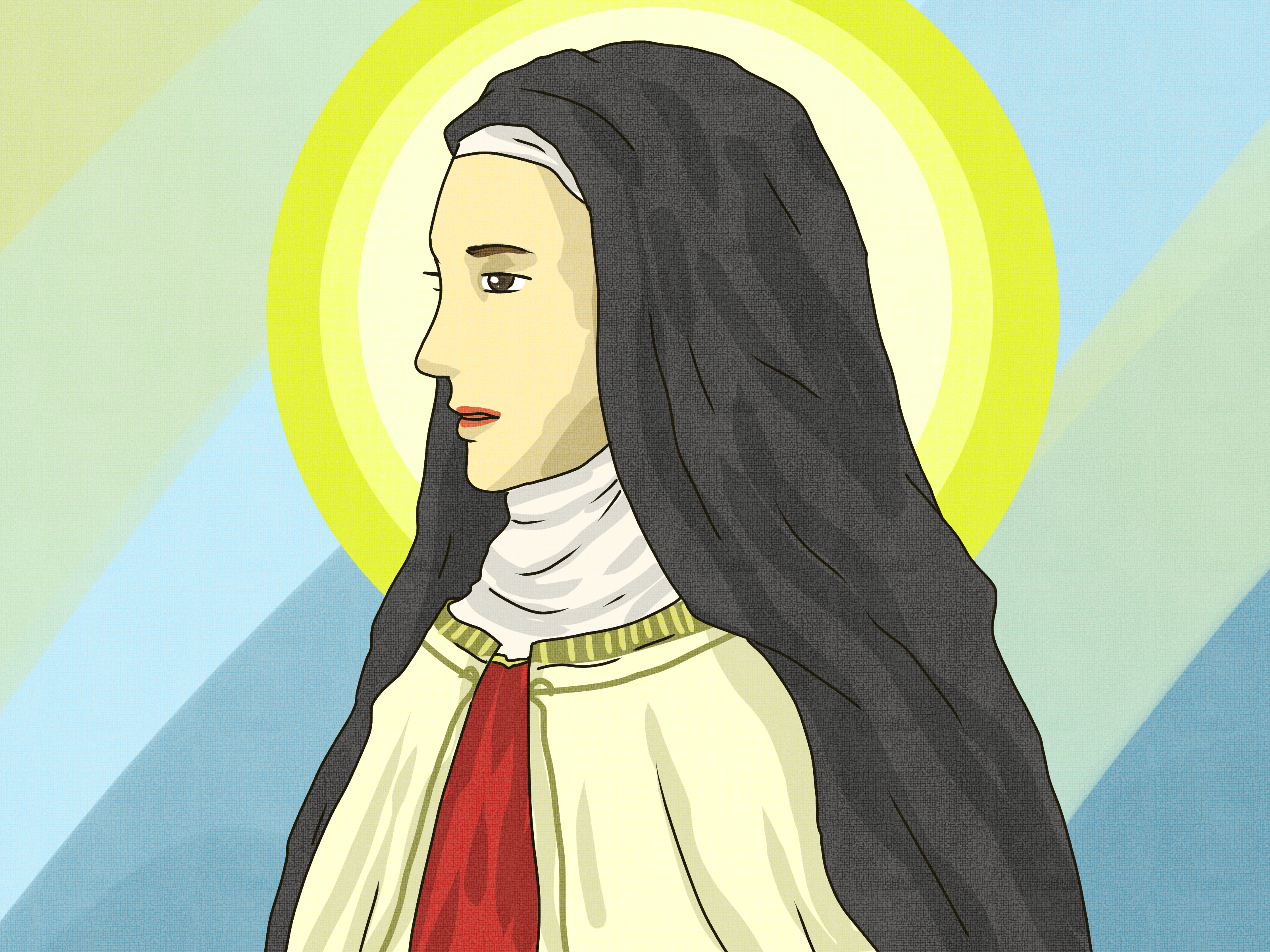
If you have ever wondered how people identify a patron saint, welcome to the club. It is one of those questions that sounds simple at first, right up until you realize there are thousands of saints, many of them have similar names, and a surprising number seem to be in charge of very specific things. Lost keys? Travelers? Musicians? Headaches? Yes, the saints have range.
In Catholic life, a patron saint is more than a religious fun fact. A patron saint is a holy person believed to intercede for a particular person, place, profession, cause, or life situation. Some people inherit a connection through their baptismal name. Others choose a saint at Confirmation. Still others slowly discover a saint whose story mirrors their own struggles, hopes, or calling. The goal is not to collect a heavenly mascot. The goal is to find a model of holiness and a faithful intercessor whose life points you back to God.
So how do you identify your patron saint? Usually, not by spinning a mystical wheel and waiting for sparks. More often, people identify a patron saint through prayer, research, personal connection, Church tradition, and the particular shape of their own life. Here is how the process works, and how to make it meaningful instead of random.
What Is a Patron Saint, Exactly?
A patron saint is a saint associated with a person, occupation, country, parish, illness, cause, or stage of life. That connection may come from the saint’s biography, name, place of origin, ministry, martyrdom, or long-standing tradition. For example, St. Luke is often connected with physicians because he was traditionally understood to be a doctor. St. Cecilia is widely associated with musicians. St. Joseph is often invoked by fathers, workers, and families. St. Francis of Assisi is famously linked with animals and creation.
That said, identifying your patron saint is not always about finding the “correct” saint in a one-answer-only category. Sometimes a saint becomes your patron because your name matches theirs. Sometimes it is because their feast day falls near your birthday or baptism date. Sometimes it is because their life story feels uncomfortably, hilariously, almost suspiciously familiar. You read about them and think, “Well, that hits a little too close to home.”
In many Catholic settings, people especially think about patron saints when preparing for Confirmation. Choosing a Confirmation saint is common in the United States, though it is not handled the same way everywhere. Some people keep their baptismal name if it is already a Christian name. Others choose a new saint’s name that reflects the kind of Christian life they hope to live. Either way, the point is not costume jewelry for the soul. It is a deeper relationship with someone in the communion of saints who helps you follow Christ.
The Main Ways People Identify Their Patron Saint
1. Start with Your Name
The most traditional place to begin is your own name. Many people already have a built-in connection to a saint because they were named after one. If your name is Joseph, Catherine, Elizabeth, Patrick, Monica, Michael, or Teresa, your family may have given you a patron saint without announcing it like a movie trailer.
This is why many Catholics celebrate a name day, which is the feast day of the saint whose name they bear. Even if your family never observed that custom, it can still be a meaningful way to discover your patron saint. If your name has several saintly possibilities, read about each one. You may find that one stands out because of his or her virtues, mission, or personality.
If your exact name is not obviously tied to a saint, do not panic. Plenty of people have modern names, uncommon spellings, or names their great-aunt invented because she liked the sound of them. In that case, look for a related version. Anna may connect with St. Anne. John can lead to John the Baptist, John the Evangelist, or St. John Paul II. A variation, linguistic cousin, or middle name may open the door.
2. Look at Your State in Life
Your patron saint may emerge from your vocation or daily responsibilities. Are you a student, a teacher, a parent, a nurse, an artist, a soldier, a writer, a carpenter, a musician, or a traveler? The Church has long associated certain saints with particular occupations and callings.
A college student might feel drawn to St. Thomas Aquinas. A musician may naturally gravitate toward St. Cecilia. A father might find St. Joseph compelling. A nurse or doctor may look to St. Luke. Someone who works with the poor may find a spiritual home with St. Vincent de Paul. The point is not that you must choose the saint with the same job title on a holy résumé. It is that your life’s work can help you recognize the kind of witness you need.
3. Pay Attention to Your Struggles and Hopes
Many people identify their patron saint through a personal need. Maybe you are trying to grow in courage, patience, purity, humility, forgiveness, perseverance, or trust in God. Maybe you are carrying grief, family stress, academic pressure, uncertainty about the future, or the feeling that everyone else got an instruction manual you somehow missed.
This is often where patron saints become deeply personal. You may be drawn to St. Monica because of persistent prayer for loved ones. You may admire St. Augustine because he took the scenic route to holiness. You may love St. Francis Xavier because of missionary boldness, or St. Thérèse of Lisieux because she shows that hidden faithfulness matters. Some patronages come from a saint’s official association; others come from the practical wisdom of the saint’s life.
Do not dismiss a saint because his or her life seems too dramatic, too quiet, too scholarly, too ordinary, or too intense. Sometimes the saint you need is the one who unsettles you a little. That usually means you are paying attention.
4. Explore Your Birthday, Baptism Date, or Feast Day Calendar
Another classic method is to look at the saints commemorated near your birthday, baptism date, or Confirmation date. This does not magically assign you a saint like a spiritual horoscope. It simply gives you a practical starting point.
Read about the saints celebrated around those dates. You may discover a saint you had never heard of but immediately love. This is especially helpful if you feel overwhelmed by too many choices. Instead of trying to search the entire communion of saints in one heroic sitting, narrow the field and begin with the Church calendar.
5. Notice Which Saint Keeps Showing Up
Sometimes a patron saint identifies you before you think you have identified them. Maybe you keep hearing the same saint’s name in homilies, books, conversations, or prayer. Maybe someone gives you a holy card out of nowhere. Maybe you open three different articles and the same saint is there, calmly waiting like, “Yes, hello, we should talk.”
This does not mean every coincidence is a private revelation. It does mean repeated attraction can matter. If a saint keeps appearing in your spiritual life, pause and ask why. The Church encourages devotion to the saints because their intercession and example help Christians live with greater faith. Your growing interest may be part of that relationship.
How to Discern Whether a Saint Is Really “Yours”
Pray First, Research Second, Then Pray Again
The best way to identify a patron saint is both spiritual and practical. Pray for guidance. Ask the Holy Spirit for wisdom. Then do actual research. Read trustworthy biographies, not just a meme with a halo filter. Learn what the saint loved, suffered, chose, and taught. After that, pray again.
A good sign that a saint may be your patron is not merely that you like the artwork or the dramatic backstory, though admittedly some saints do have strong visual branding. A better sign is that the saint’s life helps you desire holiness more seriously. You begin to admire not just what they did, but how they loved God.
Ask Simple Questions
- Does this saint’s life reflect the kind of disciple I want to become?
- Do I feel encouraged to pray more when I learn about this saint?
- Does this saint understand something about my vocation, weakness, work, or hopes?
- Can I imagine asking this saint to intercede for me regularly?
- Does this connection lead me closer to Christ rather than just feeling interesting?
If the answer is yes to several of those questions, you may have found your patron saint.
Common Mistakes to Avoid
Do Not Choose Purely by Aesthetic Vibes
Yes, stained glass is beautiful. Yes, some saints have excellent iconography. But if your entire reason is “the painting looked cool,” you may want a second criterion.
Do Not Reduce the Process to a Quiz
Online saint quizzes can be fun, but they should be a starting point, not the final verdict. A patron saint is not the result of a ten-question personality test that tells you you are “70 percent Francis, 20 percent Joan, and 10 percent mysterious desert hermit.”
Do Not Ignore the Actual Life of the Saint
Some patronages developed through tradition, symbolism, or old stories, and not every detail is equally documented. That is normal. Still, you should know the core outline of the saint’s life. If you are going to ask for intercession and imitation, know whom you are talking about.
Do Not Assume You Can Only Have One Meaningful Saint
Many people have a primary patron saint and also feel close to other saints at different seasons of life. You might have a baptismal patron, a Confirmation saint, a saint connected to your profession, and another saint whose writings nourish your prayer life. Heaven is not offended by your well-rounded devotional life.
Examples of How People Commonly Identify a Patron Saint
Example 1: A high school student named Cecilia joins choir, loves sacred music, and learns about St. Cecilia. The name connection, feast day tradition, and patronage of musicians all line up. That is a strong candidate.
Example 2: A medical student with no obvious saint name starts reading about St. Luke and St. Giuseppe Moscati. One saint connects through the healing profession; the other through holiness in medicine. The student prays and feels particularly drawn to one of them.
Example 3: A husband and father going through job stress begins praying to St. Joseph. Over time, Joseph’s quiet strength, work ethic, and protective love for the Holy Family speak directly to his life. The connection grows naturally.
Example 4: A teenager preparing for Confirmation reads about St. Sebastian because friends mention him, but ends up choosing St. Dominic Savio after discovering a model of youthful holiness that feels both challenging and reachable.
In each case, the saint is identified through some combination of name, vocation, virtue, prayer, and personal resonance. That is usually how it happens in real life.
What to Do After You Identify Your Patron Saint
Learn the Story
Read a reliable biography. Learn the saint’s feast day, major virtues, and historical context. A little knowledge turns vague admiration into real devotion.
Pray for Intercession
You do not need an elaborate formula. Start simply: “Saint [Name], pray for me. Help me follow Christ with courage and faith.” That is enough to begin.
Imitate One Concrete Virtue
If your patron saint is known for patience, practice patience. If your saint is known for charity, become more generous. If your saint is known for courage, do the hard right thing when it costs something. Patron saints are not decorative. They are examples meant to be lived.
Celebrate the Feast Day
Go to Mass if possible. Read the saint’s story again. Share a meal. Pray a little longer than usual. Put the date on your calendar. If your patron saint has become part of your life, the feast day should not arrive like a forgotten dentist appointment.
So, How Do You Identify Your Patron Saint?
You identify your patron saint by paying attention to grace and using common sense. Start with your name. Look at your vocation, your struggles, your hopes, and your feast day connections. Read trustworthy biographies. Pray for guidance. Notice which saint’s life helps you love Christ more deeply. The right patron saint is not always the most famous one, the trendiest one, or the one with the coolest statue. It is the one whose witness genuinely helps you grow in holiness.
And once you find that saint, do not stop at admiration. Build a relationship. Ask for intercession. Learn from their life. Let their example stretch you. The whole point of identifying a patron saint is not to say, “Great, now I have one.” The point is to become, by grace, a little more like the kind of person saints already are: faithful, courageous, humble, and fully alive in God.
Experiences People Commonly Have When Identifying a Patron Saint
For many people, identifying a patron saint is less like solving a puzzle and more like recognizing a friendship that has been quietly waiting for them. At first, the process can feel overwhelming. There are so many saints, so many feast days, and so many categories that it is easy to think, “Surely there must be a spreadsheet for this.” But once people begin reading and praying, the experience often becomes surprisingly personal.
One common experience is a sense of recognition. Someone reads a saint’s biography and suddenly feels seen. A student who struggles with discipline may discover St. Thomas Aquinas and feel challenged to love truth more seriously. A person dealing with family pain may encounter St. Monica and feel comforted by her persistence. An artist may find St. Luke or St. Catherine of Bologna and realize that faith and creativity do not need to live in separate rooms. It is not always emotional fireworks. Sometimes it is a calm conviction that says, “This life has something to teach me.”
Another common experience is surprise. People often begin by assuming they will choose a familiar saint, only to end up drawn to someone they had barely heard of before. A teenager may start with St. Michael because he sounds heroic, then discover St. Dominic Savio and feel more deeply connected to his youthful holiness. A parent may expect to choose St. Joseph and instead find a powerful bond with St. Gianna Molla. This surprise can be a gift because it shifts the process away from image and popularity and toward real discernment.
Many people also describe a growing sense of companionship. Once they begin praying with a saint’s intercession, reading about that saint, and noticing the feast day on the calendar, devotion becomes part of daily life. The saint is no longer just a name on a list. The relationship starts to feel active and practical. People ask for help before exams, during family tensions, when making career choices, or while trying to become more patient, honest, or faithful. The experience is often less dramatic than movies make spirituality look, but more durable. It becomes woven into ordinary life.
There can also be moments of resistance. Sometimes the saint who makes the strongest impression is not the one people would have chosen on style alone. A person who loves comfort may be drawn to a saint known for sacrifice. A person who prefers privacy may feel challenged by a missionary saint. A person who values control may be drawn to a saint who lived with radical trust in God. In these moments, identifying a patron saint becomes spiritually fruitful because it reveals not just what comforts us, but what may transform us.
Perhaps the most meaningful experience is that the search for a patron saint often becomes a search for vocation and identity. People begin by asking, “Which saint fits me?” and end by asking a much better question: “Who is God calling me to become?” That is why the process matters. A patron saint is not just a religious label. It is an invitation to holiness, friendship, imitation, and hope. For many believers, identifying a patron saint becomes one of the first times faith feels deeply personal, rooted in history, and wonderfully alive.