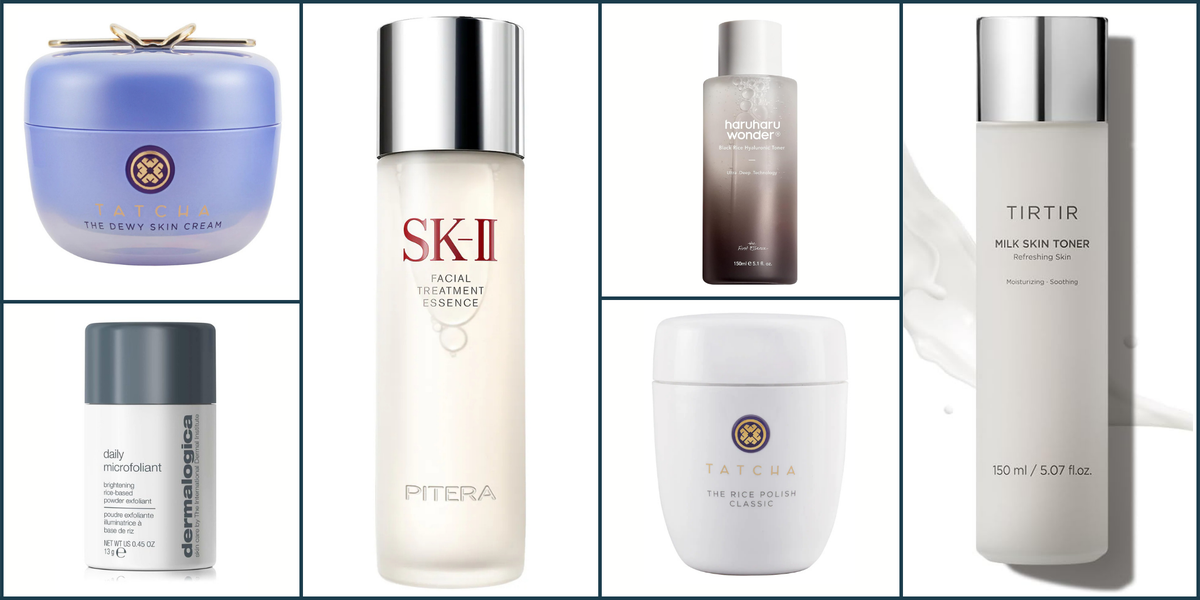
Rice has gone from humble pantry hero to full-blown skincare celebrity. One minute it was minding its business in your dinner bowl, and the next it was starring in toners, cleansers, masks, essences, and “glass skin” videos all over the internet. If you have ever wondered whether rice in skincare is genius, hype, or just a very successful rebrand of lunch, you are in the right place.
The truth is a lot more interesting than the trend. Rice-based ingredients can genuinely support the skin in several ways, especially when they are part of a well-formulated product. Depending on the form, rice may help with hydration, barrier support, softness, antioxidant defense, and a brighter-looking complexion. But no, it is not a magic wand. It will not erase every dark spot by Tuesday, and it definitely does not get to replace sunscreen just because it sounds wholesome and wholesome things have good publicists.
This guide breaks down what rice in skincare actually means, how it works, which skin types tend to love it, what is backed by evidence, what is oversold, and how to use it without turning your bathroom into a science fair project.
What “Rice in Skincare” Actually Refers To
When brands say a product contains rice, they are usually not tossing a handful of uncooked grains into a serum and calling it innovation. “Rice” in skincare can show up in several different forms, and each one brings something a little different to the table.
Rice water
Rice water is the cloudy liquid left after soaking or boiling rice. It is the version that gets the most social media attention because it feels simple, traditional, and easy to DIY. Rice water is often used in toners and essences for its soothing, lightweight feel.
Rice extract
Rice extract is a broader category that may include compounds pulled from the grain, bran, or other parts of the rice plant. This is common in commercial skincare products because it gives formulators more control over stability and performance.
Rice bran oil
Rice bran oil comes from the outer layer of the grain and is rich in fatty acids and antioxidant compounds. In skincare, it is often used to soften skin, support the moisture barrier, and add a nourishing feel without always feeling too heavy.
Fermented rice extract
Fermented rice ingredients are especially popular in Japanese and Korean-inspired skincare. Fermentation can change the size and activity of certain compounds, which may improve how they behave in a formula. In plain English: rice gets a little chemistry makeover and comes back sounding expensive.
Rice powder or rice flour
These forms usually show up in cleansers, masks, or gentle polish products. Rice powder can help with mild physical exfoliation and oil absorption, but it is not automatically a better option than modern exfoliating acids.
Rice ceramides or phytoceramides
Some products use ceramides derived from plant sources, including rice. These ingredients are especially interesting because ceramides are closely associated with barrier support and moisture retention.
Why Rice Became a Skincare Favorite
Rice has a long beauty history in Asia, where rice water, rice bran, and fermented rice preparations have been used in skin and hair rituals for generations. Modern skincare did what modern skincare does best: it looked at a beloved traditional ingredient, gave it better packaging, added a frosted bottle, and sent it straight to your algorithm.
But the popularity is not just aesthetics. Rice-derived ingredients are appealing because they tend to be gentle, versatile, and easy to pair with other skincare staples. They can fit into routines focused on hydration, calming sensitivity, brightening dullness, or supporting the skin barrier. In a market filled with ingredients that sound aggressive, rice sounds reassuring. It is basically the cardigan of skincare ingredients.
What Rice Can Actually Do for Your Skin
1. Help support hydration
Many rice-based products are prized for making skin feel softer, smoother, and more hydrated. That is one reason rice toners and essences are so popular: they layer easily, feel lightweight, and help reduce that tight, washed-too-hard feeling after cleansing.
If your skin is dehydrated, dry, or easily upset by stronger actives, rice can be a lovely supporting player. It may not drench your face with moisture all by itself, but it can work well alongside humectants, ceramides, and emollients.
2. Support the skin barrier
The skin barrier is the outer shield that helps keep water in and irritants out. When that barrier is compromised, skin may feel dry, stingy, flaky, or reactive. Rice-derived ingredients, especially rice bran oil, fermented rice extracts, and rice ceramides, are often used in products designed to make skin feel more comfortable and resilient.
This is a major reason rice shows up in products marketed for sensitive or easily irritated skin. It is not because rice is dramatic. It is because it tends to be the opposite.
3. Provide antioxidant support
Rice bran and rice-derived extracts contain antioxidant compounds such as ferulic acid-related components and other protective plant molecules. Antioxidants help defend skin against oxidative stress from environmental exposure, including pollution and UV-triggered damage. That does not mean rice is sunscreen in disguise. It means rice may help support your skin’s defense system when used as part of a broader routine.
4. Brighten the look of dull skin
One reason rice is often linked to “glow” is that many people find it helps the skin look fresher, smoother, and more even-toned over time. Some rice-derived compounds are also studied for their ability to influence enzymes related to pigmentation. In everyday terms, rice may help skin look brighter and less tired-looking, especially when combined with a solid routine that includes sunscreen, moisturizer, and patience.
That last ingredient is free, but somehow never viral.
5. Calm skin gently
Rice-based products are often described as soothing, and that tracks with why they are popular among people who want gentler skincare. While rice is not a treatment for medical skin conditions on its own, a well-made rice product may feel comforting when your skin is stressed, over-exfoliated, or just behaving like it pays rent and therefore makes the rules.
What Rice in Skincare Probably Will Not Do
It is not a miracle acne treatment
Rice can be supportive, but it is not a replacement for ingredients with stronger evidence for acne, such as salicylic acid, benzoyl peroxide, adapalene, or prescription treatments. Some people with acne-prone skin like rice toners because they feel lightweight, but results vary.
It will not replace sunscreen
Even if rice contains antioxidant or photoprotective compounds, that is not the same thing as broad-spectrum UV protection. If you are chasing brighter skin and better aging support, sunscreen is still the captain of the team.
DIY is not always better
Homemade rice water sounds charming, but commercial formulas usually have better stability, preservation, and consistency. A store-bought rice essence is less likely to spoil on your shelf or turn into a mystery liquid that smells like a fridge experiment gone rogue.
It is not guaranteed to work for everyone
Even gentle ingredients are not universal soulmates. Skin type, formula, added fragrance, other active ingredients, and how often you use the product all matter. Rice may be wonderful for one person and just “fine” for another.
Who Might Love Rice-Based Skincare Most
Dry skin
Rice toners, essences, creams, and oils can be especially appealing if your skin feels thirsty, flaky, or tight. Look for formulas that pair rice with glycerin, hyaluronic acid, squalane, or ceramides.
Sensitive skin
Because rice-based products are often formulated to be gentle, they can suit people who want hydration and softness without a strong acid or potent active. Fragrance-free options are especially worth considering.
Dull or uneven-looking skin
If your main goal is glow rather than aggressive resurfacing, rice may help nudge your complexion in a brighter direction. Think “well-rested” rather than “laser resurfaced.”
Combination skin
Lightweight rice toners and essences can offer hydration without feeling greasy. Some rice powders and starches also appear in products that help reduce surface oiliness.
Mature skin
Rice-derived antioxidants and barrier-supportive ingredients can fit nicely into routines focused on comfort, radiance, and softness. They are not a facelift in a bottle, but they can be part of a smart, skin-friendly anti-aging routine.
How to Use Rice in Your Routine
Rice cleanser
Good for people who want a softer, non-stripping cleanse. Rice powder cleansers and cream-to-foam cleansers can leave skin feeling smooth without that squeaky “something has gone terribly wrong” sensation.
Rice toner or essence
This is one of the easiest entry points. Apply after cleansing and before serum or moisturizer. It is especially useful if you like layering hydration.
Rice serum or ampoule
Best if you want a more concentrated formula aimed at brightening, barrier support, or soothing. A rice serum often pairs well with niacinamide, ceramides, peptides, or hydrating ingredients.
Rice moisturizer
Ideal for sealing in hydration and supporting the barrier. Rice bran oil and rice ceramides are especially at home here.
Rice mask
A nice option for occasional soothing and softness. Great before an event, a flight, or any moment when your skin looks like it also forgot to answer emails.
Should You Try Homemade Rice Water?
You can, but go in with realistic expectations. Homemade rice water is inexpensive and easy to make, and many people enjoy it as a simple toner-style step. Still, the benefits are less predictable than in a professionally formulated product.
If you try it, keep these rules in mind:
- Patch test first, especially if your skin is reactive or acne-prone.
- Do not assume “natural” means irritation-proof.
- Use clean containers and do not keep homemade mixtures around forever.
- Stop if you notice burning, itching, breakouts, or redness.
If you want the rice experience without the kitchen chemistry, a store-bought rice toner or essence is often the better bet.
How to Read a Label Like a Smart Shopper
When looking for rice-based skincare, scan the ingredient list for names such as Oryza Sativa (Rice) Extract, Oryza Sativa (Rice) Bran Oil, Rice Ferment Filtrate, Rice Bran Extract, or plant-derived ceramides sourced from rice.
Also pay attention to what is paired with the rice. A better formula usually matters more than a trendy headline ingredient. For example:
- Rice + glycerin or hyaluronic acid: better for dehydration
- Rice + ceramides or squalane: better for barrier support
- Rice + niacinamide: better for glow and tone support
- Rice + fragrance-heavy formula: potentially less ideal for sensitive skin
The Bottom Line on Rice in Skincare
Rice in skincare deserves its good reputation, but for the right reasons. It is not skincare wizardry. It is a useful, often gentle ingredient family that can help skin feel more hydrated, comfortable, soft, and radiant. The strongest case for rice is not that it transforms your face overnight. It is that it plays well with others, supports the barrier, and makes a lot of routines feel calmer and more balanced.
If your skin is dry, sensitive, dull, or just tired of being yelled at by aggressive actives, rice-based skincare may be worth exploring. Start with a toner, essence, or moisturizer, patch test first, and let consistency do the heavy lifting. In skincare, that is usually where the magic actually lives.
Real-World Experiences With Rice in Skincare
One of the most interesting things about rice in skincare is how ordinary the experience can feel at first. People often expect a dramatic “wow” moment because the ingredient gets talked about like it is a glow machine with a marketing degree. But the first impression is usually much quieter. A rice toner may feel watery, almost too simple. A rice cleanser may feel soft instead of squeaky. A rice cream may not sting, tingle, or do anything theatrical at all. That calm first impression is exactly why so many people stick with it.
In week one, the most common experience is comfort. Skin often feels less tight after cleansing and slightly smoother through the day. People who use a rice essence at night frequently say their face feels softer in the morning, especially around the cheeks or mouth where dryness tends to show up first. It is less “I woke up with new skin” and more “my face seems less annoyed.” Honestly, that is a respectable achievement.
By week two or three, users often begin noticing texture changes more than dramatic color changes. Makeup may sit a little better. Dry patches may stop interrupting foundation like uninvited guests. Skin can look more even simply because it is better hydrated and the surface is smoother. This is why rice products are often described as brightening even when they are not acting like high-powered pigment treatments. Healthier, calmer skin usually looks more luminous.
People with sensitive skin often describe rice-based products as a “reset” step. After overdoing exfoliants, retinoids, or too many actives at once, a rice toner or moisturizer can feel like stepping out of a noisy room. It does not solve every problem, but it can make skin feel supported again. That gentleness is part of the appeal. Some skincare routines are action movies. Rice is more of a reliable comfort show.
Of course, not every experience is glowing in the poetic sense. Some people try homemade rice water and find it underwhelming. Others dislike the smell of fermented formulas, or discover that a product they bought for the rice actually irritates them because of fragrance or added botanical extracts. That is an important reminder: people do not react to ingredient names in isolation. They react to full formulas.
There is also a common pattern among skincare enthusiasts who already use strong actives. They often end up liking rice not as the star of the show, but as the peacemaker in the routine. Vitamin C in the morning, retinoid at night, exfoliant here and there, and then rice steps in like the friend who brings snacks and reminds everyone to calm down. In that role, it can be incredibly useful.
The best experience with rice in skincare usually comes from realistic expectations. Users who want hydration, softness, support, and a healthy-looking glow tend to be happiest. Users expecting it to erase melasma, cure acne, replace sunscreen, and write apology letters to their pores may be disappointed. Rice works best when you let it be what it is: gentle, supportive, and quietly effective.
Conclusion
Rice in skincare is one of those trends that actually has some substance behind the hype. It is versatile, gentle, and appealing for people who want hydration, barrier support, antioxidant help, and a smoother, brighter-looking complexion without going full chemistry-lab chaos. The smartest way to use it is not to expect miracles, but to let it strengthen an already solid routine. In other words, rice is not the whole skincare story, but it can absolutely be one of the best supporting characters.