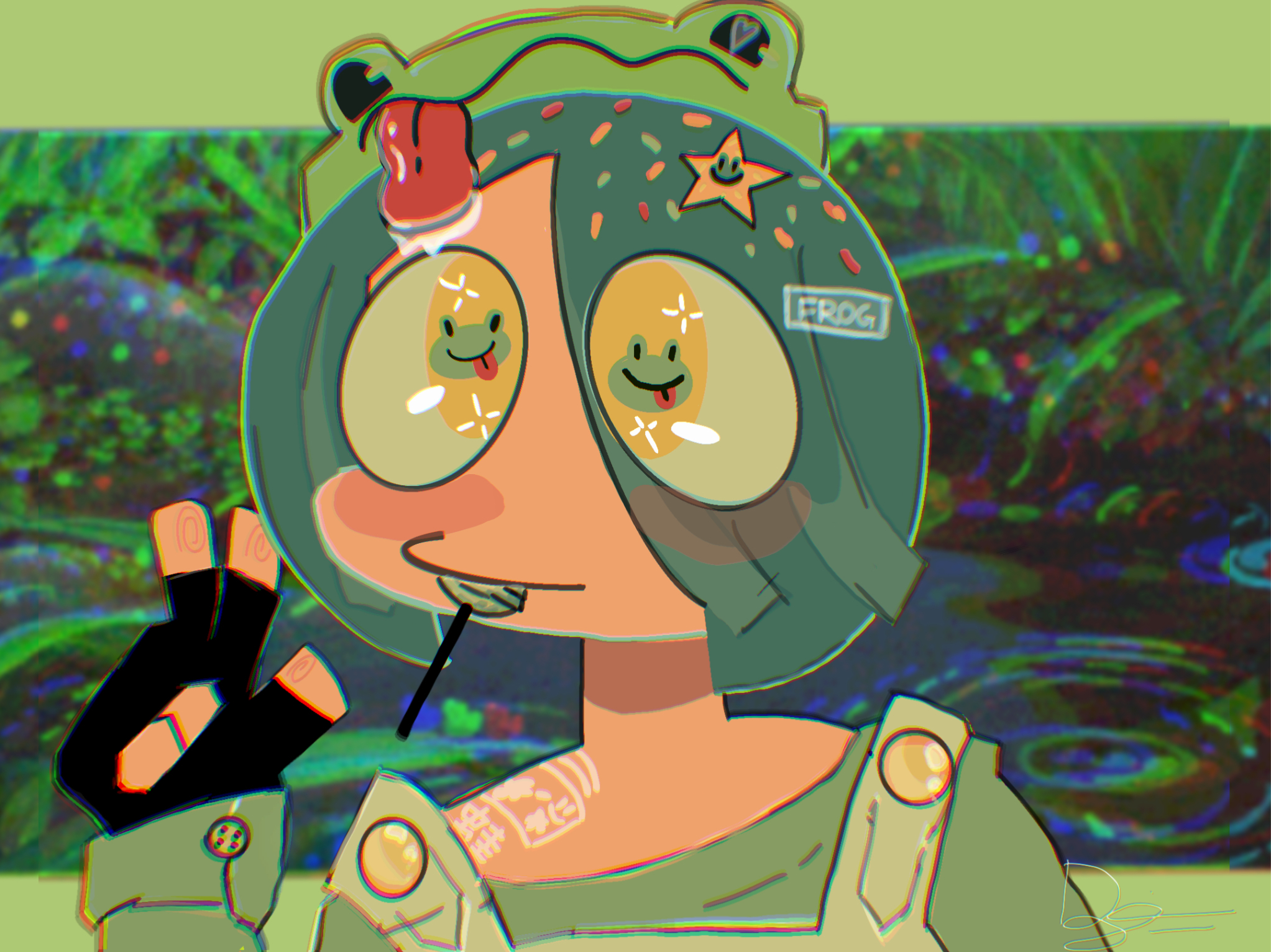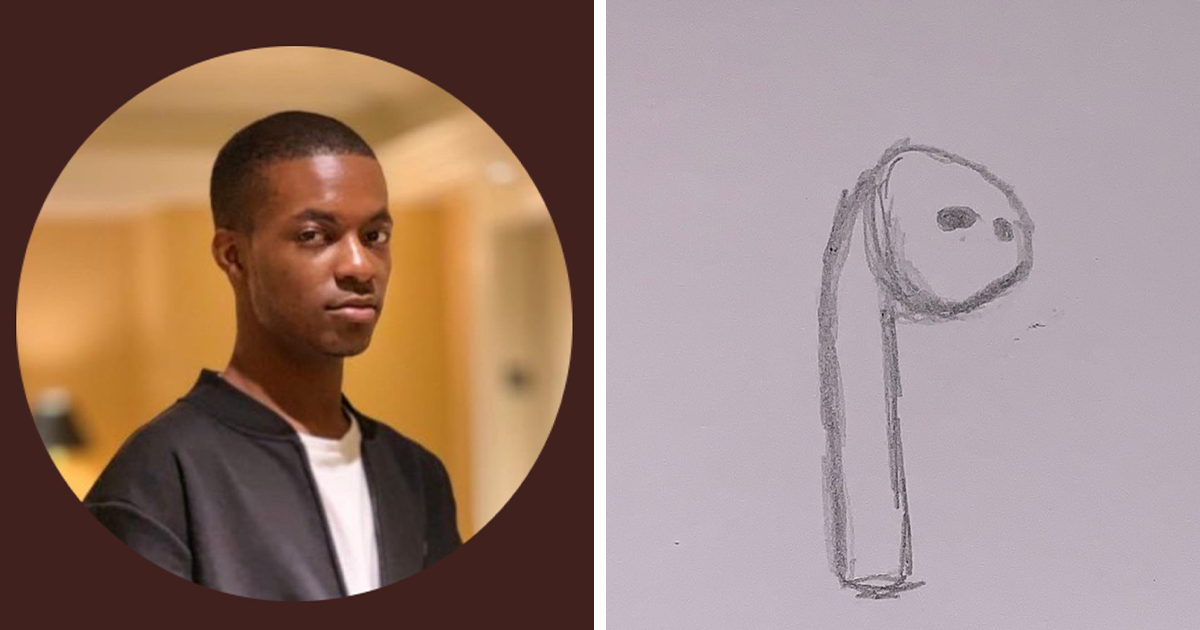
There are two kinds of people on the internet: the ones who carefully crop, filter, brighten, and curate their profile pictures like they are applying for a position as Supreme Ruler of Aesthetic Vibes, and the ones who look at all that effort and say, “You know what this needs? A gremlin version.” Thankfully, artist Anson belongs to the second group. His now-famous series of follower profile picture redraws takes the polished little images people use to represent themselves online and transforms them into goofy, exaggerated, unexpectedly charming cartoons that feel equal parts roast, tribute, and inside joke.
And that is exactly why these drawings work so well. They are not mean-spirited takedowns. They are affectionate distortions. They grab the tiny details people use to build an online identityhair, glasses, poses, expressions, props, vibesand stretch them just enough to reveal the comedy already hiding in the image. The result is internet portraiture at its funniest: a little chaotic, instantly recognizable, and impossible not to share.
Why This Profile Picture Art Series Is So Addictive
The premise sounds simple. Followers show up with profile pictures. Anson redraws them. The internet laughs. But the reason the format keeps landing is that profile pictures are not just pictures anymore. They are tiny billboards for personality. In one small square, people try to look cool, funny, mysterious, stylish, artistic, soft, sharp, or just slightly less tired than they actually are. That is a lot of pressure for one image the size of a postage stamp.
So when an artist comes along and redraws those pictures with the energy of a mischievous cartoonist who has seen right through the performance, it feels weirdly satisfying. He is not just drawing a face. He is drawing the gap between how people present themselves and how they might look if their personality got hit by a comedy filter. The best pieces in the collection do exactly that. They take a hairstyle and make it bigger. They turn a thoughtful expression into theatrical drama. They notice when a pose already looks like a movie character and push it all the way into parody.
That is the magic trick. These portraits are exaggerated, but they still feel true. Maybe not photo-ID true. More like “your friends are laughing because they know it is you” true.
Who Is the Artist Behind the Viral Drawings?
The artist at the center of the series is Anson, whose social media presence has become closely associated with funny redraws of user avatars and profile pictures. His brand works because it is direct, playful, and self-aware. He is not pretending to deliver royal oil paintings. He is giving the internet what it secretly wants: to be seen, but with a punchline.
That tone matters. A project like this can easily go wrong if it slips into cruelty. Instead, Anson’s drawings carry the energy of a creator who understands the difference between roasting and wrecking. He pushes features, references pop culture when it fits, and lets each portrait feel like a joke the subject has been invited into, not dragged into. That invitation is why followers keep showing up.
There is also something refreshingly human about the whole thing. In a digital world overflowing with polished filters, AI-generated glam shots, and suspiciously perfect profile photos that look like they have never met bad lighting, these hand-drawn makeovers feel loose, lively, and personal. The imperfections are the point. They prove there is still plenty of room online for humor with an actual pulse.
What Makes These Drawings Funny Instead of Just Weird?
1. He exaggerates with purpose
Good caricature is not random distortion. It is selective exaggeration. The artist identifies the detail that defines a face or pose and then pushes it just far enough to become ridiculous without becoming unrecognizable. A jawline turns heroic. A fringe becomes architectural. Headphones become the star of the show. Suddenly, the profile pic is no longer just a selfie; it is a character design.
2. He understands internet shorthand
Online images come with built-in visual language. A dramatic side glance can suggest a brooding anime protagonist. A low-angle photo can accidentally radiate villain origin story. A well-lit smile can read as influencer confidence or “I definitely own a ring light.” Anson seems fluent in that language. His redraws do not simply copy what the original photo looks like. They translate what the photo is trying to say, then add a comedic accent.
3. He keeps the joke moving
One reason the collection stays fresh across dozens of images is variety. Some portraits are lovingly ugly. Some are unexpectedly cute. Others turn into pop-culture-adjacent bits where a follower suddenly resembles a cartoon side character, a washed-up rock star, or the sort of person who would absolutely own six scarves for emotional reasons. The punchline changes, which keeps the scrolling fun.
The Internet Loves a Good Makeover, Especially a Bad One
There is a larger cultural reason this concept thrives. The internet has always loved transformation content. People click on glow-ups, before-and-afters, styling reveals, home renovations, and photo edits because transformation is storytelling in fast-forward. You start with one version of reality and end with another. The brain loves that little spark of contrast.
Anson’s work flips the makeover formula in the funniest possible way. Instead of making people look more polished, glamorous, or aspirational, he makes them look more absurd. It is a makeover in reverse, and that reversal is what makes it memorable. In a social media environment where so much content is trying desperately to look impressive, there is something deliciously refreshing about art that aims for hilarious instead.
It also taps into a deeper truth about digital identity: people often know their profile pictures are a bit performative. That does not mean they are fake. It just means they are edited versions of the self. So when a drawing comes along and cheerfully wrecks the performance, it feels like a release valve. The pressure goes out of the image. The person becomes fun again.
Why Followers Volunteer to Be Roasted
At first glance, it might seem odd that people would willingly hand over their carefully chosen avatars to an artist known for humorous distortion. But that willingness actually makes perfect sense. Being redrawn by a creator with a recognizable style offers something most profile pictures do not: community.
Once your image enters the series, you are no longer just one anonymous account floating in the feed. You become part of a shared bit. A visual game. A tiny cultural moment. Other followers see your original profile photo, then the cartoon version, and suddenly everyone is in on the joke together. The interaction is social in the best way. It is participatory, low-stakes, and funny without needing a three-paragraph explanation.
There is also an emotional bonus. A funny drawing still counts as attention, and attention from an artist can feel flattering even when the result suggests you look like a tired wizard trapped in a gaming chair. Someone noticed your vibe closely enough to turn it into art. That is not nothing. In fact, it is a weirdly modern kind of compliment.
More Than a Joke: What These 40 Pics Say About Online Identity
Under all the humor, there is something surprisingly smart about the series. Profile pictures are one of the smallest but most important tools of self-presentation online. They shape first impressions, signal belonging, and help people project a chosen version of themselves in crowded digital spaces. That is true whether the platform is social, professional, artistic, or somewhere in between.
What Anson’s drawings do is expose how constructed that self-presentation can be. Not in a cynical way, but in a funny and revealing one. A profile picture might be trying to say, “I am cool.” The drawing replies, “You are cool, but also a little dramatic.” The profile picture says, “I am mysterious.” The drawing says, “You look like you know where the cursed necklace is buried.” Suddenly, the gap between intention and interpretation becomes the whole joke.
That is why the series lands beyond simple visual comedy. It reminds viewers that identity online is always collaborative. We choose the image, but other people still interpret it. Sometimes kindly. Sometimes inaccurately. Sometimes hilariously. The drawings turn that process into entertainment, and in doing so, they make social media feel a little less stiff and a little more alive.
The Best Part of the Collection? It Never Feels Generic
A weaker artist could have flattened all 40 portraits into the same gag: make eyes bigger, noses stranger, hair messier, done. But the charm here is that each redraw seems built around a different observation. Some people get transformed through visual exaggeration. Others through mood. Others through reference. That flexibility gives the collection rhythm.
It also helps that profile pictures are inherently diverse. Some are close-up selfies. Some are stylized edits. Some are dark, moody shots that clearly wanted to communicate depth and accidentally communicated “frontman of a band that definitely broke up over group chat.” Others are bright, wholesome portraits that become even funnier once they are filtered through cartoon logic. The format works because the source material already contains personality. The artist just turns the dial.
And yes, there is an important lesson here for anyone with an internet connection: no matter how carefully curated your avatar is, there is always a chance that someone with a sketchpad will look at it and see a goblin prince, a haunted barista, or a suspiciously elegant frog. Honestly, that possibility improves the internet.
Final Thoughts
This Guy Gives His Followers’ Profile Pics A Hilarious Makeover With His Drawings (40 Pics) is the kind of viral art feature that works because it understands exactly how people behave online. We all want to be seen, but we also want to be entertained. We want personality, but not perfection. We want creativity that feels human, fast, and a little unhinged in a good way. Anson’s redraws deliver all of that.
What starts as a simple joke about profile pictures ends up becoming a sharp little portrait of internet culture itself. These drawings are funny because they exaggerate faces, sure, but they are even funnier because they exaggerate presentation. They reveal how much storytelling we cram into tiny digital squares, then gleefully scramble it. That is why the series sticks. It is not just a gallery of goofy pictures. It is a gallery of people trying to look a certain way, and an artist reminding them that looking ridiculous can be even better.
In the end, that may be the secret sauce: the series is not laughing at the internet from a distance. It is laughing with it, one profile picture at a time.
Extra: The Strangely Wonderful Experience of Seeing Your Profile Pic Redrawn
There is a very specific emotional roller coaster that happens when you see a funny artist redraw someone’s profile picture and think, “I should submit mine.” First comes confidence. You look at your carefully selected image and decide it is strong. The lighting is decent. The angle is flattering. The expression says, “I am approachable, but I could also recommend a very good playlist.” You feel ready. Then comes the second phase: panic. What if the artist notices that your jawline disappears from certain angles? What if your favorite pose actually makes you look like a startled pigeon with Wi-Fi?
And yet, people still volunteer. That is because there is something thrilling about surrendering your digital self to someone else’s imagination. For one brief moment, your profile picture stops being branding and becomes raw material. It becomes a joke setup. A mini character study. A visual dare. You are basically saying, “Here is my face, my vibe, and my delusion. Please do your worst.”
When the redraw finally appears, the first reaction is usually disbelief. Surely your eyebrows are not that expressive. Surely your haircut does not actually look like it was designed by an overworked cartoon intern. Surely no one else noticed that your serious face reads less “thoughtful creative” and more “guy who definitely has a mysterious key in his pocket.” But then the second reaction kicks in: laughter. Because even when the portrait is absurd, the resemblance is usually undeniable. That is the sting and the beauty of caricature. It does not invent your visual quirks. It simply introduces them to the room with a microphone.
What makes the experience fun instead of humiliating is the context. In these kinds of online art communities, everyone understands the game. Nobody is expecting elegance. The whole point is playful distortion. Once you see other people getting transformed into noodle-limbed legends, goblin-adjacent heartthrobs, or suspiciously intense cartoon philosophers, your own redraw starts to feel less like a roast and more like initiation. Congratulations: you have been turned into content, but in a charming way.
There is also a weird kind of relief in it. Social media often encourages people to act as the public relations department for their own face. Pick the right photo. Signal the right mood. Look effortless while clearly making effort. A humorous redraw blows that system up in seconds. Suddenly the pressure is gone. You are not maintaining an image anymore. You are just enjoying the fact that your profile picture apparently had “tiny supervillain energy” all along.
That may be why these drawings resonate so much. They remind people that self-presentation does not always have to be solemn. Sometimes the healthiest thing that can happen to your carefully curated avatar is for an artist to come along, notice your dramatic pose, your suspiciously committed side profile, your aggressively cozy hoodie, and turn you into the star of a very stupid masterpiece. And honestly? That is not a downgrade. That is internet immortality with better jokes.