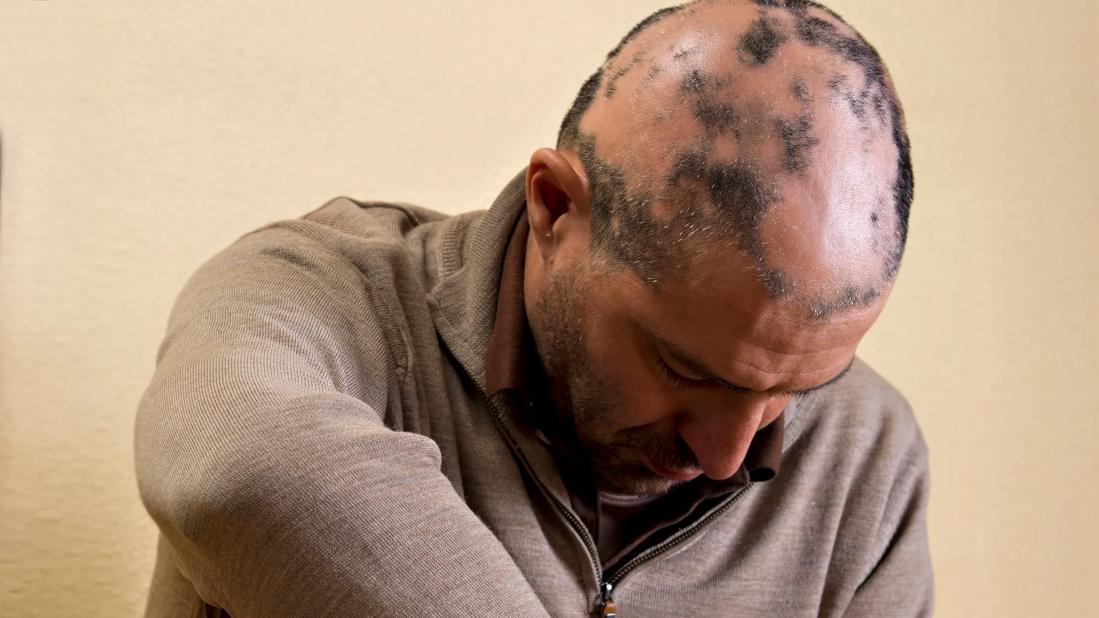
Alopecia areata can feel like the world’s least-funny magic trick: you wake up, and a patch of hair has disappeared
without asking your permission, checking your schedule, or offering even a courtesy email. And while hair loss
isn’t life-threatening for most people, it can absolutely be life-disruptingbecause it messes with the stuff that
makes us feel like us: identity, confidence, routines, and how we show up in photos, classrooms, offices,
and relationships.
This article focuses on the mental and emotional stress of alopecia areatawhy it hits so hard, what research
suggests about anxiety and depression risk, and what actually helps when your brain is doing Olympic-level
overthinking about a hair follicle that has decided to “go quiet.”
A quick refresher: what alopecia areata is (and what it isn’t)
Alopecia areata (AA) is an autoimmune condition where the immune system mistakenly targets hair follicles,
leading to hair lossoften in round or oval patches. It most commonly affects the scalp, but it can also involve
eyebrows, eyelashes, facial hair, and other body hair. Some people also notice nail changes, like pitting or
ridging.
AA is not contagious. It isn’t caused by “being dirty,” using the “wrong shampoo,” or failing a secret hair-care
exam. And while stress can play a role in immune function and flare patterns for some people, AA is not a moral
referendum on how calm you’ve been lately. If your brain tries to pin this on you, you’re allowed to say,
“Respectfully, no.”
Why hair loss can feel so personal
Hair is loaded with meaning. It’s style, culture, gender expression, routine, and sometimes armor. It helps people
recognize you at a glance. It’s part of how you “read” in the worldespecially eyebrows and eyelashes, which
shape facial expressions and make emotions easier for others to interpret.
When AA changes your appearance, the stress isn’t only about looks. It’s about control.
AA can be unpredictable: regrowth may happen, then shedding can return. That unpredictability can train your brain
to stay on high alertchecking mirrors, scanning photos, monitoring scalp sensations, or spiraling after a shower
drain “data point.”
The invisible workload: “managing” other people’s reactions
A big chunk of the emotional burden comes from social math:
Will someone ask? Will they stare? Do I explain? Do I joke? Do I pretend I don’t notice?
Even kind questions can feel exhausting when you’re answering them for the 40th time.
Common emotional responses (all valid, none required)
People experience AA differently, but many report a mix of reactions that can change over time:
- Grief (for the look you had, the ease you lost, the “before” version of you)
- Anxiety (about progression, regrowth, photos, dating, school, work, or the next flare)
- Anger (at your body, the randomness, the comments, the cost of solutions)
- Shame (often fueled by stigma or beauty standards, not by anything you did)
- Sadness or low mood (especially during new loss or major life transitions)
- Relief (sometimes: naming it can be validating, and support can feel like a lifeline)
It can also create “anticipatory stress”worrying about future hair loss even when things are stable. That’s not
you being dramatic; that’s your nervous system trying to protect you after a surprise event.
What research suggests about mental health and alopecia areata
Research consistently shows that AA can significantly affect quality of life, self-esteem, and social functioning.
Studies also suggest higher rates of anxiety and depression among people with AA compared with the general
population. Importantly, mental health effects can show up across severity levels: it’s not a contest, and you
don’t have to “lose enough hair” to deserve support.
Kids and teens: when AA collides with identity development
For adolescents, AA can land during a stage when fitting in can feel like a full-time job. Concerns may include
teasing, unwanted attention, sports/hat policies, school pictures, dances, and social media. Adults sometimes
underestimate how intense this can beespecially when appearance becomes a social currency. Support from family,
school staff, and peers can make a huge difference.
Stress and alopecia areata: the messy chicken-and-egg situation
Many people notice AA flares around stressful periods; others don’t. The science suggests the relationship is
complex and not fully consistent across individuals. Stress can influence immune activity and inflammation, and
newer research continues to explore biological pathways that connect stress responses to hair and immune
function. But here’s the key point for your mental health: stress is not a character flaw, and AA
is not proof you “handled life wrong.”
A more helpful framing is this: AA can increase stress, stress can worsen coping, and coping tools can reduce the
psychological loadeven if they don’t “fix” the immune part overnight.
Real-life stress triggers: school, work, relationships, and everyday moments
1) The comment section of real life
People say weird things when they don’t know what to say. You might hear:
“Have you tried vitamins?” “Maybe it’s your shampoo.” “At least you have a nice head shape.”
(A sentence that should be illegal unless you specifically request it.)
2) Photos and mirrors
AA can change how you relate to your reflectionespecially if eyebrows/eyelashes are affected. The stress isn’t
vanity; it’s the brain noticing a mismatch between how you feel inside and what you see outside.
3) Dating and intimacy (emotional, not awkward)
Dating can bring fears of rejection or disclosure fatigue. Many people wonder when to talk about AA, how to bring
it up, or whether wigs/hats will “count as hiding.” The truth: choosing privacy is not deception. You’re allowed
to decide what you share and when.
4) Work and professional settings
Work stress can spike if you feel watched, misunderstood, or judged. Some people worry about appearing “sick,”
looking “unprofessional,” or being treated differently. Having a planwhat to say, what not to say, and how to
advocate for yourselfcan reduce anxiety.
Coping strategies that actually help (no toxic positivity required)
Coping doesn’t mean pretending it’s fine. Coping means building skills so AA doesn’t get to be the loudest voice
in the room every day.
Build a support team, not a solo mission
- Dermatologist: for diagnosis, treatment options, and realistic expectations.
- Mental health professional: especially if anxiety or depression symptoms are persistent, or if avoidance and shame are growing.
- Community: support groups (online or in-person) can reduce isolation fast.
Use evidence-based mental tools
These approaches are commonly recommended for chronic health-related stress:
- CBT skills (challenging mind-reading and catastrophizing: “Everyone will stare” → “Some people may notice, and I can handle it.”)
- ACT skills (making room for difficult feelings while living your values anyway)
- Mindfulness (not “empty your mind,” but “notice the spiral earlier and interrupt it”)
- Self-compassion (talk to yourself like you’d talk to a friendwild concept, surprisingly effective)
Create scripts for awkward moments
Simple lines can protect your energy:
- Short and neutral: “It’s alopecia areataan autoimmune condition. I’m managing it.”
- Boundary-setting: “I appreciate your concern, but I’d rather not discuss it today.”
- Humor (optional): “My immune system is overachieving in a deeply unhelpful way.”
- Redirect: “Anywayhow’s your week going?”
Control what you can: appearance options as empowerment
Some people love wigs, scarves, hats, fibers, or eyebrow cosmetics. Others prefer a bare scalp and bold earrings.
Many bounce between both depending on mood and context. None of these choices are “giving in.” They’re tools.
Practical self-care also matters: protecting exposed scalp skin from sun, reducing friction/irritation, and using
gentle hair practices for remaining hair can reduce additional stressors (and make you feel more in control).
When treatment becomes part of emotional well-being
Treatment decisions can carry emotional weight because they’re often tied to hope. Options vary by age, severity,
and individual health factors, and may include topical or injected corticosteroids, topical immunotherapy, and
newer systemic options for severe AA (including FDA-approved JAK inhibitors for certain patients). Some people
respond well; others don’t; some relapse after regrowth.
A healthy emotional approach to treatment usually includes:
- Clear expectations: ask what “success” realistically looks like and how long it may take.
- Plan for uncertainty: decide how you’ll cope if results are slow or mixed.
- Parallel support: treat emotional well-being as a priority, not a side quest.
How friends and family can help (without turning into a walking FAQ)
What helps
- Ask what they want: “Do you want advice, distraction, or just support?”
- Validate: “That sounds exhausting. I’m here.”
- Respect choices: wigs, bare scalp, hats, no hatssupport the person, not your preference.
- Watch for withdrawal: gently encourage support if they’re avoiding school, friends, or activities they usually like.
What doesn’t help
- Minimizing: “It’s just hair.”
- Fixing: “Have you tried…” (unless asked).
- Comparing: “At least it’s not…” (pain is not an Olympics event).
Experiences people often describe (a 500-word reality check)
If you’ve felt “too emotional” about alopecia areata, you’re in crowded company. Many people describe the first
patch as a moment that splits time into “before” and “after.” At first, it’s shockstaring at a spot in the mirror
like it might apologize and reverse itself. Then comes the detective phase: photographing angles, counting hairs,
adjusting lighting as if your bathroom is now a crime lab and your scalp is the evidence.
A common experience is how quickly AA becomes a social event without your consent. Someone notices a patch and
suddenly you’re explaining your immune system to a stranger in the grocery line. Or a well-meaning friend offers a
list of cures that starts with “Have you tried rosemary oil?” and ends with “My cousin’s neighbor’s dentist said…”
People with AA often learn to keep a few short scripts readynot because they owe anyone an explanation, but
because it saves energy.
Teenagers and young adults often describe school as a special kind of stress. There’s the fear of being stared at,
the panic over picture day, the debate over whether a hat will be allowed, and the exhausting effort of “acting
normal” while your brain is screaming, Do they see it? Some people decide to tell close friends and ask for
backup (“If someone says something, can you redirect?”). Others prefer privacy. Both approaches can be healthy.
Eyebrow and eyelash changes can feel particularly intense because they alter facial expressions. People describe
looking “different” in selfies even when they can’t explain why, or feeling self-conscious during conversations.
Some find that makeup techniques, temporary brow products, or professional cosmetic options help them feel more
like themselves. Others find freedom in dropping the performance and letting their face be their faceno
negotiation required.
Many people talk about “worry whiplash”: regrowth brings hope, then a flare brings grief again. Over time, some
learn to separate their worth from hair outcomes. They still care, but they don’t let AA run the entire emotional
calendar. Support groups are a turning point for manyhearing “me too” from someone who truly gets it can be more
soothing than any pep talk. Therapy can help as well, especially for anxiety spirals, avoidance, or body-image
distress.
And yeshumor shows up a lot. Not the “laugh it off” kind, but the “I refuse to let this steal every ounce of my
personality” kind. People joke about being aerodynamic, about saving money on haircuts, about their immune system
freelancing without a contract. Humor doesn’t mean it doesn’t hurt; it means they’re still in there, still
themselves, still choosing how to live in a body that sometimes surprises them.
Final thoughts: you deserve support, not just regrowth
Alopecia areata can be emotionally heavy because it’s visible, unpredictable, and tied to identity. But you don’t
have to carry it alone. Medical care can address the physical side; emotional support can protect your quality of
life; and community can remind you that you’re not “weird” for finding this hardyou’re human.