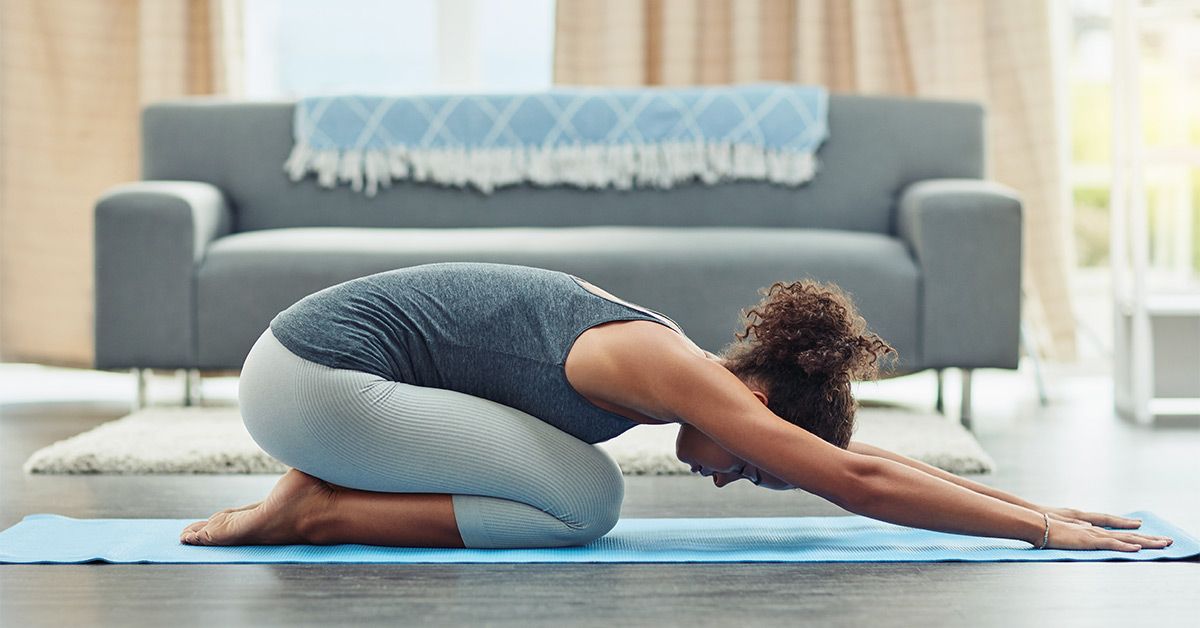
Tight hips are sneaky. One minute you are sitting at your desk like a productive adult, and the next minute you stand up with the mobility of a folding chair that has seen better days. Whether your hips feel stiff after long workdays, heavy workouts, driving, running, or simply existing in the modern world, a smart stretching routine can help restore comfort, range of motion, and confidence in everyday movement.
The hips are not just one muscle or one joint doing one job. They are a busy intersection of hip flexors, glutes, adductors, hamstrings, quadriceps, piriformis, tensor fasciae latae, and deep stabilizing muscles. When one area gets tight, another area often works overtime. That is why the best hip stretches do more than pull on the front of your thigh for five seconds and call it a wellness journey. A good routine opens the front, back, inner, and outer hip while teaching your body to relax without forcing it.
This guide explains how to stretch tight hips safely, then walks you through 12 practical hip stretches with clear instructions. You do not need fancy equipment, a yoga retreat, or the flexibility of a professional dancer. A mat, a wall, a chair, and a few minutes are enough to begin.
Why Do Hips Get Tight?
Hip tightness often comes from repeated positions and movement patterns. Sitting for long periods keeps the hip flexors shortened. Running, cycling, strength training, and sports can overload the front or outer hip. Stress can also make the body hold tension, because apparently your hips like to participate in your inbox drama.
Common reasons for tight hips include:
- Long periods of sitting at a desk, in a car, or on the couch
- Weak glutes or core muscles that make the hip flexors work harder
- Limited warm-ups before workouts
- Overuse from running, cycling, squats, or repetitive athletic movements
- Poor posture or standing with the pelvis tilted forward
- Old injuries that changed how you move
Stretching can help, but it is not the only answer. If your hips are tight because surrounding muscles are weak, strengthening the glutes, core, and hip stabilizers matters too. Think of stretching as opening the door and strengthening as keeping the door from slamming shut again.
Before You Start: Hip Stretching Safety Tips
Hip stretches should feel like a gentle pull, not a wrestling match with your own skeleton. Warm up for five minutes first with walking, marching in place, light cycling, or easy bodyweight squats. Warm tissue usually stretches more comfortably than cold tissue.
Use These Simple Rules
- Do not bounce. Move slowly and breathe steadily.
- Hold most stretches for 20 to 30 seconds. Repeat 2 to 3 times per side if it feels good.
- Stop if you feel sharp, pinching, burning, or radiating pain. Discomfort is not the same as pain.
- Keep your spine supported. Avoid dumping into your lower back just to make a stretch look deeper.
- Use props. Pillows, yoga blocks, towels, and chairs are not cheating. They are smart.
If you have recent surgery, a hip replacement, severe hip pain, numbness, sciatica symptoms, arthritis flare-ups, or an injury, ask a healthcare professional or physical therapist before starting a new routine.
How Often Should You Stretch Tight Hips?
For general stiffness, aim for 5 to 10 minutes most days. If you sit for long hours, short stretch breaks work better than one heroic weekend session where you try to become a pretzel before Monday. After workouts, static hip stretches can help cool the body down. Before workouts, choose dynamic movements such as leg swings, walking lunges, or gentle 90/90 transitions.
A simple weekly plan looks like this:
- Daily: 2 to 4 gentle hip stretches after sitting or before bed
- Before workouts: dynamic mobility for 3 to 5 minutes
- After workouts: static stretching for hip flexors, glutes, and adductors
- 2 to 3 times weekly: add glute bridges, side steps, or clamshells for hip support
12 Stretches for Tight Hips With Instructions
The following tight hip stretches target different areas of the hip. Choose 4 to 6 for a quick routine or complete all 12 when you want a full hip-opening session.
1. Half-Kneeling Hip Flexor Stretch
Best for: hip flexors, front of the hip, upper thigh
- Kneel on your right knee with your left foot forward, left knee bent at 90 degrees.
- Place a folded towel under your back knee if needed.
- Gently tuck your pelvis under, as if zipping up tight jeans.
- Squeeze your right glute lightly.
- Shift your body forward until you feel a stretch in the front of your right hip.
- Hold for 20 to 30 seconds, then switch sides.
Tip: Keep your ribs stacked over your pelvis. If your lower back arches dramatically, ease off.
2. Standing Hip Flexor Stretch
Best for: beginners, office breaks, tight hip flexors
- Stand tall with your feet hip-width apart.
- Step your right foot back into a short split stance.
- Bend your left knee slightly while keeping your right leg long.
- Tuck your pelvis under and squeeze your right glute.
- Lean forward just enough to feel a stretch in the front of the right hip.
- Hold for 20 to 30 seconds, then change sides.
Tip: Use a wall or chair for balance. Nobody wins bonus points for wobbling heroically.
3. Couch Stretch
Best for: hip flexors, quadriceps, people who sit a lot
- Place a cushion on the floor near a couch or wall.
- Kneel with your right knee on the cushion and your right shin angled up behind you against the couch or wall.
- Step your left foot forward into a lunge position.
- Keep your torso tall and gently tuck your pelvis.
- Hold for 20 to 45 seconds, then switch sides.
Modification: Move your back knee farther from the wall to reduce intensity. This stretch can be spicy, so start mild.
4. Low Lunge Stretch
Best for: hip flexors, groin, front hip mobility
- Start on your hands and knees.
- Step your right foot forward between your hands.
- Lower your left knee to the floor.
- Let your hips sink forward gently while keeping your chest lifted.
- Place your hands on blocks, the floor, or your front thigh.
- Hold for 30 seconds, then switch sides.
Tip: Keep the front knee tracking over the ankle. If the knee drifts far past the toes, adjust your stance.
5. Lizard Stretch
Best for: deep hip opening, groin, hip flexors
- Begin in a low lunge with your right foot forward.
- Walk your right foot slightly toward the outside of your right hand.
- Keep your back knee down or lift it for more intensity.
- Stay on your hands or lower to your forearms if comfortable.
- Hold for 20 to 30 seconds, then switch sides.
Modification: Place blocks under your hands to keep the stretch controlled and comfortable.
6. Reclined Figure-Four Stretch
Best for: glutes, piriformis, outer hips
- Lie on your back with both knees bent and feet flat.
- Cross your right ankle over your left thigh, just above the knee.
- Thread your hands behind your left thigh.
- Gently pull your left thigh toward your chest.
- Keep your head, shoulders, and lower back relaxed.
- Hold for 20 to 30 seconds, then switch sides.
Tip: Flex the crossed foot to help protect the knee.
7. Seated Figure-Four Stretch
Best for: desk workers, outer hips, glutes
- Sit tall in a sturdy chair with both feet on the floor.
- Cross your right ankle over your left thigh.
- Keep your spine long and your right foot flexed.
- Hinge forward slightly from the hips until you feel a stretch in your right glute.
- Hold for 20 to 30 seconds, then switch sides.
Tip: This is a great stretch for office breaks because it does not require getting on the floor, which is useful if your office carpet has seen things.
8. Pigeon Pose
Best for: glutes, piriformis, outer hip, hip rotators
- Start on your hands and knees.
- Bring your right knee forward toward your right wrist.
- Angle your right shin comfortably across the mat.
- Extend your left leg behind you.
- Keep your hips facing forward as much as possible.
- Stay upright or fold forward over your front leg.
- Hold for 30 to 60 seconds, then switch sides.
Modification: If pigeon bothers your knee, do the reclined figure-four stretch instead.
9. Butterfly Stretch
Best for: inner thighs, groin, hip adductors
- Sit on the floor with the soles of your feet together.
- Let your knees fall gently out to the sides.
- Hold your ankles or feet.
- Sit tall, then hinge forward slightly if comfortable.
- Hold for 30 seconds.
Tip: Do not press your knees down aggressively. Your hips are not elevator buttons.
10. Frog Stretch
Best for: adductors, inner hips, groin mobility
- Start on your hands and knees.
- Slowly widen your knees apart while keeping your ankles in line with your knees.
- Keep your feet flexed and your toes pointing outward.
- Shift your hips back slightly until you feel a stretch in the inner thighs.
- Hold for 20 to 30 seconds.
Modification: Place padding under your knees. This stretch can be intense, so use a small range of motion at first.
11. 90/90 Hip Stretch
Best for: hip rotation, glutes, internal and external mobility
- Sit on the floor with your right leg in front of you, knee bent at 90 degrees.
- Place your left leg to the side and behind you, also bent at 90 degrees.
- Sit tall and square your chest toward your front shin.
- Hinge forward slightly until you feel a stretch in the front hip or glute.
- Hold for 20 to 30 seconds.
- Switch sides.
Tip: If sitting upright is difficult, place a folded blanket or yoga block under your hips.
12. Standing IT Band and Outer Hip Stretch
Best for: outer hip, tensor fasciae latae, side thigh
- Stand beside a wall with your left side closest to it.
- Cross your right leg behind your left leg.
- Place your left hand on the wall for support.
- Lean your right hip gently away from the wall until you feel a stretch along the outer right hip.
- Hold for 20 to 30 seconds.
- Switch sides.
Tip: Do not twist forward or collapse at the waist. Keep the movement sideways and controlled.
A Simple 10-Minute Tight Hip Stretch Routine
If you want a complete routine without overthinking it, use this sequence:
- Half-kneeling hip flexor stretch: 30 seconds per side
- Low lunge stretch: 30 seconds per side
- Reclined figure-four stretch: 30 seconds per side
- Butterfly stretch: 30 seconds
- 90/90 hip stretch: 30 seconds per side
- Standing IT band stretch: 30 seconds per side
- Repeat any stretch that feels especially useful
Move slowly between positions. The goal is not to “win” stretching. The goal is to help your hips feel less like rusty hinges and more like joints that belong to someone who can pick something up from the floor without making sound effects.
Common Mistakes When Stretching Tight Hips
Mistake 1: Arching the Lower Back
Many people think they are stretching the hip flexors when they are actually bending through the lumbar spine. During lunges and couch stretches, gently tuck your pelvis and squeeze the glute on the back-leg side.
Mistake 2: Forcing Range of Motion
More depth does not always mean a better stretch. If your body tightens up, shakes, or creates pain, it is asking for less intensity, not a motivational speech.
Mistake 3: Stretching Only the Front of the Hip
Hip tightness can come from the glutes, piriformis, groin, and outer hip too. A balanced routine should include front, back, inner, and outer hip stretches.
Mistake 4: Ignoring Strength
If tight hips keep returning, add strengthening exercises such as glute bridges, clamshells, side-lying leg lifts, bird dogs, and lateral band walks. Strong muscles support flexible joints.
When Tight Hips May Need Professional Help
Occasional stiffness is common. However, you should consider seeing a healthcare professional or physical therapist if hip tightness comes with severe pain, swelling, numbness, tingling, clicking with pain, difficulty walking, pain after a fall, or symptoms that do not improve after a few weeks of gentle stretching and movement.
Also, if you feel pinching deep in the front of the hip during stretches, do not keep pushing. Some hip structures do not appreciate being compressed, and your body will usually file a complaint in the form of discomfort.
Real-World Experience: What Stretching Tight Hips Usually Feels Like
People often expect hip stretching to feel instantly dramatic, like unlocking a secret door in a video game. In real life, progress is usually quieter. The first change may be that standing up from a chair feels less stiff. Then walking upstairs feels smoother. Then you notice you can tie your shoes without negotiating with your hamstrings, lower back, and dignity.
One common experience is discovering that the “tight hip” is not always tight in one place. Someone may begin with a hip flexor stretch and realize the front of the thigh is stiff. Then they try figure-four and discover the outer hip is cranky. Then butterfly stretch shows the inner thighs have been quietly protesting for years. This is normal. The hip is a complex area, and tightness often travels with friends.
Another frequent experience is that one side feels very different from the other. Maybe the right hip opens easily while the left hip behaves like it signed a contract to remain tense forever. Side-to-side differences can come from posture, old injuries, sports habits, driving position, sleeping position, or always crossing the same leg. Instead of forcing the tighter side, give it more patience. Hold the stretch gently, breathe, and repeat consistently.
The best results usually come from small, regular sessions. Five minutes after work can be more useful than a once-a-month marathon stretch session performed with dramatic facial expressions. Many people do well with a “movement snack” approach: stand up, do a standing hip flexor stretch, sit back down, and repeat later. Tiny habits are less glamorous than a full mobility routine, but they are easier to keep.
People who exercise often notice that hip stretches work best after a warm-up or workout. After a run, lower-body strength session, or brisk walk, the muscles are warmer and more willing to relax. On the other hand, aggressive static stretching before explosive exercise can make some people feel sluggish, so dynamic mobility is usually a better pre-workout choice.
Another lesson from real-world stretching is that breathing matters more than people think. Holding your breath tells your nervous system, “Something intense is happening.” Slow breathing sends the opposite message. Try inhaling through the nose, exhaling slowly, and softening your shoulders. Your hips may not send a thank-you card, but they often respond.
Finally, stretching tight hips can improve more than flexibility. When the hips move better, the lower back may feel less overworked, squats may feel cleaner, strides may feel longer, and sitting may feel less punishing. The goal is not to become bendy for its own sake. The goal is to move through daily life with less stiffness, fewer compensations, and a little more ease. That is a pretty good trade for a few minutes on a mat.
Conclusion
Learning how to stretch tight hips is less about chasing extreme flexibility and more about restoring comfortable movement. Start with gentle stretches, breathe slowly, stay consistent, and target the whole hip area: hip flexors, glutes, piriformis, adductors, and outer hips. The 12 stretches in this guide give you a complete toolbox for everyday stiffness, post-workout tightness, and desk-related hip grumpiness.
For best results, stretch after a warm-up, avoid sharp pain, and pair flexibility work with hip and glute strengthening. Your hips do a lot for you: walking, sitting, climbing stairs, exercising, dancing in the kitchen when nobody asked. Give them a few focused minutes, and they may return the favor with smoother, easier movement.