Note: Olive green can look warmer, grayer, or deeper depending on daylight, bulbs, countertops, and nearby finishes. Always test a large paint sample on your actual cabinets before committing.
White kitchens are lovely. They are also the design equivalent of plain toast: reliable, familiar, and occasionally in desperate need of butter. Olive green kitchen cabinets offer something more interesting. They bring warmth, depth, and a little outdoorsy calm without turning your kitchen into a jungle-themed smoothie bar.
Unlike bright greens that can feel trendy in a hurry, olive green sits comfortably between earthy brown, muted gray, and classic green. It works with natural wood, marble, brass, black hardware, creamy walls, and even a surprising amount of pink. Whether you want a moody English-cottage kitchen, a polished modern space, or a relaxed farmhouse look, olive green cabinetry can make the room feel collected rather than copied from a showroom.
Below are 19 olive green kitchen cabinet ideas designed to help you create a kitchen that still feels stylish after the trends have packed their tiny bags and moved on.
Why Olive Green Kitchen Cabinets Have Staying Power
Olive green works because it behaves almost like a neutral. Its yellow, brown, gray, or smoky undertones soften the color, allowing it to coordinate with warm woods, cool stone, aged metals, white tile, and darker accents. It has enough personality to make cabinetry feel intentional, but it usually does not shout across the room like a neon sign demanding attention.
The best olive green cabinets also feel connected to natural materials. Think oak, walnut, limestone, marble, terracotta, woven shades, unlacquered brass, and handmade tile. These finishes give olive cabinetry a timeless foundation, so the kitchen feels grounded instead of overly themed.
19 Olive Green Kitchen Cabinet Ideas
1. Pair Olive Green Cabinets With Crisp White Walls
For an easy, timeless starting point, combine olive green lower cabinets with warm white walls. The white keeps the room bright, while the olive adds depth near the floor. This is especially useful in smaller kitchens where you want color without creating a cave-like effect. Choose a soft white rather than a stark blue-white, since icy whites can make warm olive cabinets look strangely yellowish.
2. Add Warm Brass Hardware
Olive green and brass are the kitchen equivalent of fries and ketchup: not groundbreaking, but deeply satisfying. Brass pulls out the warm undertones in olive paint and makes simple cabinet doors look more tailored. Use aged brass, brushed brass, or unlacquered brass for a softer finish. Polished brass can work too, but it delivers more sparkle and less “quietly charming cottage in the countryside.”
3. Use Olive Green on the Lower Cabinets Only
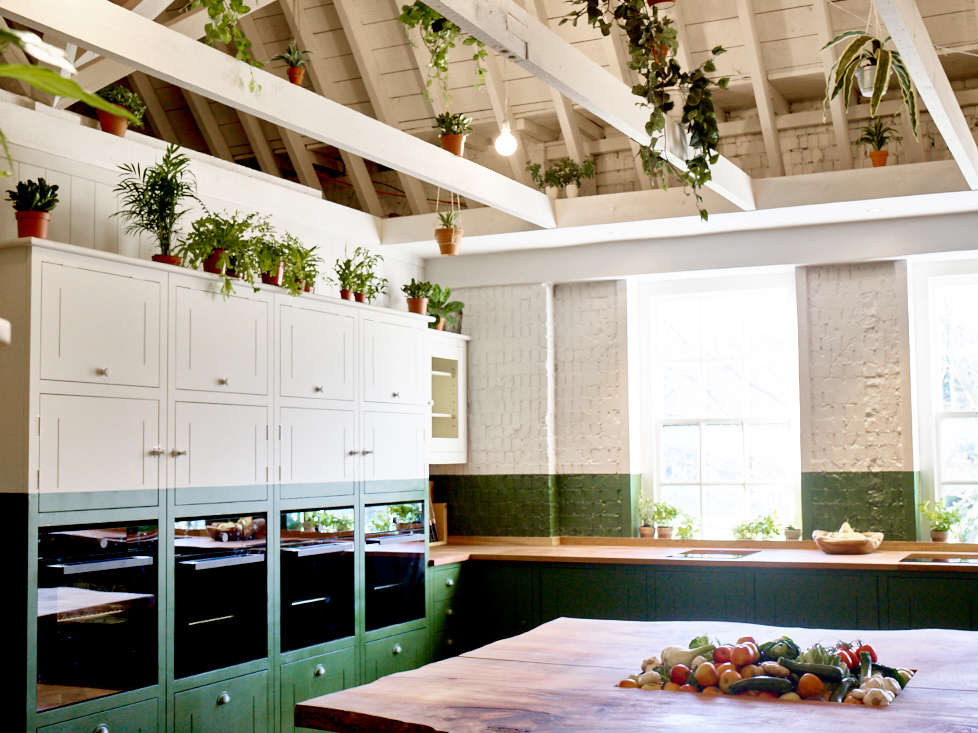
If painting every cabinet feels like a commitment level normally reserved for matching tattoos, use olive on the lower cabinets and keep upper cabinets white, cream, or light wood. This creates visual weight at the bottom of the room while preserving an airy feel above. It also lets you enjoy the color without overwhelming a compact kitchen.
4. Choose a Deep Olive for a Moody Kitchen
Dark olive green cabinets can create a dramatic, sophisticated kitchen that feels cozy rather than gloomy. Pair them with creamy marble, pale quartz, light oak flooring, and plenty of layered lighting. Deep olive is particularly striking in kitchens with large windows, high ceilings, or abundant natural light. In a darker room, add reflective backsplash tile or warm metallic fixtures to keep the space from swallowing daylight for breakfast.
5. Combine Olive Cabinets With Natural White Oak
Olive green and white oak are an excellent match because both feel warm, organic, and calm. Try olive green perimeter cabinets with a white oak island, floating shelves, or a wood range hood. The mix adds texture and prevents the kitchen from looking overly painted. It also creates a more custom appearance, even when the layout itself is fairly straightforward.
6. Create a Two-Tone Kitchen With Cream Upper Cabinets
Soft cream upper cabinets make olive green lower cabinets feel elegant and lived-in. This pairing works beautifully in traditional, farmhouse, transitional, and cottage kitchens. Add a creamy backsplash and warm-toned hardware to create a gentle, layered palette. The result is polished without looking like it was designed by someone afraid of color.
7. Try Olive Green Shaker Cabinets
Shaker cabinets remain popular because their clean frame-and-panel design works in nearly every kitchen style. Olive green gives Shaker cabinetry a fresh update without making it look overly contemporary. Use simple knobs, cup pulls, or slim bar pulls to suit the style of your home. For a more historic look, choose aged brass or antique bronze hardware.
8. Use Matte Black Hardware for a Modern Edge
For a more modern olive green kitchen, pair the cabinets with matte black handles, black pendant lights, and black-framed windows. The contrast gives the room sharper definition and works especially well with slab-front cabinets or slim Shaker doors. Balance the darker hardware with a light countertop so the room does not become an accidental tribute to midnight.
9. Add a Marble Countertop and Backsplash
Olive green cabinetry looks especially refined next to marble with warm gray, beige, or greenish veining. A marble countertop and full-height backsplash make the cabinets feel more luxurious without requiring extra decorative clutter. If natural marble feels too high-maintenance for your household, consider a marble-look quartz with a softer, warmer pattern.
10. Paint Only the Kitchen Island Olive Green
Not ready to paint an entire cabinet wall? Give your kitchen island an olive green finish instead. An olive island becomes a focal point in a white, wood, or neutral kitchen, and it is easier to update later if your tastes change. Add stools with woven seats, a wood top, or brass accents for a layered, inviting centerpiece.
11. Go Monochromatic With Olive Walls and Cabinets
Color-drenching can make a kitchen feel remarkably cozy and intentional. Paint cabinets, trim, and walls in related olive tones, then vary the finishes slightly to create dimension. For example, use satin paint on cabinets and a flatter finish on walls. This approach works best when the room has good lighting and when the backsplash, countertop, and fixtures provide enough contrast.
12. Use Olive Green With Terracotta Tile
Olive green and terracotta are a warm, earthy pairing that feels collected rather than trendy. Use terracotta floor tile, handmade-look backsplash tile, or a few clay-colored accessories to introduce warmth. Keep the rest of the room simple with cream walls and natural wood accents. The result can lean Mediterranean, rustic, or modern organic depending on the cabinet style and hardware.
13. Add a Soft Pink or Blush Accent
Olive green has a secret talent: it looks wonderful beside muted pink. Try blush bar stools, dusty rose pottery, pale pink tile, or a floral runner with soft pink tones. The pairing feels sophisticated when both shades are dusty and earthy. Avoid overly bright bubblegum pink unless your dream kitchen is “vintage candy shop after a very long lunch.”
14. Choose a Light Olive for a Small Kitchen
Small kitchens can absolutely handle green cabinets. The trick is choosing a lighter or grayer olive, using a reflective countertop, and keeping the surrounding palette cohesive. Light olive cabinetry can feel calm and spacious when paired with warm white walls, pale wood floors, and minimal upper cabinetry. Glass-front doors or open shelving can also prevent the kitchen from feeling visually heavy.
15. Mix Olive Green Cabinets With Open Wood Shelving
Open shelving is a good way to break up a wall of olive cabinetry. Use oak, walnut, or reclaimed wood shelves to add warmth and display everyday dishes, cookbooks, glassware, or a plant that hopefully survives your vacation. Keep the shelves edited rather than crowded. A few useful, beautiful objects look intentional; seventeen mismatched mugs look like a cry for help.
16. Pair Olive Cabinets With a Black Stone Countertop
For a richer, more dramatic look, combine olive green cabinets with black soapstone, dark quartz, or honed black granite. The dark countertop grounds the kitchen and gives it a high-end, slightly moody personality. Add warm brass, aged bronze, or natural wood accents so the palette still feels welcoming instead of overly severe.
17. Use Olive Green on a Built-In Pantry Wall
A floor-to-ceiling pantry wall is an ideal place for olive green. The color can turn a large bank of storage into an architectural feature rather than a bulky block of cabinetry. Add integrated appliances, matching panels, and discreet hardware for a seamless look. In a kitchen with mostly neutral cabinetry, an olive pantry wall can create a beautiful focal point without repainting everything.
18. Blend Olive Green With Vintage-Inspired Details
Olive green works beautifully with vintage-inspired kitchens because it has an aged, grounded quality. Pair it with bridge faucets, fluted glass, checkerboard floors, antique brass knobs, beadboard, or a painted wood hutch. The key is restraint. Choose two or three vintage details rather than turning the kitchen into a historical reenactment of every decade at once.
19. Finish With Layered Lighting
Lighting can make or break olive green cabinets. Under-cabinet lighting brightens countertops, pendant lights add personality above an island, and warm ceiling lights help the paint look rich rather than muddy. Choose bulbs with a warm-white glow instead of extremely cool lighting, which can make olive cabinets appear gray, yellow, or vaguely unhappy. Sample your paint under morning, afternoon, and evening light before making a final decision.
How to Choose the Right Olive Green Cabinet Color
There is no single “correct” olive green. Some shades lean brown and earthy, others lean gray and refined, while some have stronger yellow undertones that feel warmer and more vintage. Start by looking at your fixed finishes: flooring, countertop, backsplash, appliances, and wall color.
If your kitchen has cool gray marble or stainless steel appliances, a grayer olive may look more balanced. If you have honey oak floors, beige stone, cream walls, or brass fixtures, a warmer olive often feels more natural. A paint sample that looks perfect online can look wildly different next to your countertops, because paint colors love drama and lighting gives them plenty of opportunities.
Practical Tips for Olive Green Cabinetry
- Test large paint samples on cabinet doors, not just tiny paper swatches.
- Look at samples in daylight and under your evening kitchen lighting.
- Use durable cabinet paint designed for frequent cleaning and kitchen wear.
- Consider satin or semi-gloss finishes for a balance of washability and visual softness.
- Clean and prep cabinet surfaces thoroughly before painting.
- Choose hardware after selecting the paint color, countertop, and backsplash.
- Use warm wood, cream, stone, or brass accents to keep olive cabinets inviting.
What It Is Really Like Living With Olive Green Kitchen Cabinets
Olive green cabinets are one of those design choices that can feel bold before installation and completely obvious afterward. At first, many homeowners worry that green cabinets will be too dark, too trendy, too “Pinterest,” or somehow make every meal taste like pesto. In reality, olive is often more flexible than expected. It changes with the light throughout the day, which keeps the kitchen from feeling flat.
In the morning, an olive green kitchen can look soft and earthy beside a cup of coffee and a slightly judgmental pile of dishes. By afternoon, sunlight may bring out warmer yellow or brown undertones. At night, under warm pendant lights, the same cabinets can look deeper and more dramatic. That variation is part of the appeal. Olive cabinetry has dimension, while plain white cabinetry tends to look exactly like itself at every hour, whether it is having a good day or not.
The practical side is pleasantly manageable, too. Mid-tone olive greens are forgiving with daily life. They usually hide small splashes, fingerprints, and minor marks better than bright white cabinets, especially around lower drawers and busy island cabinets. Deep olive may show dust more than a lighter shade, but it often disguises cooking smudges better than black or navy. The key is choosing a durable finish and wiping down grease or spills before they settle in and start paying rent.
Olive green also encourages you to use more natural textures in the kitchen. Once the cabinets are green, it becomes easier to bring in wood cutting boards, ceramic bowls, woven shades, brass hardware, stoneware mugs, and leafy plants. Suddenly, the room starts feeling less like a place where you only reheat leftovers and more like a place where people naturally gather. That is a hard trick for a color to pull off, but olive does it with very little fuss.
The biggest lesson from living with olive green kitchen cabinets is that they need balance, not perfection. You do not have to match every green accessory in the room. In fact, please do not. Let the cabinetry be the main color statement, then support it with neutrals, wood, stone, and a few intentional accents. A kitchen with olive cabinets should feel layered and personal, not like a paint-chip display escaped from the hardware store.
Most importantly, olive green has a rare ability to feel current without being disposable. It can look rustic with terracotta, elegant with marble, modern with black hardware, playful with blush accents, and classic with cream walls. That flexibility is why it earns a permanent place in kitchen design. You may change your stools, your backsplash, your pendant lights, and your opinion about open shelving, but a well-chosen olive green cabinet color can keep working quietly in the background for years.
Conclusion
Olive green kitchen cabinets are a smart choice for homeowners who want color with staying power. They bring warmth without becoming overwhelming, pair beautifully with wood and stone, and work across modern, farmhouse, cottage, traditional, and transitional kitchens. Whether you paint an entire cabinet wall, refresh only the island, or combine olive lowers with creamy uppers, the result can feel timeless, welcoming, and far more memorable than another all-white kitchen.