Note: This article is for general education only and is not a substitute for medical advice. Birth control choices can depend on health history, medications, age, smoking status, migraine history, blood pressure, postpartum timing, STI risk, and personal goals. A licensed healthcare professional can help match a method to your body and your life.
Birth control is one of those topics that sounds simple until you see the menu. Pills, patches, rings, shots, implants, IUDs, condoms, diaphragms, fertility tracking, emergency contraception, tubal procedures, vasectomythe list can feel like ordering coffee in a city where “small” has been legally banned. The good news? Having options is a superpower. The trick is understanding what each method does, how well it works in real life, and whether it fits your schedule, comfort level, budget, and long-term plans.
At its core, birth controlalso called contraceptionis any medicine, device, behavior, or procedure used to prevent pregnancy. Some methods use hormones to stop ovulation, thicken cervical mucus, or thin the uterine lining. Others create a physical barrier between sperm and egg. Some live quietly in the body for years, like IUDs and implants. Others require a daily, weekly, monthly, or every-three-month routine. Permanent birth control is intended for people who feel confident they do not want future pregnancy.
This guide breaks down the major types of birth control, including devices, injections, and permanent options, with practical examples and plain-English explanations. No scare tactics. No judgment. No pretending everyone remembers a daily pill at exactly 7:04 a.m. We are human beings, not Swiss watches.
How Birth Control Works
Different birth control methods prevent pregnancy in different ways. Hormonal birth control may stop the ovaries from releasing an egg. Some methods thicken cervical mucus so sperm have a much harder time traveling. Others change the uterine environment so fertilization is less likely. Barrier methods block sperm from entering the uterus. Permanent methods interrupt the pathway of eggs or sperm.
Effectiveness depends on two big ideas: perfect use and typical use. Perfect use means the method is used exactly as directed every single time. Typical use means real life happens: pills are missed, condoms are put on late, appointments get delayed, and someone’s phone reminder gets ignored because it sounded like the microwave. Long-acting reversible contraception, such as implants and IUDs, tends to have very low failure rates because there is little or nothing to remember once the device is placed.
Main Types of Birth Control
1. Hormonal Birth Control Pills
Birth control pills are among the most familiar contraceptive methods. There are two main categories: combination pills, which contain estrogen and progestin, and progestin-only pills, sometimes called mini-pills. Pills are usually taken daily, and consistency matters.
Combination pills can help prevent ovulation and may also improve acne, heavy periods, menstrual cramps, and cycle predictability for some people. Progestin-only pills may be an option for people who cannot take estrogen, including some breastfeeding people or those with certain risk factors. In the United States, at least one progestin-only pill is available over the counter, making access easier for many users.
Pills can be a great fit for someone who likes routine and wants a reversible method. But they may not be ideal for people who frequently forget medication, travel across time zones, or have health conditions that make estrogen risky, such as certain migraine patterns, a history of blood clots, or uncontrolled high blood pressure.
2. Birth Control Patch
The birth control patch is a small adhesive patch worn on the skin. It releases hormones through the skin and is usually changed weekly for three weeks, followed by a patch-free week. The patch is convenient for people who do not want to take a daily pill but still prefer a method they can control themselves.
Possible side effects may include skin irritation, breast tenderness, nausea, headaches, or spotting. Because the patch contains estrogen, it may not be recommended for everyone. A healthcare professional can help determine whether it is appropriate based on medical history and risk factors.
3. Vaginal Ring
The vaginal ring is a flexible ring placed inside the vagina, where it releases hormones. Depending on the type, it may be used on a monthly schedule or for a longer cycle. Many people like the ring because it is discreet and does not require daily attention.
Some users appreciate that they can insert and remove it themselves. Others may need a little practice before it feels comfortable. Side effects can be similar to other hormonal methods, including spotting, breast tenderness, nausea, or changes in bleeding patterns.
Long-Acting Reversible Contraception: Devices That Do the Heavy Lifting
Long-acting reversible contraception, often shortened to LARC, includes IUDs and implants. These methods are highly effective because they do not depend on daily or weekly action. Once placed by a trained clinician, they work quietly in the background. Think of them as the “set it and stop panicking every month” category.
1. Birth Control Implant
The birth control implant is a small, flexible rod placed under the skin of the upper arm. It releases progestin and can prevent pregnancy for several years, depending on the product. It is more than 99% effective with typical use because there is nothing to remember after insertion.
The implant may be a strong choice for people who want a long-term reversible method but do not want an IUD. It can be removed by a trained healthcare professional if someone wants to switch methods or try to become pregnant. Fertility generally returns quickly after removal for many users.
The most common complaint is irregular bleeding. Some people have lighter periods, some have spotting, and some stop bleeding altogether. Others experience unpredictable bleeding that becomes annoying enough to switch methods. This is where personal preference matters: one person’s “no period, amazing” is another person’s “why is my uterus improvising jazz?”
2. Hormonal IUD
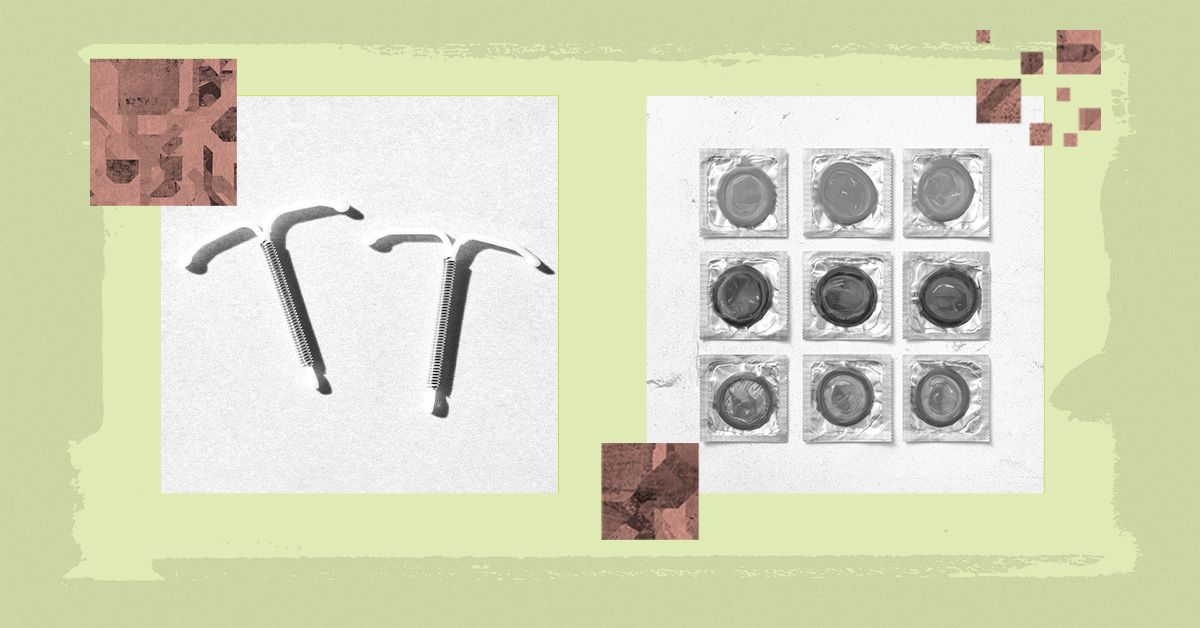
A hormonal IUD is a small T-shaped device placed inside the uterus by a clinician. It releases a small amount of progestin locally. Depending on the type, hormonal IUDs can last for several years. They are highly effective and reversible.
Hormonal IUDs may reduce menstrual bleeding and cramps. Some users eventually have very light periods or no periods. This can be especially helpful for people with heavy or painful periods, though results vary. Placement can cause cramping, and some people find insertion uncomfortable or painful. The procedure is usually brief, but “brief” does not always mean “fun,” so discussing pain-control options in advance is reasonable.
3. Copper IUD
The copper IUD is a hormone-free device placed inside the uterus. Copper creates an environment that is toxic to sperm, helping prevent fertilization. It can last up to 10 years and is also highly effective.
The copper IUD may appeal to people who want long-term contraception without hormones. It can also be used as emergency contraception if inserted within the recommended time window after unprotected sex. However, it may cause heavier periods and stronger cramps, especially in the first months after placement. For someone who already has heavy bleeding, that tradeoff deserves careful thought.
Birth Control Injections
The birth control shot is an injection that contains progestin. A commonly known version is medroxyprogesterone acetate. It is usually given every three months. For people who do not want a daily pill or an internal device, the shot can be a practical middle ground.
The shot works mainly by preventing ovulation and thickening cervical mucus. With typical use, it is very effective, though not quite as “forget-proof” as an implant or IUD because appointments must stay on schedule. If injections are delayed beyond the recommended window, pregnancy risk can rise.
Possible side effects include irregular bleeding, spotting, weight changes, headaches, mood changes, and delayed return to fertility after stopping. Some users stop having periods after several injections, which may be welcome or unsettling depending on the person. Long-term use has also been associated with changes in bone mineral density, so clinicians may discuss calcium, vitamin D, exercise, risk factors, and duration of use.
The shot can be a good fit for someone who wants privacy, does not want estrogen, and can reliably attend appointments or use an approved self-injection option if available. It may be less ideal for someone planning pregnancy very soon, because fertility can take several months to return after the last shot.
Barrier Methods: Simple, Accessible, and STI-Smart
1. External Condoms
External condoms are worn over the penis and help prevent sperm from entering the vagina. They are widely available, inexpensive, and important because they help reduce the risk of many sexually transmitted infections. Most other birth control methods do not protect against STIs, so condoms are often used along with another method for dual protection.
Condoms are most effective when used correctly from start to finish every time. That means checking the expiration date, opening the package carefully, using compatible lubricant, leaving space at the tip, and holding the base during withdrawal. Yes, it sounds like a tiny engineering project, but the instructions matter.
2. Internal Condoms
Internal condoms are placed inside the vagina before sex. They also provide a barrier and can reduce STI risk. Some people like them because they can be inserted ahead of time and give the receptive partner more control.
3. Diaphragm, Cervical Cap, Sponge, and Spermicide
Diaphragms and cervical caps are reusable devices placed inside the vagina to cover the cervix. They are usually used with spermicide. The contraceptive sponge contains spermicide and is placed near the cervix before sex. Spermicide may also be used alone, though it is less effective by itself.
These methods require correct placement and timing, so they have higher typical-use failure rates than IUDs, implants, or sterilization. They may suit people who want nonhormonal, on-demand contraception, but they require comfort with one’s body and careful use.
Fertility Awareness and Withdrawal
Fertility awareness methods involve tracking menstrual cycles, cervical mucus, basal body temperature, or other fertility signs to avoid sex or use a barrier method during fertile days. These methods require education, consistency, and regular cycles to work well. Apps can help track data, but an app is not a crystal ball wearing a lab coat.
Withdrawal, or pulling out before ejaculation, is free and always available, but it has a higher risk of failure with typical use. Pre-ejaculate fluid may contain sperm, and timing can be difficult. For people who strongly want to avoid pregnancy, withdrawal alone may not provide enough protection.
Emergency Contraception
Emergency contraception is used after unprotected sex, contraceptive failure, or sexual assault. Options include emergency contraceptive pills and the copper IUD. Some pills work best the sooner they are taken, while certain options may be used within a few days after sex. The copper IUD is the most effective emergency contraception option and can continue working as long-term birth control.
Emergency contraception is not the same as abortion. It works mainly by delaying ovulation or preventing fertilization. It does not end an established pregnancy.
Permanent Birth Control
Permanent birth control is intended for people who are sure they do not want future biological pregnancy. It is highly effective, but it should be approached as permanent even if reversal procedures sometimes exist. Reversal can be expensive, complicated, and not guaranteed.
1. Tubal Ligation and Salpingectomy
Tubal ligation is a procedure that blocks, seals, cuts, or closes the fallopian tubes so eggs and sperm cannot meet. Another option, salpingectomy, removes the fallopian tubes. Some clinicians may recommend salpingectomy because it may also reduce the risk of certain ovarian cancers, though individual recommendations depend on health history and surgical context.
These procedures may be done after childbirth, during a C-section, or as a separate surgery. Recovery depends on the method used and whether it is combined with another procedure. Tubal methods do not protect against STIs and do not usually change hormone levels or menstrual cycles, because the ovaries remain in place.
2. Vasectomy
Vasectomy is a permanent birth control procedure for people who produce sperm. It blocks or cuts the vas deferens, the tubes that carry sperm. After vasectomy, sperm no longer enter the semen. The procedure is typically quicker and less invasive than tubal surgery.
One important detail: vasectomy is not immediately effective. Sperm can remain in the reproductive tract for a while, so backup contraception is needed until follow-up testing confirms the semen is sperm-free or below the required threshold. Skipping that follow-up is like installing a lock and never checking whether the door closes.
How to Choose the Best Birth Control Method
The “best” birth control is not the same for everyone. The best method is the one that is medically safe, effective enough for your pregnancy goals, affordable, accessible, and realistic for your daily life.
Ask These Practical Questions
- How important is maximum pregnancy prevention? If avoiding pregnancy is a top priority, IUDs, implants, and sterilization are among the most effective options.
- Do you want hormones or prefer hormone-free contraception? Hormonal methods may help with periods, acne, or cramps, while nonhormonal options may appeal to people who dislike hormonal side effects.
- Can you manage a schedule? Daily pills, weekly patches, monthly rings, and three-month injections require routines.
- Do you want pregnancy in the near future? Short-acting methods may be better for near-term pregnancy plans; the shot may delay fertility return for some people.
- Do you need STI protection? Condoms are the key birth control method that also helps reduce STI risk.
- Are privacy and convenience important? Implants, IUDs, and shots can be discreet choices.
Side Effects and Safety Considerations
Side effects vary widely. Hormonal methods may cause spotting, nausea, breast tenderness, headaches, mood changes, or changes in periods. Some estrogen-containing methods are not recommended for people with certain health risks, such as a history of blood clots, some migraines with aura, certain heart conditions, uncontrolled high blood pressure, or smoking after age 35.
IUD insertion can cause cramping and discomfort. Rare complications include expulsion, infection, or perforation. The implant can cause irregular bleeding. The shot can cause irregular bleeding, weight changes, and delayed return to fertility. Barrier methods may cause irritation or allergic reactions, especially with latex or spermicide.
None of this means birth control is “bad.” It means bodies are individual. A method that makes one person feel great may make another person feel like their hormones are hosting a garage band in the basement. Switching methods is common and valid.
Common Myths About Birth Control
Myth 1: Birth Control Causes Permanent Infertility
Reversible birth control methods do not cause permanent infertility. Fertility may return quickly after stopping many methods, though the shot can cause a longer delay for some users. If pregnancy does not happen after trying for an appropriate amount of time, a clinician can evaluate other causes.
Myth 2: You Do Not Need Condoms If You Use Another Method
For pregnancy prevention, another method may be enough. For STI protection, condoms still matter. Many people use condoms plus another contraceptive method for added protection.
Myth 3: An IUD Is Only for People Who Have Already Had Children
IUDs can be appropriate for many people, including those who have never given birth. Suitability depends on individual health factors, preferences, and clinical evaluationnot on whether someone has been through childbirth.
Experience-Based Section: What Choosing Birth Control Can Feel Like in Real Life
Choosing birth control is not just a medical decision; it is a lifestyle decision with emotions, routines, relationships, and sometimes awkward pharmacy conversations attached. Many people start with the pill because it feels familiar. A friend uses it, a parent has heard of it, and the packaging looks less intimidating than a medical device. At first, the daily habit may feel empowering: one tiny tablet, one clear plan. Then real life enters the chat. Work runs late, a weekend trip disrupts the routine, or the pill pack disappears into the same mysterious dimension as missing socks. For someone who thrives on schedules, the pill can be excellent. For someone who forgets whether they drank water today, a lower-maintenance method may feel like freedom.
People who choose an IUD or implant often describe a different experience: the up-front appointment feels like the biggest hurdle, but afterward the mental load drops. There may be nervousness before insertion, especially with an IUD. Some people prepare with pain relievers if recommended, arrange a ride home, or keep the rest of the day light. Cramping afterward can happen, and bleeding patterns may be unpredictable for a while. But once the body adjusts, many users like not having to think about contraception before sex, during vacations, or in the middle of a chaotic Tuesday.
The shot can feel like a practical compromise. It does not require a device in the uterus or arm, and it does not require daily action. Some people like the privacy of it; no pill pack, no ring in the refrigerator, no visible supplies. The tradeoff is appointment timing. A person who is already juggling school, work, childcare, and transportation may find that every-three-month schedule easyor surprisingly annoying. Some users love lighter or absent periods. Others dislike irregular bleeding or waiting for fertility to return after stopping.
Condom users often talk about control and accessibility. Condoms are easy to buy, do not require a prescription, and help reduce STI risk. But they require cooperation, correct use, and timing. In real relationships, this can mean having conversations before sex instead of during the “romantic fog machine” moment when decision-making skills are not exactly at boardroom level. Keeping condoms nearby, using lubricant, and treating them as normal rather than embarrassing can make a big difference.
Permanent birth control comes with a different emotional texture. People considering tubal procedures or vasectomy may feel relief, certainty, anxiety, or pressure from others. The best experiences usually involve calm counseling, respect for autonomy, and enough time to ask questions. A person who feels completely done having children may experience permanent contraception as peace of mind. Someone who feels unsure should not be rushed. Permanent should mean chosen, not cornered.
The biggest lesson from real-world birth control experiences is that switching is normal. A first choice does not have to be a forever choice. Bodies change. Relationships change. Health conditions change. Insurance changes. Even patience changes. The right method is the one that supports your life without making you feel like contraception has become your part-time job.
Conclusion
Birth control is not one-size-fits-all, and that is a good thing. Some people want the reliability of an IUD or implant. Others prefer the control of pills, patches, rings, condoms, or fertility tracking. Some want a three-month injection. Some are ready for permanent birth control through tubal procedures or vasectomy. The smartest choice is not the trendiest method or the one your friend swears by after two iced coffees. It is the method that fits your health, goals, comfort, access, and future plans.
Before choosing, consider how strongly you want to avoid pregnancy, whether you need STI protection, how you feel about hormones, how often you can manage appointments or routines, and whether you may want pregnancy later. A healthcare professional can help you compare benefits, risks, side effects, and timing. Birth control should make life easier, not turn your calendar into a suspense novel.