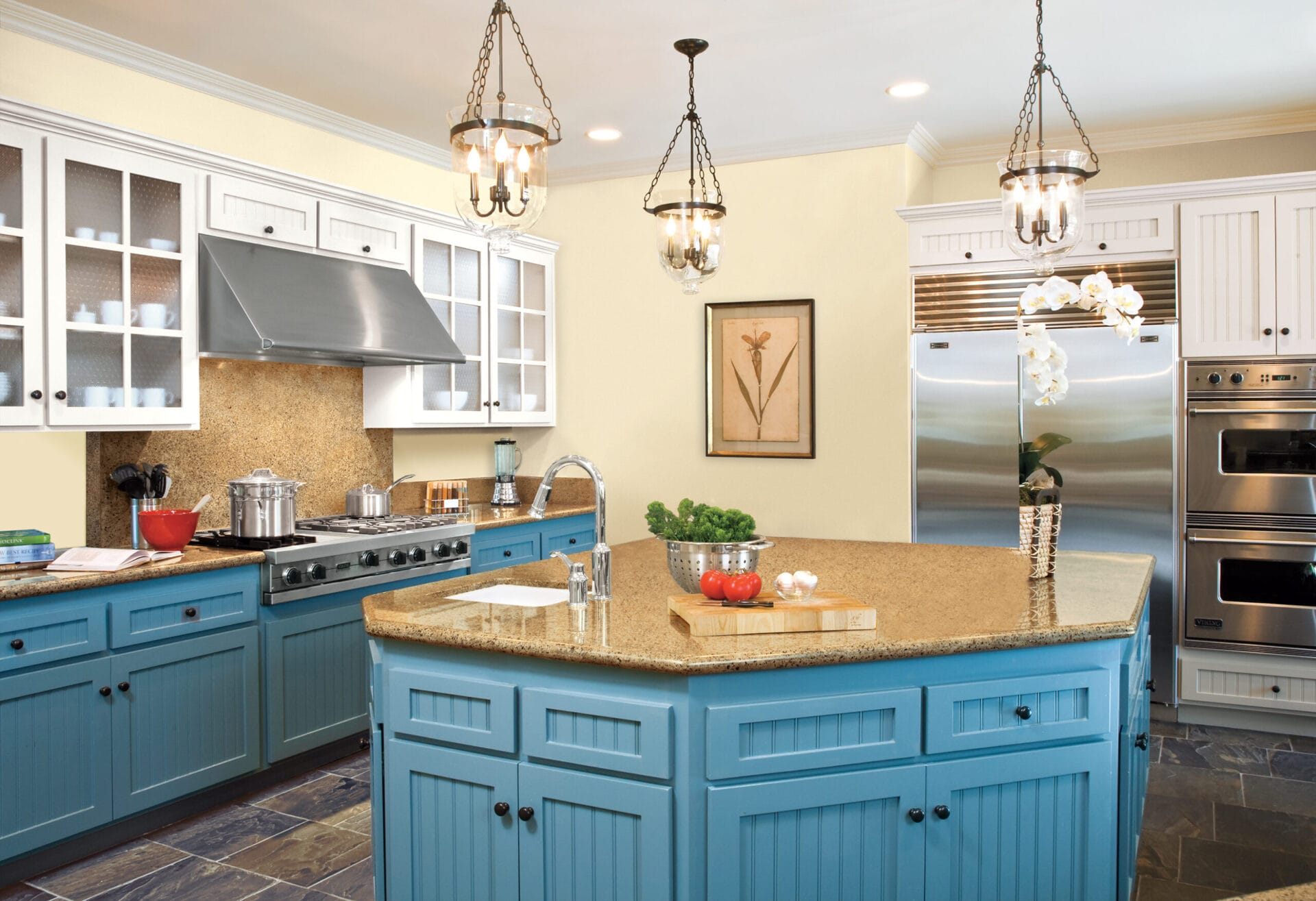
Stone countertops are the kitchen equivalent of a good tailored jacket: sturdy, beautiful, slightly expensive, and capable of making everything around them look more intentional. Whether you are planning a full kitchen remodel, updating a bathroom vanity, or simply daydreaming while standing over your tired laminate counter with a cup of coffee, stone countertops deserve a close look.
The phrase “stone countertops” can mean several things. It may refer to natural stone countertops such as granite, marble, quartzite, soapstone, slate, limestone, and travertine. It can also include engineered stone surfaces like quartz, porcelain slabs, and sintered stone, which are manufactured to mimic or improve upon natural stone performance. Each option has its own personality. Granite is the dependable workhorse. Marble is the dramatic artist. Quartzite is the elegant overachiever. Soapstone is the calm old soul. Quartz is the neat roommate who labels the spice jars.
This comprehensive guide explains the major types of stone countertops, their pros and cons, how much maintenance they need, where they work best, and how to choose the right surface for your home without needing a geology degree or a second mortgage.
What Are Stone Countertops?
Stone countertops are hard surface slabs or tiles used for kitchen counters, bathroom vanities, islands, bars, laundry rooms, outdoor kitchens, and commercial workspaces. Natural stone is quarried from the earth, cut into slabs, finished, and fabricated to fit your cabinets. Engineered stone is made by combining minerals, pigments, resins, or other materials under controlled manufacturing conditions.
The appeal is simple: stone looks substantial. It adds texture, depth, and long-term value. Unlike many manufactured surfaces, natural stone has movement, veining, speckling, and color variation that cannot be perfectly duplicated. No two granite or marble slabs are exactly alike. That uniqueness is part of the charmand occasionally part of the challenge when you are trying to match two slabs across a giant kitchen island.
Popular Types of Stone Countertops
Granite Countertops
Granite is one of the most popular natural stone countertop materials, and for good reason. It is durable, heat resistant, scratch resistant under normal use, and available in a huge range of colors and patterns. Some granite slabs are subtle and neutral, while others look like a thunderstorm, a galaxy, and an espresso shot had a design meeting.
Granite works well in busy kitchens because it can handle daily cooking, hot cookware better than many engineered surfaces, and routine cleanup. However, granite is porous to varying degrees, so sealing is often recommended. A properly sealed granite countertop resists everyday spills better and is easier to maintain.
Best for: busy kitchens, family homes, outdoor kitchens, classic remodels, and homeowners who want natural variation with strong performance.
Watch out for: inconsistent patterns between slabs, the need for periodic sealing, and possible chipping along edges if heavy objects hit them hard.
Marble Countertops
Marble is the luxury icon of stone countertops. It is famous for soft veining, cool surface temperature, and timeless elegance. Bakers often love marble because it stays naturally cool, which helps when rolling pastry dough. Designers love it because marble can make a kitchen feel expensive even when the rest of the room is still arguing with the builder-grade cabinets.
But marble is not low maintenance. It is porous, softer than granite and quartzite, and vulnerable to etching from acidic foods like lemon juice, vinegar, wine, and tomato sauce. Etching is not exactly a stain; it is a dull mark where acid has reacted with the stone. Some homeowners embrace the patina as part of marble’s character. Others see one lemon ring and emotionally move out.
Best for: baking stations, bathroom vanities, low-traffic kitchens, elegant interiors, and homeowners who appreciate natural aging.
Watch out for: etching, staining, scratches, frequent sealing, and the need for gentle cleaning products.
Quartzite Countertops
Quartzite is a natural stone formed when sandstone is transformed by heat and pressure. It often looks like marble but generally performs more like a tougher stone. That combinationmarble-like beauty with greater durabilityhas made quartzite a favorite in modern kitchen design.
True quartzite is hard, heat resistant, and excellent for kitchens. However, buyers should be careful because some stones are marketed loosely as quartzite even when they behave more like marble. Ask your fabricator about the specific slab, request care instructions, and consider simple stain or acid-resistance testing on a sample before committing.
Best for: high-end kitchens, dramatic islands, homeowners who love marble looks but need stronger performance, and statement backsplashes.
Watch out for: higher cost, required sealing, slab mislabeling, and potential etching in softer varieties.
Soapstone Countertops
Soapstone has a smooth, soft-touch feel and a quietly handsome appearance. It usually comes in shades of gray, green-gray, blue-gray, charcoal, or black. Over time, it develops a darker patina, especially when treated with mineral oil. It is nonporous, naturally stain resistant, and highly heat resistant, which makes it surprisingly practical.
The tradeoff is softness. Soapstone can scratch and dent more easily than granite or quartzite. The good news is that minor scratches can often be sanded or blended with mineral oil. Soapstone is not trying to be perfect. It is more like a cast-iron skillet: the marks become part of the story.
Best for: farmhouse kitchens, historic homes, laboratories, rustic-modern designs, and homeowners who like a lived-in look.
Watch out for: scratches, limited color options, and the regular use of mineral oil if you want a darker, richer finish.
Slate Countertops
Slate is a fine-grained natural stone with a matte, understated appearance. It is usually available in darker tones such as charcoal, gray, green, purple-gray, and black. Slate tends to be less porous than many other stones, making it relatively low maintenance when properly selected and installed.
Because slate has a quieter look, it works beautifully in minimalist, rustic, industrial, and traditional spaces. It does not usually have the dramatic veining of marble or quartzite, but that can be an advantage if your cabinets, tile, or lighting already have plenty to say.
Best for: understated kitchens, bathroom vanities, bar tops, and homeowners who prefer matte surfaces.
Watch out for: brittle edges, limited color range, and the need to choose high-quality countertop-grade slate.
Limestone and Travertine Countertops
Limestone and travertine offer warm, earthy beauty. They can make a kitchen feel relaxed, old-world, or Mediterranean. However, they are softer and more porous than many other countertop stones. They can stain and etch easily, especially in kitchens where citrus, wine, coffee, and tomato sauce are frequent guests.
These stones can work well in bathrooms, powder rooms, decorative counters, or low-traffic areas. In hardworking kitchens, they require an owner who is either very careful or very comfortable with patina.
Best for: bathrooms, decorative counters, Mediterranean-style homes, and low-use areas.
Watch out for: etching, staining, scratches, and higher maintenance needs.
Engineered Quartz Countertops
Quartz countertops are engineered surfaces made with ground quartz and other minerals combined with resin and pigments. Although quartz is often discussed alongside stone countertops, it is not a slab of natural stone pulled directly from a quarry. It is manufactured, which gives it consistent color, controlled patterns, and a nonporous surface.
Quartz is popular because it is easy to maintain, does not require sealing, and resists stains well. It is excellent for homeowners who want the look of stone without the ritual of resealing. However, quartz is not invincible. The resin content can be damaged by high heat, so hot pans should go on trivets, not directly on the surface. Think of quartz as durable, not superhero-proof.
Best for: busy families, modern kitchens, rental properties, low-maintenance homes, and consistent design schemes.
Watch out for: heat damage, UV discoloration in some products, visible seams in large installations, and less natural variation than real stone.
Porcelain and Sintered Stone Countertops
Porcelain slabs and sintered stone surfaces are newer favorites in the countertop world. They are manufactured under intense heat and pressure to create dense, durable slabs. Many options mimic marble, concrete, metal, or natural stone. They can be very resistant to heat, stains, UV exposure, and scratches.
These surfaces are especially attractive for modern kitchens, outdoor kitchens, full-height backsplashes, and waterfall islands. The main concern is fabrication. Porcelain and sintered stone can be unforgiving during cutting and installation, so hiring an experienced fabricator is essential.
Best for: contemporary kitchens, outdoor spaces, dramatic walls, and homeowners who want strong performance with modern styling.
Watch out for: edge chipping, specialized fabrication needs, and patterns that may not run fully through the slab.
Stone Countertop Finishes
The finish changes both the look and the maintenance of a stone countertop. A polished finish is glossy and reflective, making colors appear deeper and veining more dramatic. It is common for granite, marble, and quartzite. A honed finish is smooth but matte, giving stone a softer, more relaxed look. Leathered finishes add texture and are popular for granite, quartzite, and some darker stones.
Polished stone can show fingerprints and glare but may resist staining better depending on the material. Honed marble looks elegant but may show stains or etching more visibly. Leathered finishes can hide crumbs and smudges, which sounds wonderful until you realize they can also hide the crumbs you were supposed to clean up yesterday.
How Much Do Stone Countertops Cost?
Stone countertop pricing varies widely based on material, slab rarity, thickness, finish, edge profile, cutouts, installation complexity, local labor costs, and whether you choose prefabricated or custom slabs. Granite is often among the more affordable natural stone choices, while marble, quartzite, onyx, and exotic stones can cost significantly more.
As a broad planning range, many stone countertops fall somewhere between moderate and premium pricing per square foot installed. Simple granite may be relatively budget-friendly compared with rare marble or dramatic quartzite. Engineered quartz can overlap with both granite and marble depending on brand and pattern. Porcelain and sintered stone can also be premium choices because of specialized fabrication.
Do not compare materials by slab price alone. Ask for an installed quote that includes templating, fabrication, sink cutouts, edge details, seams, backsplash pieces, removal of old countertops, plumbing coordination, and any cabinet reinforcement. Countertop shopping without installed pricing is like ordering a burger and later discovering the bun, plate, and ability to chew were upgrades.
How to Choose the Right Stone Countertop
Match the Stone to Your Lifestyle
If you cook every day, host often, have kids, or treat your kitchen island like a mailroom, homework zone, pizza station, and science lab, choose a durable and forgiving surface. Granite, quartzite, engineered quartz, porcelain, and sintered stone are strong candidates. If you are a careful cook and love elegant patina, marble may be worth the extra attention.
Consider Maintenance Honestly
Some homeowners say they do not mind maintenance. Then they meet their first red wine spill on unsealed marble and suddenly become philosophers. Be honest. If you want the easiest care, consider quartz, porcelain, sintered stone, or soapstone. If you choose granite, marble, or quartzite, learn the sealing schedule recommended for your specific slab.
Bring Samples Home
Stone changes under different lighting. A slab that looks creamy in the showroom may look yellow next to your cabinets. A gray stone may turn blue under cool LED lights. Bring samples home, view them during the day and at night, and compare them with flooring, cabinet doors, wall color, and hardware.
View the Full Slab
Small samples are helpful, but they do not show the full movement of a natural stone slab. Always view the actual slab when possible. This is especially important with marble, quartzite, and dramatic granite. Mark the sections you love and discuss layout with your fabricator so the best veining appears where it matters most.
Think About Edges and Seams
Edge profiles affect both style and durability. A simple eased edge is clean, affordable, and less prone to chipping than delicate decorative edges. Ogee edges feel traditional and formal. Waterfall edges look modern and luxurious. Seams are sometimes unavoidable, especially in large kitchens, so discuss seam placement before fabrication.
Stone Countertop Installation: What to Expect
Professional installation is strongly recommended for most stone countertops because slabs are heavy, fragile during transport, and difficult to cut accurately. The process usually begins with measurements or digital templating after cabinets are installed and level. Then the fabricator cuts the slab, creates sink and cooktop openings, finishes the edges, and schedules installation.
Before installation day, clear the workspace, remove fragile items, and confirm plumbing and appliance details. Undermount sinks, cooktops, faucets, soap dispensers, and outlets should be selected early because the cutouts must match. Once stone is cut, changing your mind can become expensive in a hurry. Stone is patient, but it is not very forgiving.
Cleaning and Maintenance Tips
Daily Cleaning
For most natural stone countertops, use warm water, mild dish soap, and a soft cloth. Rinse well and dry with a clean towel to prevent streaks and water spots. A pH-neutral stone cleaner is also a smart choice. Avoid vinegar, lemon juice, bleach, ammonia, abrasive powders, steel wool, and harsh degreasers unless your countertop manufacturer specifically says otherwise.
Sealing
Many natural stones benefit from sealing, especially marble, granite, limestone, travertine, and quartzite. Sealer does not make stone bulletproof; it buys you time to wipe up spills before they soak in. To test whether sealing may be needed, place a few drops of water on the surface. If the water darkens the stone or absorbs quickly, ask a stone professional whether resealing is due.
Heat Protection
Granite, quartzite, soapstone, porcelain, and sintered stone generally handle heat better than many other surfaces, but trivets are still wise. Thermal shock, sealers, resins, or weak spots can create damage. Engineered quartz should definitely be protected from hot pans because high heat can discolor or damage the resin.
Scratch and Stain Prevention
Use cutting boards, wipe spills quickly, and place coasters under wine, coffee, citrus, and oily foods. Even hard stones can scratch knives, dull finishes, or chip along edges. Cutting directly on stone may make you feel like a television chef, but your knives and countertops will both quietly resent you.
Common Stone Countertop Mistakes to Avoid
One common mistake is choosing by appearance alone. A dramatic marble island may look incredible, but if your household treats spaghetti night like a competitive sport, you may prefer quartzite or granite. Another mistake is assuming every stone with the same name performs the same way. Natural stone varies by quarry, slab, mineral content, finish, and porosity.
Also avoid hiring inexperienced installers just to save money. Poor seams, bad leveling, weak cabinet support, and messy cutouts can make even expensive stone look disappointing. Finally, do not ignore care instructions. The wrong cleaner can dull a finish or damage a sealer faster than daily use.
Are Granite Countertops Safe?
Some homeowners worry about radon or radiation from granite countertops. Granite is a natural rock and can emit small amounts of radiation or radon, but public-health guidance generally identifies soil under and around the home as the main source of indoor radon. If you are concerned about radon, the practical first step is to test the indoor air in your home rather than panic over a countertop. Testing is inexpensive and gives you real information instead of kitchen anxiety with a side of internet doom.
Best Stone Countertops by Room
Kitchen
For kitchens, prioritize durability, stain resistance, and cleanability. Granite, quartzite, quartz, porcelain, and sintered stone are excellent choices. Marble can work beautifully if you accept etching and maintenance. Soapstone is also a strong option for people who like a soft matte look and do not mind scratches that blend into patina.
Bathroom
Bathrooms allow more flexibility because counters usually face less heat and food-related staining. Marble, limestone, travertine, quartz, granite, and quartzite can all work. However, makeup, hair dye, toothpaste, and acidic cleaners can still cause damage, so sealing and gentle cleaning matter.
Outdoor Kitchen
Outdoor countertops must handle sun, rain, temperature swings, and stains from grilling. Granite, quartzite, porcelain, soapstone, and sintered stone are common candidates. Engineered quartz is usually not ideal outdoors unless the manufacturer specifically approves it for UV exposure, because sunlight can discolor some products.
Design Ideas for Stone Countertops
Stone countertops can be subtle or dramatic. A white quartzite island with soft veining can brighten a kitchen without feeling plain. Black granite or soapstone can add contrast against white oak cabinets. Marble can bring elegance to a coffee bar or baking station. A full-height stone backsplash can turn a simple range wall into a showpiece.
For a timeless look, pair busy stone with simple cabinets and quiet tile. For a bold look, let a dramatic slab become the star and keep hardware minimal. Warm beige, taupe, cream, and brown stones are gaining attention as homeowners move away from cold gray interiors and toward cozier natural palettes.
Experience Section: Lessons From Living With and Choosing Stone Countertops
After looking at enough stone slabs, one thing becomes clear: countertop shopping is not just a design decision; it is a personality test. Some people walk into a slab yard and immediately fall in love with the loudest quartzite in the building. Others gravitate toward calm granite that looks like it pays bills on time. Both choices can be right, but only if they match how the space will actually be used.
The most useful experience is to start with habits, not colors. In a real kitchen, countertops handle much more than cooking. They become landing zones for grocery bags, school forms, keys, laptops, takeout containers, birthday cakes, and the one screwdriver nobody puts back. A delicate surface in a chaotic household can create daily stress. That does not mean you cannot choose marble or limestone, but you should know what kind of relationship you are signing up for. Marble is beautiful, but it wants attention. Quartz is easiergoing. Granite is sturdy. Soapstone ages like a favorite leather chair.
Another lesson is that showroom lighting can be deeply misleading. A slab that looks soft white under warehouse lights may turn creamy, gray, blue, or even slightly green at home. Always bring samples into your actual space. Put them next to the cabinet finish. Hold them near the floor. Look at them in morning light, afternoon light, and under your evening bulbs. Countertops are large horizontal surfaces, so undertones become obvious after installation. A tiny mismatch that seems harmless on a sample can feel much louder across a ten-foot island.
It also helps to think about emotional tolerance. Some homeowners genuinely enjoy patina. They see small scratches, softened edges, and etching as evidence of life well lived. Other homeowners want surfaces to look new for as long as possible. Neither mindset is wrong. But choosing the wrong stone for your tolerance level is how people end up glaring at a countertop like it insulted the family.
Fabrication details matter more than many buyers expect. Edge style, seam placement, overhang support, sink cutouts, and slab layout can change the finished result dramatically. A beautiful stone can look awkward if the veining is chopped in the wrong place. A seam through the most visible part of an island can bother you for years. Before cutting, ask the fabricator to show how the slab will be laid out. If there is dramatic veining, discuss bookmatching, waterfall panels, and backsplash alignment. This is the moment to be politely picky.
Maintenance is easier when it becomes routine. Keep a soft cloth, mild soap, and stone-safe cleaner nearby. Wipe spills quickly. Use cutting boards and trivets. Do not use vinegar as an all-purpose cleaner on natural stone, even if the internet insists vinegar can solve every household problem from grime to existential dread. It cannot. On marble and other calcium-based stones, acidic cleaners can cause etching.
The best stone countertop is not always the most expensive one. It is the one that fits the room, budget, cooking style, cleaning habits, and long-term expectations. A modest granite that performs beautifully for fifteen years may be a better choice than a rare marble that makes you nervous every time someone opens a jar of salsa. On the other hand, if marble makes your heart sing and you are happy to care for it, the patina may become part of your home’s charm.
In the end, stone countertops are about balance. Beauty matters. Durability matters. Maintenance matters. So does the feeling you get when you walk into the kitchen every morning. Choose a surface that supports real life, not a fantasy version of life where nobody spills coffee, cooks with turmeric, or drops a pan lid. That kitchen does not exist. If it does, it probably has terrible snacks.
Conclusion
Stone countertops remain one of the most rewarding upgrades for kitchens, bathrooms, bars, laundry rooms, and outdoor living spaces. They offer beauty, durability, and a sense of permanence that few materials can match. Granite is reliable and versatile. Marble is elegant and expressive. Quartzite delivers natural drama with impressive strength. Soapstone is warm, practical, and full of character. Quartz, porcelain, and sintered stone offer modern performance with easier maintenance.
The smartest choice depends on your lifestyle. Before buying, compare materials honestly, view full slabs, understand maintenance requirements, ask about sealing, and hire an experienced fabricator. A countertop is not just a surface; it is where meals, conversations, messes, projects, and everyday life happen. Choose the stone that can handle your version of home beautifully.