Rust is the automotive version of that one tiny leak under the sink: easy to ignore, quietly destructive, and very rude once it becomes expensive. A little orange spot on a fender may look harmless today, but rust does not believe in staying small. Give it moisture, oxygen, road salt, chipped paint, and a few lazy weekends, and it can spread from “minor cosmetic issue” to “why is my rocker panel auditioning for Swiss cheese?”
The good news is that preventing rust on your car is not mysterious. You do not need a laboratory, a lift, or a mechanic named Chuck who owns three flashlights and judges your tire pressure. You need a consistent routine built around three smart habits: keep corrosive grime off the vehicle, protect exposed surfaces, and inspect small damage before it becomes structural drama.
This guide breaks down 3 ways to prevent rust on your car using practical, real-world maintenance advice. Whether you live in the snowy Midwest, the salty Northeast, a coastal town, or anywhere humidity treats your car like a personal sponge, these tips can help preserve your paint, undercarriage, resale value, and peace of mind.
Why Cars Rust in the First Place
Rust happens when iron or steel reacts with oxygen and moisture. Since cars spend their lives driving through rain, slush, puddles, dirt, and salty road spray, they are basically rolling through a corrosion buffet. Modern vehicles are much better protected than older cars, but they are not invincible. Protective coatings wear down, paint chips happen, drain holes clog, and salt finds hidden seams with the determination of a raccoon opening a trash can.
Road salt is one of the biggest villains. It helps melt ice and improve winter traction, but it also accelerates corrosion when it clings to metal surfaces. The undercarriage is especially vulnerable because it catches salty spray from roads and rarely gets the same attention as shiny exterior panels. Brake lines, fuel lines, suspension parts, exhaust components, frame rails, rocker panels, wheel wells, and door bottoms are common rust-prone areas.
Rust prevention is not just about looks. Severe corrosion can weaken structural parts, damage safety-related components, make repairs harder, and reduce vehicle value. That is why the best rust strategy is boring, repetitive, and incredibly effective: clean, protect, inspect. Glamorous? No. Cheaper than welding in new rocker panels? Absolutely.
1. Wash Your Car Regularly, Especially the Undercarriage
The simplest way to prevent rust is also the one many drivers forget: wash the car. Not just the hood, doors, and windows. The real rust party often starts underneath, where salt, mud, sand, and moisture collect out of sight.
Why washing prevents rust
Dirt and road grime can trap moisture against paint and metal. Road salt, brine, and de-icing chemicals can cling to the underbody, wheel wells, brake parts, and seams. If those contaminants sit there for weeks, they give corrosion more time to work. Regular washing removes the corrosive layer before it can settle in and cause long-term damage.
During winter, drivers in salt-heavy regions should wash more often than they do in mild weather. A good rule is to wash at least monthly during snow season, and more often if the car is visibly coated in salt. If you drive through slush every day, a weekly rinse is not excessive. Think of it as brushing your car’s teeth, except the toothpaste is water and the cavities are rust holes.
Choose an undercarriage wash
When using a car wash, choose one that includes an underbody spray. That extra rinse targets the underside of the vehicle, where corrosion can attack brake lines, exhaust components, subframes, fasteners, suspension mounts, and other exposed metal. If the car wash offers an undercarriage option as an add-on, it is usually worth the few extra dollars, especially after winter storms.
A touchless wash is often a smart choice in winter because it reduces the risk of brushes dragging grit across the paint. At home, you can use a garden hose, pressure washer on a safe setting, or an undercarriage sprayer attachment to flush wheel wells and underside areas. Avoid blasting delicate rubber boots, electrical connectors, or sensors at point-blank range. You want to remove salt, not pressure-wash your car into therapy.
Do not forget wheel wells and lower panels
Rust loves edges, seams, and hidden pockets. Pay attention to wheel wells, rocker panels, door bottoms, lower fenders, trunk edges, and the area around the fuel filler door. These spots collect water and debris, and once paint or factory coating gets damaged, rust can move quickly.
After washing, dry visible areas when possible. Water trapped behind trim, inside door seams, or under floor mats can contribute to corrosion. In winter, rubber all-weather mats help keep salty slush from soaking into carpet and lingering against the floor pan. Clean those mats regularly; otherwise, they become stylish salt trays.
Best washing routine for rust prevention
For most drivers, washing every two weeks is a strong baseline. In road-salt regions, increase frequency during winter and early spring. After the last major thaw, schedule a deep cleaning that includes the undercarriage, wheel wells, door jambs, and lower body panels. If you live near the ocean, salt air can also accelerate corrosion, so regular rinsing matters even if snow is not part of your vocabulary.
2. Protect Paint, Seams, and Exposed Metal
Washing removes the enemies. Protection keeps them from moving back in with luggage. The second major way to prevent rust on your car is to maintain protective barriers: wax, sealant, ceramic coating, touch-up paint, undercoating, and rust inhibitors.
Wax or seal your car before harsh weather
Automotive wax and paint sealants create a thin protective layer between the paint and the outside world. They help repel water, dirt, road grime, bird droppings, tree sap, UV rays, and salt residue. Wax does not make your car bulletproof, but it makes it harder for moisture and contaminants to cling to the surface.
A practical schedule is to apply wax or sealant every three to six months, depending on the product, climate, parking situation, and wash habits. If your car lives outside, drives through winter salt, or parks under trees that treat it like a sap donation center, lean toward more frequent protection.
Before winter, wash the vehicle thoroughly and apply a quality wax or sealant to painted surfaces. Pay extra attention to lower doors, rocker panels, fenders, and the rear hatch or trunk area. These zones catch spray from the road and often show rust first.
Fix paint chips and scratches quickly
Paint is not just decoration. It is armor. When rocks, shopping carts, keys, or mystery parking-lot gremlins chip the paint, bare metal may be exposed. Once moisture reaches that exposed metal, surface rust can start.
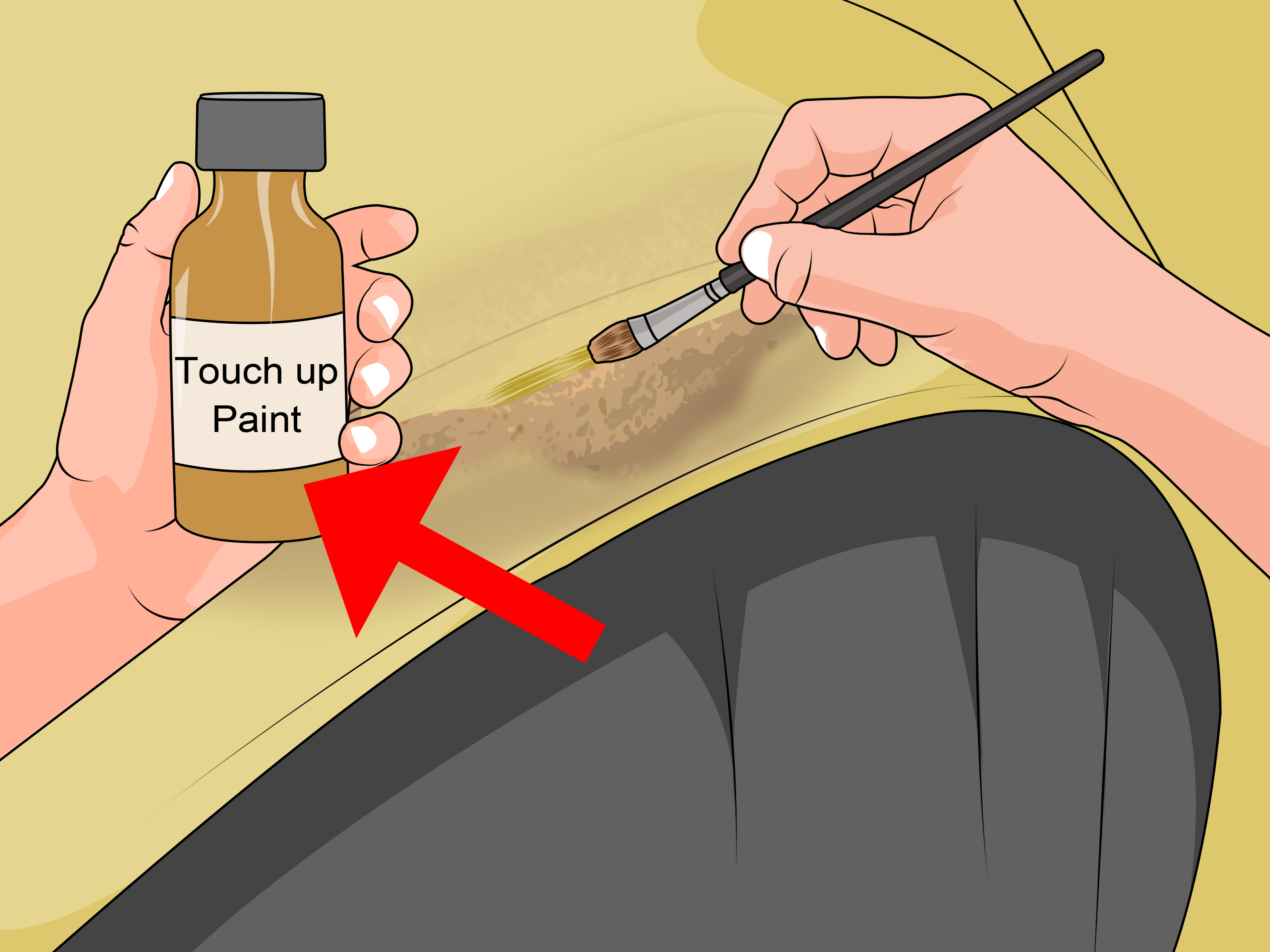
Small chips are usually easy to address with touch-up paint. Clean the area, remove any loose debris, apply primer if needed, add matching touch-up paint, and finish with clear coat when appropriate. Follow product instructions and let each layer dry properly. It will not always look like a showroom repair, but it can stop corrosion from spreading.
Look for chips on the hood, front bumper edge, door edges, lower rocker panels, wheel arches, and roofline. If you see bubbling paint, that may mean rust has already formed underneath. Do not just wax over bubbles and whisper encouraging words. Bubbling needs closer inspection because rust may be spreading below the surface.
Use undercoating or rustproofing wisely
Undercarriage protection can be valuable, especially in snowy or coastal regions. Products include rubberized undercoatings, wax-based coatings, oil-based rust inhibitors, and lanolin-style sprays. Their job is to create a barrier that helps repel moisture and salt from exposed metal.
However, preparation matters. Applying coating over dirt, salt, or active rust can trap moisture and make problems worse. Before using any underbody product, clean the underside thoroughly and let it dry. If rust is already present, remove loose rust and treat the area properly before sealing it. When in doubt, ask a reputable mechanic or rustproofing specialist to inspect the vehicle.
Be especially cautious around exhaust components, brakes, rubber parts, sensors, and drain holes. Some coatings are not designed for high-heat areas. Others can clog openings that are supposed to let water escape. Read labels carefully. Your car has enough problems without turning its drain holes into tiny waterproof bunkers.
Keep drain holes clear
Doors, rocker panels, sunroof channels, tailgates, and trunk areas often have small drain openings that let water escape. If those holes become clogged with leaves, mud, or debris, water can sit inside panels and cause rust from the inside out. This is especially sneaky because the outside may look fine until bubbling appears.
During washing or seasonal maintenance, check visible drains and clear them gently. Do not jam sharp tools into painted seams. A plastic pick, compressed air, or careful rinsing may help. If water sloshes inside a door after rain, that is your car politely asking for help.
3. Inspect Early and Treat Rust Before It Spreads
The third way to prevent rust is to catch it early. Rust usually starts small, and small rust is much easier and cheaper to deal with than structural corrosion. Regular inspection turns rust prevention from a guessing game into a maintenance habit.
Where to inspect for rust
Check your car at least a few times a year, especially before winter and after winter. Focus on areas that collect moisture and road debris:
- Wheel wells and fender lips
- Rocker panels below the doors
- Door bottoms and seams
- Trunk lid, hatch, and spare tire well
- Fuel filler area
- Hood edges and front stone-chip zones
- Frame rails, subframes, and suspension mounts
- Brake lines, fuel lines, and exhaust hangers
- Floor pan edges and jacking points
A flashlight helps. So does kneeling down and looking under the vehicle after it is safely parked on level ground. Never crawl under a vehicle supported only by a jack. If you need a close inspection, use proper jack stands or have a mechanic put the car on a lift.
Understand surface rust versus serious rust
Not all rust is equally scary. Light surface rust on thick underbody parts may be manageable if treated early. Scaling rust, flaking metal, holes, soft spots, or rust near structural components deserves professional attention. Rust on brake lines or suspension mounting points is not a cosmetic issue; it can become a safety issue.
If you are shopping for a used car, rust inspection is essential. A vehicle can look clean on top while the underside tells a very different story. Pay attention to fresh black undercoating on an older used car, too. Sometimes it is legitimate protection; other times it is makeup over corrosion. A pre-purchase inspection is money well spent in rust-belt states.
Treat small rust spots immediately
For tiny surface rust spots on body panels, the basic process is usually to clean the area, sand away the rust, apply rust converter or primer as appropriate, touch up paint, and seal it. The exact steps depend on the location and severity. The key is not to ignore it. Rust does not improve with positive thinking.
For underside rust, treatment may involve wire brushing, rust converter, primer, and protective coating. If corrosion has damaged brake lines, fuel lines, suspension mounts, or structural areas, get professional repair. These are not the places to test your confidence after watching one enthusiastic repair video at midnight.
Seasonal Rust Prevention Checklist
Before winter
- Wash and dry the vehicle thoroughly.
- Apply wax, sealant, or ceramic protection to painted surfaces.
- Touch up paint chips and scratches.
- Inspect wheel wells, rocker panels, and door seams.
- Consider professional underbody rustproofing if you live in a salt-heavy region.
- Install rubber floor mats to control salty slush inside the cabin.
During winter
- Wash regularly, especially after storms and salty road exposure.
- Choose undercarriage rinses whenever possible.
- Knock heavy snow and ice buildup from wheel wells when safe.
- Keep interior mats clean and dry.
- Avoid parking in deep snowbanks, where salty slush can stay packed against lower panels.
After winter
- Schedule a thorough wash, including the undercarriage.
- Inspect brake lines, fuel lines, suspension parts, and frame areas.
- Look for bubbling paint, chips, and new rust spots.
- Reapply wax or sealant.
- Treat minor rust before humid spring and summer weather helps it spread.
Common Mistakes That Make Car Rust Worse
Waiting until rust is visible from ten feet away
If rust is obvious from across a parking lot, it has probably been working for a while. Early inspection matters because rust often starts in seams, behind trim, and underneath the vehicle.
Using household cleaners on automotive paint
Dish soap and harsh cleaners can strip wax and dry out protective finishes. Use products designed for cars. Automotive paint is tough, but it does not need to be scrubbed like a lasagna pan.
Ignoring the underside
A shiny hood does not mean a clean undercarriage. Salt and grime attack from below, especially in winter climates. Undercarriage washing is one of the best rust prevention habits you can build.
Coating over rust without prep
Rustproofing products need a clean, dry, properly prepared surface. Coating over active rust or trapped salt can seal in the problem. Preparation is not optional; it is the difference between protection and expensive wishful thinking.
Letting wet leaves and debris sit on the car
Leaves, pine needles, mud, and organic debris can hold moisture against paint and clog drains. Clear them from the windshield cowl, trunk channels, sunroof drains, and panel gaps.
Real-World Experiences: What Drivers Learn About Rust the Hard Way
Ask drivers who have owned cars for a decade or longer in snowy states, and many will tell you the same thing: rust prevention is not one heroic weekend project. It is a routine. The owners who keep vehicles looking clean after 150,000 miles are usually not performing magic. They are washing the undercarriage, touching up chips, keeping drains clear, and dealing with small rust before it becomes a metal-eating monster.
One common experience is the “clean outside, crunchy underneath” surprise. A car may look fantastic in photos, especially after a wax, but a lift inspection can reveal rusted exhaust clamps, flaky subframes, crusty brake lines, or rocker panels beginning to decay from the inside. This is why experienced used-car buyers bring a flashlight and ask for an underbody inspection. They know the paint tells only half the story. The bottom of the car is where winter keeps its receipts.
Another lesson drivers learn is that timing matters. Washing salt off in April is helpful, but washing throughout winter is better. Salt does the most damage when it repeatedly mixes with moisture and sits on metal. A quick undercarriage rinse after a major storm can make a real difference, especially when temperatures rise enough for salty slush to melt and creep into seams. Many long-term owners build a simple habit: after roads clear, they run the car through a touchless wash with an underbody spray. It is not glamorous, but neither is replacing brake lines.
Paint chips are another classic “I’ll deal with it later” trap. A tiny chip on the hood or fender lip may seem harmless. Then one winter passes. Then another. Suddenly the spot has spread, paint has bubbled, and the repair is no longer a five-dollar dab of touch-up paint. Drivers who stay ahead of rust often keep a small touch-up kit in the garage and inspect the front end and lower panels after road trips. It is a small habit that can prevent big annoyance.
People also discover that parking conditions matter. A garage can protect a car from rain and snow, but a warm garage can also keep salty slush wet longer if the vehicle is parked dirty. That does not mean garages are bad; it means a salt-covered car should be washed when practical. Similarly, parking under trees may protect against sun but can add leaves, sap, and clogged drains. Rust prevention is partly about knowing your car’s environment and adjusting your routine.
Finally, drivers who use undercoating or rust inhibitors often learn that annual maintenance works better than one-and-done confidence. Protective sprays can wear away, especially in wheel wells and high-splash areas. A yearly inspection and reapplication before winter can help keep vulnerable metal protected. The best results usually come from combining strategies: wash regularly, protect the finish, inspect closely, and treat problem areas early. Rust prevention is not about paranoia. It is about staying one step ahead of chemistry, which is much easier than arguing with it after your rocker panels start dissolving.
Conclusion: Rust Prevention Is Cheaper Than Rust Repair
Preventing rust on your car comes down to three dependable habits: wash away salt and grime, protect paint and exposed metal, and inspect regularly so small problems stay small. These steps are simple, but they matter. Rust thrives on neglect, moisture, salt, and damaged coatings. Remove those advantages, and your car has a much better chance of staying solid, safe, and good-looking for years.
You do not need to obsess over every raindrop or panic every time your tires touch slush. Just build a routine. Wash more often during winter. Choose undercarriage cleaning. Wax or seal the paint. Touch up chips. Clear drains. Look underneath once in a while. Treat early rust before it spreads. Your future self, your mechanic, and your resale value will all appreciate it.
Rust may be persistent, but it is not unbeatable. With regular care and a little attention, your car can avoid becoming a cautionary tale with headlights.