Scars are proof that your skin knows how to run an emergency repair department. A scrape, cut, burn, acne breakout, surgery, or even a stubborn bug bite can set off the healing process. Your body sends in collagen, closes the gap, rebuilds the surface, andta-dasometimes leaves behind a visible mark. Helpful? Absolutely. Always aesthetically pleasing? Not exactly.
The good news is that while you cannot control every scar, you can influence how well your skin heals. Genetics, skin tone, wound depth, location, age, inflammation, and infection risk all play a role. But daily wound care habits matter more than most people realize. The right approach can help reduce redness, thickening, discoloration, and raised scars. The wrong approachhello, scab pickingcan make a small wound act like it is auditioning for a dramatic role.
This guide breaks down the practical dos and don’ts of scar prevention, using dermatologist-backed wound care principles in plain American English. No magic potions, no “rub a banana peel on it during a full moon” nonsensejust real, useful steps.
Why Scars Form in the First Place
A scar forms when the deeper layers of skin are injured and the body produces collagen to repair the area. Think of collagen like biological spackle: it fills the damaged space, but the repaired area may not look exactly like the original skin. That is why scars may appear lighter, darker, raised, flat, shiny, firm, itchy, or tender while they mature.
Most scars change for months. A new scar may look pink, red, purple, brown, or raised at first, then gradually soften and fade. Some scars mature over a year or longer. This is why scar prevention is not a one-day project. It is more like training a puppy: consistency matters, and ignoring it for three months usually creates extra work later.
The Biggest Rule: Good Wound Care Comes First
Before thinking about scar cream, silicone sheets, laser treatments, or fancy skincare gadgets, focus on basic wound care. A clean, protected, slightly moist wound usually heals better than one that is dry, irritated, dirty, or repeatedly disturbed. Infection and inflammation are two major reasons scars become more noticeable, so prevention begins the moment the skin is injured.
How To Prevent Scarring: The Dos
Do Wash Your Hands Before Touching the Wound
This sounds almost too simple, but it is one of the most important steps. Your hands touch phones, doorknobs, keyboards, snack bags, and mysterious surfaces nobody wants to discuss. Before cleaning or bandaging any wound, wash your hands with soap and water. If soap and water are not available, use hand sanitizer before handling supplies.
Cleaner hands mean fewer germs entering the wound, which lowers the chance of infection. Less infection risk means less inflammation. Less inflammation often means a calmer healing process and a less noticeable scar.
Do Clean the Wound Gently
For minor cuts and scrapes, rinse the area with clean running water. Wash around the wound with mild soap, but avoid scrubbing the injured skin like you are trying to remove paint from a fence. Gentle is the word. If small dirt particles remain, clean tweezers may help, but if debris is stuck or the wound is large, deep, or caused by something dirty, get medical care.
Cleaning helps remove irritants that can delay healing. The goal is to create a calm environment where skin cells can do their repair work without fighting a bacteria parade.
Do Keep the Wound Moist
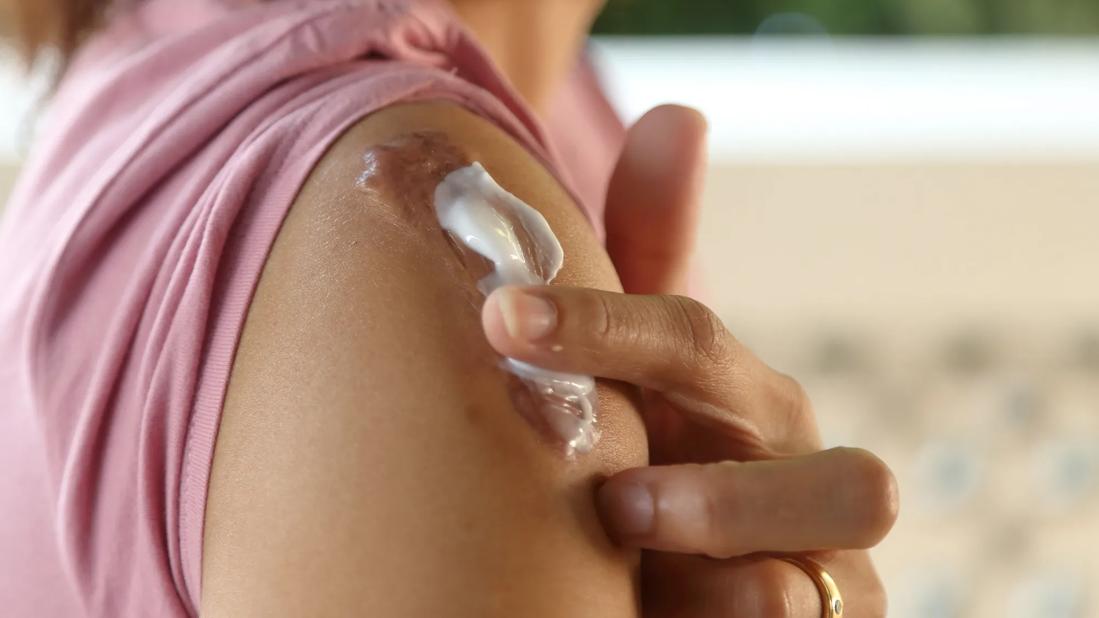
One of the biggest myths about wound care is that a cut needs to “air out.” In reality, many minor wounds heal better when kept slightly moist and covered. A thin layer of petroleum jelly or a similar simple ointment can help prevent the wound from drying into a hard scab.
Why does this matter? A dry scab may crack, pull, itch, and tempt you to pick at it. Moist wound care supports smoother healing and may reduce the chance of a more noticeable mark. Your wound does not need to be soggy; it just should not become a desert with a Band-Aid nearby for decoration.
Do Cover the Wound With a Clean Bandage
Covering a wound protects it from friction, dirt, bacteria, and accidental bumps. Use an adhesive bandage for small wounds or non-stick gauze with medical tape for larger areas. Change the dressing daily or whenever it becomes wet or dirty.
If your skin is sensitive to adhesive, use paper tape or a non-adhesive dressing. The best bandage is the one that protects the wound without irritating the surrounding skin. If the bandage causes redness, itching, or peeling, switch products or ask a healthcare professional for guidance.
Do Follow Instructions for Stitches, Glue, or Surgical Incisions
If a wound needed stitches, staples, surgical glue, or skin tape, follow your healthcare provider’s instructions closely. Keep the area clean, avoid soaking it unless approved, and do not remove closure strips early. Those little strips are not decorative racing stripes; they help support the wound while it heals.
Also, attend follow-up appointments. Stitches left in too long may leave extra marks, while stitches removed too early may allow the wound edges to separate. Proper timing helps the skin heal neatly.
Do Reduce Tension and Movement
Scars often become wider or thicker when healing skin is pulled repeatedly. Wounds over joints, shoulders, chest, knees, or areas that stretch a lot may be more prone to noticeable scars because the skin is constantly moving.
Try to protect the area from unnecessary stretching. If your doctor gives activity restrictions after surgery or an injury, follow them. That “I feel fine, so I’ll reorganize the garage” energy can turn into a scar that looks like it filed a complaint.
Do Protect Healing Skin From the Sun
Sun exposure can darken new scars and make discoloration last longer. Once the wound is fully closed, protect the area with broad-spectrum sunscreen of SPF 30 or higher. Clothing, hats, or physical coverage can also help, especially during the first several months of healing.
Do not apply sunscreen directly into an open wound. While the wound is still open, use a clean bandage or clothing for protection. After the skin has closed, sunscreen becomes one of the simplest and most effective scar-care tools available. It is not glamorous, but neither is explaining why your tiny scratch became a permanent souvenir from a sunny Tuesday.
Do Consider Silicone Gel or Silicone Sheets After the Skin Closes
Silicone is one of the most commonly recommended nonprescription scar-care options, especially for raised scars, hypertrophic scars, and people prone to keloids. Silicone gel or silicone sheets can help keep the scar hydrated and protected while reducing redness, firmness, and thickness over time.
The key phrase is “after the skin closes.” Do not place silicone products on open, infected, or draining wounds unless a healthcare professional tells you to. For best results, silicone usually needs consistent use for weeks or months. It is not a one-night miracle; it is more of a slow, steady, responsible adult in gel form.
Do Support Healing With Healthy Habits
Your skin needs building blocks to repair itself. A balanced diet with enough protein, vitamins, minerals, and fluids supports wound healing. Sleep matters, too. Your body does not do its best repair work when you are running on three hours of sleep and iced coffee.
If you have diabetes, poor circulation, immune system issues, or another medical condition that affects healing, work with your healthcare provider. Managing the underlying condition can reduce the risk of slow healing and noticeable scarring.
Do Get Help for High-Risk Wounds
Some wounds need medical attention. See a healthcare professional if the wound is deep, gaping, caused by a bite, contaminated, not healing, increasingly painful, or showing signs of infection such as spreading redness, warmth, swelling, pus, fever, or worsening tenderness.
Early care can prevent complications. Waiting too long because “it will probably be fine” is not a strategy; it is a gamble wearing a tiny bandage.
How To Prevent Scarring: The Don’ts
Don’t Pick Scabs
Picking a scab is one of the fastest ways to annoy your healing skin. A scab is part of the repair process. Pulling it off can reopen the wound, increase inflammation, introduce bacteria, and raise the chance of discoloration or a thicker scar.
If the wound itches, that does not mean it needs your fingernail-based intervention. Keep it moisturized, covered, and protected. Your skin is trying to finish a construction project. Do not show up with a wrecking ball.
Don’t Use Harsh Products Repeatedly
Hydrogen peroxide, rubbing alcohol, and iodine are often associated with “serious cleaning,” but repeated use can irritate healing tissue. For many minor wounds, clean running water and gentle care are enough. Harsh products may slow healing by damaging new skin cells.
If a healthcare provider specifically recommends a certain cleanser for your situation, follow that advice. Otherwise, avoid turning wound care into a chemistry experiment.
Don’t Let the Wound Dry Out Completely
Airing out a wound may sound old-school and practical, but dry wounds can form thicker scabs and may heal less smoothly. Moist, covered wound care often supports better healing for minor injuries.
This does not mean piling on half a jar of ointment. A thin layer is enough. Your wound should be protected, not glazed like a donut.
Don’t Scratch or Rub the Area
Healing skin can feel itchy, tight, or sensitive. Scratching may cause tiny breaks in the skin and increase inflammation. Rubbing from clothing, straps, jewelry, or sports gear can also irritate a wound or new scar.
Choose soft clothing, adjust straps, and protect the area with a bandage when needed. Once the skin is fully healed, gentle scar massage may be useful for some scars, but do not massage an open wound or fresh incision unless your provider says it is safe.
Don’t Start Scar Treatments Too Early
Scar gels, silicone sheets, massage, exfoliating acids, retinoids, and brightening products all have a time and place. That place is usually not inside an open wound. Applying the wrong product too early can irritate skin and delay healing.
First, help the wound close. Then think about scar care. In skincare terms, this is the difference between “repair the roof” and “choose curtains for the living room.” One comes before the other.
Don’t Ignore Acne, Burns, or Repeated Skin Picking
Scarring is not only caused by cuts and surgery. Acne, burns, repeated irritation, and inflamed skin conditions can also leave marks. For acne, early treatment can reduce the risk of permanent pitted or raised scars. For burns, proper first aid and medical care when needed can make a major difference.
If breakouts are deep, painful, frequent, or leaving marks, see a dermatologist. Treating acne early is often easier than treating acne scars later. Future you will appreciate the memo.
Don’t Assume All Scars Need the Same Treatment
Flat discoloration, raised hypertrophic scars, keloids, acne scars, surgical scars, and burn scars are different. A product that helps a raised scar may do little for dark spots. A treatment that improves acne texture may not be right for a fresh surgical incision.
If a scar is growing, painful, itchy, limiting movement, or bothering you emotionally, professional treatment may help. Dermatologists and plastic surgeons can offer options such as silicone therapy, steroid injections, laser treatments, microneedling, pressure therapy, or scar revision depending on the scar type.
Special Tips for Keloid-Prone Skin
Keloids are raised scars that grow beyond the original wound area. They can occur after cuts, burns, acne, piercings, surgery, or even minor skin irritation. People with a personal or family history of keloids should be extra careful with wound care and elective skin procedures.
If you know you form keloids, talk to a dermatologist before piercings, tattoos, cosmetic procedures, or planned surgeries when possible. Early prevention may include silicone products, pressure therapy in certain areas, or medical treatments if thickening begins. Keloids are easier to manage early than after they become large and firm.
Scar Prevention After Surgery
Surgery scars are often unavoidable, but their final appearance can improve with careful aftercare. Keep the incision clean, follow dressing instructions, avoid unnecessary strain, and attend follow-up visits. Ask your surgeon when it is safe to start silicone gel, silicone sheets, sunscreen, or massage.
Do not rush workouts, swimming, heavy lifting, or stretching if your provider has restricted them. A surgical incision may look closed on the surface before deeper layers are fully strong. Healing skin is a quiet overachiever, but it still needs time.
Scar Prevention for Acne Marks
Acne scars often develop when inflammation damages deeper skin layers. The best prevention is early acne control. Avoid squeezing pimples, especially deep or painful ones. Use acne treatments consistently, protect skin from sun exposure, and see a dermatologist if over-the-counter products are not enough.
Dark marks after acne, also called post-inflammatory hyperpigmentation, are not always true scars, but they can last a long time. Sunscreen helps prevent these marks from getting darker. For textured acne scars, professional treatments may be needed after acne is under control.
When To See a Dermatologist About a Scar
Consider seeing a dermatologist if a scar becomes raised, thick, itchy, painful, tight, darkening, spreading, or limiting movement. Also seek care if the wound is not healing as expected or if you have a history of keloids. Early treatment can often improve comfort and appearance.
Modern scar treatments cannot erase every mark, but they can often make scars flatter, softer, lighter, or less noticeable. The right plan depends on timing, scar type, skin type, location, and your goals.
Real-Life Experience: What Scar Prevention Looks Like Day to Day
Scar prevention is not usually dramatic. It is not a cinematic montage with inspirational music and a glowing jar of miracle cream. In real life, it looks like washing your hands before changing a bandage. It looks like resisting the urge to pick a scab while watching TV. It looks like remembering sunscreen even when the scar is small and you are only “running out for five minutes.” Basically, it is a series of boring little choices that add up.
Imagine someone gets a small kitchen cut while making dinner. The old habit might be to rinse it quickly, wave it around in the air, slap on a bandage, forget about it, and later pick the scab because it feels tight. The better approach is simple: rinse it well, apply a thin layer of petroleum jelly, cover it with a clean bandage, and change that bandage daily. If the area is on a finger joint, they avoid bending it aggressively or letting the bandage peel off every hour. Not glamorous, but effective.
Or think about a teen dealing with acne on the cheeks. The temptation to squeeze a painful pimple can feel almost magnetic. But squeezing increases inflammation and can push irritation deeper into the skin. A better routine is to use proven acne treatments, avoid picking, moisturize to support the skin barrier, and wear sunscreen during the day. If acne is leaving marks, that is a sign to get help early rather than waiting until the skin has a whole scrapbook of old breakouts.
After surgery, scar prevention becomes even more about patience. Many people feel better before the incision is strong enough for full activity. They want to work out, swim, lift things, stretch, or return to every normal habit immediately. But a healing incision needs support. Following the surgeon’s instructions, keeping appointments, protecting the incision from sun exposure, and asking when to start silicone treatment can make a visible difference over time.
Another common experience is the “itchy healing stage.” A wound starts to close, the skin feels tight, and suddenly your brain becomes very interested in scratching. This is where prevention becomes a battle of willpower. Covering the area, keeping it moisturized, and wearing soft clothing can reduce irritation. If itching is severe or comes with worsening redness or swelling, it is time to ask a healthcare professional rather than turning yourself into a scratching machine.
The biggest lesson from everyday scar prevention is that consistency beats intensity. You do not need ten products. You do not need to panic. You need clean care, moisture, coverage, sun protection, and the wisdom to leave healing skin alone. Your skin is smart, but it appreciates a calm working environment.
Conclusion
Preventing scars is not about perfection. Some scars are part of normal healing, and many fade naturally with time. But you can give your skin its best chance by cleaning wounds gently, keeping them moist and covered, avoiding scab picking, protecting new skin from the sun, reducing tension, and using silicone products only when appropriate.
Think of scar prevention as teamwork: your body does the repair work, and you provide the clean workspace, steady supplies, and occasional sunscreen pep talk. When a wound is serious, slow to heal, infected, or forming a raised scar, get professional care early. The sooner you support healthy healing, the better your chances of ending up with a scar that whispers instead of shouts.
Note: This article is for educational purposes only and does not replace medical advice. For deep wounds, burns, surgical incisions, signs of infection, or scars that are painful, raised, or spreading, consult a qualified healthcare professional.