Note: This article is written as clean, copy-ready HTML and synthesizes current U.S. pediatric, health, and consumer guidance without inserting source links or citation artifacts.
I used to believe a baby bottle warmer belonged in the same category as wipe warmers, tiny sock organizers, and those adorable baby shoes that look like they’re headed to a board meeting. Cute? Sure. Necessary? Absolutely not. My original plan was simple: warm water, a mug, a bottle, done. Parenting, I assumed, would reward my minimalist confidence.
Then real life arrived wearing a onesie and screaming at 3:12 a.m.
Suddenly, the calm little “just place the bottle in warm water” routine felt like operating a tiny restaurant during the dinner rush, except the only customer had no patience, no pants, and a very strong Yelp review voice. That is how I went from baby bottle warmer skeptic to reluctant fan. Not because a bottle warmer is essential for every family, but because in the messy, sleepy, milk-splattered reality of infant care, convenience can feel like a luxury spa treatment for your nervous system.
This article breaks down what changed my mind, when a baby bottle warmer is actually useful, what safety rules matter most, and how to decide whether this feeding gadget deserves precious counter space in your kitchen or nursery.
First Things First: Does a Baby Bottle Need to Be Warm?
No. A baby bottle does not automatically need to be warm. Many babies drink breast milk or infant formula cold, cool, or at room temperature without complaint. Some babies, however, develop a preference for warm milk, especially if they are used to nursing, where milk naturally arrives at body temperature. Others are simply tiny beverage critics. They may reject a chilly bottle with the dramatic flair of a food judge on television.
For formula-fed babies, warming is usually about comfort and preference, not nutrition. For breastfed babies who also take pumped milk, gentle warming can help take off the refrigerator chill and blend separated fat back into the milk. Human milk naturally separates during storage, so a gentle swirl after warming can make it look more uniform again. The key word here is gentle. Baby milk should feel lukewarm, not hot.
That distinction matters. A bottle warmer is not meant to cook milk, sterilize milk, or transform a midnight feeding into a science experiment. It is meant to warm a bottle evenly and predictably enough that you are not standing at the sink half-asleep whispering, “Is this too cold? Too hot? Why is time fake?”
Why I Thought Bottle Warmers Were Unnecessary
Before using one, I had a very reasonable argument against baby bottle warmers: people have fed babies for generations without plug-in gadgets. A bowl of warm water works. Running a bottle under warm tap water works. Holding the bottle between your hands while staring into the middle distance technically works, though it is not the fastest method unless you have superhero palms.
I also worried about clutter. Baby gear has a way of multiplying overnight. One day you own a few burp cloths; the next day your kitchen looks like a small laboratory dedicated to nipples, caps, rings, valves, brushes, drying racks, and mysterious silicone parts that may or may not belong to anything you still use.
So my skepticism was not anti-technology. It was anti-countertop chaos. I did not want another device unless it solved a real problem. The surprise was that a bottle warmer did solve onenot every feeding problem, not every parenting problem, but the specific problem of making bottle temperature less annoying when everyone was tired.
The Moment That Changed My Mind
The turning point came during a nighttime feeding. The baby was hungry. I was tired enough to briefly consider whether socks counted as mittens. I placed a refrigerated bottle in a mug of warm water, waited, tested it, found it too cool, changed the water, waited again, tested again, and somehow ended up with the outside of the bottle warm while the milk still felt like it had spent spring break in Alaska.
A bottle warmer made the process more consistent. I could add the right amount of water, choose the setting, and let the machine do its small, boring, beautiful job. Was it glamorous? No. Did it feel like hiring a tiny night-shift assistant? Absolutely.
The biggest benefit was not speed alone. It was predictability. When you are feeding a baby several times a day, small repeated tasks become big emotional events. A bottle warmer reduced one decision, one mess, and one chance to overheat or under-warm the bottle. That was enough to change my mind.
What a Baby Bottle Warmer Actually Does
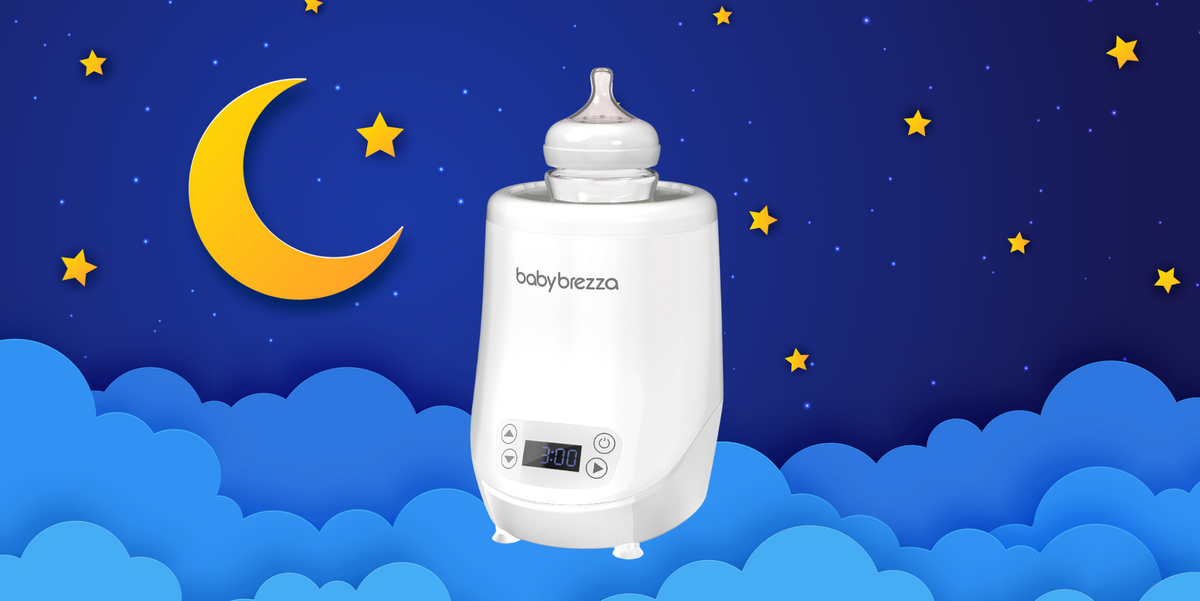
A baby bottle warmer is a small appliance designed to warm breast milk, formula, or sometimes baby food jars. Most models use one of three heating methods: warm water bath, steam, or warm air circulation. Each method has its own personality.
Warm Water Bath Warmers
Warm water bath models heat bottles gently by surrounding them with warm water. This method is often favored for breast milk because it tends to be gradual and less aggressive. Gentle warming helps reduce the risk of overheating, which is important because excessive heat can affect some of the beneficial properties in breast milk.
Steam Bottle Warmers
Steam warmers are usually faster. They use hot steam to transfer heat to the bottle. Speed can be helpful when a hungry baby is escalating from “I would like dinner” to “I have contacted management.” However, steam warmers may require closer attention because they can heat quickly. You still need to swirl the bottle and test the temperature before feeding.
Waterless Bottle Warmers
Some newer models use warm air instead of water. These can reduce spills and avoid the daily ritual of dumping cloudy warmer water, which is nice if you already feel like your life is 70 percent washing things. Waterless warmers may also include motion or rotation to help distribute heat evenly.
The Safety Rules That Matter Most
A baby bottle warmer can be convenient, but it does not cancel the basic safety rules of bottle feeding. The machine is a helper, not a babysitter. The most important rule is simple: always test the milk before offering it to your baby.
Never Microwave a Baby Bottle
Microwaving breast milk or formula is not recommended because microwaves heat unevenly. A bottle may feel fine on the outside while the liquid inside has hot spots that can burn a baby’s mouth or throat. Shaking may not reliably fix the problem. Microwaving can also overheat breast milk and reduce some of its protective qualities.
Milk Should Be Lukewarm, Not Hot
After warming, gently swirl the bottle to distribute heat. Then place a few drops on the inside of your wrist or the back of your hand. It should feel lukewarm or neutral, never hot. If you have to blow on it like soup, it is too warm for a baby.
Use Warmed Breast Milk Promptly
Once breast milk has been warmed or brought to room temperature, it should generally be used within about two hours. Previously frozen breast milk that has thawed in the refrigerator should be used within the recommended storage window and should not be refrozen. If your baby does not finish a bottle, follow safe feeding guidance and discard leftovers within the proper timeframe.
Follow Formula Preparation Instructions Carefully
Infant formula safety starts before warming. Always follow the formula label, use safe water, measure accurately, and avoid diluting or concentrating formula beyond instructions. Prepared formula should not sit around indefinitely, and leftovers from a feeding should be discarded according to safe-feeding guidelines. A bottle warmer cannot make old formula fresh again. It is a warmer, not a time machine.
When a Bottle Warmer Is Worth It
A baby bottle warmer is not mandatory, but it can be genuinely useful in certain households. The value depends less on whether the product is “essential” and more on your feeding routine.
You Pump and Store Breast Milk
If you regularly refrigerate or freeze expressed breast milk, a warmer can simplify the process. It can help take the chill off refrigerated milk and gently warm thawed milk without requiring you to stand at the sink. For parents who pump at work, store milk, and feed later, that convenience can add up quickly.
Your Baby Strongly Prefers Warm Bottles
Some babies do not care about bottle temperature. Others behave as if cold milk is a personal insult. If your baby consistently rejects cold or room-temperature bottles but drinks warm ones calmly, a bottle warmer may save time, milk, and sanity.
You Handle Night Feedings
Night feedings are where bottle warmers shine. When you are tired, small tasks feel huge. A machine that warms consistently can reduce the amount of thinking required. That is not laziness. That is survival with better branding.
Multiple Caregivers Feed the Baby
A warmer can make feeding easier for grandparents, babysitters, partners, or daycare-style routines at home. Instead of explaining your exact mug-of-water method, you can say, “Use this setting, then test the milk.” Consistency is helpful when more than one person is feeding the baby.
You Have Twins or Frequent Bottle Feedings
For families feeding more than one baby, or feeding bottles throughout the day, even a few saved minutes can matter. Some bottle warmers accommodate different bottle sizes or baby food containers, making them more versatile as your baby grows.
When You Can Skip It
You do not need a bottle warmer if your baby accepts cold or room-temperature milk, if you rarely use bottles, or if your warm-water method already works smoothly. You can also skip it if counter space is limited or you dislike cleaning extra gadgets. A bottle warmer should reduce stress, not become another object you resent while wiping dried milk off its tiny plastic crevices.
Some parents buy one and barely use it. Others use it daily and would rescue it first in a minor kitchen appliance emergency. The difference is routine. Before buying, ask yourself: how often do we warm bottles, when do we warm them, and what part of the current process is actually frustrating?
What to Look for in a Good Baby Bottle Warmer
If you decide to try one, choose based on your real life, not the fanciest product description. A good baby bottle warmer should be safe, simple, easy to clean, and compatible with the bottles you already use.
Even Warming
The best bottle warmer is not necessarily the fastest. Even warming matters more. A bottle that heats too aggressively can create temperature differences or require long cooling time. Look for models designed to warm gradually or circulate heat around the bottle.
Auto Shutoff
An automatic shutoff feature is helpful, especially for tired parents. It reduces the chance of overheating and saves you from remembering one more thing while juggling a baby, a burp cloth, and your last functioning brain cell.
Simple Controls
At 3 a.m., nobody wants to decode a control panel that looks like it belongs on a spaceship. Clear buttons, simple settings, and easy instructions are more valuable than fifteen modes you will never use.
Cleaning and Maintenance
Warm, damp environments can encourage buildup if neglected. Choose a warmer that is easy to empty, wipe, and descale. If the cleaning routine looks like a weekend hobby, keep shopping.
Bottle Compatibility
Check whether the warmer fits wide-neck bottles, narrow bottles, glass bottles, silicone bottles, or milk storage bags if you use them. A warmer that does not fit your bottles is just a countertop sculpture.
Portability
Portable bottle warmers can be helpful for travel, daycare drop-offs, road trips, or long outings. However, battery-powered and travel models vary widely in speed, capacity, and reliability. If you mainly feed at home, a plug-in model may be simpler and less expensive.
Common Mistakes Parents Make With Bottle Warmers
The first mistake is assuming the warmer’s final temperature is automatically safe. Always test the milk. Machines can vary based on starting temperature, bottle material, milk volume, and selected setting.
The second mistake is leaving a bottle in the warmer too long. A “keep warm” feature sounds convenient, but milk and formula still have safety limits. Warm milk should not become a long-term parking situation.
The third mistake is reheating the same bottle again and again. Repeated warming can increase safety concerns and affect quality. Warm what you plan to use, and follow storage guidelines for anything left over.
The fourth mistake is ignoring cleaning. Mineral deposits, formula residue, and old water can build up. A bottle warmer touches the feeding routine, so treat it like feeding equipment, not like a toaster you emotionally abandoned in 2019.
Baby Bottle Warmer vs. Warm Water Bowl
The classic warm water bowl method is cheap, simple, and effective. You fill a bowl or mug with warm water, place the sealed bottle in it, wait, swirl, and test. It is a perfectly reasonable approach.
A bottle warmer improves the process mainly through consistency. It can be easier to repeat the same result with less supervision. It may also warm more quickly than a bowl of water, depending on the model. The downside is cost, cleaning, electricity, and space.
Think of it like a rice cooker. Can you make rice in a pot? Of course. Do some people still love a rice cooker because it removes guesswork? Also yes. A bottle warmer is the rice cooker of infant feeding: not required, but deeply appreciated by the right household.
How a Bottle Warmer Helped Our Routine
The biggest change was emotional. Before the warmer, bottle prep felt unpredictable. Sometimes the bottle warmed quickly. Sometimes it took forever. Sometimes I changed the water twice and still ended up with milk that felt too cool. Sometimes I overshot and had to cool it down. This was not a tragedy, but parenting is often a mountain of tiny inconveniences wearing a trench coat.
With the warmer, our routine became smoother. Pull bottle from fridge. Place bottle in warmer. Select setting. Prepare burp cloth. Find pacifier that had somehow teleported under the couch. Test milk. Feed baby. Done.
The warmer did not make the baby sleep through the night. It did not fold laundry. It did not explain why baby socks vanish more efficiently than adult socks. But it made one repetitive task easier. In newborn life, that counts.
My Honest Verdict: Useful, Not Universal
I no longer think baby bottle warmers are silly. I also do not think every parent needs one. The right answer depends on feeding style, baby preference, budget, and your tolerance for repetitive kitchen tasks.
If you are exclusively nursing and rarely use bottles, skip it. If your baby drinks cold formula happily, skip it. If you already have a warm-water method that works, skip it with confidence. But if you pump, refrigerate milk, handle night bottles, or have a baby who treats cold milk like a betrayal, a bottle warmer can be surprisingly helpful.
It changed my mind because it did not try to be revolutionary. It was simply practical. Parenting is full of products that promise transformation and deliver clutter. A good bottle warmer does something humbler: it warms the bottle, saves a few minutes, and helps prevent the half-asleep guessing game. Sometimes that is enough.
Extra Experience: What I Learned After Using a Bottle Warmer Longer Than Expected
After the novelty wore off, I expected the bottle warmer to slowly migrate into the graveyard of baby gadgets: the back of a cabinet, beside the pacifier clips we never clipped and the swaddles our baby escaped like a tiny magician. Instead, it stayed in the daily rotation because it fit into real life without demanding applause.
The first lesson was that location matters. Keeping the warmer near the bottles, clean water, and drying rack made it useful. When we briefly moved it across the kitchen to “make the counter look nicer,” we stopped using it as much. A baby product is only convenient if it is where your exhausted body expects it to be. Design magazines may prefer clear counters, but hungry babies prefer logistics.
The second lesson was to learn the settings before desperation hits. The first few times, I tested different bottle sizes and starting temperatures when the baby was calm. A small bottle from the refrigerator warmed differently than a larger bottle. Glass bottles behaved differently from plastic ones. Milk in a storage bag needed more attention than milk in a regular bottle. Figuring this out in advance prevented the dreaded hungry-baby soundtrack from becoming the official background music of the house.
The third lesson was that faster is not always better. I initially wanted the quickest setting because, obviously, the baby was hungry now, and “now” in baby time means three minutes ago. But gentler warming often produced a more reliable temperature. A super-fast cycle sometimes meant waiting afterward for the bottle to cool slightly, which defeated the purpose. The goal became “ready and safe,” not “heated at the speed of panic.”
The fourth lesson was to keep cleaning simple but consistent. I emptied the warmer after use, wiped it down, and descaled when needed. That tiny routine prevented buildup and kept the machine from becoming gross. Any feeding tool that uses water deserves regular cleaning. Babies may be small, but their accessories somehow create industrial-level maintenance schedules.
The fifth lesson was that a bottle warmer helped other caregivers feel confident. When someone else watched the baby, I did not have to explain my improvised sink method, water temperature preferences, or the emotional difference between “warm” and “just slightly less cold.” The warmer made the process repeatable. That gave everyone more confidence and reduced the chance of overheated milk.
Most importantly, using a bottle warmer taught me to be less smug about baby gear. Before becoming a parent, it is easy to judge products from a calm distance. After the baby arrives, the question changes. It is no longer, “Is this technically necessary?” It becomes, “Does this make a hard day a little easier without creating new problems?” For us, the answer was yes.
I still believe parents should avoid buying every gadget marketed as a must-have. Babies need safe feeding, love, clean diapers, sleep, and caregivers who are not completely fried. But sometimes a small appliance supports that last part. The bottle warmer did not make me a different parent. It made me a slightly less frazzled one during feeding time. Honestly, I will take that win and place it proudly next to the burp cloths.
Conclusion
A baby bottle warmer is not an essential item for every family, but it can be a genuinely useful feeding tool. It is best for parents who frequently warm breast milk or formula, manage night feedings, pump and store milk, or have a baby who strongly prefers warm bottles. The safest approach is always the same: avoid microwaves, warm gently, swirl the milk, test the temperature, follow storage guidelines, and clean the warmer regularly.
I never thought I would use a baby bottle warmer, much less defend one. But after enough sleepy feedings and inconsistent warm-water experiments, I changed my mind. Not because the gadget is glamorous, but because it is practical. In the world of baby care, practical is beautiful. Especially at 3 a.m.