Note: This article treats the “bought cars for a whole club of strippers” story as an unverified entertainment rumor, not a confirmed fact. The surrounding analysis is based on documented information about Trey Parker, Matt Stone, South Park, Casa Bonita, and the creators’ very real history of turning absurd ideas into expensive reality.
The wild rumor that sounds almost too “South Park” to be fake
Trey Parker and Matt Stone have spent nearly three decades making America ask one useful question: “Wait, did they really just do that?” Usually the answer is yes. They really did build an empire from foul-mouthed Colorado fourth graders. They really did make a Broadway musical about Mormon missionaries that became a Tony-winning juggernaut. They really did buy Casa Bonita, a beloved but struggling Colorado restaurant famous for cliff divers, puppet shows, caves, sopapillas, and the general vibe of a birthday party inside a fever dream.
So when a rumor surfaced that the South Park creators supposedly bought cars for an entire club of strippers, the internet did what the internet does best: it raised one eyebrow, lowered its standards of evidence, and whispered, “Honestly? Maybe.”
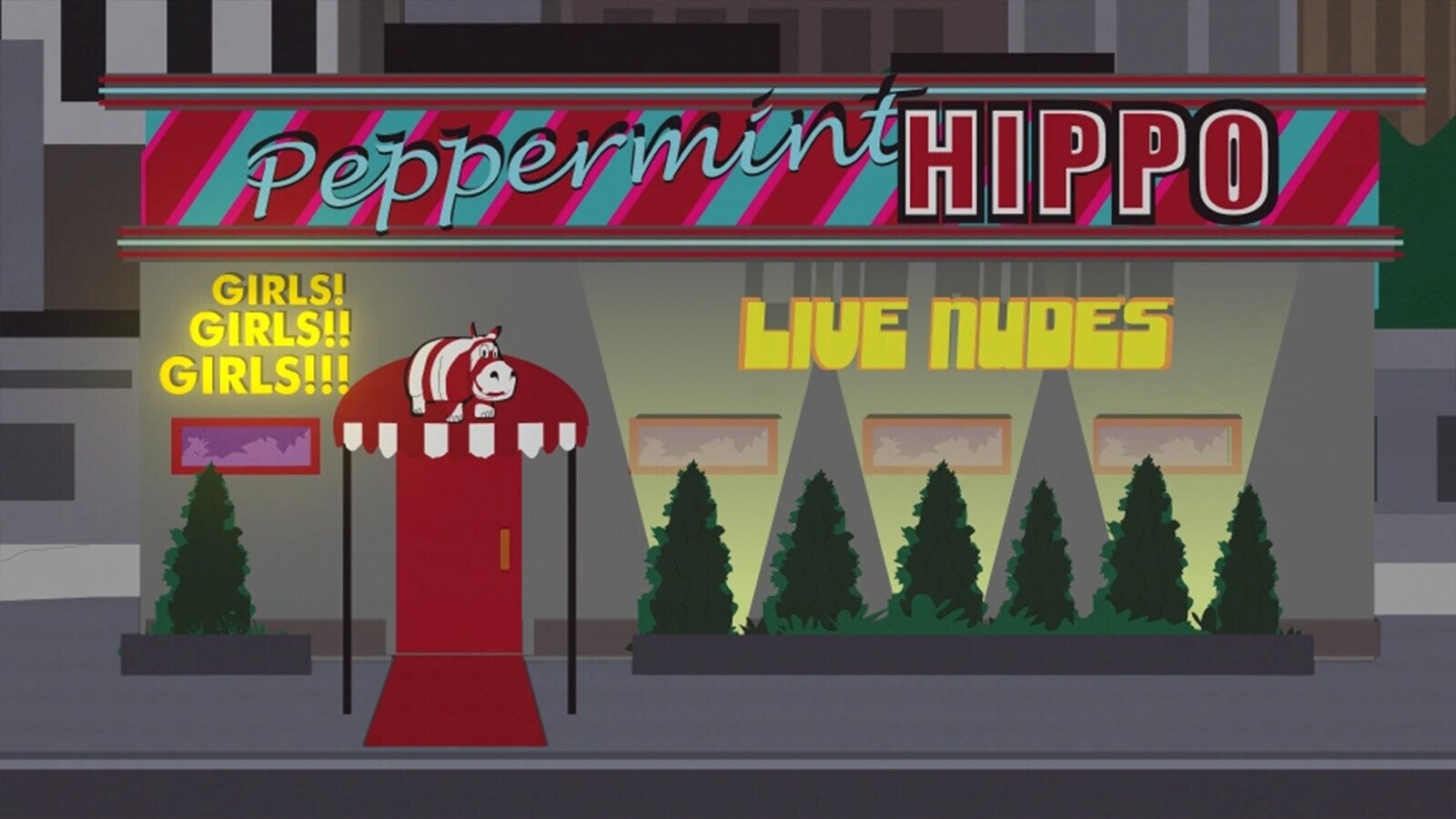
The story, as circulated in entertainment chatter, is simple: Parker and Stone allegedly frequented a gentleman’s club for lunch and, according to an anecdote repeated by comedy podcasters and then picked up by pop-culture sites, supposedly bought vehicles for the dancers who worked there. It is a perfect celebrity rumor because it has everything: money, strippers, cars, lunch, and two creators whose careers have made “bad idea, excellent execution” into a business model.
But here is the important part: there is no strong public confirmation that Trey Parker and Matt Stone actually bought cars for a whole club of strippers. The story should be handled as a rumor, not a verified event. That does not make it useless. In fact, the rumor says something interesting about their public image. Parker and Stone are the rare entertainers for whom a story this ridiculous does not immediately collapse under its own weight. Their brand has always lived in the narrow alley between “that can’t be real” and “oh no, it absolutely is.”
Why people believe a rumor like this
The reason this story travels so easily is not that anyone has produced dealership receipts, employee statements, or a ceremonial giant key presented on a velvet pillow. It travels because Trey Parker and Matt Stone have trained audiences to expect audacity.
Since South Park premiered in 1997, the duo has built a creative reputation around speed, shock, satire, and a kind of cheerful disregard for polite limits. The show’s production process is famous for being extremely fast. Episodes have often been made close to air, allowing Parker and Stone to respond to current events while the rest of television is still holding a meeting about whether the joke might upset the yogurt lobby.
Their humor also has a specific rhythm: take a childish premise, push it into adult absurdity, then sneak in a surprisingly sharp point. A town worships celebrity trends. A national panic turns into nonsense. A small local restaurant becomes an emotional monument. Their best work often starts with something dumb on purpose and ends with something weirdly insightful by accident.
That is why the alleged strip-club car story feels so sticky. It sounds like a lost South Park subplot. It also fits the public fantasy of Parker and Stone as men who might see a bizarre situation, laugh for three seconds, and then commit to it with the financial seriousness of a private-equity firm that just discovered tacos.
Confirmed fact: they really do spend big on strange passion projects
The strongest reason the rumor feels plausible is Casa Bonita. This part is not gossip. Parker and Stone really did buy the Lakewood, Colorado landmark after it closed during the pandemic and entered bankruptcy. Casa Bonita was not just any restaurant to them; it was a childhood icon and later the subject of one of South Park’s most beloved episodes.
What began as a rescue mission became a very expensive restoration. Reports have placed the renovation cost well above $40 million, with later comments and coverage suggesting the number climbed even higher. That is not a normal restaurant refresh. That is what happens when nostalgia meets engineering problems, entertainment design, food upgrades, and two wealthy comedians who apparently looked at a pink palace with cliff divers and said, “Yes, but what if it were functional?”
Casa Bonita matters to this rumor because it shows Parker and Stone are willing to spend serious money on places that combine food, performance, nostalgia, and absurdity. A regular investor might ask, “What is the return on capital?” Parker and Stone seem more likely to ask, “Can we save the waterfall?”
So no, Casa Bonita does not prove they bought cars for strippers. But it does explain why people do not instantly dismiss the story. These are not celebrities known only for buying watches and mansions. They are celebrities known for turning a childhood memory into a full-scale entertainment renovation that became a national curiosity.
The difference between a great rumor and a verified story
For SEO writers, entertainment bloggers, and pop-culture fans, this topic comes with a responsibility: do not sand off the word “supposedly.” It is doing heavy legal and ethical lifting.
A verified story has documents, direct quotes, multiple independent sources, or public confirmation from the people involved. A rumor has repetition. Repetition is not evidence; it is just gossip wearing comfortable shoes. In this case, the car-buying anecdote appears to come from informal storytelling, then spread because it is funny, memorable, and extremely on-brand.
That does not mean it is false. It means readers should treat it the way they would treat a friend’s story that begins, “I swear my cousin knew a guy.” Maybe the cousin exists. Maybe the guy exists. Maybe the guy is now driving a suspiciously generous Hyundai. But until stronger evidence appears, the honest framing is: Trey Parker and Matt Stone supposedly bought cars for dancers at a strip club, according to an unverified anecdote.
Good entertainment writing can still have fun with that. In fact, the uncertainty is part of the fun. The rumor works because it sits in the Parker-Stone zone: too strange for most celebrities, just strange enough for them.
How the rumor fits the Trey Parker and Matt Stone myth
The Parker-Stone myth is built on creative independence. They met at the University of Colorado, made scrappy early projects, and turned a crude animated short into a television institution. Over time, South Park became more than a show; it became a business engine, a cultural argument machine, and a case study in creator leverage.
Their deals have been enormous. Their franchise has generated major streaming agreements, long-term renewals, movies, specials, video games, and merchandise. Add The Book of Mormon, which won major Tony Awards and remains one of Broadway’s most successful modern comedies, and you get two creators with the kind of resources that make ridiculous rumors financially possible.
That is key. Nobody would believe this story if it were about two mildly successful podcasters who still argue over who pays for Dropbox. But Parker and Stone have had the kind of career where buying a fleet of cars, while extravagant, does not sound mathematically impossible. It sounds like something their accountant would object to, then quietly categorize under “brand-consistent chaos.”
Why the stripper-club detail grabs attention
The adult-entertainment angle gives the rumor its viral spark, but it is not the only reason people click. The real attraction is the contrast between generosity and absurdity. Buying a car for one person is a grand gesture. Buying cars for an entire club sounds like philanthropy after three margaritas and a very confusing lunch special.
There is also a long pop-culture tradition of celebrity spending stories. Rappers buy jewelry. Actors buy islands. Tech founders buy bunkers. Trey Parker and Matt Stone, in the public imagination, buy a haunted Mexican restaurant with cliff divers or possibly a dealership’s worth of dancer transportation. Their version of wealth has a punchline attached.
But the rumor also touches a softer idea: appreciation for workers in overlooked entertainment jobs. Strip-club dancers, like restaurant performers, theme-park actors, comedians, musicians, and service workers, often create the atmosphere that customers remember while rarely receiving the cultural respect given to more mainstream performers. If the story were true, the emotional center would not simply be “famous men spent money in a wild way.” It would be “performers recognized other performers.”
What Casa Bonita reveals about their values
Casa Bonita is the cleanest real-world lens for understanding Parker and Stone’s relationship with spectacle. It combines food, childhood memory, regional identity, absurd performance, and a refusal to separate high effort from lowbrow fun. That combination is basically the Parker-Stone creative recipe.
They did not just buy a restaurant because it appeared in South Park. They restored an experience. The venue’s appeal has never been only about enchiladas. It is about cliff divers, caves, roaming characters, arcade energy, and the strange thrill of eating dinner while something theatrical happens nearby. Casa Bonita is dinner entertainment in its purest form: part restaurant, part stage show, part local legend, part “why is there a waterfall in here?”
That is why the rumored strip-club car story became linked in people’s minds to Casa Bonita. Both involve entertainment spaces that are not traditionally “prestige” culture. Both involve performers. Both involve the kind of venue where the experience matters as much as the product. And both sound like Parker and Stone refusing to be embarrassed by loving something ridiculous.
The business lesson behind the bizarre headline
Strip away the sensational wording, and there is a useful business lesson here: a strong personal brand makes some stories feel believable before they are proven. Parker and Stone have spent decades building a reputation for creative risk, financial independence, and loyalty to their own weird instincts. As a result, the public has a high tolerance for odd stories about them.
That is brand equity. Not the boring kind that appears in a quarterly deck next to a blue arrow. Real brand equity is when people hear a wild anecdote and say, “That sounds like them.”
For creators, the lesson is not “go buy everyone cars.” Please do not leave this article and financially ruin yourself at a dealership. The lesson is that consistency matters. Parker and Stone’s work, interviews, projects, and public decisions all point in the same direction: irreverent, hands-on, skeptical of prestige, fond of spectacle, and willing to spend big when the joke or the memory matters.
Experience-based reflections: what this rumor teaches about celebrity stories
Anyone who has worked around entertainment, nightlife, restaurants, or media knows that the best stories often live in the foggy area between “documented” and “everybody heard about it.” A bartender remembers one version. A comic tells another. A customer adds a detail. By the time the story reaches the internet, the original anecdote has grown a mustache, rented a convertible, and started calling itself “confirmed.”
The Trey Parker and Matt Stone car rumor is a perfect example of how modern celebrity folklore works. It does not spread because people have proof. It spreads because it feels emotionally true to what people already believe about the subjects. Parker and Stone are seen as funny, wealthy, unpredictable, and strangely loyal to oddball entertainment institutions. Put those ingredients in a blender, and a story about buying cars for dancers comes out looking suspiciously smooth.
From a publishing perspective, the best way to handle a topic like this is to lean into the uncertainty without killing the fun. Readers do not want a courtroom filing; they want a smart, funny article that tells them what is known, what is rumored, and why anyone cares. That means using words like “supposedly,” “allegedly,” and “unverified” without making the article sound like it was written by a nervous insurance adjuster.
There is also a human lesson here. The rumor works because generosity is always more interesting when it is unexpected. If a celebrity donates to a museum, people nod politely. If two comedy legends allegedly buy cars for strip-club employees, people stop scrolling. The setting may be scandalous to some readers, but the underlying fantasy is wholesome in a bizarre way: workers being seen, appreciated, and surprised with something life-changing.
That is why this story has more staying power than a typical gossip blip. It combines the outrageous with the generous. It is not simply “celebrity behaves badly.” It is closer to “celebrity behaves impossibly weirdly, but maybe kindly.” In an internet culture overloaded with scandals, feuds, and apology videos filmed against beige curtains, a rumor about absurd generosity feels almost refreshing.
Finally, the story is a reminder that Parker and Stone’s greatest creation may not be a single episode, musical, or restaurant. It may be the public expectation that reality around them should be a little bit cartoonish. Whether or not the car-buying story ever turns out to be true, people believe it could be true because Parker and Stone have spent their careers making the impossible seem like a Tuesday production meeting.
Conclusion
So, did Trey Parker and Matt Stone really buy cars for a whole club of strippers? Publicly available evidence does not confirm it. The responsible answer is: supposedly, according to an unverified anecdote. But the reason the rumor continues to fascinate people is obvious. Parker and Stone have built a career where absurd spending, strange loyalty, and entertainment spectacle all belong in the same sentence.
The story may never be proven. Still, it reveals something true about their cultural image. These are creators who turned crude animation into television history, Broadway satire into Tony gold, and a childhood restaurant into a multimillion-dollar restoration saga. If the world is going to believe any comedy duo might buy cars for an entire strip club, of course it would be the guys from South Park.