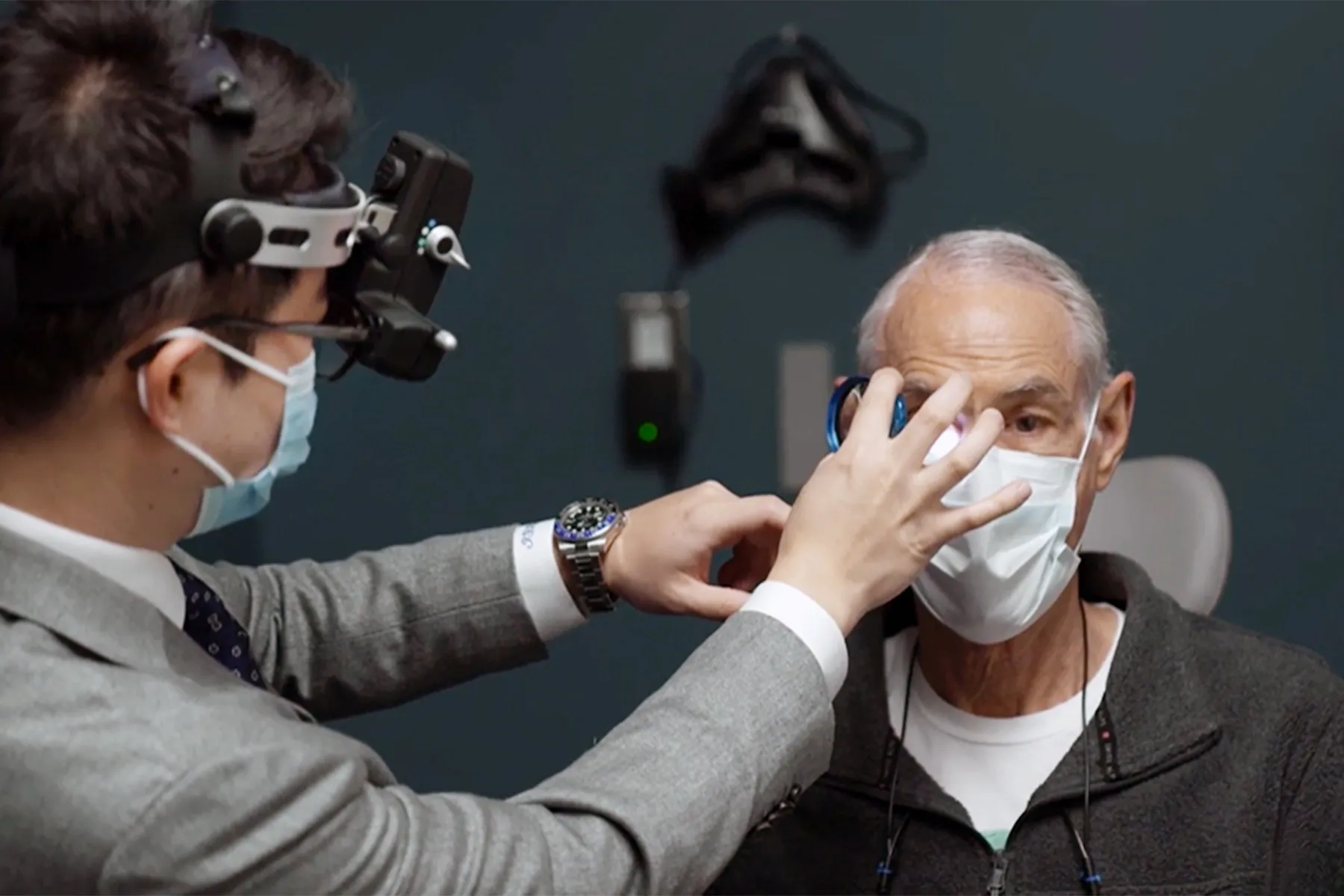
For decades, geographic atrophy sounded like one of those medical phrases designed to make patients nod politely while secretly Googling in the parking lot. It is advanced dry age-related macular degeneration, and for a long time, the treatment conversation was frustratingly short: monitor it, protect the remaining vision, use good lighting, consider supplements when appropriate, and come back regularly. Helpful? Yes. A cure? Not exactly.
Then came a milestone: the first FDA-approved drug to treat geographic atrophy secondary to age-related macular degeneration. That drug is Syfovre, the brand name for pegcetacoplan injection. Approved in 2023, it did not promise to restore lost sight, magically rebuild damaged retinal tissue, or let anyone toss their reading lamp into retirement. What it did offer was still enormous: a way to slow the growth of geographic atrophy lesions in some patients.
In the world of retinal disease, “slowing things down” can be a big deal. When the condition threatens central visionthe vision used for reading, recognizing faces, driving, cooking, and confidently identifying whether that blur on the floor is a sock or the family catbuying time matters.
What Is Geographic Atrophy?
Geographic atrophy, often shortened to GA, is an advanced form of dry age-related macular degeneration, or dry AMD. It affects the macula, the central part of the retina responsible for sharp, detailed vision. As retinal cells and supporting tissue gradually die, patches of damage form. These patches can look like map-like areas on retinal imaging, which explains the word “geographic.” Sadly, the “atrophy” part means tissue loss, not a vacation destination.
GA usually develops slowly, but its impact can be life-changing. People may notice blurry or dark spots in central vision, trouble reading, difficulty seeing in low light, slower adjustment between bright and dim spaces, or problems recognizing faces. Peripheral vision often remains, which means many people are not totally blind, but losing central vision can still make daily life feel like trying to read a recipe through a fogged-up shower door.
Why the First Drug Was Such a Breakthrough
Before Syfovre, there was no FDA-approved medication specifically for geographic atrophy caused by AMD. Eye doctors could diagnose and monitor the condition, recommend lifestyle changes, refer patients to low-vision rehabilitation, and discuss AREDS2 supplements when appropriate. Those steps remain important, but they did not directly target GA lesion growth with an approved drug.
Syfovre changed that conversation. Its approval marked the first time patients and retina specialists had a treatment option aimed at slowing the progression of GA itself. It moved geographic atrophy from the “watch carefully and adapt” category into a new era of active treatment discussions.
Meet Syfovre: The First FDA-Approved Geographic Atrophy Drug
Syfovre is an injectable eye medication. Its generic name is pegcetacoplan. It is given by intravitreal injection, which means a qualified eye specialist injects the medication into the vitreous cavity of the eye. That may sound like a scene from a sci-fi movie, but intravitreal injections are a common part of retina care, especially for diseases such as wet AMD and diabetic eye disease.
The FDA-approved use of Syfovre is for geographic atrophy secondary to age-related macular degeneration. The recommended dose is given into each affected eye once every 25 to 60 days, depending on the treatment plan chosen by the retina specialist and patient.
How Syfovre Works
Syfovre belongs to a class of medicines called complement inhibitors. The complement system is part of the immune system. Under normal circumstances, it helps the body identify and respond to threats. But in AMD, researchers believe overactivity in this inflammatory pathway may contribute to retinal damage.
Syfovre targets complement protein C3. In simple terms, it tries to calm part of the immune process that may be helping drive retinal cell damage. Think of it as asking the immune system to stop leaning on the doorbell. The goal is not to shut down the body’s defenses everywhere, but to reduce harmful activity in the eye that may contribute to GA progression.
What Syfovre Canand CannotDo
This is where expectations matter. Syfovre is not a cure for geographic atrophy. It does not restore retinal cells that have already been lost. It does not reverse blind spots or bring back vision that GA has already taken. The realistic goal is to slow the enlargement of GA lesions, which may help preserve remaining vision for longer.
Clinical trials showed that pegcetacoplan slowed GA lesion growth compared with sham treatment, with effects that appeared to increase over time. That is meaningful, but it is not the same as improving vision overnight. Patients should not expect to walk into the clinic with blurry central vision and walk out reading the smallest line on the eye chart like a superhero.
The best way to describe Syfovre is this: it is a disease-slowing treatment, not a vision-restoring treatment. For many patients, that difference is the heart of the decision.
What Treatment Looks Like in Real Life
A typical treatment journey begins with a comprehensive retina exam. The specialist may use imaging tools such as optical coherence tomography, fundus autofluorescence, and retinal photography to evaluate the size and location of GA lesions. These images help determine whether treatment might be useful and how quickly the disease appears to be progressing.
If Syfovre is chosen, the injection is performed in the office using sterile technique. The eye is numbed first. The actual injection is usually quick, although the anticipation can feel longer than a Monday morning meeting. Afterward, the patient may notice mild irritation, a small red spot on the white of the eye, floaters, or temporary discomfort. The care team will explain warning signs that require urgent attention, such as worsening pain, increasing redness, sudden vision loss, or new flashes and floaters.
Safety Considerations Patients Should Know
Like all eye injections, Syfovre has risks. The prescribing information lists warnings including endophthalmitis, retinal detachment, retinal vasculitis or retinal vascular occlusion, neovascular AMD, intraocular inflammation, and increased eye pressure. Common adverse reactions include ocular discomfort, new or worsening neovascular AMD, vitreous floaters, and conjunctival hemorrhage.
That does not mean every patient will have a serious complication. Most people receiving intravitreal injections do not experience severe events. But the risks are serious enough that treatment should be individualized, monitored carefully, and discussed honestly. A good retina specialist will not simply say, “Here is the needle; see you next month.” They will weigh lesion location, disease speed, vision in both eyes, medical history, patient goals, treatment burden, and risk tolerance.
Who May Be a Candidate?
Potential candidates are people diagnosed with GA secondary to AMD. But not everyone with GA will automatically choose treatment. A patient with fast-growing lesions near the fovea may view treatment differently from someone with slow progression, other major eye conditions, or limited ability to attend regular appointments.
Important questions include: How close is the atrophy to the center of vision? Is one eye more affected than the other? How quickly has the lesion grown? Does the patient already receive injections for wet AMD? Can the patient keep up with regular visits? Does the potential benefit justify the risks and inconvenience?
There is no one-size-fits-all answer. In geographic atrophy care, personalized decision-making is not a luxury; it is the whole game.
The Second Drug: Izervay and the New Treatment Era
Syfovre was the first, but it did not remain alone for long. Later in 2023, the FDA approved Izervay, the brand name for avacincaptad pegol, another complement inhibitor for GA secondary to AMD. Izervay targets complement protein C5 and is given as a monthly intravitreal injection.
The arrival of a second drug matters because it gives retina specialists more options. Syfovre and Izervay are not identical, and their dosing schedules, mechanisms, trial data, and safety profiles may influence treatment choice. For patients, the key message is encouraging: GA treatment is no longer a blank shelf.
How Geographic Atrophy Is Managed Beyond Injections
Medication is only one part of GA care. Even with injections, patients still need regular monitoring, vision support, and lifestyle strategies. Eye doctors may recommend AREDS2 supplements for appropriate patients with AMD, but patients should ask before starting them, especially if they take other medications or have health conditions.
Low-vision rehabilitation can also be extremely helpful. This may include magnifiers, brighter task lighting, high-contrast reading materials, electronic readers, screen magnification, voice assistants, large-print labels, and occupational therapy strategies. These tools may not sound glamorous, but neither does a flashlight until the power goes out. Then suddenly it is the MVP.
Patients should also avoid smoking, manage blood pressure and cardiovascular risk factors, eat a nutrient-rich diet, protect eyes from excessive sunlight, and keep scheduled eye exams. These steps cannot erase GA, but they support overall eye health and help catch changes early.
Why Early Diagnosis Still Matters
Because Syfovre and Izervay slow progression rather than reverse damage, timing matters. The earlier GA is identified and monitored, the better the chance of discussing treatment before central vision is severely affected. Regular eye exams are especially important for adults over 50, people with AMD, and anyone with a family history of macular degeneration.
Symptoms such as distorted lines, difficulty reading, dark spots, or needing much brighter light should not be brushed off as “just getting older.” Aging may explain reading glasses. It should not be blamed for every visual change like an overworked intern.
Experience Notes: What Patients and Families Often Discover
The first experience many people have with geographic atrophy is not dramatic. It is subtle. A grandmother notices that the crossword puzzle looks faded. A retired teacher realizes she can read large headlines but struggles with the smaller print underneath. A golfer can see the fairway but not the scorecard. These small frustrations often appear before the diagnosis feels real.
After hearing about Syfovre, patients may feel two emotions at the same time: hope and disappointment. Hope, because there is finally a drug designed to slow GA. Disappointment, because it does not restore lost sight. That emotional mix is completely understandable. A treatment that slows disease can be valuable, but patients naturally want the simpler headline: “Your vision comes back.” Medicine, being medicine, often prefers the more complicated headline.
Some patients describe the injection schedule as the hardest part. They may already see multiple doctors, rely on family for rides, or feel anxious about eye procedures. In practice, the injection itself is often quicker and less painful than expected, but the routine can still be tiring. The calendar fills up. Transportation matters. Waiting rooms become oddly familiar. Patients may learn which chair is most comfortable and which magazine has been there since the previous presidential administration.
Families also learn that support is not only about appointments. It is about changing the home environment. Better lighting near reading chairs, high-contrast tape on steps, large-print medication labels, simplified phone screens, and voice-controlled devices can make daily life safer and less frustrating. These changes are not admissions of defeat. They are smart adaptations, like wearing a coat when it is cold instead of arguing with the weather.
Another common experience is learning to track vision without obsessing over every blur. Doctors may recommend an Amsler grid or other monitoring tools, especially because AMD can sometimes develop a wet component that requires prompt care. The goal is awareness, not panic. A new dark spot, sudden distortion, or rapid change deserves attention. A tired-eye day after poor sleep may simply be a tired-eye day.
Patients who do best emotionally often build a care team. That team may include a retina specialist, optometrist, primary care clinician, family members, low-vision therapist, and sometimes a counselor or support group. Geographic atrophy affects more than the retina. It can affect confidence, independence, hobbies, reading, driving decisions, and social life. Treating the whole person matters.
The most practical lesson from the Syfovre era is this: hope should be realistic, not tiny. Patients can be hopeful about slowing disease, preserving function longer, gaining more tools, and seeing research move forward. At the same time, they deserve clear explanations about risks, limits, costs, visit frequency, and what success may actually look like. In GA care, success may mean keeping enough central vision to read labels longer, recognize faces longer, or enjoy favorite routines longer. That may not sound flashy, but in real life, “longer” can be precious.
Conclusion
The first drug to treat geographic atrophy, Syfovre, represents a major turning point in the management of advanced dry AMD. It does not cure GA, and it does not restore vision already lost to retinal atrophy. Still, by slowing lesion growth, it gives patients and retina specialists something they did not have before: an FDA-approved way to actively treat the progression of the disease.
The approval of Syfovre, followed by Izervay, opened a new chapter in geographic atrophy care. The best results come from realistic expectations, early diagnosis, careful monitoring, shared decision-making, and practical support for daily living. GA remains a serious condition, but the treatment landscape is no longer standing still. For patients who once heard only “watch and wait,” that shift is worth paying attention to.
Note: This article is for educational purposes only and should not replace diagnosis, treatment, or medical advice from an ophthalmologist or retina specialist.