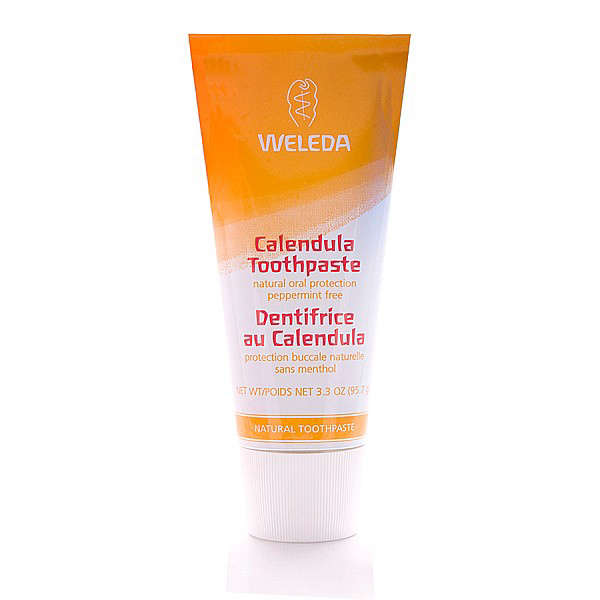
Calendula toothpaste sounds like something a cheerful garden gnome would recommend after flossing under a sunflower. But behind the sunny name is a serious oral-care idea: combining everyday brushing with calendula, a botanical ingredient traditionally used for soothing irritated skin and soft tissue. As more people look for gentler, plant-based personal care products, calendula has wandered from herbal salves and baby creams into the toothpaste aisle.
So, should calendula toothpaste earn a spot next to your toothbrush? The answer is: maybe, depending on the formula, your oral-health goals, and whether it includes proven cavity-fighting ingredients. Calendula can be a supportive ingredient for gum comfort, freshness, and a more natural brushing experience, but it should not be treated like a magic wand for cavities, gum disease, or that suspicious toothache you have been politely ignoring.
This guide explains what calendula toothpaste is, how it may support oral health, what to look for on a label, who should be cautious, and how to use it wisely without turning your bathroom sink into a botanical laboratory.
What Is Calendula Toothpaste?
Calendula toothpaste is toothpaste made with extract from Calendula officinalis, commonly called pot marigold. Despite the marigold nickname, calendula is not the same as the ornamental marigolds often planted around vegetable gardens. In personal care, calendula is valued for naturally occurring plant compounds such as flavonoids, triterpenoids, carotenoids, and other antioxidant-rich constituents.
In toothpaste, calendula is usually added as an herbal extract, infusion, or botanical blend. It may appear alongside other ingredients such as xylitol, aloe vera, chamomile, peppermint oil, hydrated silica, calcium carbonate, baking soda, or fluoride. Some calendula toothpastes are fluoride-free, while others include fluoride for enamel protection. That difference matters more than the front label’s cute flower artwork.
The main purpose of calendula in toothpaste is not to “rebuild teeth” or cure dental problems. Instead, it is commonly included to support gum comfort, provide a gentle herbal profile, and complement plaque-control habits. Think of calendula as the soothing background singer, not the lead vocalist. The toothbrush, fluoride, floss, and regular dental visits are still the main band.
Why Calendula Is Used in Oral Care
Calendula has a long history in topical herbal preparations. Modern research has explored its anti-inflammatory, antioxidant, antimicrobial, and wound-supporting properties, especially in skin and soft-tissue applications. Oral-care researchers have also studied calendula-containing mouthwashes and herbal dental products for plaque and gingival inflammation.
Some clinical research suggests calendula mouthwash may help reduce plaque and gingivitis when used as an addition to professional cleaning and daily oral hygiene. Reviews of herbal oral-care products also indicate that some plant-based rinses, gels, and dentifrices may improve plaque and gum-inflammation scores. However, the evidence is not the same as saying every calendula toothpaste works equally well. Formulation matters. Concentration matters. Brushing technique matters. And, yes, actually brushing twice a day matters more than admiring the tube.
Calendula and Gum Comfort
Gums can become irritated for many reasons: plaque buildup, aggressive brushing, hormonal changes, dry mouth, smoking, poorly fitting dental appliances, or skipping floss until the floss container looks like a decorative object. Gingivitis, the earliest stage of gum disease, often causes swollen, tender, red, or bleeding gums. Good oral hygiene can often reverse gingivitis, but persistent bleeding or pain should be evaluated by a dental professional.
Calendula toothpaste may appeal to people who want a gentler brushing experience when their gums feel sensitive. The botanical profile may help soothe the sensation of mild irritation, especially when paired with a soft-bristled toothbrush and careful brushing technique. Still, bleeding gums are not “normal,” even if they happen often. If your sink looks like a tiny crime scene after brushing, it is time to ask a dentist what is going on.
Calendula and Plaque Control
Plaque is the sticky film of bacteria that forms on teeth. If it is not removed regularly, it can contribute to cavities, tartar buildup, bad breath, gingivitis, and eventually more serious gum disease. Calendula may play a supportive role in plaque-focused formulas, especially when combined with other oral-care ingredients. But toothpaste does not remove plaque by existing in the tube. Mechanical cleaning from brushing and flossing is essential.
For plaque control, look beyond the word “calendula” and examine the whole ingredient list. A practical toothpaste should clean teeth without being overly abrasive, taste pleasant enough that you will use it consistently, and ideally include active ingredients suited to your needs, such as fluoride for cavity prevention or stannous fluoride for both cavity and gum-health support.
Calendula Toothpaste Benefits
1. It May Feel Gentle on Sensitive Gums
Many people choose calendula toothpaste because it feels less harsh than strongly flavored mint toothpastes. If regular toothpaste makes your mouth feel like it just attended a winter storm simulation, a milder herbal formula may be more comfortable. Calendula is often paired with calming botanicals, which can make brushing feel soothing rather than spicy.
2. It Can Support a Natural Oral-Care Routine
Calendula toothpaste fits well for people who prefer plant-based personal care products. Some formulas avoid artificial colors, strong foaming agents, synthetic flavors, or very intense sweeteners. For users who are sensitive to sodium lauryl sulfate, commonly called SLS, certain natural toothpastes may also offer SLS-free options. This can be useful for people who find that foamy toothpaste irritates their mouth, although individual reactions vary.
3. It May Help Freshen Breath
Calendula itself is not usually the main breath-freshening ingredient. Peppermint, spearmint, fennel, tea tree, clove, or other essential oils often do that job. But calendula can be part of a formula that leaves the mouth feeling clean and balanced. Bad breath, however, may also come from gum disease, dry mouth, tonsil stones, digestive issues, smoking, or untreated cavities. If breath odor sticks around despite good hygiene, toothpaste alone may not be enough.
4. It Encourages Better Brushing for Some People
The best toothpaste is the one you will use correctly every day. If calendula toothpaste makes brushing more pleasant, you may brush more consistently and for the full two minutes. That is not a small thing. A toothpaste can have a label full of impressive ingredients, but if it tastes like regret and sits untouched in the cabinet, it is not helping anyone.
Calendula Toothpaste vs. Regular Toothpaste
The biggest difference between calendula toothpaste and regular toothpaste is the herbal ingredient profile. Conventional toothpaste often focuses on fluoride, whitening agents, tartar control, desensitizing ingredients, and strong mint flavor. Calendula toothpaste tends to emphasize gum comfort, natural extracts, gentler flavor, and botanical positioning.
However, “natural” does not automatically mean better, safer, or more effective. A toothpaste without fluoride may feel pleasant, but it may not provide the same cavity-prevention benefit as fluoride toothpaste. Fluoride helps strengthen enamel and reduce tooth decay risk. For most adults and children old enough to use toothpaste safely, dental organizations continue to recommend fluoride toothpaste as a key part of cavity prevention.
If you are cavity-prone, have exposed roots, wear braces, snack frequently, have dry mouth, or have a history of dental work, a fluoride calendula toothpaste may be more practical than a fluoride-free option. If you prefer fluoride-free toothpaste, it is wise to discuss that choice with your dentist, especially if you have a higher risk of cavities.
How to Choose the Best Calendula Toothpaste
Check Whether It Contains Fluoride
If cavity prevention is a priority, choose a calendula toothpaste with fluoride. The American Dental Association recognizes fluoride as a key ingredient for strengthening enamel and fighting decay. Some natural brands skip fluoride to appeal to certain shoppers, but that choice may not fit everyone’s dental needs.
Look for the ADA Seal When Possible
The ADA Seal of Acceptance indicates that a toothpaste has met specific safety and effectiveness standards for its claims. Not every good toothpaste has the seal, especially smaller natural brands, but the seal is a useful shortcut for consumers who want evidence-backed assurance. For cavity protection claims, ADA-accepted toothpastes must contain fluoride.
Review the Abrasives
Toothpaste needs mild abrasives to remove plaque and surface stains. Common ingredients include hydrated silica, calcium carbonate, and baking soda. The key word is “mild.” A toothpaste that feels gritty or promises extreme stain removal may be too abrasive for daily use, especially if you already have sensitivity or gum recession.
Consider Sensitivity Ingredients
If cold drinks make your teeth send dramatic emails to your brain, look for sensitivity-supporting ingredients such as potassium nitrate, stannous fluoride, arginine, or similar dentist-recommended compounds. Calendula may feel soothing to gums, but it is not a primary desensitizing ingredient for exposed dentin.
Watch the Essential Oils
Many calendula toothpastes include essential oils for flavor and freshness. Peppermint and spearmint are common, but tea tree, clove, cinnamon, and eucalyptus may be too intense for some users. If your mouth is sensitive, choose a simple formula and avoid strong oils that leave your tongue feeling like it joined a boot camp.
Choose Xylitol Carefully
Xylitol is a sugar alcohol used in many oral-care products because it tastes sweet without feeding cavity-causing bacteria the way sugar does. It can be a helpful addition, but toothpaste should still be kept away from pets. Xylitol is especially dangerous for dogs, so do not let your toothpaste become a canine snack. Dogs do not need minty confidence.
How to Use Calendula Toothpaste Correctly
Use calendula toothpaste the same way you would use any quality toothpaste. Brush twice a day for two minutes with a soft-bristled toothbrush. Angle the bristles gently toward the gumline and use small circular motions rather than scrubbing like you are sanding an old picnic table. Spit after brushing. If your toothpaste contains fluoride, avoid rinsing aggressively with water right away so the fluoride can remain on the teeth longer.
Floss once daily or use another interdental cleaner recommended by your dentist. Toothpaste does not reach effectively between teeth, no matter how botanical, expensive, or spiritually aligned it may be. For extra gum support, your dentist may recommend an antimicrobial mouthwash, professional cleaning schedule, or treatment plan based on your specific condition.
Who Should Be Careful With Calendula Toothpaste?
Calendula is generally well tolerated by many people, but it can cause allergic reactions in some users. People allergic to plants in the Asteraceae or Compositae family, including ragweed, daisies, chrysanthemums, and marigolds, should be cautious. Signs of irritation may include burning, itching, swelling, rash around the mouth, increased gum discomfort, or mouth sores.
Pregnant or breastfeeding individuals should ask a healthcare professional before using herbal products beyond normal food-like exposure, especially if the product contains multiple botanical extracts or essential oils. Children should use toothpaste appropriate for their age and should be supervised to prevent swallowing. For young kids, the amount of toothpaste matters; more foam does not mean more protection.
Anyone with ongoing gum bleeding, loose teeth, severe tooth sensitivity, mouth ulcers, swelling, pus, or tooth pain should see a dentist rather than trying to solve the issue with a new toothpaste. Calendula toothpaste may support comfort, but it cannot fill a cavity, remove tartar, treat an abscess, or negotiate peace with an infected molar.
Common Myths About Calendula Toothpaste
Myth 1: Calendula Toothpaste Can Cure Gum Disease
No toothpaste can promise that. Gingivitis may improve with better plaque control, but periodontitis requires professional care. Calendula may be a helpful supporting ingredient, but gum disease is a bacterial and inflammatory condition that often needs dental evaluation, cleaning, and sometimes more advanced treatment.
Myth 2: Natural Toothpaste Does Not Need Fluoride
Natural ingredients and fluoride are not enemies. A toothpaste can contain calendula and fluoride in the same formula. If you are at risk for cavities, fluoride is one of the most evidence-supported ingredients available. Choosing natural oral care does not have to mean giving cavities a VIP invitation.
Myth 3: If It Burns, It Is Working
A strong burning sensation is not proof of effectiveness. It may mean the flavoring oils, foaming agents, or other ingredients are irritating your mouth. Toothpaste should leave your mouth clean, not make your gums feel like they just walked barefoot across hot pavement.
Practical Examples: Who Might Like Calendula Toothpaste?
A person with mildly sensitive gums who dislikes intense mint may enjoy calendula toothpaste because it feels calmer and more pleasant. Someone building a natural bathroom routine may appreciate a formula with calendula, xylitol, and gentle abrasives. A person with recurring cavities may still choose calendula toothpaste, but should strongly consider one with fluoride. A person with diagnosed periodontal disease may use calendula toothpaste only as part of a dentist-guided plan, not as the entire plan.
In other words, calendula toothpaste can be a smart choice when it matches your real oral-health needs. It becomes less smart when the flower on the label distracts from missing essentials.
of Real-Life Experience With Calendula Toothpaste
Using calendula toothpaste for the first time can feel pleasantly different from using a standard supermarket toothpaste. The first thing many people notice is the flavor. Instead of an icy blast that makes your eyes briefly reconsider their career, calendula formulas often taste softer, more herbal, and less aggressive. Some still contain mint, but the overall brushing experience may feel smoother and less sharp.
For someone with gums that occasionally feel tender after brushing, switching to a calendula toothpaste can make the routine feel less like a chore. The key is pairing it with a soft toothbrush. A gentle toothpaste cannot save you from a toothbrush that looks like it was designed for cleaning grout. When used with light pressure, calendula toothpaste may leave the mouth feeling clean without the tight, dry sensation that some strong formulas create.
Another practical experience is the adjustment period. If you are used to very foamy toothpaste, a natural calendula toothpaste may seem quieter. Less foam does not mean it is failing. Foam is mostly a texture preference. The real cleaning comes from the brushing motion, the toothpaste ingredients, and the time spent brushing. At first, you may be tempted to add more paste because it does not explode into bubbles. Resist the urge. A pea-sized amount is usually enough for adults.
People who drink coffee or tea may wonder whether calendula toothpaste whitens teeth. Most calendula toothpastes are not dramatic whitening products. They may help remove everyday surface film if they contain mild abrasives, but they will not transform deep stains overnight. That is actually a good thing for sensitive users. Ultra-aggressive whitening formulas can sometimes make teeth feel more sensitive, especially when overused.
The gum experience is where calendula toothpaste feels most relevant. After a week or two of consistent brushing, some users may notice their gums feel calmer, especially if they also improve flossing. But it is important to be honest: if bleeding gums improve, it may be due to better brushing and flossing overall, not calendula alone. Oral care is a team sport. Calendula may be on the roster, but plaque removal is still the captain.
One small downside is that some calendula toothpastes have earthy or floral notes that not everyone loves. If you expect candy-cane freshness, an herbal toothpaste may taste a little too “health food store at sunrise.” Trying a small tube first is a wise move. Also, check whether the product contains fluoride. Many natural toothpaste shoppers accidentally buy fluoride-free formulas without realizing it. If your dentist has warned you about cavities, that detail is not small printit is the plot twist.
Overall, the best experience with calendula toothpaste comes from realistic expectations. Use it because you want a gentler, plant-forward brushing routine that may support gum comfort. Do not use it as a substitute for dental care, flossing, fluoride when needed, or professional treatment. Calendula toothpaste can make daily oral hygiene feel more pleasant, and when brushing feels pleasant, you are more likely to do it consistently. That alone can be a surprisingly powerful win.
Conclusion
Calendula toothpaste is a thoughtful option for people who want a gentler, herbal approach to oral care. Calendula may support gum comfort and complement a plaque-control routine, especially when used with proper brushing, flossing, and regular dental visits. The smartest choice is not simply the most natural-looking tube. It is the formula that fits your mouth: fluoride if you need cavity protection, mild abrasives for daily cleaning, sensitivity ingredients if your teeth complain, and a flavor you will actually use twice a day.
For healthy teeth and gums, calendula toothpaste can be a helpful supporting character. Just do not ask it to play dentist, hygienist, fluoride, floss, and superhero all at once. Even the sunniest flower has limits.