A good fire starts long before the match. It starts with dry logs, smart storage, and a setup that does not look like your backyard lost a fight with a lumber truck. That is exactly where a steel firewood holder earns its keep. Whether you are feeding a living-room fireplace, a wood stove, a backyard fire pit, or a patio heater, the right holder keeps wood organized, better ventilated, easier to grab, and far less likely to turn into a damp, buggy mess.
Steel firewood holders have become especially popular because they hit a rare sweet spot: practical enough for everyday use, sleek enough for modern homes, and durable enough to survive bad weather without asking for a standing ovation. Some are compact indoor racks that hold a day or two of logs near the hearth. Others are large outdoor structures with raised bases and sloped covers that can manage a serious stash of split wood through the cold season.
In other words, a steel firewood holder is not just a piece of storage furniture. It is part organizer, part protection plan, and part design upgrade. In this guide, we will break down what makes a steel holder worth buying, how to choose the right one, how to store firewood properly, what mistakes to avoid, and what daily life with one actually feels like once winter shows up and starts acting dramatic.
What Is a Steel Firewood Holder, Exactly?
A steel firewood holder is a rack, stand, hoop, cradle, or sheltered frame designed to keep split firewood stacked off the ground and in easier reach. The keyword here is steel. Unlike flimsy fabric slings, untreated wood bins, or the classic “just stack it by the wall and hope for the best” strategy, steel holders are built for structure. They hold weight well, keep logs contained, and usually offer cleaner lines and more stability.
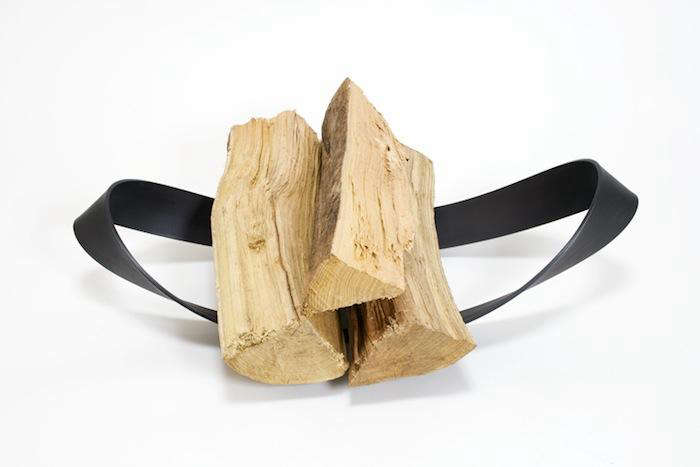
Indoor models are typically smaller and more decorative. You will see rectangular racks, curved cradles, vertical towers, and minimalist open-frame styles that sit beside a fireplace without making the room feel like a mountain cabin exploded indoors. Outdoor models lean bigger and tougher. Many include powder-coated or galvanized finishes, raised feet, anchor points, and optional covers to protect logs from rain while still allowing airflow.
That airflow matters. Firewood needs circulation to stay dry and burn efficiently. A holder that lifts wood off the ground and leaves room around the stack helps prevent trapped moisture, rot, and pests. So while a steel holder may look like a simple metal frame, it is quietly doing the important work of keeping your future fire from becoming a smoky disappointment.
Why Homeowners Love Steel Firewood Holders
1. They Are Strong Without Being Fussy
Steel handles heavy loads better than many decorative storage options. If you heat with wood regularly, that matters. Logs are dense, awkward, and not known for cooperating. A steel holder keeps the pile contained without sagging, bowing, or wobbling every time you remove a piece.
2. They Work Indoors and Outdoors
One of the biggest advantages of steel is versatility. A compact black steel rack can look right at home next to a modern fireplace, while a larger outdoor unit can sit on a deck, porch, patio, or garage wall and still look intentional. It is utility with decent manners.
3. They Help Wood Stay Drier
Dry wood burns hotter, cleaner, and with less smoke. A holder that raises wood off soil or concrete gives you a better shot at keeping your stack ready to burn. That means less wasted heat, less steam hissing out of the logs like an annoyed tea kettle, and less frustration when you are trying to light a fire on a cold evening.
4. They Clean Up the Look of a Space
Let us be honest: stacked wood can look charming, but it can also look messy fast. A steel holder creates boundaries. Instead of a random heap, you get a defined storage zone. Outdoors, that makes a yard look more organized. Indoors, it keeps the fireplace area from drifting into “rustic chaos” territory.
5. They Often Need Less Maintenance Than Wood Racks
A properly finished steel holder can stand up well to moisture, sun, and repeated use. You still need to watch for scratches and occasional rust spots, especially in wet climates, but a well-made steel rack is usually low drama. And low drama is underrated.
Indoor vs. Outdoor Steel Firewood Holders
Indoor Holders
Indoor steel holders are about convenience and appearance. They are meant for short-term storage, not for holding your whole winter supply unless your winter supply is surprisingly tiny. A good indoor rack keeps a small amount of seasoned firewood close to the fireplace while reducing clutter around the hearth.
Look for narrower profiles, stable feet, and finishes that match your room. Matte black is the classic choice, but brushed metal, mixed wood-and-steel designs, and geometric shapes have become common. Some indoor units also include hooks or shelves for kindling, gloves, or fireplace tools, which is handy when you do not enjoy playing “Where did I put the lighter?” every evening.
Outdoor Holders
Outdoor holders are the workhorses. These are designed to hold larger quantities, protect logs from ground moisture, and support seasoning over time. The best ones raise the wood, leave the sides relatively open, and sometimes add a top cover or roof. Some larger steel woodsheds can hold dozens of cubic feet of split wood, which is useful when your fireplace or stove is part of your real heating plan and not just there for holiday mood lighting.
If you plan to keep the holder fully exposed to weather, choose a model built for it. Galvanized or powder-coated steel is common for that reason. In rainy or snowy climates, a sloped top is a smart feature because standing water is not your rack’s friend.
How to Choose the Right Steel Firewood Holder
Size and Capacity
Start with how much wood you actually use. A decorative indoor rack may hold enough for an evening or two. A larger outdoor rack might hold a face-cord-sized supply, while heavy-duty units are built for much more. Buying too small means constant refilling. Buying too large means you just introduced a metal aircraft carrier onto your patio.
If you buy firewood by the cord, it helps to know the measurements. A full cord is traditionally 128 cubic feet. Many firewood holders are described by dimensions rather than cord fractions, so compare the rack’s footprint with your wood-buying habits before clicking “add to cart” with confidence you have not actually earned yet.
Finish and Weather Resistance
For outdoor use, prioritize powder-coated, painted, or galvanized steel. Those finishes help resist rust and corrosion. For indoor use, finish is usually more about looks, but durability still matters because bark, dirt, and rough log edges are not gentle.
Raised Base
A raised base is one of the most important features in any firewood holder. Logs sitting directly on the ground absorb moisture more easily and are more attractive to pests. Elevation also improves airflow underneath the stack, which helps wood dry and stay in better shape.
Cover or Open Top?
For outdoor storage, a top cover or roof can be excellent, but the sides should still breathe. The goal is to block rain from above without wrapping the wood so tightly that moisture gets trapped. Think rain jacket, not plastic cocoon.
Shape and Style
Rectangular steel racks are efficient and easy to stack. Hoop-style holders can look striking and modern. Vertical towers save floor space indoors. Multi-section racks are great if you like separating seasoned logs, kindling, and fire starters. Style matters because this item is often visible year-round, even when the fire is not.
How to Store Firewood Properly in a Steel Holder
A steel holder helps, but good storage still depends on how you use it. The best setup follows a few simple rules.
First, store split wood, not unsplit rounds. Split logs dry faster and stack more neatly. Second, keep the wood off the ground. Your holder should already do that, which is one reason it is useful. Third, allow air to move around the stack. Do not cram logs so tightly that the middle turns into a damp cave. Fourth, protect the top from direct rain and snow while leaving the sides open enough to breathe.
Fifth, keep indoor storage limited. Bringing in a small amount of firewood for short-term use is practical, but storing a giant stash inside can invite debris and insects. The smarter move is to keep the main supply outdoors in a proper holder, then bring in only what you expect to burn soon.
Finally, burn seasoned wood. Wet or green wood creates more smoke, produces less heat, and can contribute to creosote buildup. If you are serious about wood fires, a moisture meter is a tiny investment that saves a lot of guesswork and a surprising amount of muttering.
Common Mistakes to Avoid
Buying for looks only. A beautiful rack that cannot support your normal wood load is basically a sculpture with chores.
Placing the holder too close to heat. Indoor holders should not crowd the fireplace opening, stove body, or any surface that gets excessively hot. Give the setup breathing room and follow general heating safety clearances.
Storing wet wood and hoping for personal growth. Firewood does not become perfectly burn-ready just because you believed in it. It needs time, airflow, and protection.
Keeping too much wood indoors. A tidy indoor rack is useful. A giant indoor bug hotel is less charming.
Ignoring local pests and movement rules. Transporting firewood long distances can spread invasive insects. Buying or using wood close to where it will be burned is the safer move.
Design Ideas That Make a Steel Holder Look Even Better
A steel firewood holder does not have to be hidden like it is a guilty secret. It can be part of the design. Indoors, pair a black steel rack with a stone or brick fireplace for contrast. In modern spaces, choose a slim open-frame rack that feels architectural instead of rustic. In farmhouse or cabin-inspired rooms, mix steel with warm wood accents, woven baskets, and simple fireplace tools.
Outdoors, place a larger steel holder beside a patio fireplace, under a covered porch, or against a fence line where it still gets airflow. Some homeowners use a matching pair of smaller steel racks to frame an outdoor fireplace. Others prefer one oversized rectangular unit that doubles as a visual anchor in the yard. It is one of those rare practical items that can make a space look more finished instead of more cluttered.
And yes, even the humble firewood holder can look expensive with the right styling. A neatly stacked pile, a clean metal frame, and a dry path to the fire pit say, “I am prepared.” That is a strong look in any season.
Steel Firewood Holder Safety Tips
Good storage and good fire safety belong in the same conversation. Keep anything that can burn a safe distance from fireplaces, wood stoves, and other heating equipment. Use a fireplace screen where appropriate. Have chimneys and heating equipment inspected regularly. Dispose of cooled ashes in a covered metal container and keep that container away from the home and other combustible materials.
The holder itself also needs common sense placement. Outdoors, set it on a stable surface so it does not lean or sink. Indoors, choose a spot that is convenient but not in a major traffic path where someone can trip over a rogue log while carrying cocoa and confidence.
Real-World Experiences With a Steel Firewood Holder
The most noticeable difference people experience after switching to a steel firewood holder is not glamorous. It is the sudden disappearance of little annoyances. The pile stops slumping. The bark stops scattering everywhere. The logs are easier to grab. The patio looks cleaner. The fireplace corner looks intentional instead of improvised. It is one of those upgrades that feels small when you buy it and oddly satisfying every single week afterward.
Outdoors, the experience is mostly about convenience and dryness. Homeowners who move from ground stacks or tarp-covered piles to a raised steel rack often notice that the wood is easier to sort, easier to rotate, and less likely to feel soggy after bad weather. You can actually see what you have left. Older pieces can be moved to the front. Kindling does not disappear into the mystery zone at the bottom of the pile. In rainy seasons, that alone can feel like a lifestyle improvement, even if it is technically just “better log management,” which is not a phrase anyone expected to enjoy.
Indoors, the experience is more visual and daily. A compact steel holder beside the hearth gives the room a finished look, especially in colder months when fireplaces become part of the routine. Instead of bringing in armloads of wood and dropping them wherever gravity wins, you have a place for everything. It makes the room feel calmer. It also cuts down on those moments when someone asks where the driest logs are and you point vaguely toward a corner like a confused pirate.
Families who use fireplaces often appreciate the rhythm a holder creates. The main wood supply lives outside in the larger rack. A smaller amount comes indoors for the next fire or two. That routine helps keep insects, dirt, and stray bark more manageable. It also encourages people to pay attention to wood quality. Once you have a neat holder, you tend to notice which logs are truly seasoned and which ones are just pretending. That may sound silly, but firewood has a way of revealing its character at exactly the wrong time.
There is also the weather factor. Steel holders earn extra respect in ugly conditions. On windy, wet, or snowy days, a sturdy outdoor holder with a raised base and top protection can make the difference between a quick wood run and a miserable scavenger hunt. Instead of peeling back a crooked tarp and discovering a damp pile of regret, you get a stack that is accessible and reasonably protected. That is not luxury. That is winter survival with better organization.
Over time, many people end up liking the holder not just for function, but for what it changes about the whole fire-building routine. The process becomes smoother. The space looks better. The wood behaves better. And because the holder makes storage more deliberate, it often nudges people into better habits overall: rotating older wood first, bringing in only a short-term supply, checking for moisture, and keeping the area around the fireplace more orderly.
That is really the appeal of a steel firewood holder. It solves practical problems without feeling ugly or temporary. It works through the winter, still looks decent in spring, and does not need much attention beyond the occasional wipe-down and a quick check for wear. In a world full of home items that promise to change your life and mostly change your wallet, this one quietly delivers on a more modest promise: better wood storage, fewer headaches, and a nicer-looking place to enjoy the fire.
Conclusion
A steel firewood holder is one of those purchases that seems simple until you live with the benefits. It keeps wood raised, organized, and easier to access. It supports better airflow, improves the look of your space, and helps separate long-term outdoor storage from short-term indoor convenience. Choose the right size, look for weather-resistant finishes, use it with properly seasoned firewood, and place it thoughtfully. Do that, and your holder becomes more than storage. It becomes part of a cleaner, safer, smarter fire routine.
If your current setup involves a damp tarp, a collapsing wood pile, or a fireplace corner that looks like a beaver started decorating, a steel firewood holder may be the easiest upgrade you make all season.