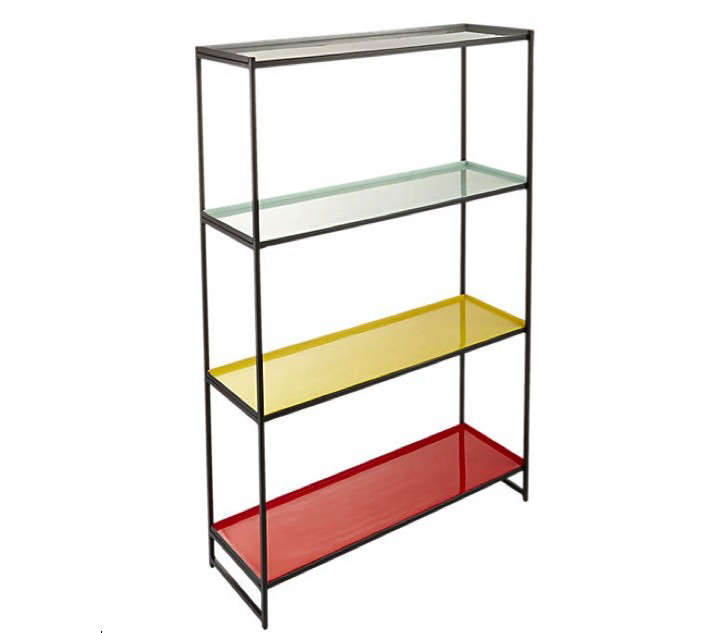
A color block bookcase is what happens when practical storage gets tired of being the quiet kid in the corner and decides to wear a great outfit. It is part furniture, part wall art, part organizational system, and part personality test. Are you a calm sage-and-cream person? A cobalt-and-coral maximalist? A “my books are sorted by vibe and nobody can stop me” person? Excellent. There is a bookcase for that.
At its simplest, a color block bookcase uses contrasting or coordinated colors in defined sections: painted shelf backs, bold cubbies, two-tone frames, rainbow-arranged books, graphic panels, or a mix of all of the above. The result is a bookshelf that does more than hold novels, office supplies, board games, ceramics, plants, family photos, and the mysterious charger no one can identify. It creates rhythm in a room, gives the eye a place to land, and turns everyday clutter into something that looks intentional.
The best part? You do not need a mansion library, a designer budget, or a dramatic ladder on wheels. A small cube shelf, a classic freestanding bookcase, a built-in wall unit, or even a basic laminate shelf can become a color block moment with the right palette, prep work, and styling strategy.
What Is a Color Block Bookcase?
A color block bookcase is a shelving unit designed or styled with bold areas of color. Instead of treating the entire bookcase as one flat finish, color blocking divides it visually. One shelf might be painted teal, another mustard, while the outer frame stays white. The inside back panels might alternate between navy and blush. A built-in bookcase might be painted the same rich green as the room’s trim, while the books and accessories create smaller blocks of color inside it.
Color blocking works because it gives structure to color. Random color can look chaotic. Controlled color looks designed. That is the difference between “creative home library” and “a craft store sneezed in here.”
Common Color Block Bookcase Styles
There are several ways to create the look. A painted-back bookcase is one of the easiest: keep the frame neutral and paint only the interior panels. A two-tone bookcase uses one color for the outside and another for the shelves or back. A cubby-style bookcase can assign a different color to each square or row. A monochrome color block bookcase uses different shades of one color, such as powder blue, slate blue, and deep navy. For renters, removable wallpaper or peel-and-stick panels can create the same graphic effect without a permanent commitment.
Then there is the book-led approach: arranging books by color. This can create a rainbow shelf, a warm-to-cool gradient, or a more mature palette of neutrals, greens, terracottas, and blacks. It is especially useful if you love the color block look but do not want to paint the furniture.
Why Color Blocking Works So Well on Bookcases
Bookcases are naturally divided into rectangles, which makes them perfect for color blocking. The structure is already there. You are simply giving each section a visual job. The shelves act like a grid, while paint, books, storage bins, and decorative pieces become the blocks.
In interior design, repeated color helps a room feel connected. If your living room has a rust-colored pillow, a navy rug, and brass lighting, a color block bookcase can echo those shades in a deliberate way. Suddenly the bookcase is not just “where the books live.” It becomes the bridge between the sofa, wall color, art, and accessories.
Color blocking also helps with visual organization. A shelf of office supplies looks less messy when it is grouped inside a painted cubby. Children’s books feel cheerful when placed on a bright yellow shelf. Cookbooks look charming in a kitchen bookcase with sage green backing. The design trick is doing two jobs at once: decorating and organizing. We love a multitasker, especially one that does not ask for coffee breaks.
Choosing the Right Color Palette
The secret to a great color block bookcase is choosing colors that feel intentional. That does not mean boring. It means the colors should have a relationship with each other and with the room.
For a Calm, Modern Look
Try soft neutrals with one muted accent: warm white, taupe, clay, sage, or dusty blue. This palette works beautifully in bedrooms, home offices, reading corners, and minimalist living rooms. The color block effect is still visible, but it whispers instead of shouting through a megaphone.
For a Bold, Playful Look
Pair energetic colors like cobalt blue, tomato red, marigold, emerald green, or bubblegum pink. This is ideal for kids’ rooms, creative studios, game rooms, or anywhere you want the bookcase to become the main attraction. If your room is mostly neutral, one high-impact bookcase can do the work of a large piece of art.
For a Sophisticated Built-In Look
Use one deep color across the frame, shelves, and wall behind it, then create smaller blocks with books and accessories. Deep green, oxblood, charcoal, navy, and aubergine can make built-ins feel custom and expensive. Add warm lighting and suddenly your room looks like it has opinions about literature and knows how to make a good old-fashioned.
For Small Spaces
Stick with light colors on the frame and use bolder shades only on the back panels or select cubbies. This keeps the furniture from feeling too heavy. White with lemon yellow, pale gray with sky blue, or natural wood with terracotta can add personality without shrinking the room visually.
How to Paint a Color Block Bookcase
Painting a bookcase is not difficult, but it does reward patience. The difference between “custom furniture” and “weekend regret” is usually prep work.
Step 1: Clean the Surface
Remove every book, basket, and decorative object. Yes, even the tiny souvenir mug you forgot about. Wipe the bookcase thoroughly to remove dust, oils, and grime. Paint sticks best to a clean surface.
Step 2: Sand Lightly
If the bookcase is wood, a light sanding helps smooth imperfections and gives primer something to grip. If it is laminate, sanding is even more important because glossy surfaces resist paint. Use a fine-grit sanding sponge and do not go wild. You are not trying to excavate ancient ruins.
Step 3: Prime Properly
Primer is the unsung hero of painted furniture. Use a primer designed for your surface, especially if you are painting laminate, dark wood, or a previously glossy finish. Primer helps prevent peeling and creates a more even color.
Step 4: Map the Color Blocks
Before opening paint cans, sketch your design. Decide which shelves, panels, or cubbies will receive each color. Painter’s tape can help create clean lines. For a subtle look, paint only the back panels. For a dramatic look, paint alternating cubbies or shelf interiors.
Step 5: Paint in Thin Coats
Two or three thin coats usually look better than one thick coat. Thick paint can drip, pool in corners, and make shelves feel sticky. Let each coat dry according to the paint instructions before adding the next.
Step 6: Let It Cure
Paint may feel dry before it is fully cured. Give it time before loading heavy books back onto the shelves. If you rush this part, you may end up with books that leave marks behind. Nobody wants their favorite novel permanently autographed by semi-dry paint.
Styling a Color Block Bookcase Without Making It Look Busy
A color block bookcase already has visual energy, so styling matters. The goal is balance: enough personality to feel alive, enough breathing room to avoid visual traffic jams.
Mix Vertical and Horizontal Books
Rows of upright books are practical, but too many can look rigid. Add a few horizontal stacks to break up the lines. Use a stack as a base for a small bowl, candle, framed photo, or sculptural object.
Use Repetition
Repeat a color, texture, or material across the shelves. For example, if one cubby is painted terracotta, add a small terracotta pot two shelves away. If you use brass bookends, repeat brass with a picture frame or lamp. Repetition makes the whole display feel connected.
Leave Negative Space
Not every inch needs to be filled. Empty space is not wasted space; it is the visual pause that lets the pretty things be pretty. Think of it as the silence between songs, except your bookcase is the playlist.
Group Small Items
Tiny objects can look scattered unless grouped together. Use trays, boxes, or small baskets to contain them. This is especially helpful for keys, chargers, craft supplies, remotes, and other household gremlins.
Add Texture
Color blocking can look flat if everything is smooth and glossy. Add woven baskets, ceramic vases, linen boxes, wood bowls, plants, framed art, or metal accents. Texture gives the bookcase warmth and makes it feel lived-in rather than staged.
Best Rooms for a Color Block Bookcase
A color block bookcase can work almost anywhere. The trick is matching the palette and function to the room.
Living Room
In a living room, a color block bookcase can anchor the seating area. Use it to display books, art, plants, family photos, storage boxes, and a few conversation pieces. Choose colors that echo the rug, pillows, curtains, or wall art.
Home Office
For a home office, color can support mood and productivity. Blue and green feel focused and steady. Yellow adds energy. Warm neutrals feel calm. Use closed boxes or magazine holders to hide paperwork because nothing ruins a stylish shelf faster than a leaning tower of tax documents.
Kids’ Room
A color block bookcase is perfect for children’s books, toys, art supplies, and school materials. Bright cubbies can help kids remember where items belong. Blue shelf for books, red shelf for blocks, green shelf for art supplies. Organization disguised as fun is still organization, and parents deserve every legal advantage.
Kitchen or Dining Area
A slim bookcase can hold cookbooks, serving bowls, linens, barware, or coffee supplies. Paint the back in a color that complements your cabinets or tile. A sage, navy, or clay color block bookcase can make open kitchen storage feel charming instead of accidental.
Entryway
In an entryway, a compact bookcase can become a drop zone for shoes, bags, keys, mail, and seasonal accessories. Use darker colors near the bottom to disguise scuffs and lighter colors higher up to keep the space open.
Buying a Color Block Bookcase vs. DIY
If you want instant gratification, buying a finished color block bookcase is the easiest route. Look for sturdy construction, adjustable shelves, a finish that suits your room, and dimensions that fit your wall. Measure carefully, including baseboards and outlets. Furniture has a magical way of looking smaller in the store and enormous once it enters your apartment.
DIY is better if you want a specific palette or already own a bookcase that needs a second life. A basic white shelf, a thrifted wooden unit, or an affordable flat-pack bookcase can become a custom piece with paint, peel-and-stick wallpaper, trim, new legs, or upgraded hardware.
DIY also gives you more control over the level of boldness. You can start small by painting only one or two shelf backs. If you love it, add more color later. If you hate it, repainting a panel is much easier than repainting an entire room while questioning every decision you have made since breakfast.
Color Block Bookcase Ideas to Try
1. The Neutral Frame with Surprise Color
Paint the exterior white, cream, or light gray, then use a bold shade inside the shelves. This keeps the piece versatile while adding personality.
2. The Gradient Bookcase
Choose one color family and move from light to dark from top to bottom. Pale pink to rose to burgundy, or misty blue to denim to navy, creates a polished ombré effect.
3. The Checkerboard Cubbies
Alternate two colors across cubbies for a graphic look. This works best with cube shelves and simple styling so the pattern remains clear.
4. The Rainbow Reader
Arrange books by spine color, then add neutral accessories to calm the display. Rainbow shelves are cheerful, but they look more grown-up when there is space between color groups.
5. The Built-In Statement Wall
Paint built-ins and the wall behind them the same rich color, then use books and art to create smaller color blocks. This approach feels architectural and high-end.
6. The Rental-Friendly Version
Use removable wallpaper, fabric-covered foam board, or peel-and-stick panels on the back of shelves. You get the visual punch without upsetting your landlord, which is always a noble goal.
Common Mistakes to Avoid
The first mistake is using too many unrelated colors. A color block bookcase should look bold, not confused. Limit the palette to two to five colors unless you are intentionally creating a rainbow effect.
The second mistake is ignoring the room. A beautiful bookcase can still feel out of place if none of its colors appear anywhere else nearby. Repeat at least one shade in pillows, artwork, rugs, curtains, or accessories.
The third mistake is overfilling every shelf. When the background is colorful, clutter becomes louder. Give objects space. Let the painted sections show.
The fourth mistake is skipping primer. This is especially dangerous on laminate furniture. Paint peeling off a shelf is not “distressed.” It is just sad.
The fifth mistake is styling only with books of the same height. Mix sizes, orientations, objects, art, and plants. A good bookcase has movement, like a city skyline made of stories and ceramic bowls.
Maintenance and Care
Dust regularly with a soft cloth or microfiber duster. For painted shelves, avoid harsh cleaners that can dull the finish. Use felt pads under heavy decorative objects if you move them often. If the bookcase holds plants, place saucers under pots to prevent water rings. Books and moisture have never been best friends.
For high-use shelves, consider a durable finish such as satin or semi-gloss paint. Matte finishes look elegant but may show fingerprints and scuffs more easily. In a kids’ room, playroom, or entryway, durability matters. Beauty is wonderful, but wipeability is poetry.
Personal Experiences With a Color Block Bookcase
The first time I helped style a color block bookcase, the original piece was not glamorous. It was a plain white bookcase with adjustable shelves, a few scratches, and the emotional presence of office furniture from a waiting room. The owner wanted it in a small apartment living room, where it needed to hold books, board games, files, candles, plants, and a collection of coffee mugs that had somehow become “decor.” The challenge was simple: make storage look intentional without buying a brand-new piece.
We started with the room’s existing colors. There was a rust throw pillow, a navy framed print, a cream sofa, and a small green plant that was heroically surviving despite inconsistent watering. Instead of inventing a new palette, we pulled from what was already there. The outside of the bookcase stayed warm white. The back panels were painted in three blocks: muted navy on the lower left, soft terracotta in the center, and olive green near the top. It was not loud, but it immediately looked designed.
The biggest lesson was that color blocking can actually reduce the feeling of clutter. Before painting, every object seemed separate. Afterward, each shelf had a zone. Board games went in the navy area, which made their colorful boxes feel grounded. Cookbooks and a small ceramic pitcher went against terracotta, which warmed everything up. Plants and framed photos sat near the olive section, creating a relaxed, natural corner. The same items were there, but suddenly they had manners.
Another experience came from a child’s bedroom, where a cube bookcase had become a daily landslide of toys, books, socks, and tiny plastic animals with sharp little feet. Instead of fighting the chaos with labels alone, each row became a color category. The top row was pale blue for bedtime books and plush toys. The middle row was yellow for art supplies and puzzles. The bottom row was green for blocks and larger toys. We added fabric bins in matching tones. The child did not magically become a professional organizerlet us remain realisticbut cleanup became easier because the colors acted as visual instructions.
For adults, the best color block bookcases tend to be the ones that leave room for change. One client loved the rainbow book trend but worried it would feel too playful in a formal living room. The solution was a softened rainbow: burgundy, rust, ochre, moss, navy, and charcoal, with books grouped loosely by tone rather than strict color order. We mixed in black frames, brass objects, and a few cream ceramics. The shelf still had personality, but it did not look like a classroom bulletin board had taken over the house.
My favorite practical tip from these projects is to style the bookcase in rounds. First, place the books. Second, add storage boxes and baskets. Third, add art and taller objects. Fourth, add small accents. Then walk away. Seriously. Leave the room, drink water, answer a message, question your snack choices, and come back with fresh eyes. You will almost always remove one or two things. A color block bookcase looks best when it has confidence, not when it is trying to display every object you have ever owned.
In real homes, color block bookcases work because they are forgiving. They can be bold or quiet, expensive or budget-friendly, permanent or renter-safe. They help old furniture feel new, small spaces feel organized, and ordinary shelves feel personal. Most importantly, they make your home look like someone interesting lives therewhich, conveniently, is true.
Conclusion
A color block bookcase is one of the smartest ways to combine storage, style, and personality. It can refresh a tired shelf, add architecture to a blank wall, organize a busy room, or turn a collection of books and objects into a design feature. Whether you paint the back panels, arrange books by color, use removable wallpaper, or go all-in with a bold built-in, the key is balance. Choose a thoughtful palette, repeat colors throughout the room, leave breathing space, and let the bookcase support the way you actually live.
Done well, a color block bookcase does not just store your books. It tells a story about your taste, your habits, your hobbies, and possibly your inability to leave a bookstore empty-handed. And honestly, there are worse problems to have.