The trapezius muscle is one of those body parts people mention constantly but rarely introduce properly. It is the celebrity cameo of the upper back: always present, often blamed, and usually tight after a long day of typing, lifting, driving, texting, or existing in modern civilization. If you have ever rubbed the top of your shoulders and said, “Wow, that feels like a bag of angry rocks,” there is a good chance your trapezius was part of the drama.
But the trapezius is not just a stress sponge. It is a large, highly important muscle that helps stabilize your shoulders, support your posture, move your neck, and make overhead arm motion possible. In other words, it is doing a lot of quiet work while the flashier muscles collect all the gym attention. This article breaks down the trapezius muscle origin, function, and area in plain English, with enough anatomy to be useful and not so much that it feels like you accidentally enrolled in medical school.
What Is the Trapezius Muscle?
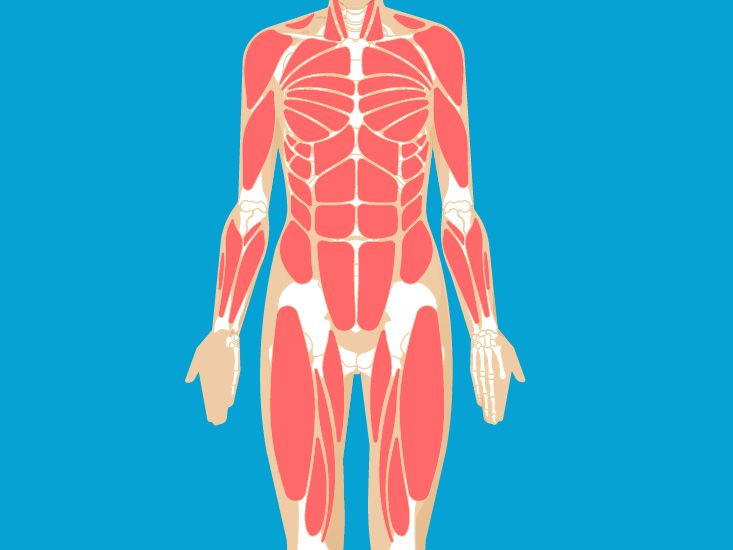
The trapezius is a broad, superficial muscle that covers much of the back of the neck and upper thoracic region. You actually have two trapezius muscles, one on each side, and together they form a kite-like or trapezoid shape across the upper back. That shape is exactly where the name comes from. Medicine is not always poetic, but sometimes it keeps things refreshingly obvious.
Because the trapezius is so large, it is usually divided into three functional parts: upper fibers, middle fibers, and lower fibers. These sections have slightly different jobs, but they work as a team. Think of them as the same department, just with different responsibilities. Upper fibers help with elevation and neck motion, middle fibers help with retraction, and lower fibers help with depression and upward rotation of the shoulder blade.
The trapezius belongs to the superficial group of back muscles. It sits closer to the surface than many deeper stabilizing muscles, which is why it is easy to feel and easy to complain about.
Trapezius Muscle Origin, Insertion, and Area
Origin of the Trapezius Muscle
When anatomy books talk about a muscle’s origin, they mean the more fixed attachment point. For the trapezius, that origin is broad. The muscle begins from the back of the skull and continues down the midline of the neck and upper back. More specifically, the trapezius originates from the medial part of the superior nuchal line, the external occipital protuberance, the ligamentum nuchae, and the spinous processes from about C7 through T12.
That sounds like a lot, because it is. The trapezius does not start from one tiny spot like a minimalist muscle with no ambition. It starts from a wide anchor zone that gives it the leverage needed to influence both neck position and shoulder blade movement.
Insertion of the Trapezius Muscle
The insertion is where the trapezius reaches out toward the shoulder girdle. Its fibers attach to the lateral third of the clavicle, the acromion, and the spine of the scapula. In simpler language, the trapezius connects the midline of your body to the collarbone and shoulder blade.
This is a big deal because the scapula is the staging platform for shoulder movement. If the shoulder blade is unstable, awkward arm motion usually follows. The trapezius helps keep that platform steady so the arm can move efficiently.
The Trapezius Muscle Area
The trapezius area includes the back of the neck, the top of the shoulders, the region between the neck and shoulder blades, and part of the upper to mid-back. The upper trapezius occupies the area most people rub when they are stressed. The middle trapezius stretches across the upper back toward the scapula. The lower trapezius extends downward toward the mid-back and helps anchor the whole system.
So when someone says they have pain “in the trapezius area,” they may mean the top of the shoulder, the base of the neck, the space between the shoulder blade and spine, or even a wider patch across the upper back. It is not a tiny neighborhood. It is basically the metro area of upper-back anatomy.
Function of the Trapezius Muscle
The trapezius muscle has several important functions, and its different fibers contribute in different ways. This is why the muscle matters so much in posture, movement, sports, lifting, and ordinary life.
Upper Trapezius Function
The upper trapezius helps elevate the scapula, which is the motion behind a shoulder shrug. It also assists with extending the neck, tilting the head, and helping the shoulder blade rotate upward during arm elevation. If you raise your arm overhead to grab a suitcase, serve a tennis ball, or put a cereal box on the top shelf where it somehow migrated overnight, your upper trapezius is involved.
This part of the muscle is also heavily involved in postural control. If your head drifts forward all day while you stare at a screen, the upper trapezius often works overtime trying to manage the load.
Middle Trapezius Function
The middle trapezius retracts the scapula, which means it pulls the shoulder blades back toward the spine. This action matters for posture and shoulder mechanics. Good retraction helps open the chest, support the upper back, and create better shoulder positioning during rowing, pulling, and lifting movements.
If the middle trapezius is underperforming, the shoulders may round forward more easily. That does not mean your body is broken forever. It just means the shoulder blade team meeting needs better attendance.
Lower Trapezius Function
The lower trapezius helps depress the scapula and contributes to upward rotation and stabilization of the shoulder blade. It plays a quiet but crucial role in healthy overhead motion. When you lift your arm, your humerus and scapula must coordinate smoothly. The lower trapezius helps keep that movement efficient rather than awkward, pinchy, or full of sound effects nobody asked for.
In many people, the lower trapezius is relatively weak compared with the upper trapezius. That imbalance can contribute to poor shoulder mechanics, especially in athletes, lifters, swimmers, and desk workers who alternate between slouching and heroic attempts at perfect posture.
Why the Trapezius Matters for Posture
The trapezius is often described as a postural muscle, and that description fits. It helps hold the head and shoulders in alignment, supports the upper spine, and works continuously during standing, sitting, carrying, and walking. Even when you are not doing anything dramatic, the trapezius is still on the clock.
This is why long hours at a desk, poor workstation setup, heavy backpacks, repetitive lifting, or side-sleeping with poor pillow support can all make the trapezius feel irritated. The issue is not always one sudden injury. Sometimes it is the slow accumulation of low-grade stress, like getting 400 tiny emails from gravity every day.
Innervation and Support System
The trapezius is primarily supplied by the spinal accessory nerve, also known as cranial nerve XI, with additional contribution from cervical nerves. That nerve supply matters because if the spinal accessory nerve is irritated or injured, the trapezius may weaken, the shoulder blade may sit abnormally, and shoulder motion can become difficult or painful.
The trapezius also works closely with surrounding muscles, including the levator scapulae, rhomboids, serratus anterior, and deltoid. Shoulder function is never a solo act. It is more like a band, and when one instrument goes out of tune, the whole performance gets weird.
Common Problems in the Trapezius Area
Trapezius Strain
A trapezius strain can happen after sudden overload, awkward lifting, poor sleeping position, repetitive overhead motion, contact injury, or a neck movement that goes too far too fast. Some people feel a sharp pull. Others notice gradual soreness, stiffness, or tenderness that builds through the day.
Mild strain may feel like tightness or a dull ache. More significant irritation may make turning the head uncomfortable or cause the upper back and shoulder to feel tender and tired.
Trigger Points and Muscle Knots
The trapezius is famous for trigger points, those tender knots that feel like your muscle secretly swallowed marbles. Trigger points may develop from overuse, stress, poor posture, lack of movement, or underlying shoulder and neck issues. They can also create referred pain, meaning the sore spot is not always the only place that hurts.
This is one reason trapezius discomfort can feel confusing. The pain may sit near the top of the shoulder, spread toward the neck, radiate across the shoulder blade area, or create a broad achy zone that makes you wonder whether you need a massage, a new chair, or a new life plan.
Referred Pain From the Neck or Shoulder
Not every ache in the trapezius area starts in the trapezius itself. Problems in the cervical spine, shoulder joint, or surrounding soft tissues can refer pain into this region. Neck arthritis, cervical radiculopathy, and shoulder overuse conditions may all create pain around the trapezius area.
That is why symptoms like numbness, tingling, noticeable weakness, pain radiating down the arm, or loss of coordination deserve more attention. A sore muscle and an irritated nerve are not the same thing, even if they both know how to ruin your afternoon.
Accessory Nerve Injury
In less common cases, spinal accessory nerve injury can affect the trapezius. This may happen after trauma or certain procedures in the neck. When that occurs, people may develop shoulder pain, weakness, visible asymmetry, or difficulty lifting the arm normally. The muscle may even start to shrink from disuse if the nerve problem is significant.
How to Keep the Trapezius Muscle Healthy
Healthy trapezius function usually depends on a combination of mobility, strength, alignment, and common sense. That last one is underrated.
First, vary your posture instead of chasing one perfect pose all day. The best posture is often the next posture. Second, adjust your desk, screen, chair, and pillow so your neck and shoulders are not constantly fighting bad angles. Third, build strength through the upper back and shoulder blade stabilizers, not just the front of the body. And fourth, take repetitive overhead loading seriously. Reaching overhead a few times is life. Repeating it hundreds of times with poor mechanics is an invitation.
Exercises that encourage scapular control, gentle retraction, lower trapezius activation, and balanced shoulder strength often help. So do walking breaks, stretching, smart lifting technique, and not trying to carry six grocery bags in one trip just because it feels efficient. That is not efficiency. That is a future complaint.
When Trapezius Pain Should Not Be Ignored
Temporary tightness after exercise, work, or an awkward sleep position is common. But persistent pain in the trapezius area deserves attention if it lasts, worsens, or comes with neurologic symptoms. Seek medical care if pain is severe, follows trauma, limits arm motion, or is paired with numbness, tingling, weakness, visible shoulder droop, or symptoms spreading down the arm.
In short, if your trapezius is merely grumpy, that is one thing. If it is sending a formal written complaint through your nerves, get it checked.
Real-World Experiences Related to the Trapezius Muscle
People usually do not become curious about trapezius anatomy during a peaceful, symptom-free afternoon. They become curious when the area starts talking back. And the trapezius has many ways to make itself known.
For office workers, the experience often begins as a quiet heaviness at the base of the neck. By midday, the shoulders creep upward like they are auditioning to become earrings. By evening, the top of the shoulder feels tight, warm, and strangely offended by the existence of a laptop. Many people describe this as “stress in my shoulders,” and while stress can absolutely add muscle tension, the day-to-day mechanics matter too. Hours of forward head posture, little movement, and a keyboard that lives just a bit too high can turn the upper trapezius into the hardest-working employee in the building.
Gym-goers have a different story. Some people feel their trapezius constantly dominate upper-body training. They row, pull, and lift, yet their neck and upper traps seem to take over every motion like an overenthusiastic backup singer who has grabbed the lead microphone. This often happens when the body defaults to shrugging instead of coordinating the shoulder blade well. In that experience, the trapezius is not weak exactly; it is sometimes just doing more than its fair share while lower stabilizers take a suspiciously long coffee break.
Athletes who swim, throw, climb, or play racket sports often notice trapezius symptoms after repetitive overhead movement. The feeling may not be one dramatic injury. It may be fatigue, burning, tightness, or a sense that the shoulder blade no longer glides smoothly. Some describe a pulling feeling along the top of the shoulder into the neck. Others notice that sleeping on one side suddenly becomes annoying, which is the body’s way of filing a customer service ticket.
Parents and caregivers frequently know the trapezius in a very practical way. Carrying a child on one hip, hauling bags, lifting strollers, or holding awkward loads creates uneven stress through the neck and shoulder region. The trapezius area may feel sore not because of one bad decision, but because of 200 tiny decisions made while trying to get through the day.
Then there is the sleep-related trapezius experience, a classic. You go to bed as a healthy citizen and wake up feeling like your neck and shoulder had a disagreement overnight. The trapezius may be stiff, tender, and offended by head rotation. Usually this improves, but it is a good reminder that the muscle responds not just to workouts and injuries, but also to pillows, positioning, and recovery habits.
What many people find reassuring is that understanding the trapezius often makes the symptoms feel less mysterious. Once you realize this muscle spans the neck, shoulder, and upper back while helping control posture and shoulder blade motion, the puzzle pieces start to fit. The ache after desk work, the soreness after lifting, the stiffness after stress, and the discomfort during overhead activity no longer seem random. They seem logical. Annoying, yes. Personal betrayal, maybe. But logical.
And that is often the first real win. When you understand what the trapezius does, you are in a much better position to train it, rest it, protect it, and stop blaming it for crimes committed by your chair, your pillow, your technique, or your habit of carrying everything at once like a determined pack mule.
Conclusion
The trapezius muscle is far more than a patch of upper-back soreness. It is a large, powerful, highly coordinated muscle with broad origins, strategic insertions, and several essential jobs. It supports posture, guides neck motion, stabilizes the shoulder blade, and helps make overhead arm movement possible. When it works well, you barely notice it. When it is overloaded, irritated, or poorly coordinated, you absolutely do.
Understanding the trapezius muscle origin, function, and area can help you make better sense of neck and shoulder symptoms, improve training decisions, and appreciate how much this muscle contributes to everyday movement. In the hierarchy of muscles that deserve more respect, the trapezius is near the top. Quite literally.