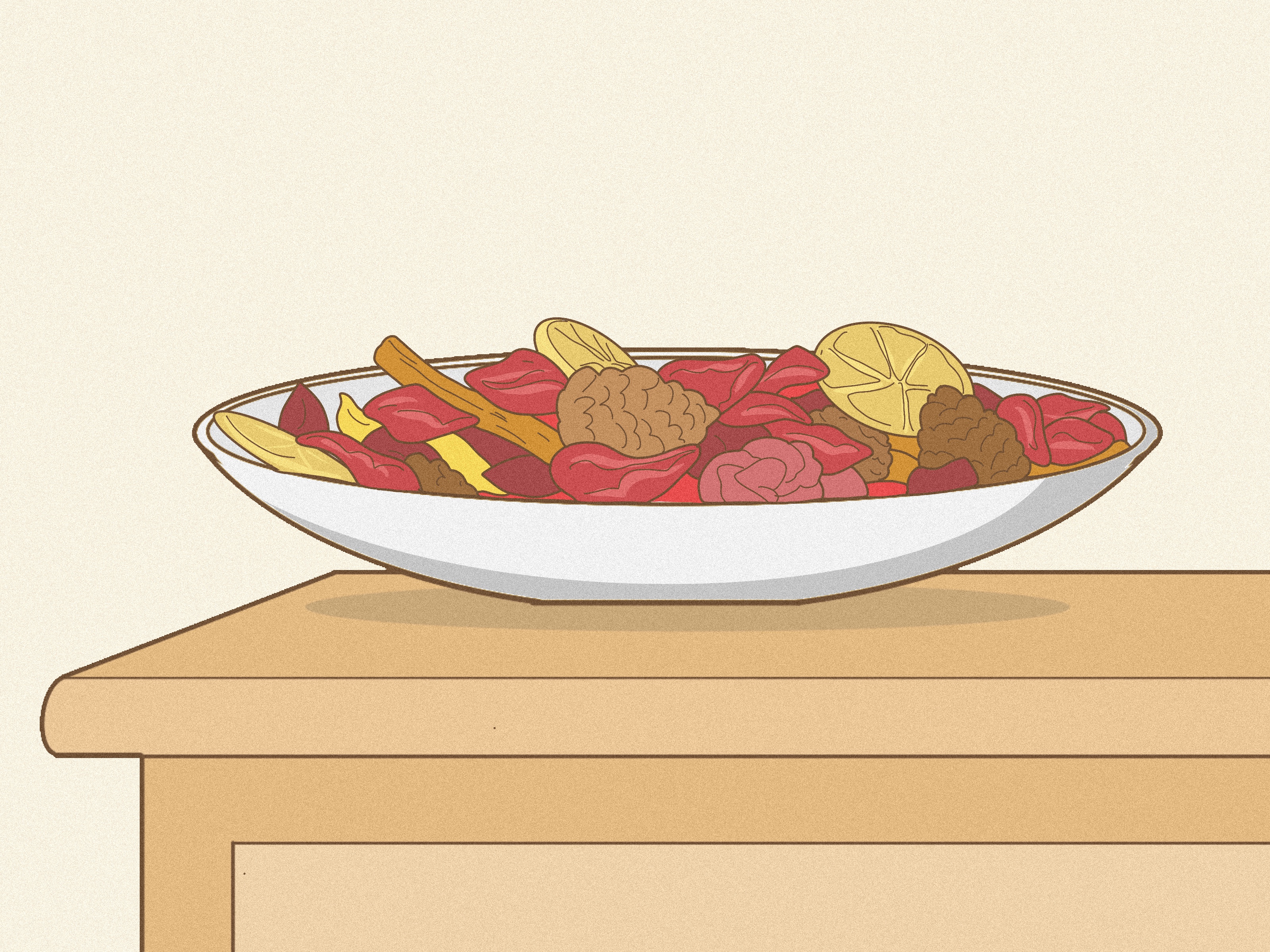
If your home has ever smelled like “wet dog meets last night’s fish tacos,” you’re not alone. The good news:
you don’t need chemical fog machines (a.k.a. air freshener bombs) to fix it. The best natural approach is
simple: remove the odor source, refresh the air, then add a gentle, real-world scent
(think citrus, herbs, clean laundry not “Tropical Thunderstorm Cupcake”).
Below are 27 expert-backed, practical tips to make your house smell good naturallywithout masking funk or
turning your living room into a perfume aisle. Pick a few that match your problem areas and stack them for
a “why does your house always smell nice?” level-up.
The Natural Scent Formula: Remove → Refresh → Add
- Remove: Identify what’s producing the smell (food residue, moisture, fabric funk, trash, pets, drains).
- Refresh: Increase clean airflow and control humidity so odors don’t linger or multiply.
- Add: Use natural, low-key scent boosters (simmer pots, citrus peels, fresh herbs, clean fabrics).
Air & Moisture Fundamentals (Tips 1–5)
-
Do a daily “fresh-air reset” (even 10 minutes helps).
Open windows on opposite sides of your home to create cross-breezes. This dilutes stale indoor air and
helps sweep out lingering cooking, bathroom, and “mystery couch” odors. If outdoor air quality is poor
(smoke, heavy traffic), keep windows closed and use filtration instead. -
Use exhaust fans like you mean it.
Run kitchen and bathroom fans during and after cooking/showers long enough to clear moisture and odors.
Moist air traps smells and fuels musty funkespecially in bathrooms and laundry areas. -
Upgrade filtration for odor-prone homes.
For everyday freshness, a well-fitted HVAC filter helps capture particles that carry odors (dust, dander).
For stubborn smells, consider a portable air cleaner that combines particle filtration with a carbon/odor
layer. It won’t “spray scent,” but it can reduce what makes the air feel stale. -
Control humidity before it turns into “basement perfume.”
Musty smells usually come from moisture issuescondensation, damp fabrics, slow leaks, or poor airflow.
Aim for a comfortable indoor humidity range (many experts suggest roughly 30–50% as a sweet spot).
Use a dehumidifier or AC where needed, and fix leaks fast. -
Don’t ignore “hidden moisture” warning signs.
Clues include recurring condensation on windows, damp towels that never fully dry, a closet that smells
like a rainy camping trip, or a persistent musty odor that returns after cleaning. In those cases, focus
on drying, ventilation, and moisture source controlnot just scent.
Kitchen Odors: The Usual Suspects (Tips 6–12)
-
De-stink your trash and compost at the source.
Rinse sticky containers, drain wet food scraps, and take out odor-heavy trash sooner (seafood, meat packaging).
Sprinkle baking soda in the bottom of the bin or use a small charcoal odor absorber near the can. -
Refresh the fridge with a 3-step routine.
Step 1: Toss expired food. Step 2: Wipe shelves and drawers with a simple vinegar-and-water mix.
Step 3: Leave an open container of baking soda or activated charcoal inside to absorb lingering odors.
(Charcoal is great for smell absorption; keep it contained so it doesn’t spill.) -
Give your sink the “non-negotiable” nightly rinse.
Food residue + warm water = odor factory. Scrub the drain area and dispose of sink gunk daily.
A quick flush of hot water after dishes helps keep smells from hanging around. -
Deodorize the garbage disposal naturally (without drama).
Sprinkle baking soda into the disposal, add a little vinegar, let it fizz briefly, then flush with hot water.
For grime, grind ice with a bit of salt (with running water) to scour buildup. Finish with a lemon wedge for
a clean, bright scent. -
Run a monthly dishwasher “odor reset.”
Food particles can hide in filters and corners. Clean the filter as directed by your manual, then run an
empty cycle with vinegar placed in a dishwasher-safe container on the top rack. Follow with a quick baking
soda cycle to neutralize odors. -
Stop cooking smells from becoming wall décor.
Use lids, turn on the range hood, and wipe greasy splatter quicklyespecially around the stove backsplash.
Odors cling to grease films, and grease loves to collect where you least want to touch it. -
Make the microwave smell like you didn’t heat fish in it (even if you did).
Heat a bowl of water with a splash of vinegar (or lemon slices) to create steam, then wipe the interior.
Steam loosens stuck-on residue that causes stubborn smells.
Bathrooms & Laundry: Where “Fresh” Goes to Die (Tips 13–18)
-
Keep the bathroom dry firstfresh second.
Run the fan after showers, squeegee glass if you can, and hang towels so they dry fast. Damp textiles and
slow-drying corners are the top drivers of that “spa-but-not-the-good-kind” smell. -
Fix musty towels with a two-cycle method.
Many laundry pros recommend not mixing vinegar and baking soda in the same cycle (they can
neutralize each other). Instead: wash with vinegar in one hot cycle, then wash again with baking soda in a
second hot cycle. Dry completelysunlight helps, too. -
Prevent washer funk (especially front-loaders).
Leave the door and detergent drawer open between loads, wipe the rubber gasket, and run periodic cleaning
cycles. If you use DIY cleaners, follow your machine’s guidancesome manufacturers caution that frequent
acidic cleaning can be rough on certain components. -
Refresh drains and prevent “mystery sewer breeze.”
If a bathroom or laundry room smells like a swamp, check that drains are being used regularly (unused drains
can dry out). Flush with water, clean gunk from stoppers, and keep the area dry and ventilated. -
Deodorize hampers and gym gear before they perfume the hallway.
Let sweaty clothes air out before tossing them in a closed hamper. Wash hamper liners, and sprinkle a little
baking soda in the bottom to absorb odors. Translation: stop marinating moisture in a dark basket. -
Make “damp laundry amnesia” impossible.
Set a timer so wet clothes don’t sit in the washer. That sour smell forms fast, and once it’s in the fabric,
it can take multiple washes to remove.
Soft Surfaces: Odor Magnets in Disguise (Tips 19–23)
-
Vacuum like odor depends on it (because it does).
Dust, dander, and crumbs feed smells. Vacuum carpets and rugs regularlymore often with petsand consider a
vacuum with good filtration if allergies or pet odors are a constant battle. -
Use baking soda for carpets (simple, cheap, effective).
Sprinkle baking soda over dry carpet, let it sit (15–60 minutes is a common range), then vacuum thoroughly.
For deeper refreshes, some cleaning guides suggest lightly misting with water or using a vinegar-water approach
cautiouslyalways spot-test first. -
Deodorize upholstery and mattresses without “cover-up perfume.”
Lightly sprinkle baking soda, let it sit, then vacuum using an upholstery attachment. Open windows while you
work. This helps remove “sleep + snack + life happens” odors that build over time. -
Wash what you forget exists: throws, pillow covers, and curtains.
Fabrics absorb cooking smells, pet odors, and smoke faster than you think. Wash removable covers routinely,
and air out non-washable items outdoors when possible (avoid damp days). -
Set up an entryway odor checkpoint.
Use doormats inside and out, adopt a shoes-off zone, and store sports gear away from living areas.
That “outside smell” is often just a mix of street dust, damp soles, and yesterday’s workout.
Pets & People: Love Them, Manage the Smell (Tips 24–25)
-
Use enzyme cleaners for pet accidents (not just soap).
If pets have marked a spot, enzyme-based cleaners help break down odor sources so pets aren’t invited back
for an encore. Clean thoroughly and follow product directions for dwell time. -
Be cautious with essential oils around pets.
Concentrated essential oils can be risky for petsespecially cats. If you use oils at all, keep them diluted,
ensure ventilation, avoid direct contact, and don’t diffuse in small enclosed spaces where pets can’t leave.
When in doubt, skip oils and use safer scent boosters like simmer pots or fresh air + baking soda.
Natural Scent Boosters That Don’t Just “Mask” (Tips 26–27)
-
Make a stovetop simmer pot that smells like “clean home,” not “chemical flowers.”
Simmer water with lemon/orange peels, cinnamon sticks, cloves, rosemary, vanilla, or sliced ginger. Keep it
on low, add water as needed, and never leave it unattended. This adds a soft, real scent that feels welcoming
instead of overwhelming. -
Create low-effort “passive fresheners.”
Try one of these:
- Baking soda jar deodorizer: A small breathable container of baking soda tucked in a closet or near shoes.
- Citrus peels: A small bowl in the fridge or near the sink for short-term freshness.
- Dried herb sachets: Lavender or rosemary in drawers (skip if you have pets that chew everything).
Passive fresheners work best when the real odor problem is already handledthink “finishing touch,” not “cover story.”
Common Mistakes That Keep Homes Smelling Bad (Even With “Natural” Fixes)
- Masking without cleaning: If the source is still there (trash juice, grease film, damp towels), the smell will return.
- Over-humidifying: Too much moisture can create musty odors. If you love humidifiers, keep them clean and monitor humidity.
- Mixing cleaning chemicals: Don’t combine cleaners. Some combinations can create dangerous fumes.
- Using strong scents in closed rooms: Heavy fragrance can trigger headaches or irritationfresh air and cleanliness win long-term.
Wrap-Up: Your House Should Smell Like “Home,” Not a Fragrance War
The secret to a naturally good-smelling house isn’t buying a stronger scentit’s building a smarter routine.
Start with airflow and moisture control, clean the hidden stink zones (trash, fridge, drains, fabrics), then add
gentle natural scent boosters. Stack just 4–6 of these tips consistently, and you’ll notice a real difference
within a week.
Real-Life “This Actually Works” Experiences (Extra ~)
Here’s what tends to happen in real homes: people go straight to the fun part (candles! sprays! fancy diffusers!)
while ignoring the boring part (trash juice, damp towels, fridge science experiments). It’s understandablenobody
wakes up excited to scrub a dishwasher filter. But the moment you flip the orderclean first, scent secondthe whole
house starts smelling “naturally good” instead of “recently covered up.”
One of the biggest game-changers is the 10-minute daily reset. Open windows (or run filtration if
outdoor air is poor), do a quick kitchen wipe-down, and take out anything that’s actively stinking (food scraps,
soggy packaging, compost). That tiny routine prevents odors from settling into fabrics. It’s the difference between
“my house occasionally smells great” and “my house always smells nice and I don’t know why.”
The second big lesson: moisture is a sneaky smell amplifier. A home can be “clean” and still smell
musty if towels never fully dry, the bathroom fan isn’t used, or the basement air is damp. Once humidity is under
control, the air feels lighteralmost like someone turned the brightness up on your living room. People often describe
it as “fresh,” even before adding any scent at all. That’s because you’re removing the conditions that let odors linger.
Soft surfaces are the third surprise. Carpets, couches, throw blankets, and curtains are basically odor sponges with
good PR. If your home smells fine until you turn on the heat or sit on the couch, that’s a clue: odors are living in
dust and fabric. A simple baking soda refresh and consistent vacuuming can make the space smell cleaner without adding
any fragrance. And yes, you may discover crumbs from 2019. Consider it a time capsule.
For pet owners, the most practical “aha” moment is switching from regular cleaners to enzyme-based odor removers
for accidents. It’s not about being fancyit’s about chemistry. If a smell remains, pets may return to that spot, and
then you’re stuck in a soap-and-repeat cycle. Pair that with washable pet bedding, regular litter maintenance, and good
airflow, and your house can smell clean even with a full-time furry roommate.
Finally, the “nice smell” you actually want is usually subtle. The goal isn’t to announce your home
from the driveway like a scented billboard. A light simmer pot during gatherings, clean linens, a fresh kitchen, and
dry bathrooms create that calm, welcoming scent people remember. When someone says, “Your place smells amazing,” it’s
almost never because you used more fragrance. It’s because the air is clean, the humidity is right, and nothing is actively
stinking up the vibe.