Note: This article is based on real exercise guidance and dance-fitness principles synthesized from reputable U.S. health, fitness, and sports-medicine sources, including public-health recommendations, medical exercise advice, and dance injury-prevention guidance.
Why Lower-Body Dance Moves Deserve Their Own Spotlight
If your legs have ever filed a formal complaint after a dance class, congratulations: you have discovered the power of lower-body dance moves. A good video on dance moves for your lower body can turn squats, steps, lunges, hip grooves, and calf raises into something that feels less like punishment and more like a tiny party your muscles were tricked into attending.
Dance is one of the friendliest forms of exercise because it blends cardio, coordination, balance, mobility, and strength training into one rhythm-driven routine. Unlike a treadmill session where the scenery is usually “wall, wall, more wall,” dance gives your brain something to do while your body works. You follow the beat, copy the instructor, learn combinations, and suddenly your glutes, quads, hamstrings, calves, hips, and ankles are doing more work than a group project one person actually finished.
Lower-body dance training is especially useful because your legs are the engine of most daily movement. Walking upstairs, standing from a chair, carrying groceries, chasing a runaway receipt in a parking lotyour lower body handles it all. Dance moves that target the legs and hips can improve muscular endurance, balance, body awareness, joint mobility, and cardiovascular fitness. Even better, many beginner dance moves are low impact and can be modified for different fitness levels.
What Makes a Lower-Body Dance Video Effective?
A strong lower-body dance video should do more than shout “five, six, seven, eight” while everyone on screen moves like they were assembled by Broadway engineers. The best routines are structured, progressive, and easy to follow. They begin with a warm-up, teach movements clearly, build intensity gradually, and end with a cool-down.
1. It Starts With a Smart Warm-Up
A warm-up prepares your heart, blood vessels, muscles, and joints for movement. For dance, this may include marching in place, step-touches, gentle hip circles, ankle rolls, heel digs, body rolls, and slow side steps. The goal is not to win a dance battle in minute one. The goal is to tell your body, “Hello, we are moving now. Please do not panic.”
2. It Uses Simple Moves Before Complex Combos
Beginner-friendly lower-body dance videos usually introduce one move at a time. You might learn a step-touch first, then add a knee lift, then add a hip sway, then combine everything into a short phrase. This style helps you build coordination without feeling like you accidentally entered an audition for a pop star’s world tour.
3. It Targets Multiple Lower-Body Muscle Groups
A good routine includes movements for the glutes, quadriceps, hamstrings, inner thighs, outer hips, calves, and ankles. Side steps work the hips and thighs. Squat grooves recruit the glutes and quads. Heel raises wake up the calves. Hip circles improve mobility. Lunges and rock-backs challenge balance and leg strength.
4. It Includes Low-Impact Options
Not every dance workout needs jumps. Low-impact lower-body dance moves can still raise your heart rate and build endurance. Keeping one foot on the floor is often kinder to the knees, hips, ankles, and downstairs neighbors. Your apartment floor does not need to know you are training.
Best Dance Moves for Your Lower Body
The following moves work beautifully in a lower-body dance video. They are simple enough for beginners, but they can be made more challenging by increasing speed, adding arm patterns, or lowering deeper into the movement.
Step-Touch With Hip Sway
The step-touch is the reliable best friend of dance fitness. Step one foot to the side, bring the other foot in, and repeat. Add a gentle hip sway as you move. This activates the outer hips, inner thighs, glutes, and calves while teaching rhythm and weight transfer.
Form tip: Keep your knees soft and your chest lifted. Avoid locking your legs, unless you enjoy moving like a folding chair.
Grapevine
The grapevine is a classic side-traveling move: step to the side, cross behind, step to the side, tap. It builds coordination and works the hips, thighs, calves, and ankles. It also makes you feel slightly more coordinated than you may actually be, which is good for morale.
Beginner option: Replace the cross-behind with a simple side step until the pattern feels natural.
Squat Groove
A squat groove blends strength training with rhythm. Stand with feet about hip-width or slightly wider. Bend your knees, sit your hips back, then rise as you pulse to the beat. Add a shoulder bounce or arm sweep for style points.
This move targets the glutes, quadriceps, hamstrings, and core. Keep your knees tracking in the same direction as your toes and avoid collapsing inward.
Heel Digs
Tap one heel forward, bring it back, then switch sides. Heel digs are low impact, beginner-friendly, and excellent for warming up the hamstrings, calves, and ankles. Add a little bounce and you have a move that feels retro in the best way.
Progression: Add a small squat between heel digs to increase lower-body work.
Side-to-Side Lunge Reach
Step to one side, bend that knee, keep the other leg longer, and reach your arms across the body. Return to center and repeat on the other side. This move strengthens the glutes, thighs, and hips while improving lateral movement.
Safety note: Keep the bent knee aligned over the foot. Do not twist the knee inward for dramatic flair. Drama belongs in the playlist, not your joints.
Calf Bounce
Lift your heels slightly off the floor and lower them with control. Add a gentle bounce to the beat. Calf bounces strengthen the lower legs and ankles, which are important for balance, quick steps, and dance transitions.
Modification: Hold a wall or chair for support if balance is challenging.
Hip Circles
Hip circles improve mobility and body awareness. Stand tall, bend your knees slightly, and draw slow circles with your hips. Move clockwise, then counterclockwise. This is not just a dance move; it is also a polite invitation for tight hips to loosen up.
Keep the movement controlled. Bigger is not always better. Smooth, pain-free circles are the goal.
Skater Step
Step diagonally behind your body, then switch sides, as if skating from side to side. Keep it low impact by stepping instead of jumping. This move fires up the glutes, outer hips, quads, and calves while challenging balance.
Progression: Reach the opposite arm across the body for more rotation and coordination.
Glute Kickback Step
Step in place, then gently kick one leg back by squeezing the glute. Alternate sides. This move targets the glutes and hamstrings without requiring a mat, machine, or complicated relationship with gym equipment.
Form tip: Keep your torso tall and avoid arching your lower back.
Knee Lift With Toe Tap
Lift one knee, lower it, then tap the toe to the side. Alternate legs. This move builds hip flexor strength, balance, coordination, and lower-body endurance. It also trains your ability to shift weight quickly, which is useful for dance and daily movement.
A Beginner-Friendly Lower-Body Dance Video Routine
Here is a simple 20-minute structure that works well for a dance workout video for legs and glutes. It is easy to film, easy to follow, and effective for viewers who want movement without needing professional dance experience.
Minutes 0–4: Warm-Up
Begin with marching in place, step-touches, shoulder rolls, heel digs, ankle rolls, and gentle hip circles. Keep the pace moderate. Encourage viewers to breathe naturally and relax their shoulders.
Minutes 4–8: Foundation Steps
Teach the step-touch, grapevine, heel digs, and knee lifts. Repeat each move for 30 to 45 seconds, then combine them into a short sequence. This helps viewers feel successful early, which is important because confidence burns calories too. Not scientifically in the same way, but emotionally, absolutely.
Minutes 8–14: Lower-Body Strength Dance Block
Add squat grooves, side lunges, skater steps, and glute kickbacks. Keep the beat steady and offer modifications. For example, viewers can reduce squat depth, slow down the skater step, or hold a chair during balance work.
Minutes 14–17: Cardio Push
Combine all movements into a flowing mini-routine. Try this order: step-touch, grapevine, squat groove, knee lift, skater step, glute kickback, hip circle, and repeat. Encourage viewers to make the moves bigger if they want more intensity or smaller if they need a gentler pace.
Minutes 17–20: Cool-Down
Slow the music, return to gentle step-touches, and finish with calf stretches, hamstring stretches, quad stretches, and hip-opening movements. Stretching after the workout is usually more comfortable because the muscles are warm.
Lower-Body Benefits of Dance Moves
Lower-body dance moves offer more than a fun sweat session. They can help improve practical movement skills that matter outside the workout.
Stronger Legs and Glutes
Squat-based grooves, lunges, step patterns, and kickbacks strengthen the muscles that support standing, walking, climbing stairs, and maintaining posture. The glutes play a major role in hip stability, while the quads and hamstrings support knee movement and control.
Better Balance and Coordination
Dance requires you to shift weight, change direction, and respond to rhythm. That combination challenges balance and coordination more dynamically than many traditional exercises. Moves like knee lifts, grapevines, and skater steps teach your body to stay organized while moving.
Improved Hip Mobility
Many people sit for long periods, which can leave the hips feeling tighter than jeans after Thanksgiving. Hip circles, side steps, lunges, and dance grooves encourage the hips to move through different ranges of motion.
Cardiovascular Fitness
Dance can raise your heart rate and support aerobic fitness, especially when performed continuously. A lower-body dance video that keeps you moving for 20 to 30 minutes can count toward weekly physical activity goals when done at moderate intensity.
More Enjoyment and Consistency
The best workout is often the one you will actually do. Dance has an advantage because music makes effort feel more playful. When exercise feels enjoyable, it becomes easier to repeat. Your legs may still burn, but at least they are burning with choreography.
How to Make the Video Safe and Beginner-Friendly
Safety matters, especially when a video is intended for a broad online audience. A good lower-body dance workout should include options for different fitness levels, reminders about form, and encouragement to listen to the body.
Use Support When Needed
Viewers who struggle with balance can stand near a wall, countertop, or sturdy chair. This allows them to practice knee lifts, calf raises, and side steps with more confidence.
Keep Knees Soft
Soft knees absorb movement better than locked knees. During side steps, squats, and lunges, remind viewers to keep knees aligned with toes and avoid letting them cave inward.
Choose the Right Surface
A smooth, non-slippery floor is ideal. Thick carpet may make pivots harder, while slick floors can increase slipping risk. Supportive shoes can help protect the feet and ankles, especially during repeated stepping patterns.
Avoid Pain-Based Training
Muscle work is normal. Sharp pain is not. If a move causes joint pain, viewers should reduce the range of motion, slow down, or switch to a gentler option. Dance should make you feel alive, not like your knees are writing a resignation letter.
Tips for Filming a Great Lower-Body Dance Video
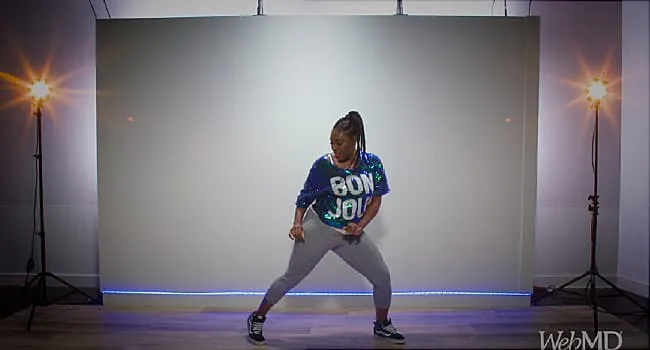
If you are creating a video on dance moves for your lower body, presentation matters. Viewers need to see your feet, knees, hips, and timing clearly. Full-body framing is essential. If the camera cuts off your feet, the tutorial becomes a mystery novel.
Show the Move From the Front and Side
Front-facing instruction helps viewers follow direction. A side view helps them understand squat depth, hip hinge, knee alignment, and posture. If possible, demonstrate each move slowly before adding music.
Use Clear Verbal Cues
Simple cues work best: “Step right, tap left,” “Sit the hips back,” “Keep your chest lifted,” and “Land softly.” Avoid overexplaining during fast sections. No one wants a lecture while trying not to trip over their own enthusiasm.
Offer Modifications in Real Time
Show low-impact and higher-intensity versions. For example, a skater step can stay grounded for beginners or become a small hop for advanced viewers. A squat groove can be shallow or deeper. A knee lift can be low or high.
Pick Music With a Steady Beat
A clear rhythm makes the routine easier to follow. Beginners usually do better with moderate tempos before moving into faster tracks. Music should energize the workout without turning the video into a cardio emergency.
Common Mistakes to Avoid
Lower-body dance workouts are fun, but a few mistakes can reduce effectiveness or increase discomfort.
Going Too Fast Too Soon
Speed hides poor form. Start slow, then build. Viewers should learn the movement pattern before increasing intensity.
Forgetting the Feet
The feet are the foundation of dance. Encourage viewers to place the whole foot down, avoid rolling ankles inward, and distribute weight evenly.
Skipping Recovery
Lower-body dance can be surprisingly demanding. Beginners may need rest days between sessions, especially after routines with squats, lunges, or lots of calf work.
Turning Every Move Into a Jump
Jumps are optional, not mandatory. Low-impact dance can still be challenging, sweaty, and effective. Your downstairs neighbor may even send a thank-you card.
500-Word Experience Section: What It Feels Like to Actually Do Lower-Body Dance Moves
The first time someone tries a lower-body dance video, the experience is often a mix of excitement, confusion, and mild betrayal from the quadriceps. You press play thinking, “This looks fun.” Three minutes later, a cheerful instructor is smiling through squat pulses while your legs are asking whether you have updated your emergency contact.
But that is part of the charm. Unlike traditional workouts, dance gives you immediate feedback. You can feel when your weight shifts smoothly from one foot to the other. You notice when your hips loosen up. You realize your calves are working during tiny bounces you originally dismissed as “cute little steps.” The body becomes more awake. Even if you miss a count, you are still moving, and movement is the point.
One of the most relatable experiences is learning that simple does not mean easy. A step-touch looks harmless. Add a hip sway, soft knees, arm reach, and three minutes of repetition, and suddenly it becomes a real workout. A grapevine may seem like a casual party move, but once it is repeated across a full song, your outer hips and inner thighs begin participating in the conversation. Squat grooves are even more honest. They do not pretend. They walk in wearing a name tag that says, “Hello, I am here for your glutes.”
Another common experience is the confidence curve. At the beginning, you may feel awkward. Your right foot may go left. Your left foot may take a personal day. Your arms may behave like they were invited late and missed the instructions. Then, after a few rounds, the pattern clicks. That moment is powerful. You stop thinking about every step and start feeling the rhythm. The workout becomes less mechanical and more expressive.
Lower-body dance also teaches patience. Some days your balance is sharp; other days, a knee lift feels like negotiating with gravity. Some routines feel smooth on the first try, while others require repetition. That is normal. Dance is a skill as much as it is exercise. The goal is not perfection. The goal is progress, consistency, and maybe a little dramatic flair when the beat drops.
Perhaps the best part is how dance changes the emotional tone of training. Leg workouts can feel intimidating when they are built only around sets, reps, and gym machines. But when the same muscles are trained through music, rhythm, and movement, effort feels more inviting. You are still strengthening your glutes, thighs, calves, hips, and ankles, but you are doing it with personality. A lower-body dance video can leave you sweaty, stronger, and oddly proud of a move you learned in your living room while trying not to kick the coffee table.
With time, the benefits become noticeable outside the video. Stairs feel easier. Balance improves. Hips feel less stiff after long sitting. You may catch yourself adding a little step-touch while waiting for the microwave. This is when you know the routine has done its job: exercise has escaped the workout window and entered daily life.
Conclusion
A video on dance moves for your lower body is more than a fun way to sweat. It can be a practical, low-pressure method for building stronger legs, more stable hips, better balance, improved coordination, and greater cardiovascular endurance. By combining step-touches, grapevines, squat grooves, side lunges, hip circles, skater steps, calf bounces, and glute kickbacks, you can create a routine that feels playful while still delivering real lower-body work.
The key is to start with clear instruction, warm up properly, choose moves that match your fitness level, and progress gradually. Whether you are filming a tutorial, following a beginner dance workout at home, or simply trying to make leg day feel less like a courtroom sentence, dance is a smart and enjoyable option. Keep the knees soft, the music steady, the movements controlled, and the attitude light. Your lower body will work hardbut at least it gets a soundtrack.