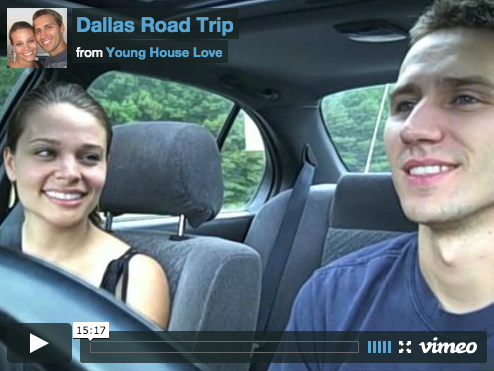
There are road trips, and then there is Texas: a whole-state adventure with enough highways, brisket smoke, desert sunsets, beach wind, live music, cowboy swagger, and “wait, is that a giant boot?” roadside oddity energy to make your GPS feel underqualified. If you have ever wanted a trip that feels like a movie montage with better snacks, this is your invitation. Ride with us to Texas, won’t you?
Texas is not a quick little detour. It is a full-on personality with state lines. The Lone Star State has more than 79,000 miles of scenic roads and highways, which means a Texas road trip can be anything you want it to be: a weekend through Hill Country, a Gulf Coast beach escape, a Route 66 nostalgia cruise, a food pilgrimage, a national park adventure, or a city-hopping tour from Dallas to Austin to San Antonio to Houston.
The magic is in the variety. One morning you can be watching longhorn cattle move through the Fort Worth Stockyards. The next evening, you might be listening to live music in Austin, walking beside the San Antonio River, staring at rockets in Houston, or watching the desert sky go purple over Big Bend. Texas does not ask travelers to choose one mood. It simply opens the glove box and says, “We packed them all.”
Why Texas Was Made for the Open Road
Texas is a road trip state because distance is part of its character. The drives are not just transportation; they are the story. You do not merely “arrive” in Texas. You roll into it, past ranch gates, pecan trees, limestone hills, barbecue signs, neon motel arrows, grain silos, food trucks, historic courthouses, and gas stations large enough to qualify as minor civilizations.
Driving through Texas teaches you to enjoy the middle. The best moments are often not the headline attractions but the stretch between them: a two-lane highway curving through Hill Country, a small-town bakery with kolaches still warm from the oven, a field of wildflowers, or a sunset so dramatic it looks like the sky hired a lighting director.
Start in Fort Worth: Cowboys, Cattle, and Camera-Ready Boots
If your Texas ride needs a proper “howdy,” Fort Worth is a strong place to begin. The Fort Worth Stockyards bring Old West history into the present with twice-daily cattle drives, Western shops, rodeo culture, live music, and enough cowboy hats to make your suitcase feel underdressed.
The daily cattle drive is more than a tourist photo. It is a living nod to the era when Fort Worth was a major livestock center and cattle trails shaped the identity of North Texas. The longhorns move down East Exchange Avenue, and for a few minutes, the modern world politely steps aside. Phones come out, kids point, adults grin, and everyone suddenly understands why boots are both footwear and a lifestyle statement.
What to Do in Fort Worth
Explore the Stockyards, visit Mule Alley, browse Western boutiques, and stay for live music if your schedule allows. For travelers who want culture with their cowboy, Fort Worth also offers excellent museums, gardens, and dining. The city works because it does not treat Western heritage like a costume. It treats it like a living neighborhood with good food and better stories.
Dallas: Big-City Energy With Arts, Food, and History
From Fort Worth, roll east into Dallas, a city that knows how to look sharp. Dallas is polished but not boring, ambitious but still deeply Texan. The Dallas Arts District alone gives travelers a reason to slow down, covering 118 acres and more than 20 square blocks of museums, performance venues, restaurants, public spaces, and architectural landmarks.
Dallas is ideal for travelers who like variety in one day. You can spend the morning at a museum, walk through Klyde Warren Park, explore neighborhoods like Bishop Arts or Deep Ellum, and finish with barbecue, Tex-Mex, or a dinner that makes you briefly consider moving there. Dallas also carries serious history, especially around Dealey Plaza and the Sixth Floor Museum, making it a city where entertainment and reflection often sit close together.
Austin: Live Music, Food Trucks, and Beautiful Weirdness
Next, head south to Austin, the self-proclaimed and widely recognized Live Music Capital of the World. The city feels like it was built by musicians, coders, taco enthusiasts, paddleboarders, and people who own at least one shirt with a cactus on it.
Austin’s rhythm is casual but confident. You can catch live music in clubs, bars, theaters, restaurants, and outdoor venues. You can eat breakfast tacos that ruin lesser breakfasts forever. You can walk around Lady Bird Lake, explore South Congress, browse vintage shops, and still have time to argue with a friend about where to find the best brisket. That argument may last several years. Texas barbecue opinions are not hobbies; they are family heirlooms.
How to Enjoy Austin Without Overplanning
Give yourself room to wander. Austin rewards loose itineraries. Pick one major activity, such as live music, Barton Springs, a food truck park, or a walk near the lake, then let the rest of the day unfold. The city’s best travel advice is simple: follow the sound, follow the smell of smoked meat, and follow the line if locals look happy standing in it.
Texas Hill Country: Scenic Drives and Small-Town Charm
West of Austin and north of San Antonio, Texas Hill Country offers one of the most beloved road trip regions in the state. This is where rolling hills, limestone cliffs, rivers, wildflowers, historic towns, swimming holes, caves, and German-influenced communities create a softer, slower Texas.
Fredericksburg is a favorite stop, known for its Main Street, heritage, shops, restaurants, and nearby natural attractions. Enchanted Rock State Natural Area is another Hill Country classic, where a massive pink granite dome rises above the landscape. Climb it early in the day if you want the view without feeling like a pancake on a skillet.
The Hill Country drive is not about rushing. It is about windows down, playlists up, and curves in the road that seem designed for people who say, “Let’s just see what’s over there.” In spring, wildflowers can turn the roadside into a painting. In summer, rivers and shaded patios become essential. In fall and winter, the region feels cozy, crisp, and made for slow weekends.
San Antonio: The River Walk, Missions, and Deep Texas History
San Antonio is one of the most rewarding stops on a Texas road trip because it combines beauty, history, culture, and food in a way that feels effortless. The River Walk is the city’s postcard scene, but San Antonio is much more than a pretty waterside stroll.
The city is home to UNESCO-designated missions, including the Alamo and the other Spanish colonial missions that help tell the story of early Texas. These sites are not just historic buildings; they are cultural landmarks tied to architecture, religion, settlement, conflict, and community life over centuries.
Why San Antonio Deserves More Than One Day
Many travelers try to “do” San Antonio quickly, but the city is better when given breathing room. Walk the River Walk in the morning before the crowds build. Visit the missions. Eat Tex-Mex with respect and appetite. Explore Pearl, Market Square, and local neighborhoods. San Antonio has a warm, layered identity, and the more slowly you move, the more it gives back.
Houston: Space, Culture, and Food From Everywhere
Houston is the Texas stop that surprises people who arrive with one idea and leave with twelve. It is enormous, international, energetic, and packed with museums, restaurants, parks, neighborhoods, and one of the most famous space-related attractions in the country.
Space Center Houston, the official visitor center of NASA Johnson Space Center, gives travelers a close look at human space exploration. It is a must for families, science fans, students, and adults who still get goosebumps hearing the words “Mission Control.” Houston also has a major Museum District, strong performing arts, excellent parks, and a food scene shaped by communities from around the world.
In Houston, come hungry and curious. You can find Gulf seafood, Vietnamese cuisine, barbecue, Tex-Mex, Nigerian dishes, Indian food, burgers, bakeries, and chef-driven restaurants all within a city that refuses to fit into one flavor category.
Big Bend: The Texas Road Trip for Big-Sky Dreamers
If your idea of a ride includes desert silence, mountain views, scenic drives, hiking trails, and night skies that make you whisper without knowing why, Big Bend belongs on your route. Big Bend National Park sits in far West Texas along the Rio Grande, offering some of the most dramatic landscapes in the state.
This is not a casual “swing by for an hour” destination. Big Bend rewards preparation. Distances are long, services are limited, and summer heat can be intense. But for travelers who plan well, the payoff is enormous: Chisos Basin, Santa Elena Canyon, desert trails, river views, fossil history, and stargazing that makes city lights seem like a questionable invention.
Big Bend Travel Tip
Bring water, check conditions, fuel up before long stretches, and respect the desert. Big Bend is beautiful, but it is not trying to be convenient. That is part of its charm. It is the kind of place where your phone loses signal and your brain finally gets one.
Padre Island and the Gulf Coast: Texas With Sand Between Its Toes
Texas is not only ranches and highways. The Gulf Coast adds beaches, birding, fishing towns, seafood, dunes, and sea breezes to the road trip menu. Padre Island National Seashore protects a long stretch of undeveloped barrier island, making it a standout for travelers who want nature more than boardwalk noise.
Along the coast, the pace changes. Your boots may become sandals. Your schedule may become “morning beach, afternoon seafood, evening sunset.” Corpus Christi, Port Aransas, Galveston, and smaller coastal communities all offer different versions of Texas by the water.
For nature lovers, the coast is especially rewarding. Bird migration, sea turtle conservation, wetlands, beaches, and marine ecosystems make this region feel far removed from the inland highways. It is still Texas, of course, so portions remain big, skies remain wide, and someone nearby is probably recommending a taco.
Route 66 in the Texas Panhandle: Neon, Nostalgia, and Cadillac Ranch
For travelers who love classic Americana, the Texas stretch of Route 66 delivers diners, vintage signs, old gas stations, small towns, and roadside icons. Route 66 crosses the Texas Panhandle for about 177 miles, with Amarillo as a key stop and Cadillac Ranch as one of its most famous attractions.
Cadillac Ranch is exactly the kind of place that makes road trips better: strange, colorful, photogenic, and slightly ridiculous in the best possible way. Ten Cadillacs sit nose-down in a field, covered in layers of paint from visitors. It is public art with a sense of humor, which is to say it understands the assignment.
The Panhandle also offers Palo Duro Canyon, often called the “Grand Canyon of Texas.” Its red rock formations, trails, and overlooks make it one of the state’s most impressive outdoor stops. Pair it with Amarillo, Route 66, and a big-sky sunset, and you have a Texas ride that feels cinematic without needing a filter.
What to Eat on a Texas Road Trip
A Texas road trip without food planning is not a road trip. It is a missed opportunity with cup holders. Food is part of the state’s identity, and every region adds something different.
Barbecue
Texas barbecue is famous for brisket, ribs, sausage, turkey, smoke, bark, patience, and lines that test your character. Central Texas is especially known for smoked meats served simply, often with white bread, pickles, onions, and sauce that may or may not be considered necessary depending on who is glaring at you.
Tex-Mex
Tex-Mex is comfort food with confidence: enchiladas, fajitas, queso, breakfast tacos, tamales, refried beans, rice, salsa, and tortillas that make chain restaurants look like they owe everyone an apology.
Small-Town Finds
Do not ignore bakeries, diners, fruit stands, kolache shops, and local cafes. Some of the best road trip meals happen in towns you did not plan to stop in. That is the road working its magic.
How to Plan the Perfect Texas Ride
The best Texas itinerary depends on how much time you have. For a long weekend, choose one region: Hill Country, San Antonio and Austin, Dallas-Fort Worth, Houston and the Gulf Coast, or Amarillo and Palo Duro Canyon. For a week, combine two or three regions. For ten days or more, you can build a true Texas loop.
Do not underestimate drive times. Texas distances can humble even confident planners. Dallas to Austin, Austin to San Antonio, San Antonio to Houston, Houston to the coast, or Austin to Big Bend can each take real time. The solution is not to cram more in. The solution is to let Texas be Texas.
Smart Road Trip Tips
Book popular state park passes and lodging early, especially during weekends and school breaks. Carry water, sunscreen, snacks, a phone charger, and backup navigation for remote areas. Check weather before long drives because Texas can serve heat, storms, wind, and sunshine with dramatic flair. Most importantly, leave room for surprises. Texas is very good at surprises.
500-Word Experience Add-On: What It Feels Like to Ride With Us to Texas
The first thing you notice on a Texas ride is the scale. The horizon does not politely sit at the end of the road; it stretches like it has a personal trainer. Everything feels open. Even the clouds seem to have more legroom. You start the morning with a travel plan, but by lunchtime the road has edited it for you. A sign for homemade pie appears. A historic courthouse rises over a town square. A gas station sells brisket sandwiches, beach towels, cowboy hats, and a decorative metal rooster large enough to alarm your homeowners association. Naturally, you stop.
That is the real joy of riding through Texas: the trip keeps becoming more interesting than the checklist. Maybe you planned to drive straight from Austin to San Antonio, but then Hill Country starts showing off with limestone ridges and sleepy towns. Maybe you meant to spend one hour in Fort Worth, but the Stockyards pull you in with longhorns, live music, and the sudden belief that you could absolutely pull off a Western shirt. Maybe you thought Houston would be only skyscrapers and freeways, and then you find yourself eating a meal so good you briefly forget your own password.
Texas also changes personality without warning. The Gulf Coast is soft and salty, with wind that tangles your hair and pelicans that look like retired comedians. Big Bend is quiet and enormous, the kind of place where even loud people lower their voices. Dallas feels sleek and fast-moving, while San Antonio carries a slower rhythm, shaped by water, stone, history, and warm evenings. Austin is playful and musical, always acting like it knows a secret taco place because it probably does.
On the road, the best conversations happen between stops. Someone becomes the snack manager. Someone becomes the playlist dictator. Someone insists the next barbecue place is “only ten minutes away,” which in Texas can mean anything from ten minutes to a short geological era. You learn the sacred road trip arts: judging a restaurant by the parking lot, spotting clean restrooms from the highway, and understanding that a sunset photo taken through a windshield will never look as good as the real thing, but you will take it anyway.
By the end of the ride, Texas has done what great destinations do. It has given you places, yes, but also scenes: boots on wooden sidewalks, river lights in San Antonio, guitar notes drifting into an Austin night, desert stars over Big Bend, gulls over Padre Island, murals in Dallas, rockets in Houston, and a long road ahead that somehow still feels inviting. You may arrive for the attractions, but you remember the motion. You remember the feeling that the next town, the next meal, the next overlook, or the next ridiculous roadside statue might become the best part of the trip.
So yes, ride with us to Texas. Bring curiosity, stretchy pants, a good playlist, and the humility to admit that the state is bigger than your itinerary. Texas is not a destination you simply check off. It is a ride you keep talking about long after the dust has settled.
Conclusion: Texas Is the Ride, Not Just the Destination
“Ride With Us To Texas, Won’t You?” is more than a catchy invitation. It is the right way to understand the Lone Star State. Texas is built for movement: highways through Hill Country, cattle drives in Fort Worth, live music in Austin, mission history in San Antonio, space exploration in Houston, art in Dallas, beaches on the Gulf Coast, desert silence in Big Bend, and Route 66 nostalgia in the Panhandle.
The best Texas road trip is not about seeing everything. Nobody sees everything in Texas unless they have unlimited time, unlimited fuel, and possibly a support crew. The best trip is about choosing a route that fits your curiosity, then letting the road add its own surprises. Pack well, plan enough, wander often, and save room for barbecue. Texas is waiting, and it has never been shy about making an entrance.
Note: This article is written for web publishing and is based on synthesized information from reputable U.S. travel, tourism, parks, and destination resources. Source links are intentionally not inserted into the HTML body.