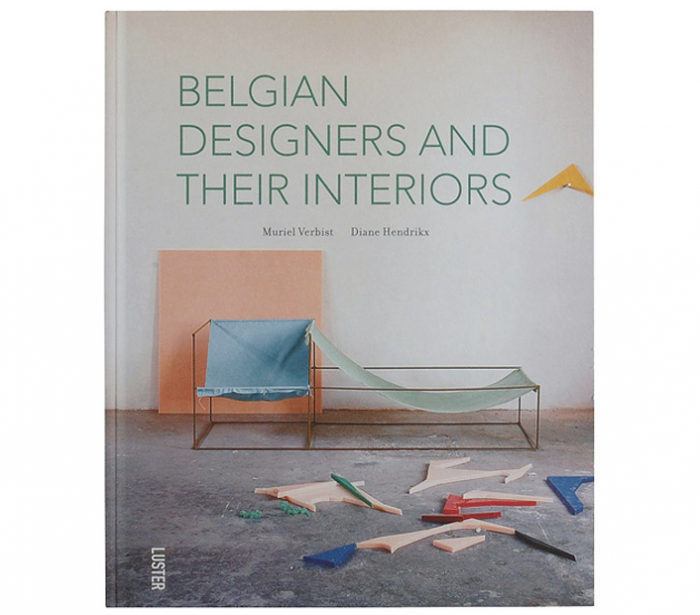
Note: This publication-ready article is based on real information about Muriel Verbist, Belgian design culture, and the book Belgian Designers and Their Interiors. Source links are intentionally not included in the article body.
Introduction: When Designers Let Us Peek Behind the Curtain
There is something deliciously irresistible about seeing how designers actually live. Not the showroom version. Not the “please pretend nobody owns phone chargers” version. The real version: the chair that gets used every morning, the lamp that has survived three apartments, the kitchen table with scratches that could probably write a memoir. That is the quiet magic behind Belgian Designers and Their Interiors, the design book associated with Belgian editor, journalist, stylist, and photographer Muriel Verbist.
Rather than treating interiors as frozen museum displays, the book steps into the homes of Belgian designers and asks a more interesting question: what happens when creative people design for themselves? The result is a deeply human look at Belgian interior design, where elegance is often understated, materials do the talking, and a room can whisper with more confidence than most rooms shout.
Muriel Verbist’s background makes her especially suited to this kind of intimate design storytelling. Born in Leuven, Belgium, in 1971 and based in Antwerp, Verbist built a career that moved through advertising, interior styling, magazines, and eventually photography. That combination matters. She understands image, atmosphere, composition, and the small domestic details that reveal how people really live. In other words, she knows that a room is not just a room. It is a portrait with furniture.
Who Is Muriel Verbist?
Muriel Verbist is a Belgian creative whose work sits at the meeting point of interiors, publishing, and photography. Before focusing on photography, she worked as an art director in advertising and as an interior stylist for various magazines. This is the kind of résumé that gives a person a very sharp eye for how spaces communicate. Advertising trains you to notice impact. Styling trains you to notice texture, proportion, and visual rhythm. Photography trains you to notice what the room is saying when nobody is talking.
Verbist’s later photographic projects explore personal, social, and documentary themes, but her design books remain important because they capture a particular Belgian talent: making restraint feel warm instead of cold. Her contribution to Belgian Designers and Their Interiors is not just editorial. It is atmospheric. The book feels curious, observant, and allergic to over-polishing. Thank goodness. A home with no evidence of life is not a home; it is a very expensive waiting room.
What Is Belgian Designers and Their Interiors About?
Belgian Designers and Their Interiors was published by Luster and is commonly associated with Muriel Verbist, photographer Diane Hendrikx, and texts connected to the project. The volume looks inside the homes of notable Belgian designers, including names such as Bram Boo, Nathalie Dewez, Alain Gilles, Claire Bataille, Sofie Lachaert and Luc D’Hanis, Charles Kaisin, and Fien Muller and Hannes Van Severen. It is not simply a decorating book. It is closer to a cultural x-ray of Belgian design thinking.
The appeal lies in the book’s premise. Designers are often judged by their public work: the furniture they launch, the lighting they create, the objects they sell, the exhibitions they mount. But their homes are different. A private interior reveals priorities. Does the designer value silence or playfulness? Does the space celebrate imperfection? Are objects arranged like precious artifacts or allowed to behave like members of the family? Verbist’s book enters this private territory with a respectful but curious eye.
A Book About Homes, Not Showrooms
The most interesting interiors in the book are not “perfect” in the glossy, airbrushed sense. They are personal. Belgian design often thrives on this tension between rigor and ease. A room may be minimal, but not empty. It may be rustic, but not theatrical. It may be contemporary, but still carry the weight of history. This is one reason Belgian interiors have such lasting influence: they do not beg to be liked. They simply stand there, calm and well-dressed, like someone who owns exactly one excellent coat.
The Belgian Interior Design Mood: Quiet, Textured, and Smarter Than It Looks
To understand why Muriel Verbist and Belgian Designers and Their Interiors matter, it helps to understand the broader design culture around them. Belgian interiors are often associated with natural materials, neutral palettes, raw wood, linen, plaster, stone, and a preference for patina over polish. But reducing Belgian style to “beige rooms with nice chairs” is like describing jazz as “people holding trumpets.” Technically true, spiritually useless.
Belgian interiors tend to value depth over decoration. A wall may be limewashed instead of painted flat white. A table may show grain, knots, or old marks. A chair may have a sculptural silhouette but remain completely usable. The best Belgian rooms are not afraid of emptiness, yet they rarely feel sterile. They understand that negative space is not wasted space. It is breathing room.
Material Honesty
One major lesson from Belgian design is that materials should be allowed to be themselves. Linen can wrinkle. Wood can darken. Metal can age. Stone can be cool, heavy, and gloriously stubborn. Instead of covering up these qualities, Belgian interiors often celebrate them. This gives rooms a feeling of endurance. They seem less interested in what is trending this Tuesday and more interested in what will still feel right ten years from now.
Understatement as Confidence
American interiors sometimes equate “designed” with “more”: more pattern, more color, more accessories, more throw pillows than any human spine could reasonably require. Belgian interiors often move in the opposite direction. They edit. They pause. They allow one strong object to carry a room rather than making twelve objects compete like contestants on a home decor reality show.
Designers Featured in the Belgian Spirit
The designers connected with Belgian Designers and Their Interiors represent different approaches, which is exactly what makes the book interesting. Belgian design is not a single look. It is a conversation among craft, art, function, architecture, and daily life.
Bram Boo: Functional Surprise
Bram Boo is known for furniture that can be playful, unexpected, and functional at the same time. His work often challenges the idea that useful objects must behave politely. A cabinet can be odd. A desk can have personality. A piece of furniture can look as if it woke up with a plan. This spirit brings energy to the Belgian design conversation: restraint is valuable, yes, but so is surprise.
Nathalie Dewez: Light as Sculpture
Nathalie Dewez is associated with lighting design, a field where Belgium has produced remarkable talent. Lighting is never just practical. It shapes mood, scale, intimacy, and drama. In Belgian interiors, light often works quietly, grazing a textured wall, softening old wood, or turning a simple corner into a small cinematic event.
Muller Van Severen: Art Meets Usefulness
Fien Muller and Hannes Van Severen, the duo behind Muller Van Severen, are known for work that moves between art and furniture. Their pieces often use clear forms, expressive color, and sculptural logic while remaining part of everyday life. They show that Belgian design is not only about neutrals and antiques. It can also be lively, experimental, and just a little mischievous.
Sofie Lachaert and Luc D’Hanis: The Boundary Between Object and Art
Sofie Lachaert and Luc D’Hanis work across jewelry, fine art, objects, and installations. Their presence in the Belgian design landscape points to another recurring theme: the boundary between art and design is pleasantly porous. A Belgian home can include objects that are useful, symbolic, strange, or all three before breakfast.
Why Verbist’s Interior Perspective Still Feels Relevant
Design trends move quickly now. Social media can turn a tasteful idea into a global cliché before your paint sample dries. But the interiors explored through Verbist’s lens remain relevant because they are not built on trend logic. They are built on personality, proportion, and material intelligence.
This is especially valuable for modern homeowners who feel overwhelmed by endless inspiration. Scroll long enough and every style starts to blur: minimalist farmhouse, organic modern, warm Scandinavian, quiet luxury, coastal grandmother, coastal granddaughter, coastal neighbor who borrowed a ladder and never returned it. Belgian design offers a calmer approach. It says: start with the bones of the space. Choose materials that age well. Buy fewer things, but make them count. Let the room become layered over time.
How to Bring the Muriel Verbist Belgian Interior Mood Into Your Home
You do not need a 19th-century Antwerp townhouse, a gallery-grade chair, or a linen sofa that looks emotionally unavailable to borrow ideas from Belgian Designers and Their Interiors. The spirit is surprisingly practical.
1. Choose Texture Before Color
Belgian interiors often rely on texture instead of bold color. Think washed linen, unfinished wood, matte plaster, woven rugs, ceramic vessels, aged leather, and natural stone. A room with layered textures can stay neutral without becoming dull. Beige is not the enemy. Boring beige is the enemy. There is a difference.
2. Let Furniture Have Space Around It
Many memorable Belgian rooms resist overcrowding. Furniture is allowed to breathe. This makes each piece feel more intentional. Before buying another accent table, ask a brutal but useful question: does the room need this, or am I just avoiding emotional confrontation with an empty corner?
3. Mix Old and New
Belgian interiors often combine contemporary design with antiques, inherited pieces, or objects that carry visible age. This mix prevents a room from looking newly ordered from a catalog. A modern lamp beside an old wooden table can create tension. A rough ceramic bowl on a clean-lined shelf can soften the whole arrangement.
4. Avoid Over-Styling
The homes associated with Verbist’s book are compelling partly because they feel lived in. Try leaving a few signs of life: a stack of books, a working desk, a favorite cup, a slightly imperfect throw. The goal is not mess. The goal is humanity. A home should not look as though it panics when someone eats toast.
Analysis: What Makes the Book More Than Pretty Pictures?
The deeper value of Belgian Designers and Their Interiors is that it treats interiors as evidence of thinking. These spaces are not just backdrops for beautiful chairs. They reveal how designers understand comfort, utility, creativity, privacy, and identity. A designer’s home is a laboratory, archive, refuge, and sometimes a storage problem with excellent lighting.
Muriel Verbist’s editorial sensibility helps keep the project from becoming shallow. The book is not merely asking, “What does this room look like?” It asks, “How does this designer live with design?” That shift is important. It moves the conversation from consumption to relationship. Good interiors are not assembled overnight. They are negotiated slowly through habits, memories, experiments, and the occasional regrettable purchase that teaches you a lifelong lesson about scale.
Experience Section: Living With the Lessons of Belgian Designers and Muriel Verbist
Spending time with the ideas behind Belgian Designers and Their Interiors – Muriel Verbist changes how you look at your own home. Suddenly, the question is not “How do I make this room look expensive?” but “How do I make this room feel considered?” That is a much better question, and it does not require a trust fund, a castle, or a sofa delivered by a crane.
One practical experience is learning to edit without making a room feel empty. Start with a surface: a coffee table, console, shelf, or bedside table. Remove everything. Then bring back only what has visual weight, usefulness, or emotional meaning. A lamp, one stack of books, a ceramic bowl, and a small object from travel may say more than seventeen decorative accessories arranged like they are waiting for a manager.
Another experience is paying attention to daylight. Belgian interiors often make natural light part of the design rather than an afterthought. Spend one day noticing how light moves through your rooms. Which wall glows in the morning? Which corner becomes flat in the afternoon? Where does a mirror help? Where does a curtain need to soften glare? This kind of observation costs nothing, but it can dramatically improve how a home feels.
Texture is another lesson you can feel immediately. Replace one shiny, synthetic element with something tactile: linen napkins, a wool throw, a wooden stool, a clay vase, or a jute rug. The room will gain depth without needing a dramatic makeover. Belgian design often works through these quiet upgrades. It is less “grand reveal” and more “oh, the room finally exhaled.”
Visiting flea markets, antique stores, architectural salvage shops, or local craft fairs can also bring the Belgian spirit closer. The goal is not to copy a designer’s home but to collect objects with presence. Look for pieces that show handwork, age, or unusual proportion. A slightly worn chair can be more interesting than a perfect new one. A chipped bowl can still hold lemons with dignity. Imperfection, when chosen thoughtfully, gives a room emotional texture.
Finally, the biggest experience related to Muriel Verbist’s design perspective is learning to see interiors as portraits. Walk through your home and ask what it says about you. Does it show what you read, cook, collect, repair, inherit, and love? Or does it mostly show what an algorithm recommended? The Belgian lesson is not to reject beauty. It is to make beauty personal, grounded, and livable. A home should not perform taste like a nervous audition. It should quietly tell the truth.
Conclusion: The Lasting Charm of Belgian Designers and Their Interiors
Belgian Designers and Their Interiors – Muriel Verbist remains compelling because it looks beyond polished surfaces. It studies the private worlds of designers and reveals how creativity settles into daily life. Through homes filled with material honesty, restraint, experimentation, and personality, the book captures what makes Belgian interior design so influential: it is sophisticated without being stiff, minimal without being empty, and beautiful without acting like it knows it.
Muriel Verbist’s background in styling, editorial work, and photography gives the project its quiet intelligence. She understands that interiors are not just decorative arrangements; they are lived experiences. For readers, homeowners, designers, and design lovers, the book offers a lasting reminder: the best interiors are not the ones that look perfect for a camera. They are the ones that keep becoming more themselves over time.