Note: This article is for general education and web publishing only. Neck pain can have many causes, so readers should seek medical care for severe pain, injury, dizziness, numbness, weakness, fever, unexplained headaches, or symptoms that do not improve.
The sternocleidomastoid sounds like a dinosaur that refused to fit on a spelling test, but it is actually one of the most important muscles in your neck. You have one on each side, running from the breastbone and collarbone up to the area behind the ear. The SCM helps you turn your head, tilt your neck, look around dramatically, and occasionally regret sleeping like a pretzel.
When the sternocleidomastoid gets tight, irritated, or overworked, it can contribute to neck stiffness, headaches, jaw tension, shoulder discomfort, and that annoying “why does turning my head feel like opening a rusty gate?” sensation. The good news: gentle stretches, posture changes, heat, breathing, and smart daily habits can help relax the SCM muscle and reduce neck tension.
Below are 17 practical tips and stretches to relax your sternocleidomastoid safely, naturally, and without turning your living room into a medieval stretching chamber.
What Is the Sternocleidomastoid Muscle?
The sternocleidomastoid, often shortened to SCM, is a paired muscle on the front and side of the neck. Each SCM has two lower attachment points: one near the sternum, or breastbone, and one near the clavicle, or collarbone. From there, it travels upward to the mastoid process, the bony area behind your ear.
The SCM helps rotate your head to the opposite side, tilt your head to the same side, flex your neck forward, and assist with breathing when you are working hard or feeling stressed. Because it is involved in so many movements, it can become irritated by poor posture, long screen time, stress, awkward sleep positions, teeth grinding, or sudden neck strain.
Common Signs Your SCM May Be Tight
A tight SCM does not always feel like pain directly in the muscle. Sometimes it acts like a mischievous little messenger, sending discomfort to nearby areas. Common symptoms may include stiffness along the side of the neck, tenderness when gently touching the muscle, headaches around the temple or forehead, pain behind the ear, jaw tightness, limited head rotation, and a pulling sensation near the collarbone.
However, neck symptoms can come from many structures, including joints, nerves, discs, ligaments, and other muscles. If pain is sharp, worsening, linked to trauma, or accompanied by arm numbness, weakness, fever, balance problems, vision changes, or severe dizziness, skip the internet heroics and contact a healthcare professional.
Before You Stretch: Safety Rules for SCM Relief
SCM stretching should feel gentle, not heroic. Use slow movements, breathe normally, and avoid forcing your neck into extreme positions. Never press hard on the front of the neck, throat, or pulse area. The goal is to relax the muscle, not challenge it to a wrestling match.
A good rule: aim for mild tension, around 3 out of 10. If you feel pain, tingling, numbness, dizziness, nausea, or symptoms traveling into your arm, stop immediately. Gentle consistency beats aggressive stretching every time.
How to Relax Your Sternocleidomastoid: 17 Tips & Stretches
1. Start With Warmth Before Stretching
Heat can help loosen tight neck muscles and improve comfort before movement. Apply a warm towel, heating pad, or warm shower to the neck and upper shoulders for 10 to 15 minutes. Keep the temperature comfortable, not sizzling. Your neck is not a grilled cheese sandwich.
2. Locate the SCM Gently
Turn your head slightly to the right. On the left side of your neck, you may notice a rope-like muscle becoming more visible. That is the left SCM. Repeat on the other side. Use light touch only. Knowing where the muscle is helps you stretch it more accurately, but avoid deep pressure near the throat or pulse.
3. Try the Classic SCM Stretch
Sit tall. To stretch the right SCM, gently anchor your right collarbone area with your right hand. Slowly tilt your head to the left, then rotate your chin slightly up and to the right. You should feel a mild stretch along the front-right side of the neck. Hold for 15 to 30 seconds, then switch sides.
4. Use a Seated Neck Rotation
Sit or stand with your shoulders relaxed. Slowly turn your head to the right as if looking over your shoulder. Hold for 10 to 20 seconds, then return to center. Repeat to the left. This helps restore gentle range of motion and reduces the “stuck neck” feeling caused by long periods in one position.
5. Add a Gentle Side-Bend Stretch
Keep your shoulders level. Tilt your right ear toward your right shoulder without lifting the shoulder. Hold for 15 to 30 seconds, then repeat on the left. This primarily targets side-neck muscles, but it can also reduce overall tension around the SCM and upper shoulder area.
6. Practice Chin Tucks
Chin tucks are a favorite among physical therapists because they help counter forward-head posture. Sit tall and gently glide your chin straight backward, as if making a very dignified double chin. Do not look down. Hold for 3 to 5 seconds and repeat 8 to 10 times. This strengthens deep neck flexors and may reduce SCM overwork.
7. Stretch the Levator Scapulae
The levator scapulae connects the neck and shoulder blade and often joins the SCM in the “tight neck committee.” Sit tall, turn your head about 45 degrees to the right, then gently nod your chin down toward your armpit. Hold 15 to 30 seconds. Repeat on the other side.
8. Relax the Upper Trapezius
Sit on your left hand or hold the edge of your chair with your left hand. Tilt your right ear toward your right shoulder until you feel a stretch on the left side of your neck and shoulder. Hold for 20 to 30 seconds, then switch. Relaxing the upper traps often reduces the workload placed on the SCM.
9. Open the Chest With a Doorway Stretch
Tight chest muscles can pull your shoulders forward, encouraging forward-head posture and SCM tension. Stand in a doorway with your forearms on the frame, elbows around shoulder height. Step one foot forward until you feel a comfortable stretch across the chest. Hold for 20 to 30 seconds.
10. Do Shoulder Rolls
Roll your shoulders slowly backward 10 times, then forward 10 times. Keep the movement smooth and relaxed. Shoulder rolls improve circulation, reduce stiffness, and remind your upper body that it does not need to live permanently near your ears.
11. Try Scapular Retractions
Sit or stand tall. Gently squeeze your shoulder blades together as if holding a pencil between them. Hold for 3 to 5 seconds, then release. Repeat 10 times. This strengthens postural muscles and may help prevent the SCM from doing extra work to hold your head upright.
12. Use Gentle Self-Massage
With clean hands, use your fingertips to gently massage the side of the SCM, avoiding the front of the throat and pulse area. Use small circles or light strokes for 30 to 60 seconds. The pressure should be soft and comfortable. If massage causes dizziness, nausea, sharp pain, or unusual symptoms, stop.
13. Alternate Heat and Cold When Needed
For fresh soreness or mild inflammation, a cold pack wrapped in a towel may feel better for 10 to 15 minutes. For chronic stiffness, warmth often works better. Some people benefit from alternating both. The key is comfort: choose the method that reduces symptoms without irritating the skin.
14. Relax Your Jaw
Jaw tension and SCM tightness often travel together like two friends who make questionable decisions. Rest your tongue gently on the roof of your mouth, let your teeth separate slightly, and breathe through your nose. Avoid clenching while working, driving, gaming, or scrolling. Your jaw does not need to win every argument silently.
15. Fix Your Screen Setup
Place your computer monitor near eye level, keep your phone higher instead of staring down, and bring reading materials closer to eye height. Forward-head posture increases strain on the neck. If your laptop setup makes you look like a shrimp reading legal documents, raise the screen and use an external keyboard when possible.
16. Improve Your Sleep Position
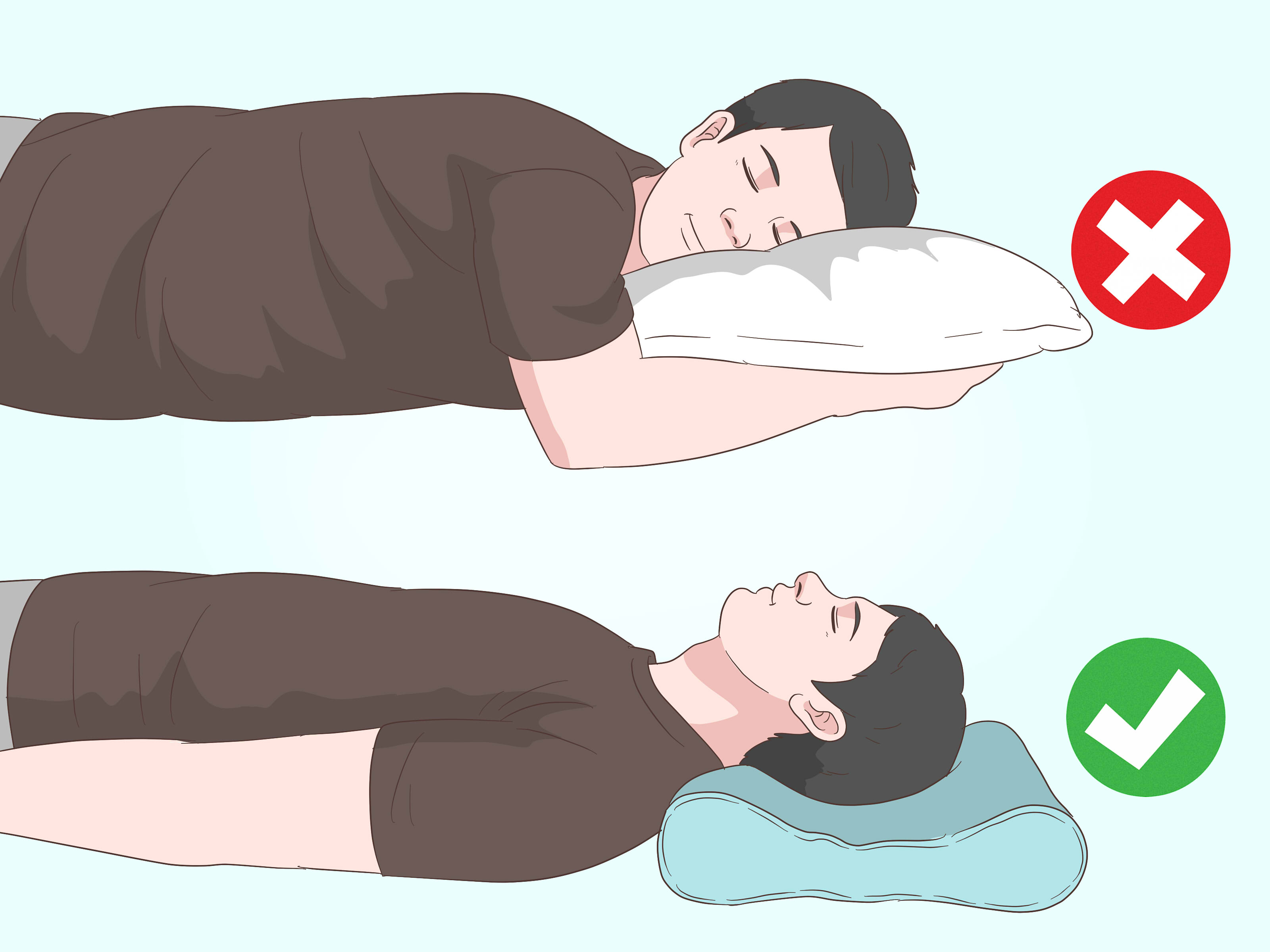
Use a pillow that supports your neck without pushing your head too far forward. Back and side sleeping are usually easier on the neck than stomach sleeping, which forces the head to rotate for hours. If you wake up with SCM tightness, your pillow may be auditioning for villain of the year.
17. Take Movement Breaks Every 30 to 60 Minutes
Staying in one position for too long can make the SCM stiff, even if your posture is decent. Set reminders to stand, roll your shoulders, tuck your chin, and gently rotate your neck. Short, frequent breaks work better than one dramatic stretching session after eight hours of screen time.
A Simple 5-Minute SCM Relaxation Routine
If you want a quick routine, try this once or twice daily. Begin with one minute of slow breathing and shoulder rolls. Add 8 gentle chin tucks. Do one SCM stretch on each side for 20 seconds. Follow with an upper trapezius stretch and levator scapulae stretch on each side. Finish with 30 seconds of relaxed posture: ears over shoulders, shoulders soft, jaw unclenched.
This routine should not feel intense. The best neck routine is one you can do consistently without aggravating symptoms. Think “friendly reminder to the muscles,” not “boot camp for the head.”
What Causes SCM Tightness?
SCM tightness often develops from everyday habits. Looking down at a phone, leaning toward a laptop, driving with the head pushed forward, carrying a heavy bag on one shoulder, sleeping with the neck twisted, or clenching the jaw can all contribute. Stress also matters. When people are tense, they often breathe shallowly, lift their shoulders, and tighten the neck without noticing.
Exercise can also play a role. Heavy lifting with poor form, excessive shrugging, or straining during workouts may overwork the neck muscles. Even intense breathing during cardio can make the SCM work harder because it assists with breathing under effort.
When Should You See a Professional?
Self-care is helpful for many mild cases of neck tension, but professional evaluation is important when symptoms are severe, persistent, or unusual. See a doctor, physical therapist, or qualified healthcare provider if your neck pain follows an accident, lasts more than a few days without improvement, radiates down the arm, causes numbness or weakness, or comes with fever, severe headache, dizziness, or trouble walking.
A physical therapist can assess posture, joint mobility, muscle strength, work habits, and movement patterns. Instead of guessing which muscle is angry, you get a plan based on how your body actually moves.
Common Mistakes to Avoid
Stretching Too Hard
More force does not mean faster results. Aggressive neck stretching can irritate sensitive tissues. Gentle, repeated movement is usually safer and more effective.
Pressing Deeply Into the Front of the Neck
Avoid strong pressure near the throat, carotid artery, or pulse points. Self-massage should stay light and comfortable.
Ignoring Posture Between Stretches
If you stretch for five minutes but spend the next six hours folded over your phone, your SCM may file a formal complaint. Fix the daily habit, not just the symptom.
Skipping Strength Work
Stretching relaxes tight tissue, but strengthening helps prevent the same tension from returning. Chin tucks, scapular retractions, and upper-back strengthening can support better alignment.
Real-Life Experiences: What People Often Notice When Relaxing the SCM
Many people first discover the sternocleidomastoid after searching for why their neck feels tight on one side. The experience often starts innocently: a long day at the computer, a stressful deadline, a bad night of sleep, or one too many hours looking down at a phone. Then suddenly, turning the head feels stiff, the jaw feels tense, and the side of the neck feels like it signed up for a marathon without permission.
A common experience is that SCM relief does not happen from one magic stretch. People usually notice improvement when they combine several small habits. For example, someone who works at a desk may do the classic SCM stretch twice a day, but the real breakthrough comes when they raise their laptop, stop cradling the phone between the ear and shoulder, and take short movement breaks. The stretch helps, but the lifestyle change keeps the muscle from tightening again.
Another common pattern is morning neck tightness. A person may wake up with soreness along the side of the neck and assume they need stronger stretching. In reality, their pillow may be too high, too flat, or forcing the neck into rotation. Once they adjust sleep position and use gentle morning heat before stretching, the SCM often feels less reactive. The lesson is simple: sometimes the best stretch is fixing what your neck does for seven hours while you are unconscious and drooling peacefully.
People with jaw clenching also report that SCM tightness improves when they relax the jaw throughout the day. This is especially true during focused tasks like studying, coding, driving, writing, or playing games. The jaw tightens, the tongue presses, the shoulders rise, and the SCM joins the tension party. A simple resettongue resting lightly on the roof of the mouth, teeth apart, shoulders downcan reduce the background tension that keeps the neck irritated.
Some people feel better with heat; others prefer cold after a flare-up. The useful experience here is to listen to the body’s response. If warmth makes the neck feel looser before stretching, use warmth. If cold reduces soreness after activity, use cold. There is no trophy for choosing the “perfect” method. The winner is the one that helps without making symptoms worse.
Another important experience: improvement is usually gradual. Day one may bring mild relief. Day three may bring better rotation. After a week or two of consistent posture breaks, stretching, and gentle strengthening, the neck may feel less guarded. But if symptoms keep returning, that is a clue to look beyond the SCM. The true cause may involve the upper back, shoulders, jaw, vision habits, stress, or workstation setup.
The most successful approach is calm and consistent. People who get the best results usually stop treating the neck like a broken machine and start treating it like a living system. They move more often, breathe better, reduce unnecessary strain, and stretch gently. The SCM is not the enemy. It is more like an overworked employee who needs better management, shorter shifts, and maybe a warm compress instead of another angry memo.
Conclusion
Relaxing your sternocleidomastoid is not about forcing your neck into dramatic positions. It is about gentle stretching, better posture, smart ergonomics, relaxed breathing, jaw awareness, and consistent movement breaks. The SCM works hard every day to support head movement and posture, so it responds best to steady care rather than aggressive quick fixes.
Use the 17 tips above as a practical guide: warm the area, stretch gently, strengthen supporting muscles, improve your screen setup, adjust your sleep position, and avoid deep pressure on the front of the neck. If symptoms are severe, unusual, or persistent, get professional guidance. Your neck carries your head all daythe least we can do is stop making it stare down at a phone like it owes us money.