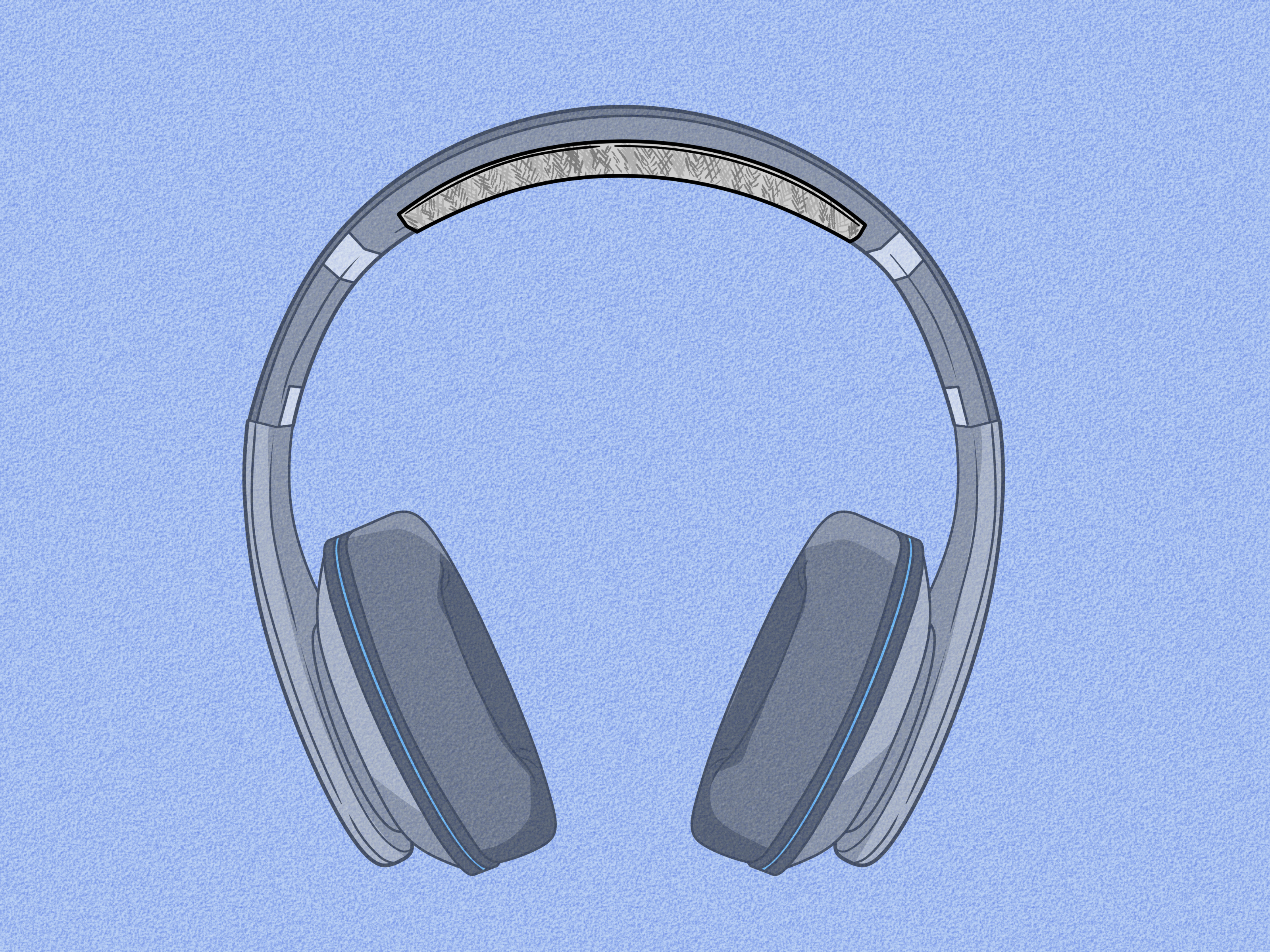
Tight over-ear headphones can turn a relaxing playlist into a tiny head-powered torture device. One minute you are enjoying crisp vocals, deep bass, and active noise cancellation. The next, your temples feel like they are being negotiated with by a very serious clamp. Add glasses, and the situation can go from “slightly snug” to “why are my frames trying to merge with my skull?”
The good news: you usually do not need to throw your headphones across the room or buy the most expensive pair on the internet. Most comfort problems come from four fixable issues: too much clamping force, worn or stiff ear pads, poor glasses compatibility, and long listening sessions without breaks. This guide walks through four practical ways to make tight over-ear headphones more comfortable, including specific tips for people who wear glasses.
Before we begin, one important rule: comfort fixes should be gentle. Headphones are designed to hold a seal around your ears, not survive a wrestling match with a stack of encyclopedias. The goal is to reduce pressure while keeping sound quality, bass response, and noise cancellation intact.
Why Do Over-Ear Headphones Feel Too Tight?
Over-ear headphones rely on clamping force to stay stable and create a seal around your ears. That seal matters because it affects bass, isolation, and active noise cancellation. If the ear cups do not sit evenly, outside noise leaks in and low frequencies can sound weaker. Unfortunately, the same pressure that helps sound quality can also press on your temples, jaw, scalp, ears, or glasses arms.
Comfort depends on more than clamp pressure alone. Headphone weight, headband padding, ear-cup size, cushion softness, pad depth, heat buildup, and your head shape all matter. A headphone that feels cloud-soft to one person may feel like a medieval helmet to another. That is why the best solution is not always “buy softer headphones.” Sometimes a small adjustment, a better pad, or a glasses tweak solves the problem.
1. Reduce Clamping Force Slowly and Safely
If your headphones feel tight right out of the box, the headband may need a little break-in time. Many over-ear headphones loosen slightly after several days of normal use. However, if they cause pain within 20 to 30 minutes, you can try a controlled stretching method.
Use the book method, not the brute-force method
Find an object slightly wider than your head, such as a stack of books, a shoebox, or the side of a small desktop computer case. Place the headphones over it and leave them there for a few hours. Check the fit. If they still feel too tight, repeat the process overnight. Do not stretch them over something dramatically wider than your head unless your dream is to own a sad, cracked headband.
This works best with headphones that have a flexible metal or reinforced headband. Plastic headbands can be more fragile, especially near hinges and adjustment sliders. If you hear creaking, see stress marks, or feel strong resistance, stop. Your headphones are politely telling you they are not emotionally ready for this.
Adjust the sliders properly
Many people wear over-ear headphones too high or too low without realizing it. Extend the headband sliders so the ear cups fully surround your ears instead of resting on the ear edges. The headband should rest lightly on the top of your head, while the pads distribute pressure evenly around the ears. If the cups sit too high, they may press into the lower ear. If they sit too low, the headband can dig into your scalp.
Avoid heat, twisting, and dramatic bending
Do not use a hair dryer, radiator, hot car dashboard, or “just a little heat” to reshape headphones. Heat can damage adhesives, padding, batteries, plastics, and synthetic leather. Also avoid twisting the ear cups in opposite directions. The target is a tiny reduction in clamp, not a full chiropractic adjustment.
After each adjustment, test the fit for at least 20 minutes. Comfort is not always obvious in the first 30 seconds. A headphone can feel fine at first, then slowly become a temple crusher as pressure builds.
2. Replace or Upgrade the Ear Pads
Ear pads are the sofa cushions of your headphones. When they are fresh, thick, and soft, life is good. When they flatten, crack, harden, or trap heat like a tiny leather sauna, comfort disappears fast.
Look for thicker, softer, slower-rebound foam
Memory foam and slow-rebound foam can help distribute pressure across a wider area. This is especially useful if the original pads are thin or stiff. Thicker pads may also create more space between your ears and the driver cover, which helps if your ears touch the inside of the cups.
For glasses wearers, softer pads are often the biggest comfort upgrade. The pad needs to compress around the glasses arms instead of pushing the arms into the side of your head. If your frames leave a deep groove in the cushion after a listening session, that is a sign the pads are doing some of the work. If your skull is doing all the work, not ideal.
Choose pad materials carefully
Different ear-pad materials feel different and sound different:
- Protein leather or synthetic leather: Good seal, stronger bass, better isolation, but can feel warmer during long sessions.
- Velour: Soft and breathable, often more comfortable for long listening, but may reduce isolation and bass on some closed-back headphones.
- Mesh or fabric: Cooler and less sticky, popular on gaming headsets, but sound and noise isolation can vary.
- Hybrid pads: Often combine leatherette sides with fabric or velour contact surfaces, giving a balance of seal and breathability.
Do not assume every pad upgrade is automatically better. Changing pad thickness or material can affect sound balance, bass response, and active noise cancellation. If you use noise-canceling headphones, check whether the replacement pads are designed for your exact model. A poor fit can make expensive ANC behave like it took the afternoon off.
Replace worn pads before blaming the headphones
If your headphones used to feel comfortable but now hurt, the pads may simply be worn out. Flattened pads reduce the distance between your head and the hard parts of the ear cup. They also concentrate pressure instead of spreading it. Replacing the pads can make an old pair feel surprisingly new again.
When shopping, check three measurements: outer pad size, inner opening size, and attachment method. Some pads snap in, some stretch over a lip, and some use adhesive rings or magnetic mounts. Buying random “universal” pads without measuring can lead to a comedy sketch involving frustration, loose cushions, and one headphone cup that looks like it lost a fight.
3. Make Your Glasses More Headphone-Friendly
Wearing glasses with over-ear headphones is a special kind of engineering problem. The glasses arms run directly through the headphone seal. That can cause two issues at once: discomfort from pressure and weaker sound from air gaps.
Use thinner glasses arms when possible
Thin, flat temple arms usually work better with over-ear headphones than thick, chunky frames. Thick arms create larger gaps in the cushion and are more likely to dig into your head. If you frequently wear headphones for work, gaming, editing, or studying, consider keeping a lightweight pair of glasses as your “headphone glasses.” They do not need to be fancy. They just need to stop your headset from treating your temples like a sandwich press.
Adjust the position of your frames
Small changes can make a big difference. Try lifting the glasses arms slightly above their normal position before putting the headphones on. Some people find that letting the headphone pads hold the arms a little higher reduces pressure behind the ears. Others prefer sliding the arms slightly forward so the pressure point changes.
The key is to avoid bending the glasses or forcing the frames into an unnatural position. Your glasses should still sit securely, your lenses should remain aligned with your eyes, and you should not feel pressure behind your ears or on the sides of your head.
Try cushion channels or softer pad contact points
Some replacement pads are soft enough to form a channel around glasses arms. A few people create a small groove in foam pads by wearing the headphones over glasses consistently, but be careful with DIY cutting. Cutting ear pads can reduce isolation, damage the cushion cover, and make the pads age faster.
A safer approach is to choose pads that naturally compress around your frames. Memory foam, plush velour, and soft fabric contact surfaces tend to be more forgiving than stiff leatherette. If you use closed-back or ANC headphones, prioritize pads that maintain a seal even with glasses.
Consider contact lenses for special sessions
If you wear contacts and can use them comfortably, they may help during long flights, recording sessions, gaming marathons, or deep-focus work. This is not required, of course. Nobody should have to change their entire face-accessory strategy just to listen to a podcast. But for occasional long sessions, contacts can remove the glasses-pressure problem completely.
4. Build Better Listening Habits
Sometimes headphones feel unbearable not because they are terrible, but because they have been on your head for four hours while you ignore your body’s polite warning signs. Even comfortable headphones can cause fatigue when worn too long without breaks.
Use the 45-to-60-minute comfort check
Set a loose rule: every 45 to 60 minutes, take the headphones off for a few minutes. Let your ears cool down, move your jaw, rub your temples, and check whether your glasses have left pressure marks. If the relief feels dramatic, your setup needs improvement.
Breaks are also good for hearing health. Lower listening volumes and regular quiet breaks reduce strain. If you use active noise cancellation, you may be able to listen at a lower volume because you are not fighting background noise. That is a win for both comfort and your future self, who would like to keep enjoying music without asking everyone to repeat themselves.
Rotate between headphones, speakers, and earbuds
If your day involves constant calls, lectures, editing, or gaming, consider rotating devices. Use speakers when privacy is not an issue. Use earbuds for short meetings. Save over-ear headphones for focused work, travel, or serious listening. Pressure that feels minor for 30 minutes can become painful after a full workday.
Pay attention to pain signals
A little snugness is normal. Sharp pain, numbness, headaches, jaw soreness, or pressure behind the ears is not something to “tough out.” If removing the headphones quickly improves the discomfort, the pressure is probably the problem. If headaches continue after removing the headphones, or if you frequently experience migraines, it is wise to talk with a healthcare professional.
Quick Comfort Checklist Before You Buy New Headphones
If you are shopping for a new pair, comfort should be part of the decision from the beginning. Look beyond battery life, codec support, and celebrity-level marketing phrases. For tight over-ear headphones, check these comfort factors:
- Weight: Lighter headphones usually cause less fatigue, especially during long sessions.
- Clamp: Moderate clamp is good; aggressive clamp may hurt, especially with glasses.
- Ear-cup size: Larger openings reduce pressure on the outer ear.
- Pad depth: Deeper pads help prevent your ears from touching the driver cover.
- Pad softness: Soft, pliable pads work better around glasses arms.
- Replaceable pads: A replaceable cushion system extends the life and comfort of the headphones.
- Headband padding: A wide, cushioned headband spreads weight more evenly.
Try headphones for at least 15 minutes if possible before judging comfort. A pair that feels luxurious for 60 seconds can reveal pressure points after a longer test. If you wear glasses, test with your actual glasses, not the imaginary glasses-free version of yourself who apparently lives in product photos.
Real-World Experience: What Actually Helps During Long Sessions
After trying different over-ear headphones for work, music, video calls, and the occasional “I will only game for 20 minutes” evening that mysteriously becomes midnight, one thing becomes obvious: comfort is personal, but patterns repeat. The first pattern is that tight headphones rarely become comfortable through denial. If you put them on and instantly feel pressure on your temples, that pressure usually does not magically become charming after two hours. It becomes a headache with surround sound.
The most useful first fix is always adjustment. Extending the sliders by even one notch can change where the ear cups sit. Many people wear headphones too high because they want a secure fit. But when the cups ride high, the bottom of the pads can press into the jaw or lower ear. Lowering the cups slightly often spreads pressure more naturally. It sounds too simple, but simple is wonderful when your head stops complaining.
For glasses, the biggest improvement usually comes from combining soft pads with thinner frames. Thick plastic glasses can look great, but under tight headphones they behave like tiny wedges. A thinner pair of frames, especially with flatter arms, can make the same headphones feel dramatically better. If buying new frames is not an option, repositioning the glasses arms can help. Lifting them slightly so they sit between the pad and head at a softer angle often reduces that stabbing feeling behind the ears.
Ear-pad replacement is the upgrade that feels most like cheating. Old pads slowly flatten, so you may not notice the comfort decline until one day your headphones feel like kitchen tongs. Fresh pads restore cushion height and reduce pressure. On some models, switching to velour or hybrid pads makes long sessions cooler and less sticky. The trade-off is that sound may change, especially bass and isolation. For music production or serious listening, test the sound after changing pads before declaring victory.
The book-stretch method can work, but patience matters. A gentle overnight stretch over something slightly wider than your head is safer than yanking the ear cups apart with heroic confidence. The goal is a subtle reduction in clamp. Overdo it and the headphones may become loose, uneven, or broken. Nothing ruins a comfort project faster than turning headphones into a decorative headband.
The final lesson is that breaks are underrated. Even the most comfortable over-ear headphones trap warmth and apply pressure. Taking them off for five minutes every hour helps your ears, skin, glasses, and mood reset. During long workdays, rotating between headphones and speakers makes a huge difference. Your ears do not need to be sealed in a padded cave from breakfast until dinner.
In the end, making tight over-ear headphones more comfortable is about small changes that add up: reduce clamp carefully, use better pads, make glasses less intrusive, and take breaks before discomfort turns into pain. Do that, and your headphones can go back to their real job: making music, movies, calls, and games sound great without acting like a gym machine for your skull.
Conclusion
Tight over-ear headphones are not automatically doomed. In many cases, they simply need a better fit strategy. Start by adjusting the headband and gently reducing clamping force if needed. Then inspect the ear pads, because worn or stiff cushions are a major cause of pressure. If you wear glasses, pay special attention to frame thickness, temple position, and pad softness. Finally, build healthier listening habits with regular breaks and reasonable volume.
The best headphones should disappear into your routine. You should notice the music, the podcast, the game, or the silence from noise cancellationnot the slow-motion arrival of temple pain. With the right adjustments, your over-ear headphones can feel less like a clamp and more like the cozy audio cave they were meant to be.